Addition Practice Addition & Subtraction Worksheets for Ages 8-9 - Page 3
58 filtered results
-
From - To
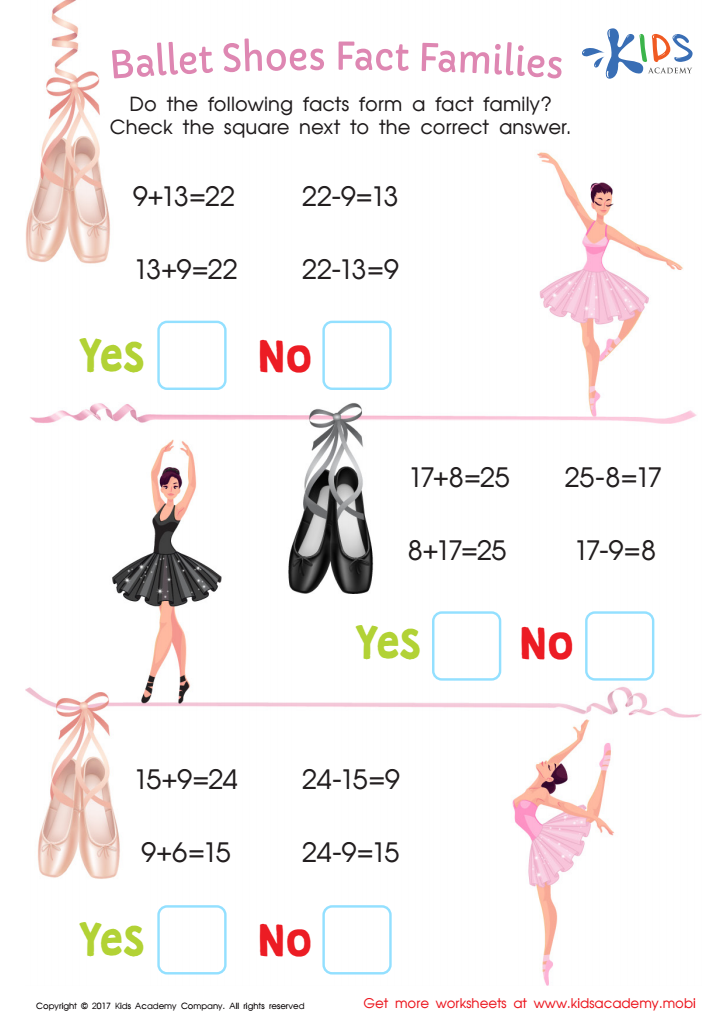
Ballet Shoes Fact Family Printable
 Assign to My Students
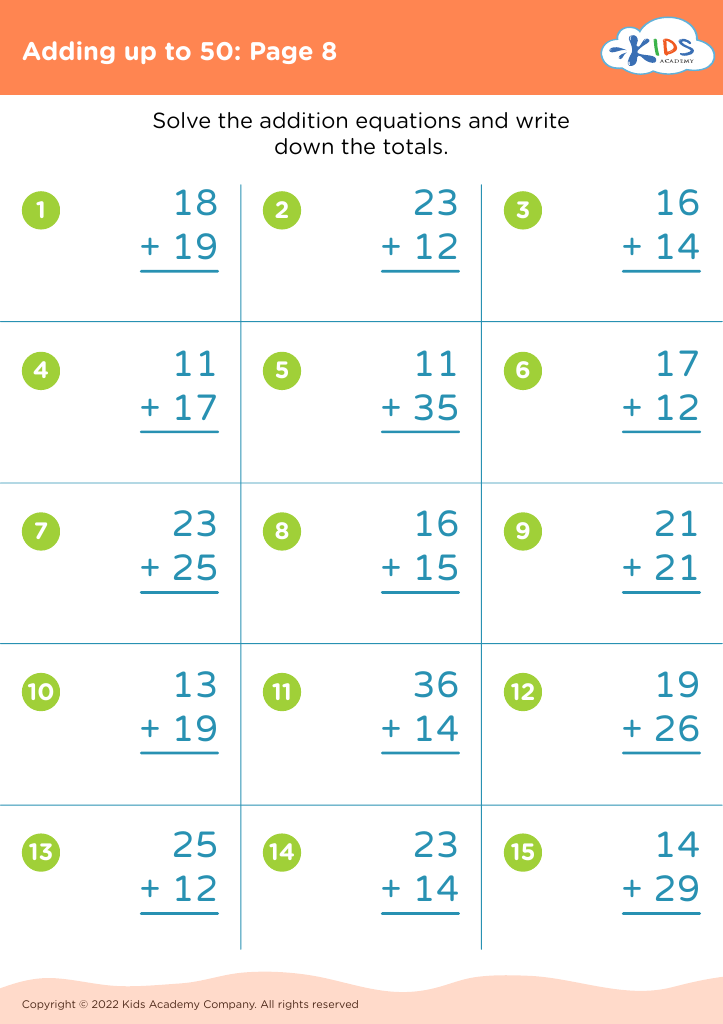
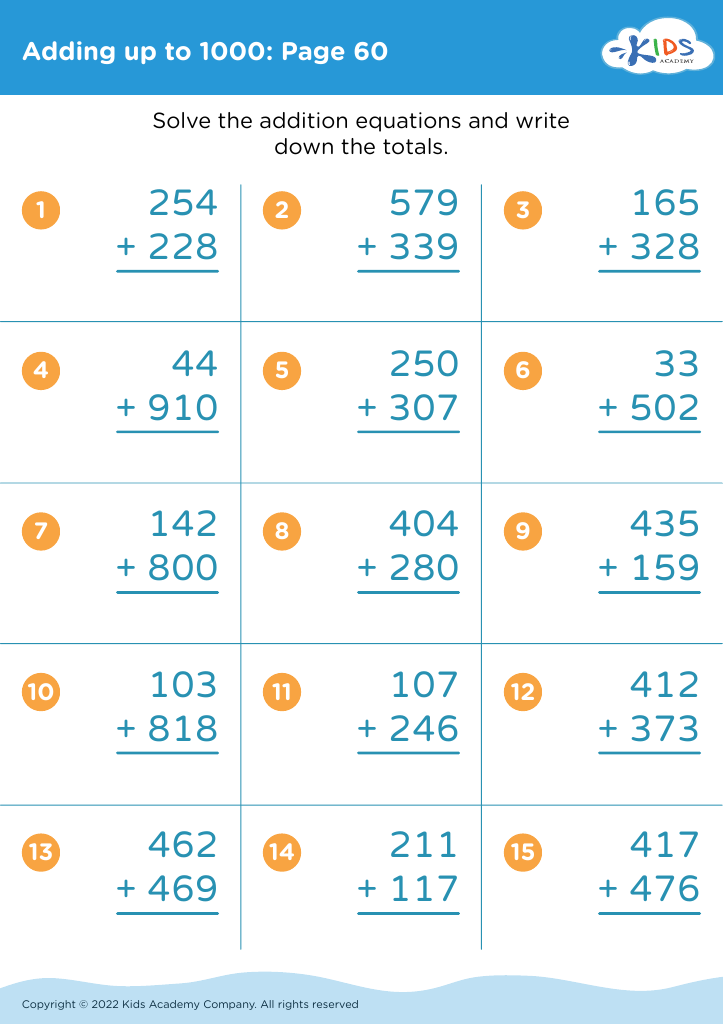
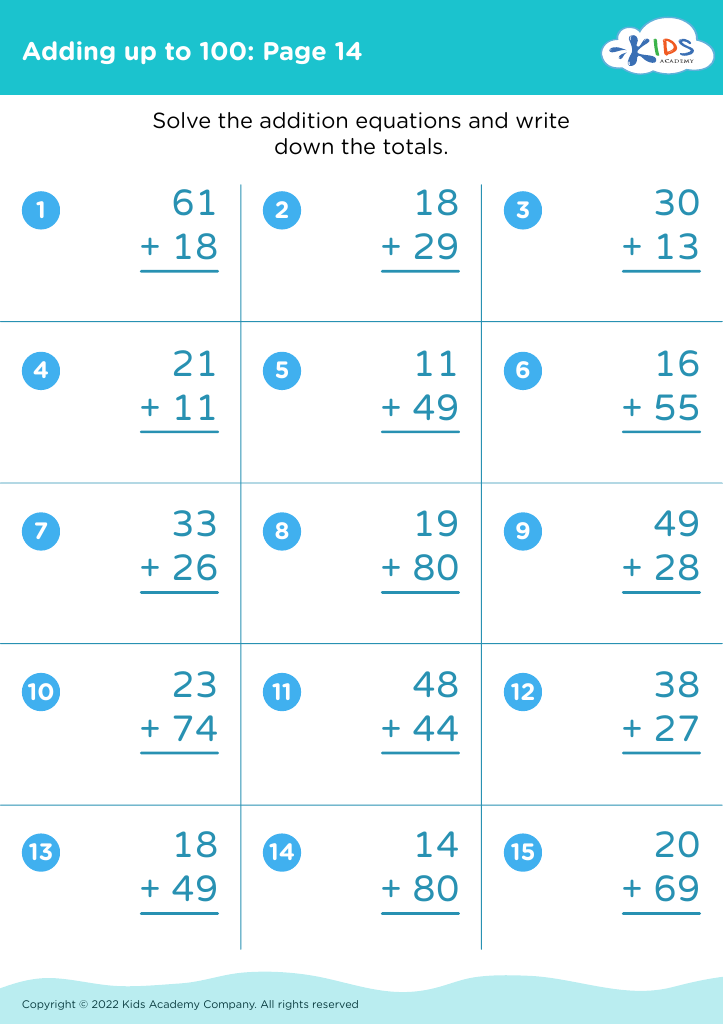
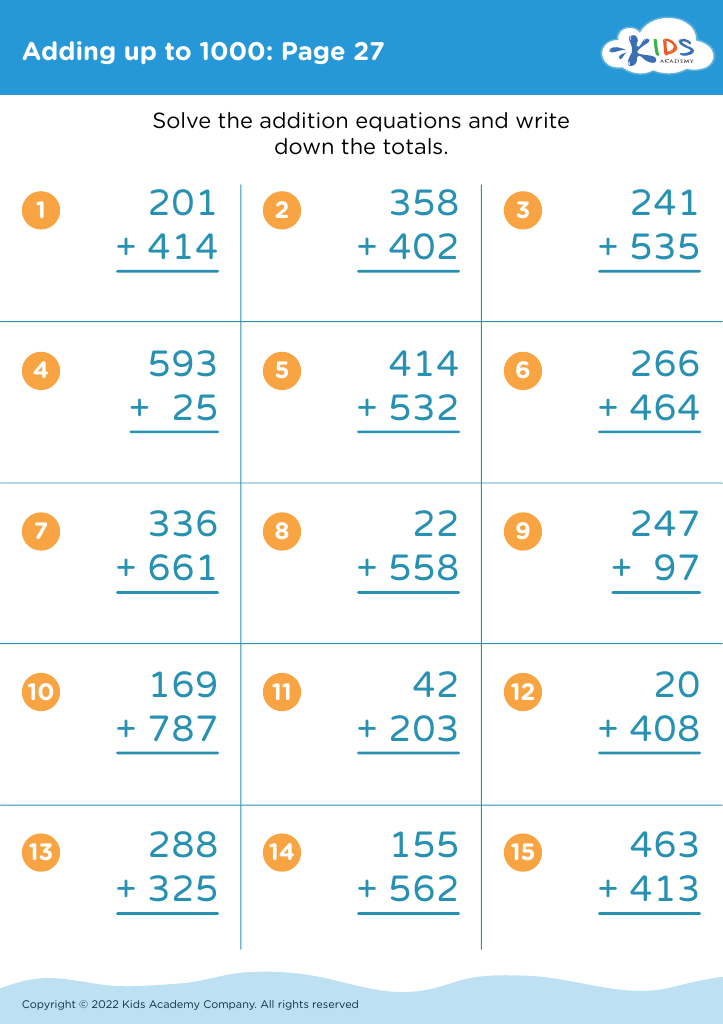
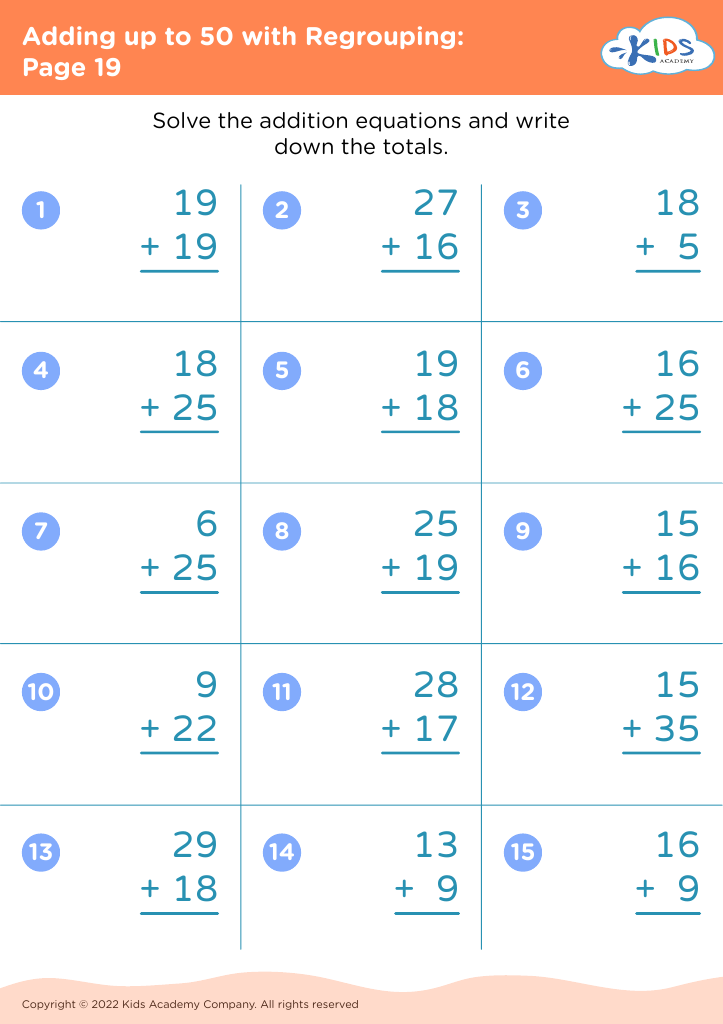
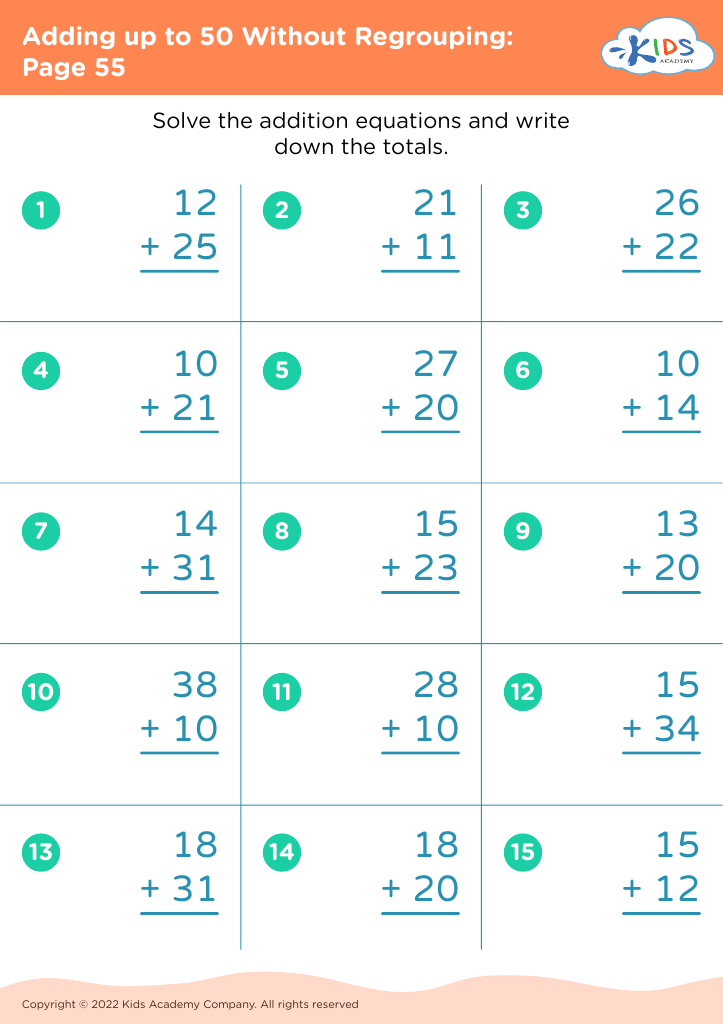
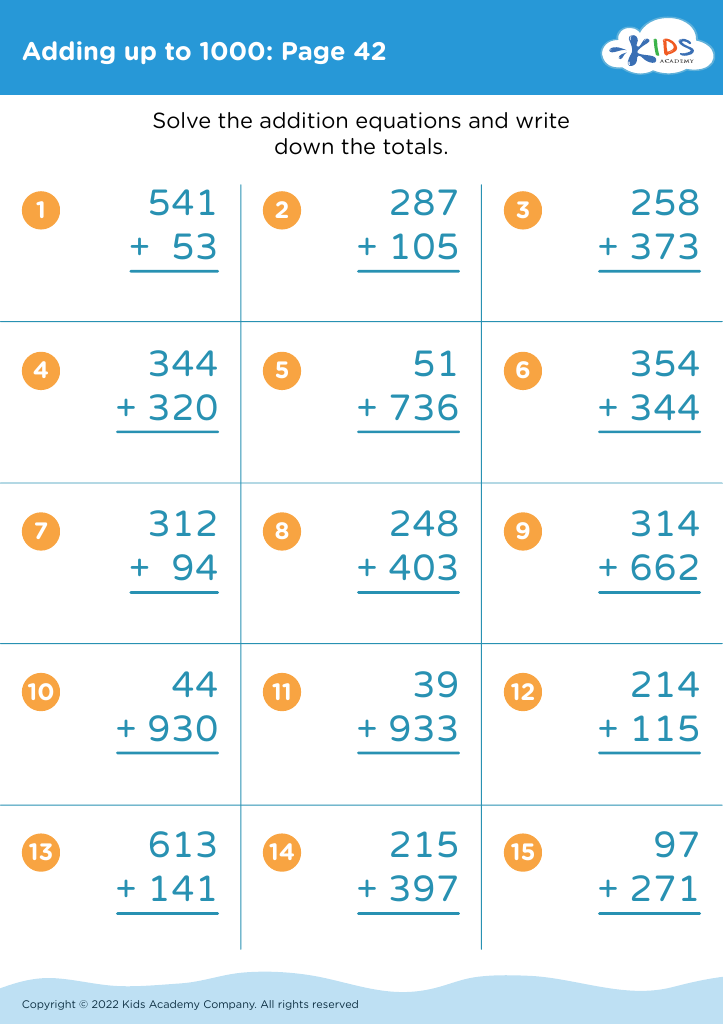
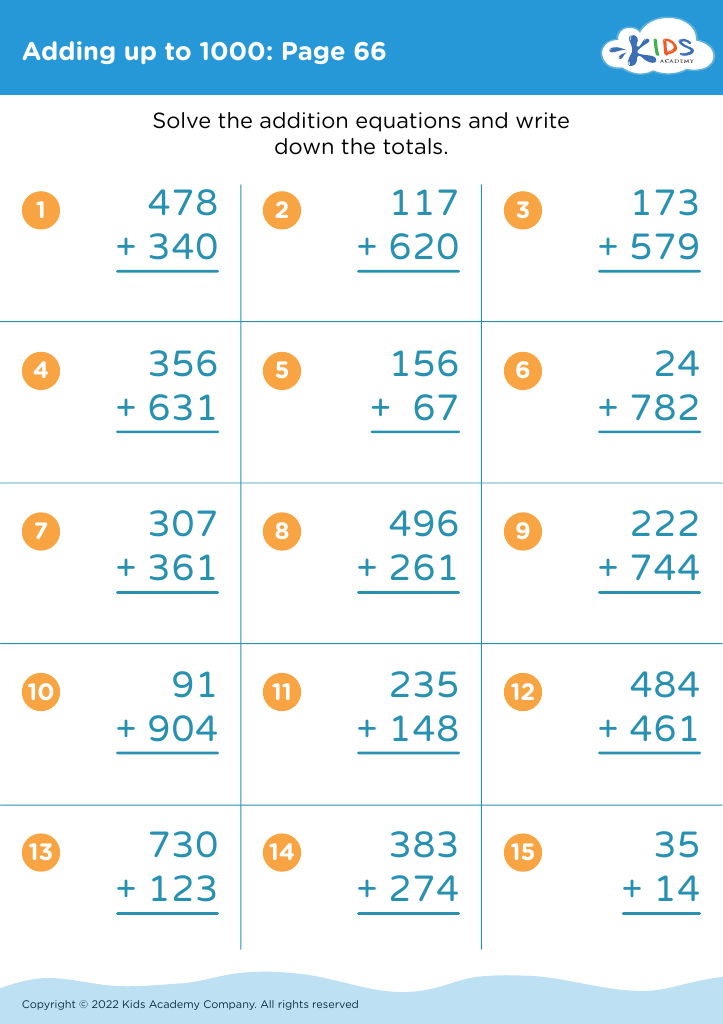
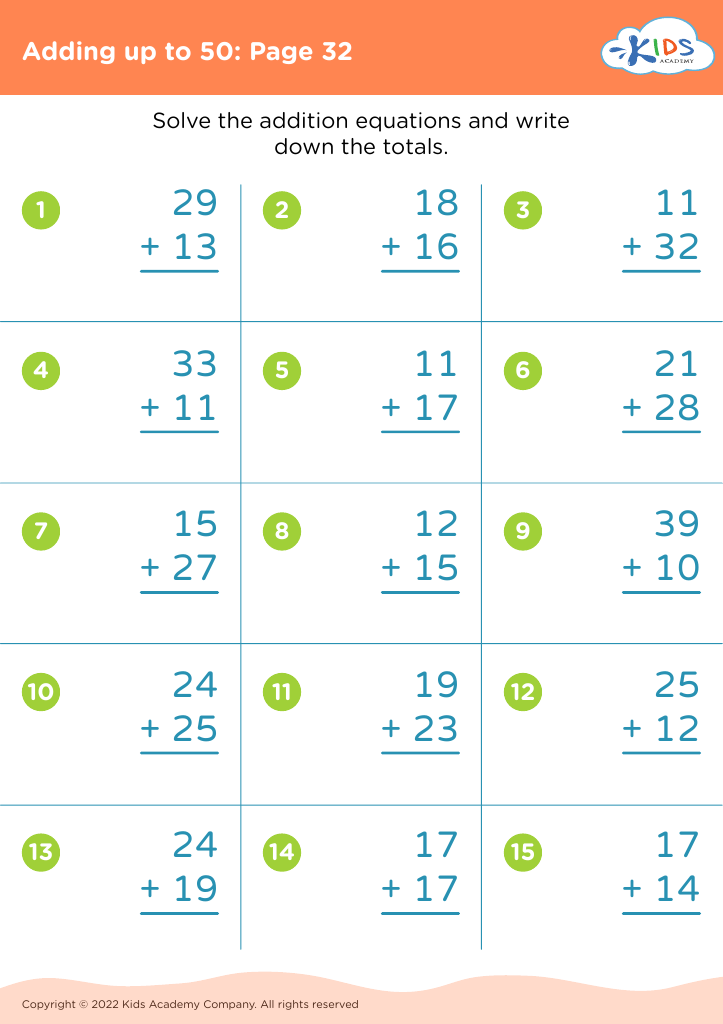








Addition and subtraction practices are fundamental in building a strong mathematical foundation for children aged 8-9. At this developmental stage, kids transition from simple arithmetic to more complex math problems. Mastery of these basic operations is crucial because they underpin a vast majority of future mathematical concepts, including multiplication, division, fractions, and decimals.
Teachers and parents should prioritize these skills for several reasons. Firstly, consistent practice enhances fluency, enabling quicker recall and boosting confidence when tackling more challenging tasks. This fluency directly affects their ability to solve problems efficiently, which is a critical skill not just in academics but in real-life situations as well, such as managing time or handling money.
Secondly, strong addition and subtraction skills contribute to higher-order thinking and problem-solving capabilities. With a solid grasp of basic operations, children are better equipped to comprehend and analyze more intricate math problems, facilitating a deeper understanding and engagement with the subject.
Lastly, mastering these skills at an early age fosters a positive relationship with math. Children who struggle with basic operations may develop math anxiety, affecting their overall academic performance and attitudes toward learning. Therefore, regular practice supports academic success and encourages a lifelong appreciation and confidence in mathematics.








