Alphabet Recognition Addition & Subtraction Worksheets for Ages 8-9
4 filtered results
-
From - To
Encourage your child's foundational math and literacy skills with our Alphabet Recognition Addition & Subtraction Worksheets for ages 8-9. These engaging, printable activities combine alphabet learning with essential arithmetic practice, making learning enjoyable and effective. Students will reinforce their letter recognition while solving addition and subtraction problems, fostering both reading and math proficiency. Ideal for at-home practice or classroom use, our expertly designed worksheets cater to growing minds by blending educational content with colorful visuals and interactive tasks. Help your child confidently master essential skills with Kids Academy's comprehensive and fun worksheets!
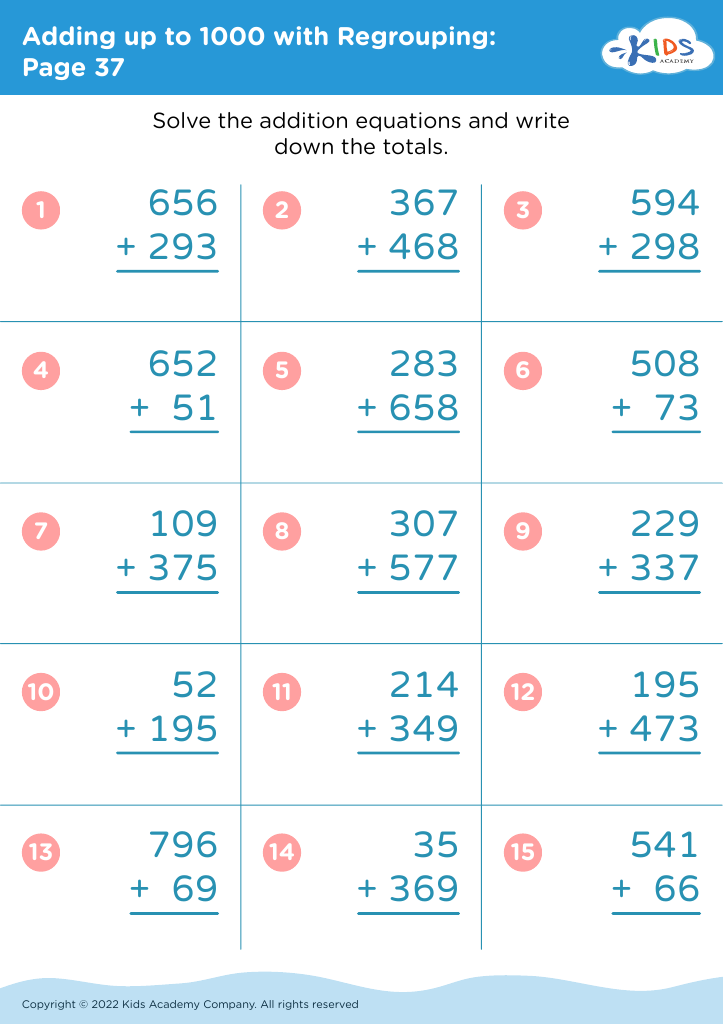
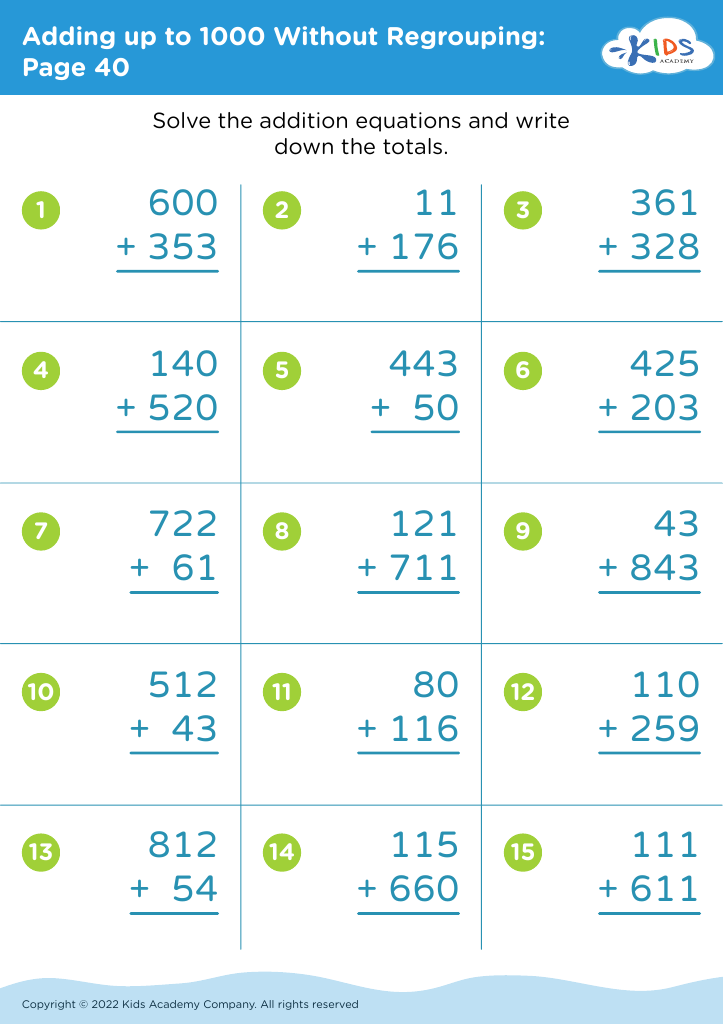
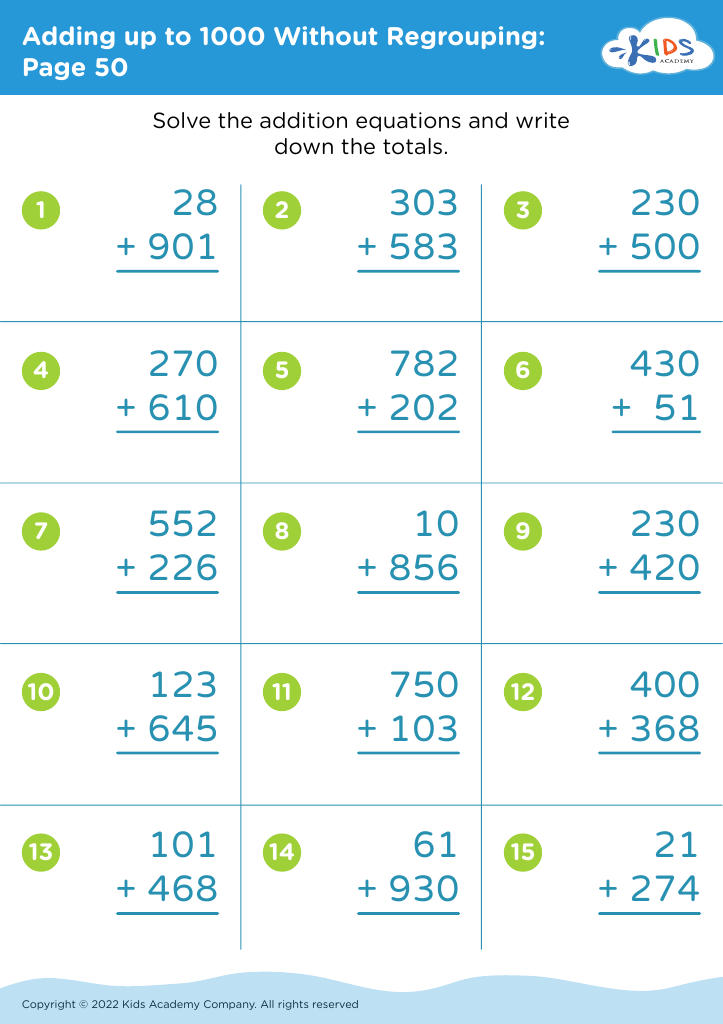
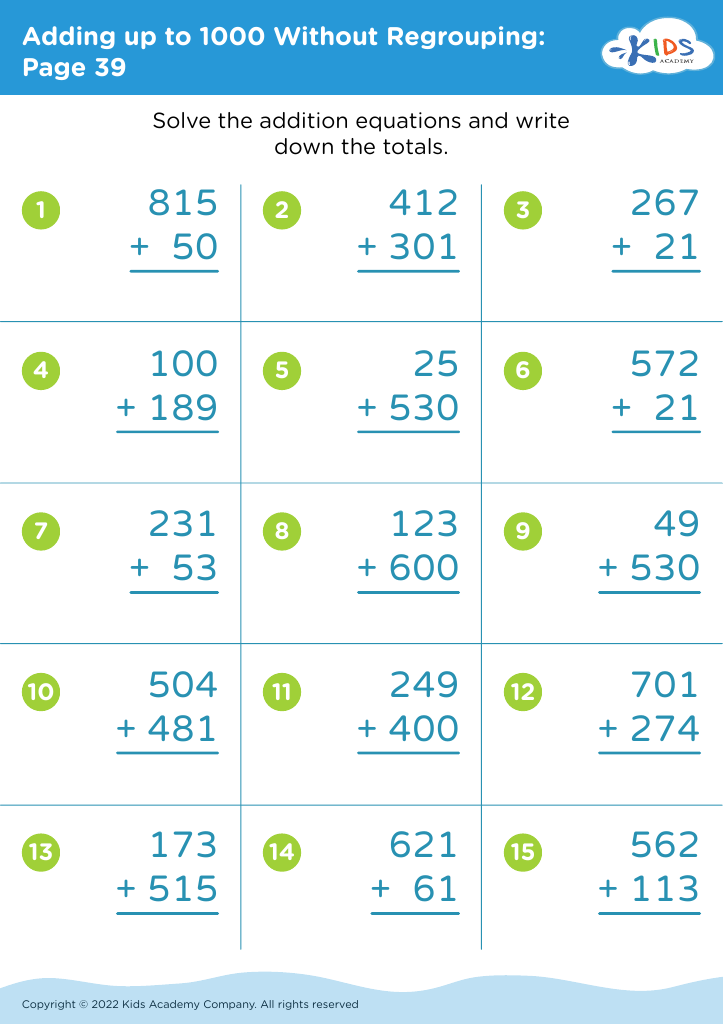








Alphabet recognition, addition, and subtraction are foundational skills that lay the groundwork for more advanced literacy and mathematics. Parents and teachers should prioritize these skills, as they are critical for children aged 8-9 during their middle childhood.
Alphabet recognition is essential because it enables children to decode written text, fostering strong reading abilities. This skill is not limited to merely identifying letters; it includes understanding the sounds each letter represents, which is crucial for phonics instruction and developing reading fluency.
Likewise, addition and subtraction are fundamental arithmetic operations that form the basis of more complex mathematical concepts. Mastery of these skills at an early age builds numerical fluency, which is essential for problem-solving, logical thinking, and future math success, including multiplication, division, fractions, and beyond. Proficiency in these areas is correlated with higher academic achievement and confidence in students.
Additionally, mathematical and literacy skills are interconnected with everyday life skills. Financial literacy, measuring, storytelling, and even programming rely heavily on these basic competencies. Developing strong foundations in these areas by age 8-9 ensures that children are better prepared for subsequent academic challenges, sets up positive educational trajectories, and ultimately contributes to lifelong learning and adaptation skills.
Therefore, a focus on alphabet recognition, addition, and subtraction during these formative years is integral to comprehensive educational development, ensuring that children are well-equipped for future academic and personal success.








