Develop critical thinking Addition & Subtraction Worksheets for Ages 8-9
11 filtered results
-
From - To
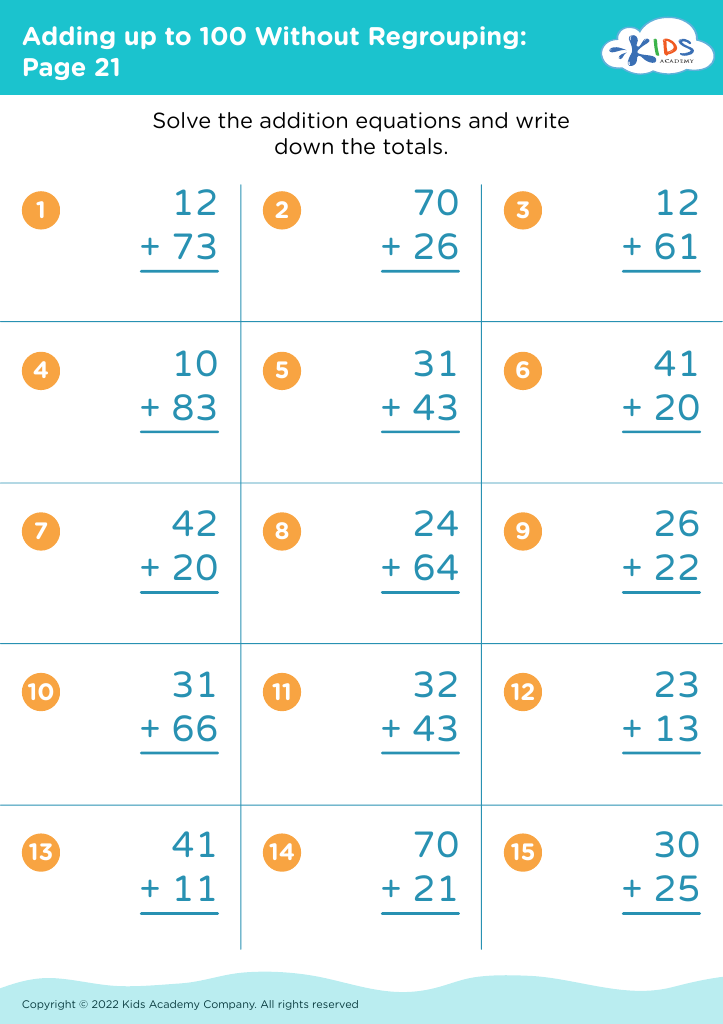
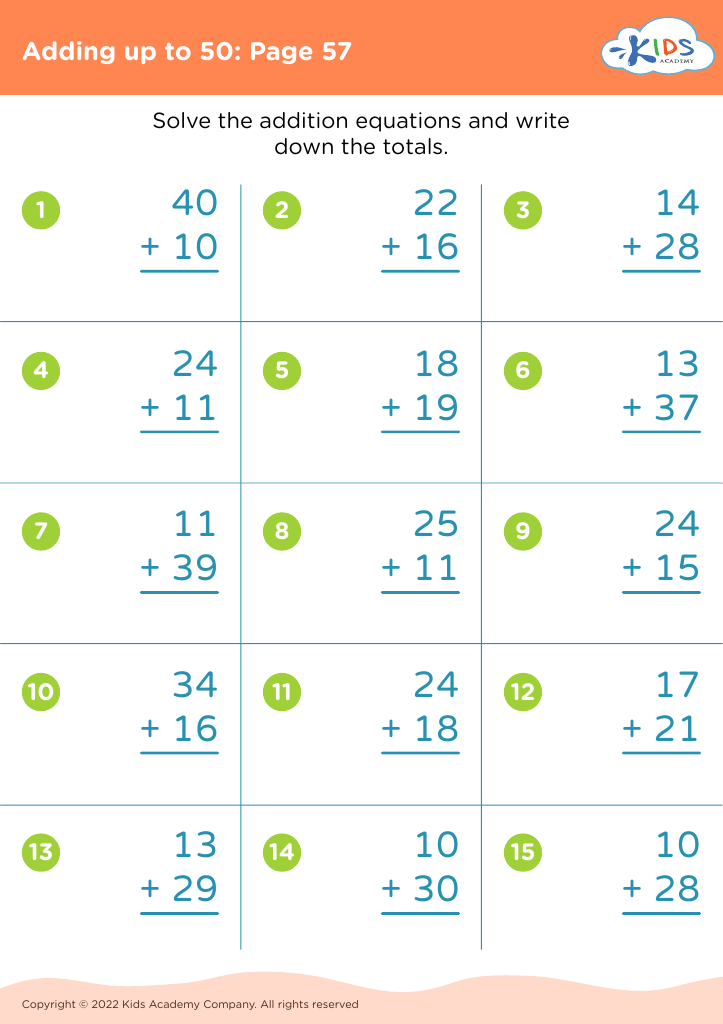
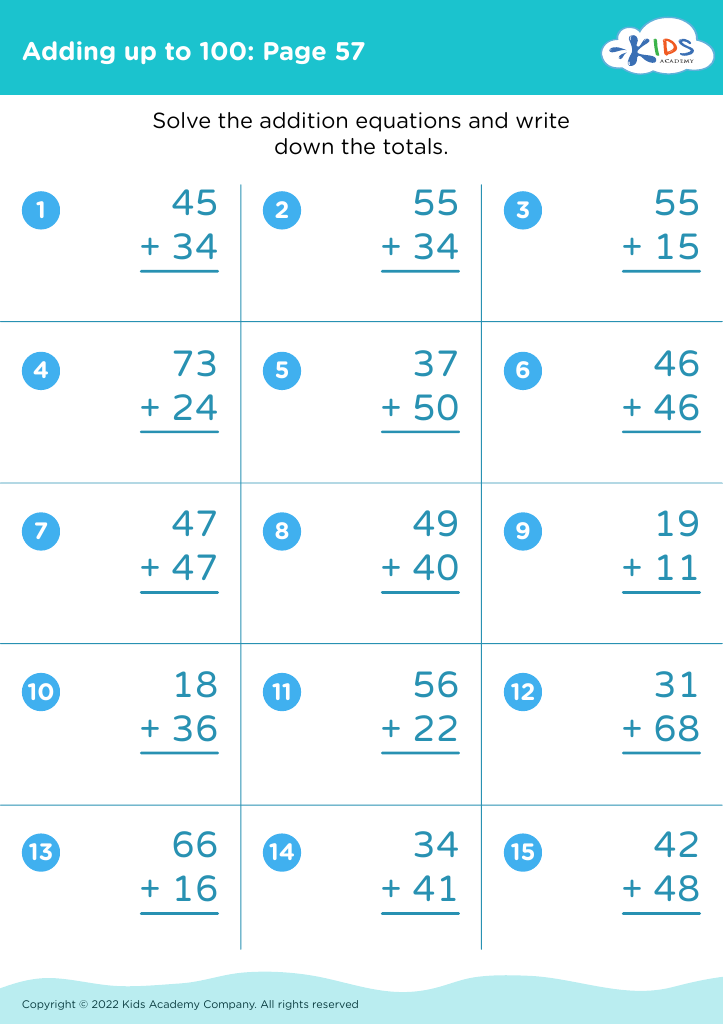
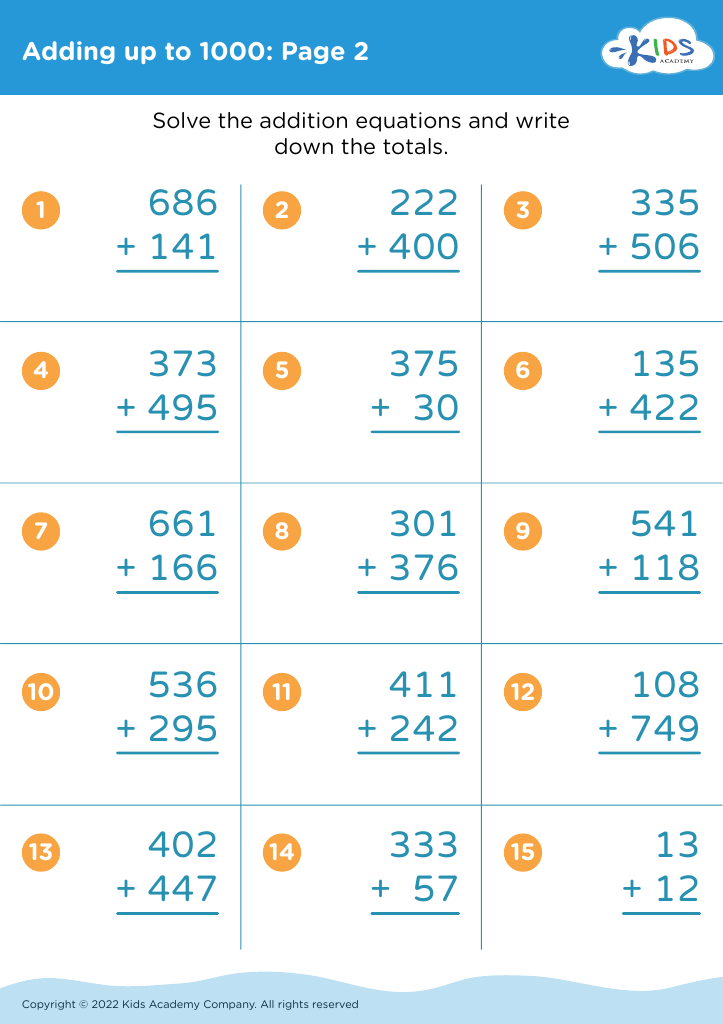
Our "Develop Critical Thinking Addition & Subtraction Worksheets for Ages 8-9" are designed to enhance your child's math skills through engaging activities. These worksheets go beyond basic arithmetic, encouraging young learners to analyze, problem-solve, and think critically. Each sheet presents fun and relatable scenarios where children apply addition and subtraction in real-life contexts, enriching their mathematical understanding. With vibrant illustrations and captivating exercises, your child will develop critical thinking and mathematical reasoning, ensuring they build a solid foundation for future learning. Perfect for home or classroom use, these worksheets make math exciting and accessible for all!
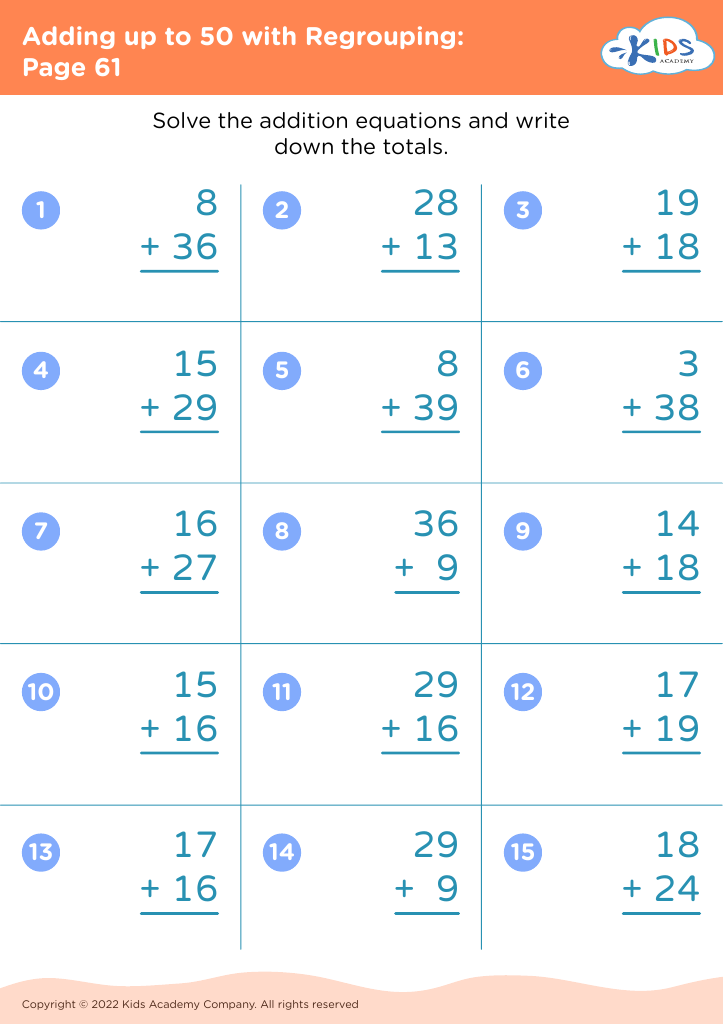
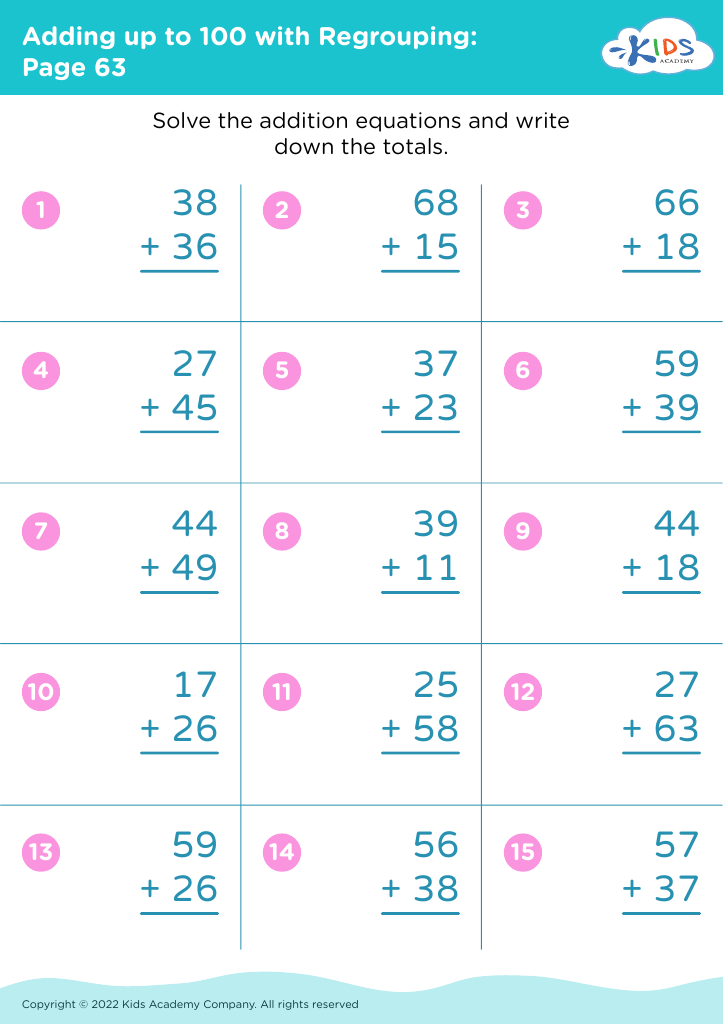
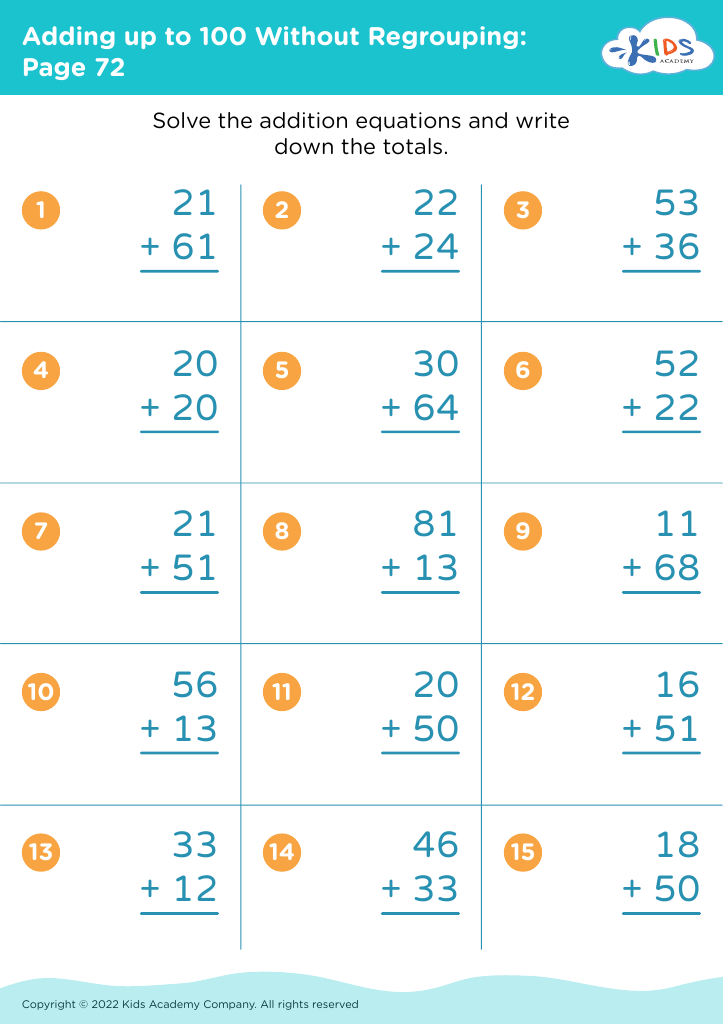
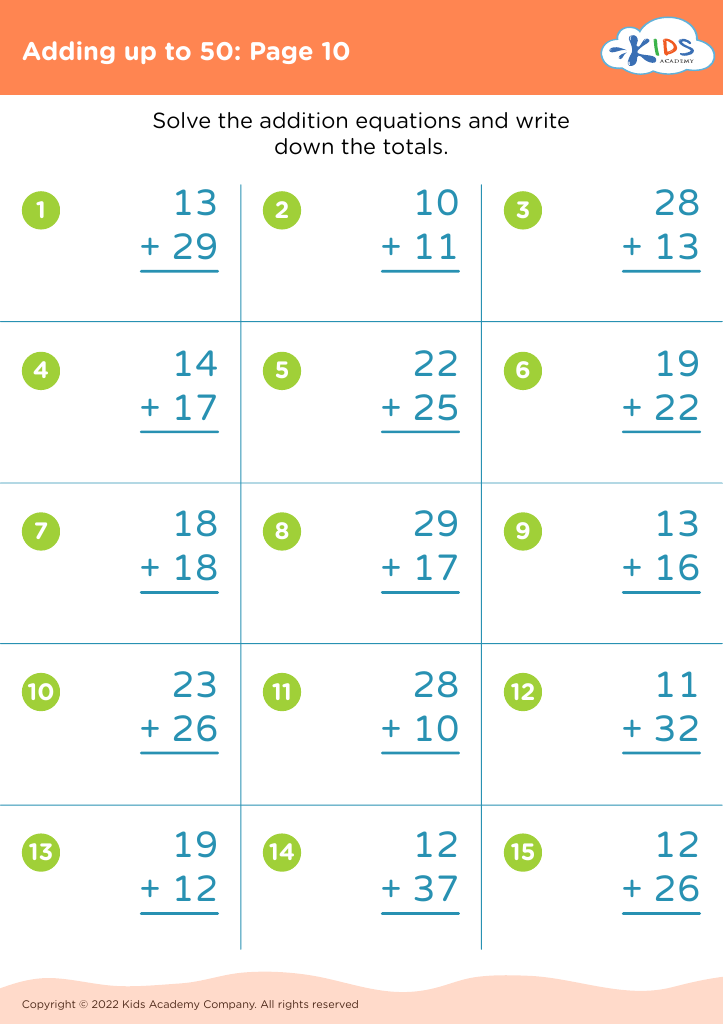
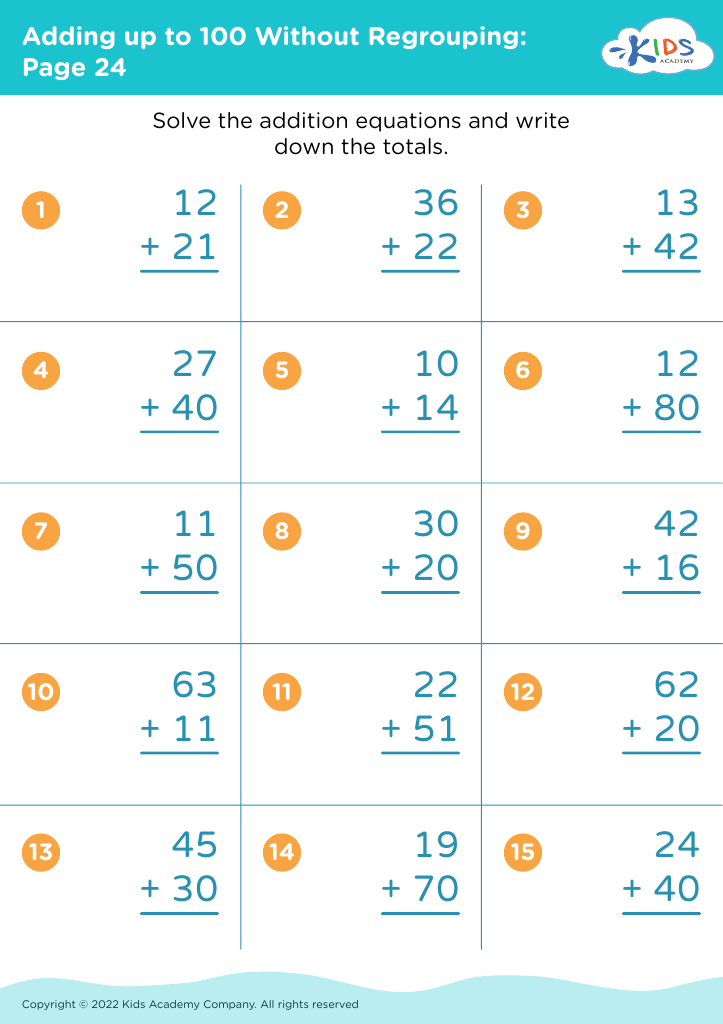
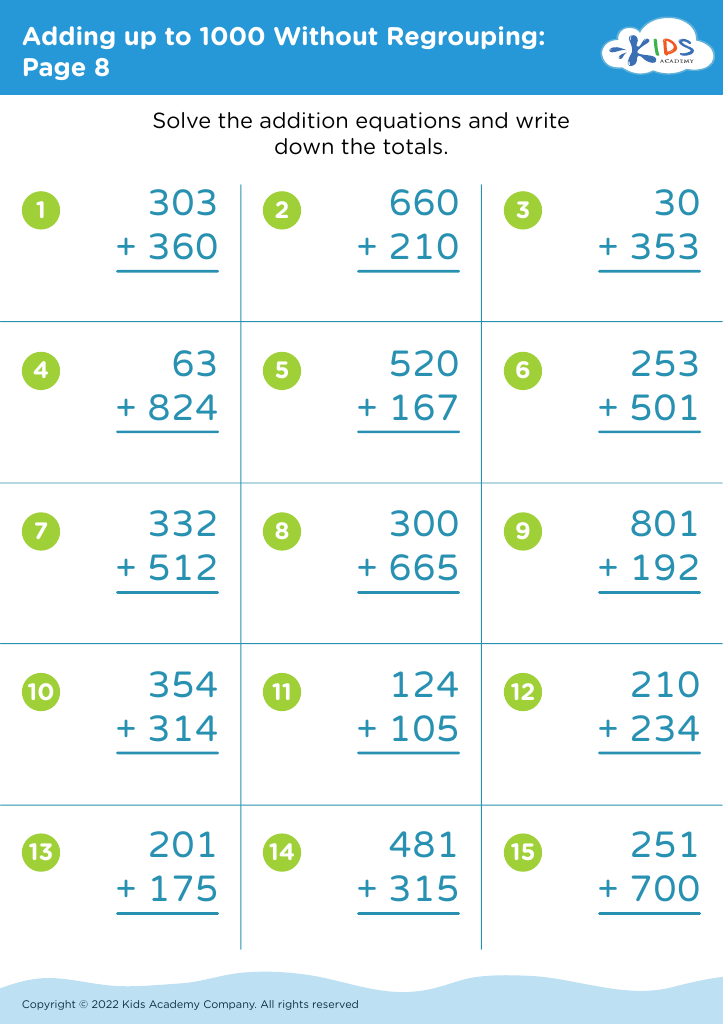
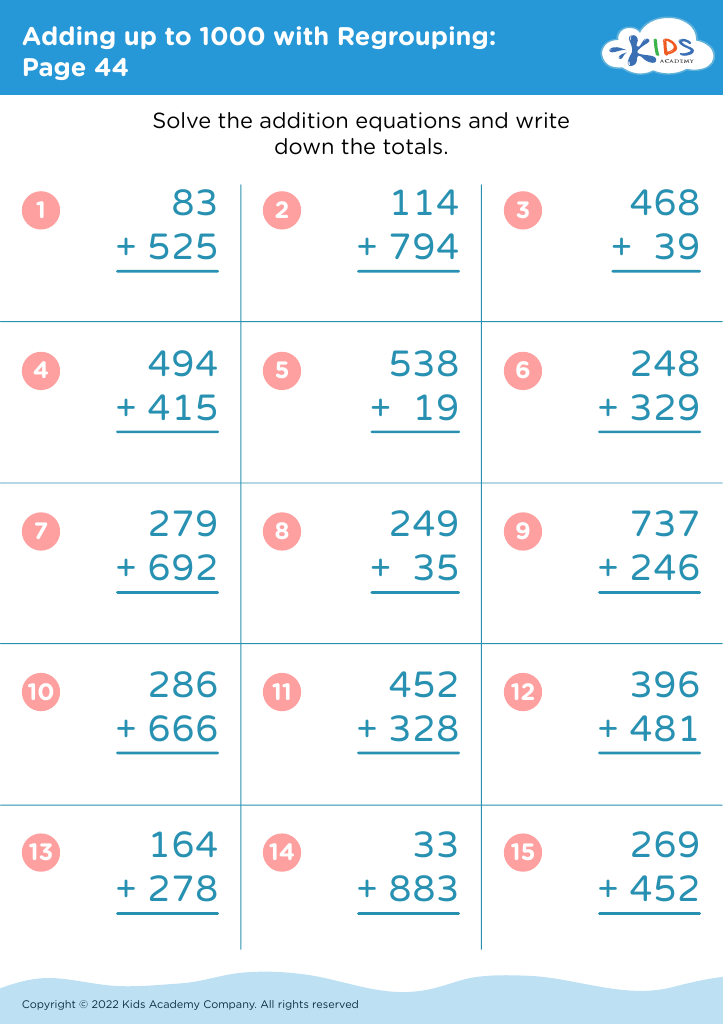








Parents and teachers should care about developing critical thinking in addition and subtraction for children aged 8-9 because these formative years are crucial for building foundational math skills and cognitive abilities. Critical thinking in these basic arithmetic operations goes beyond mere computation; it equips children with the ability to analyze, reason, and understand the 'why' behind the procedures, fostering a deeper comprehension of mathematical concepts.
At this age, students are transitioning from concrete to more abstract levels of thinking. Encouraging critical thinking helps them grasp not just how to add or subtract, but why specific methods work, and how these operations relate to real-world problems. This lays the groundwork for more complex mathematical learning in the future and helps them approach math with a problem-solving mindset.
Moreover, developing these skills early promotes confidence and reduces math anxiety. Children who understand the processes behind their calculations perceive math as a logical series of steps rather than a set of arbitrary rules. This understanding builds resilience and persistence, essential traits for overcoming academic challenges.
Finally, reinforcing critical thinking in math supports overall cognitive development. Skills such as logical reasoning, pattern recognition, and analytical thought are transferrable to other subjects and everyday decision-making, thus preparing children to navigate a complex and dynamic world more effectively.








