Enhance number recognition Addition & Subtraction Worksheets for Ages 8-9
17 filtered results
-
From - To
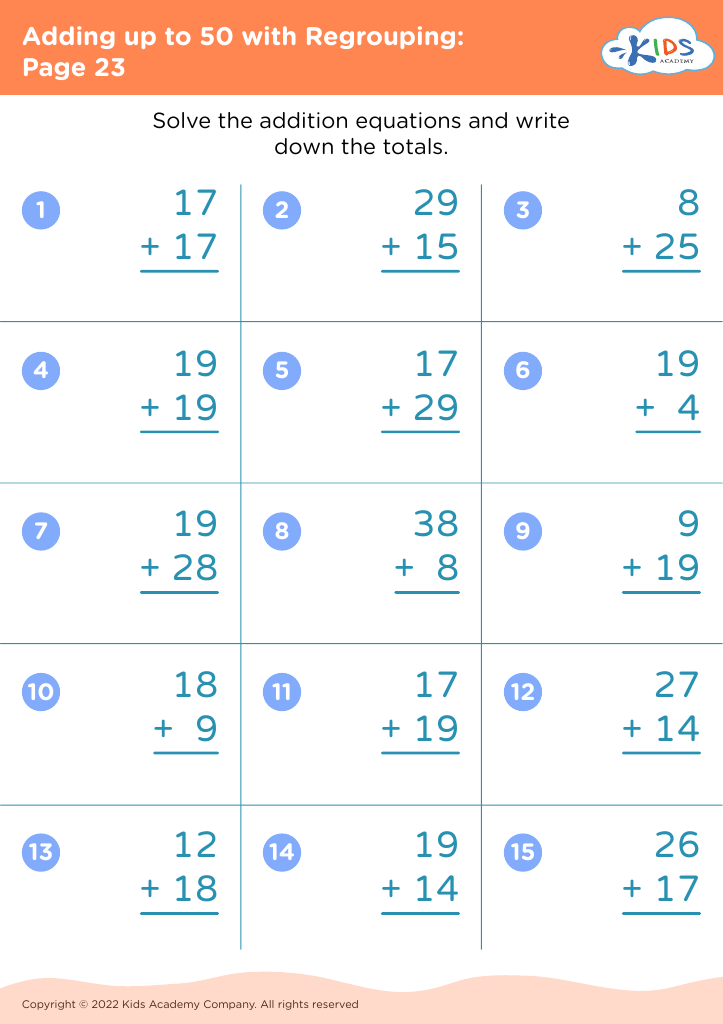
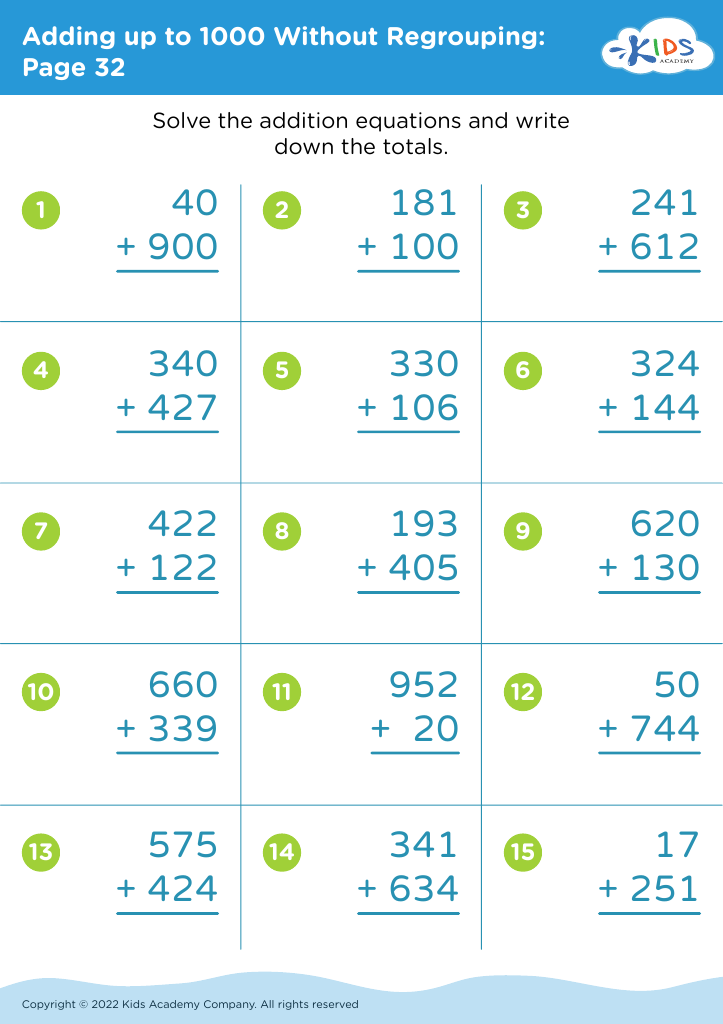
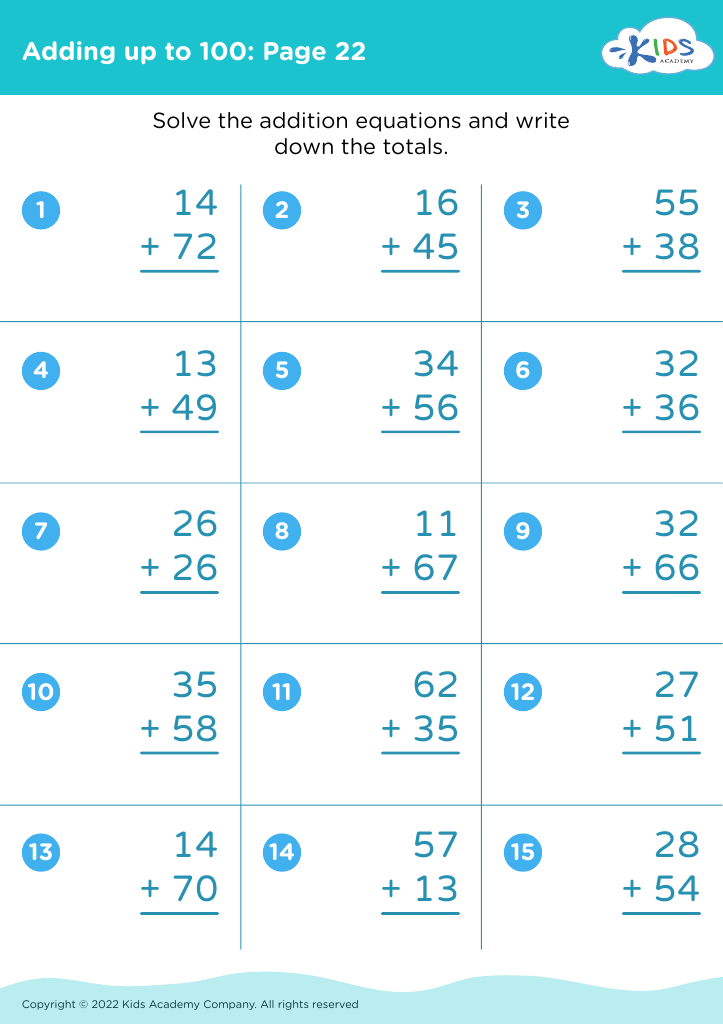
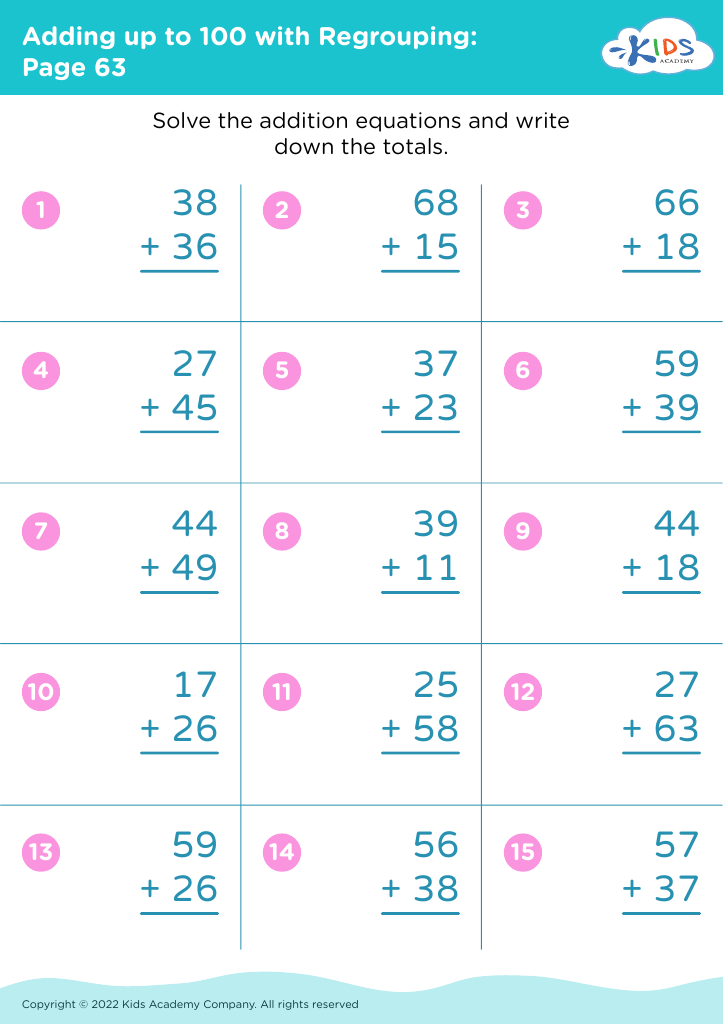
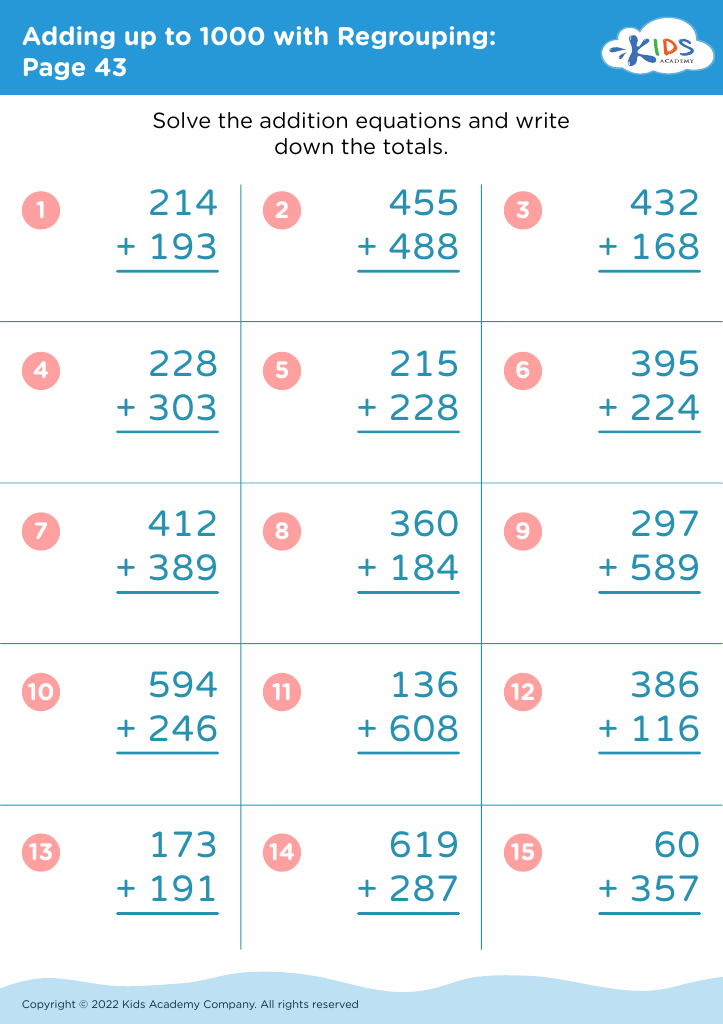
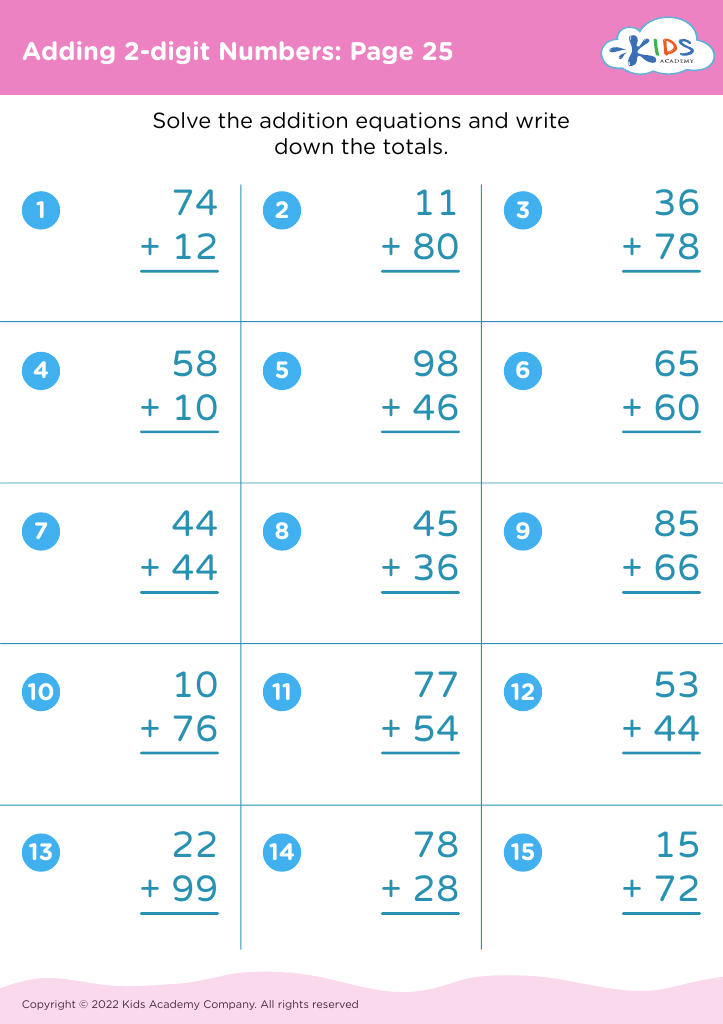
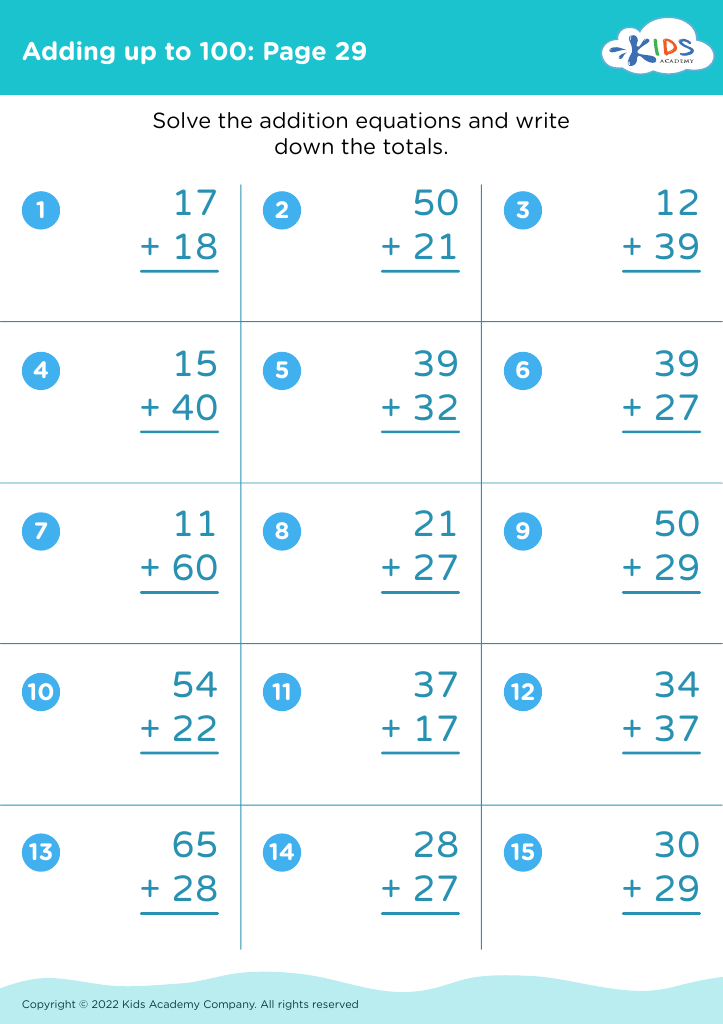
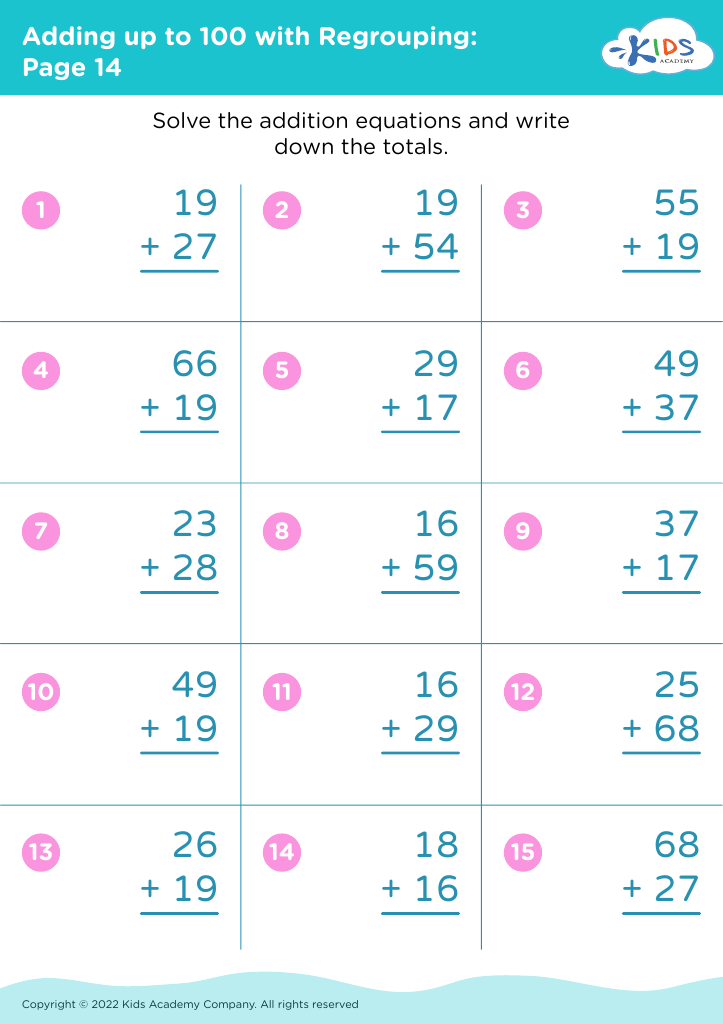
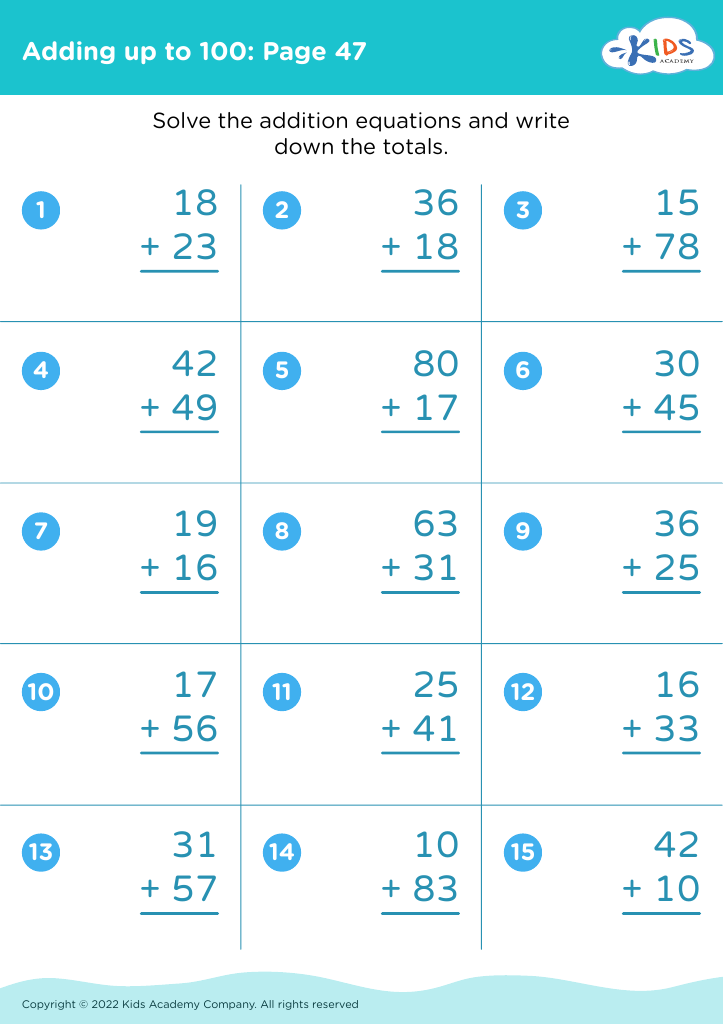
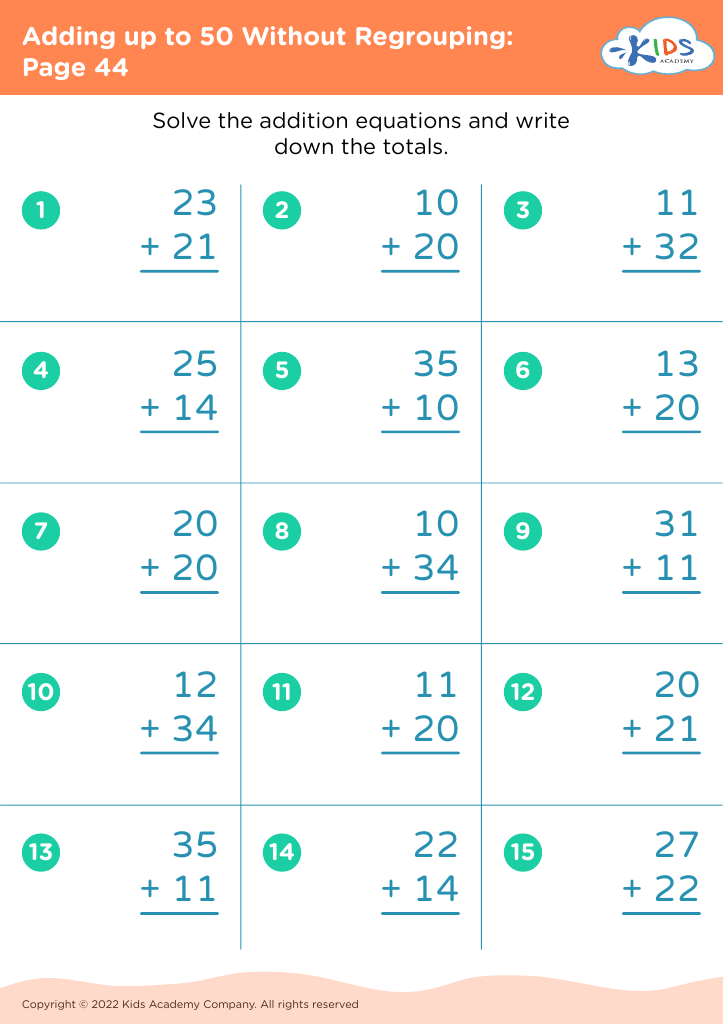
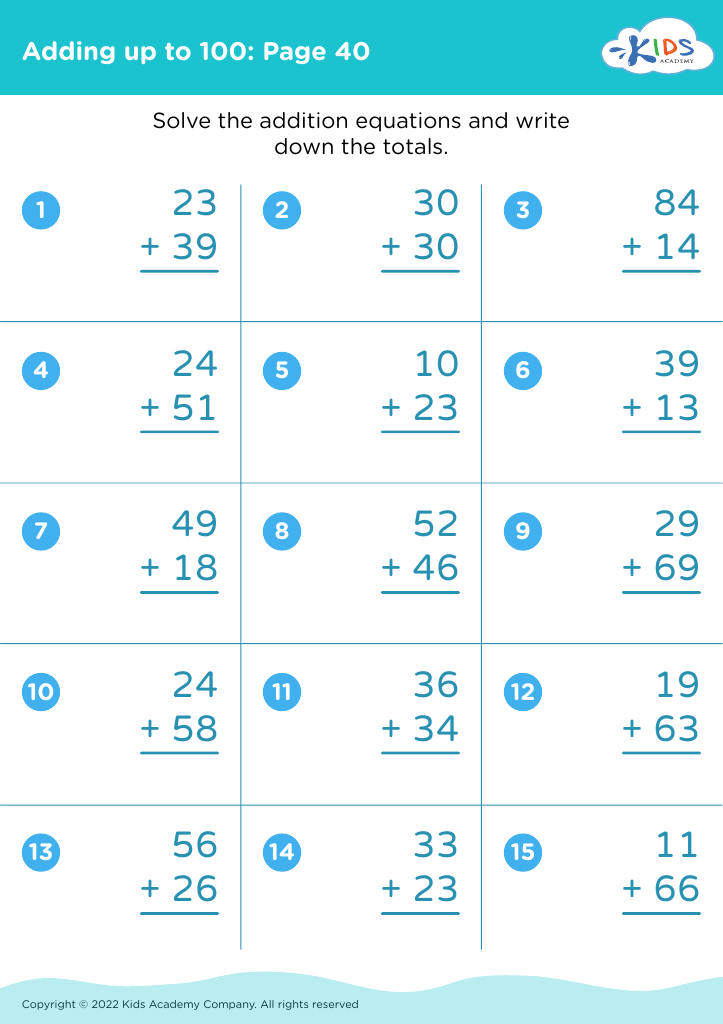
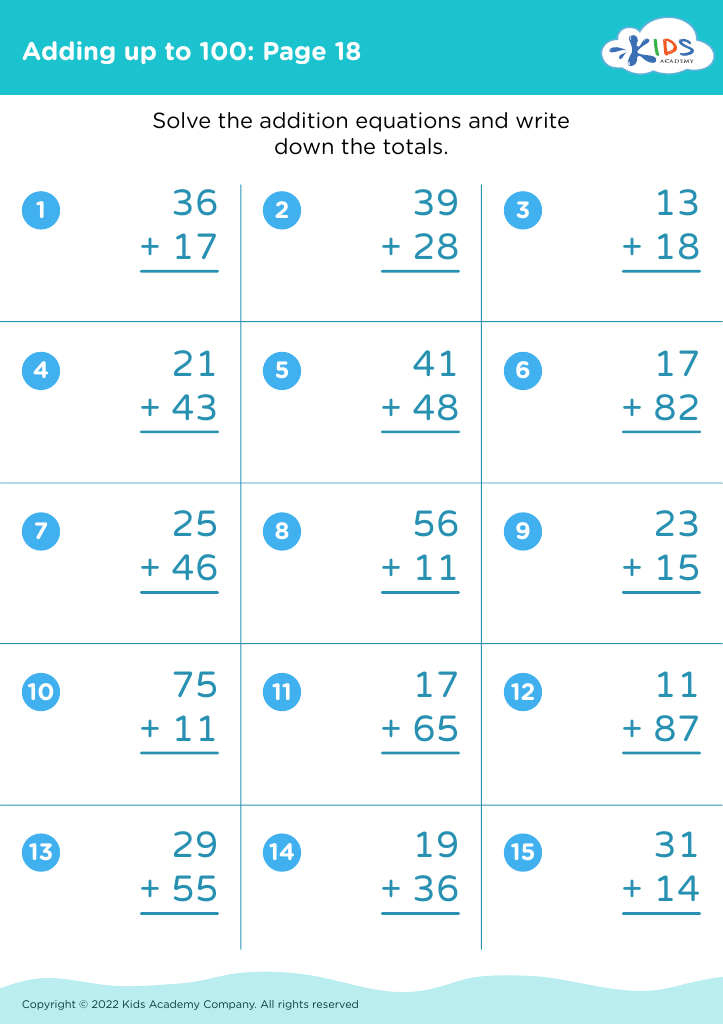
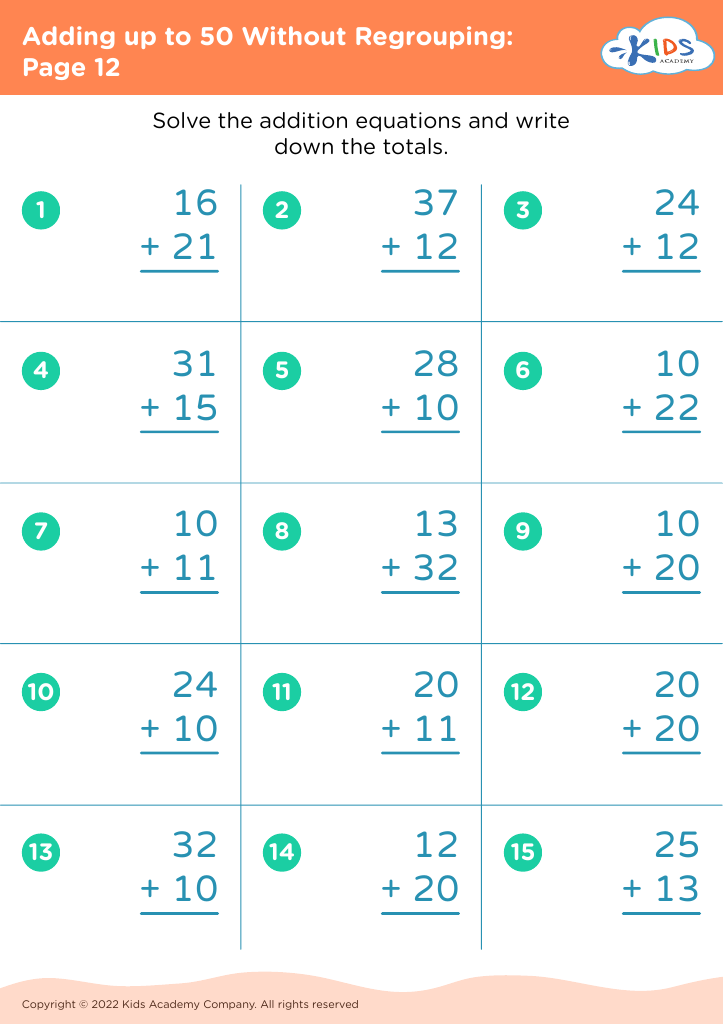
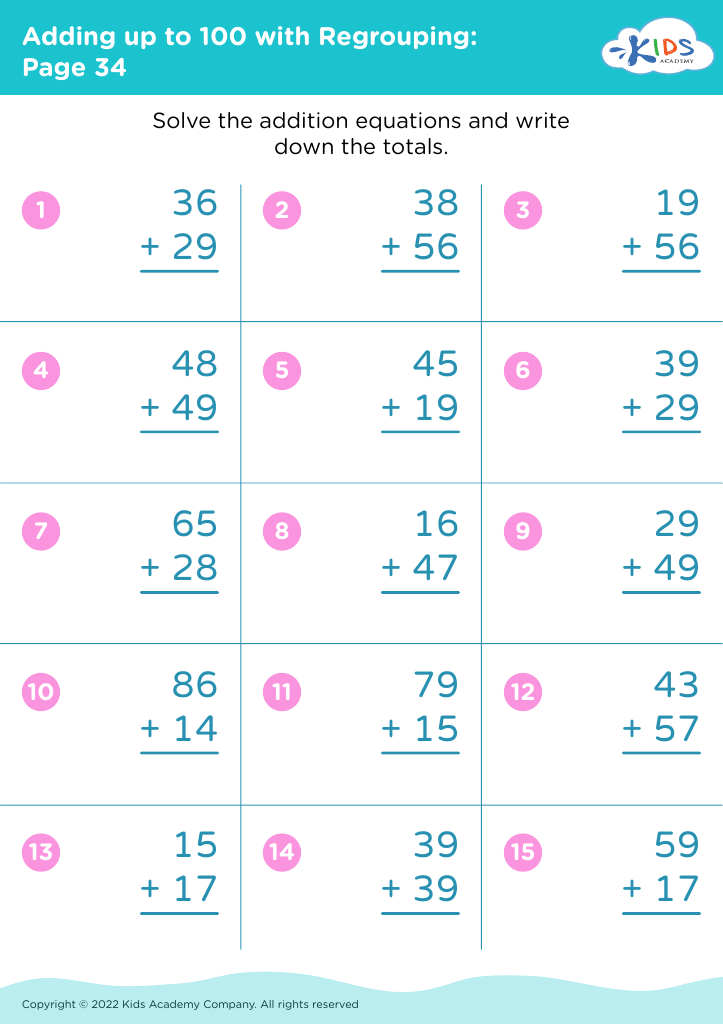
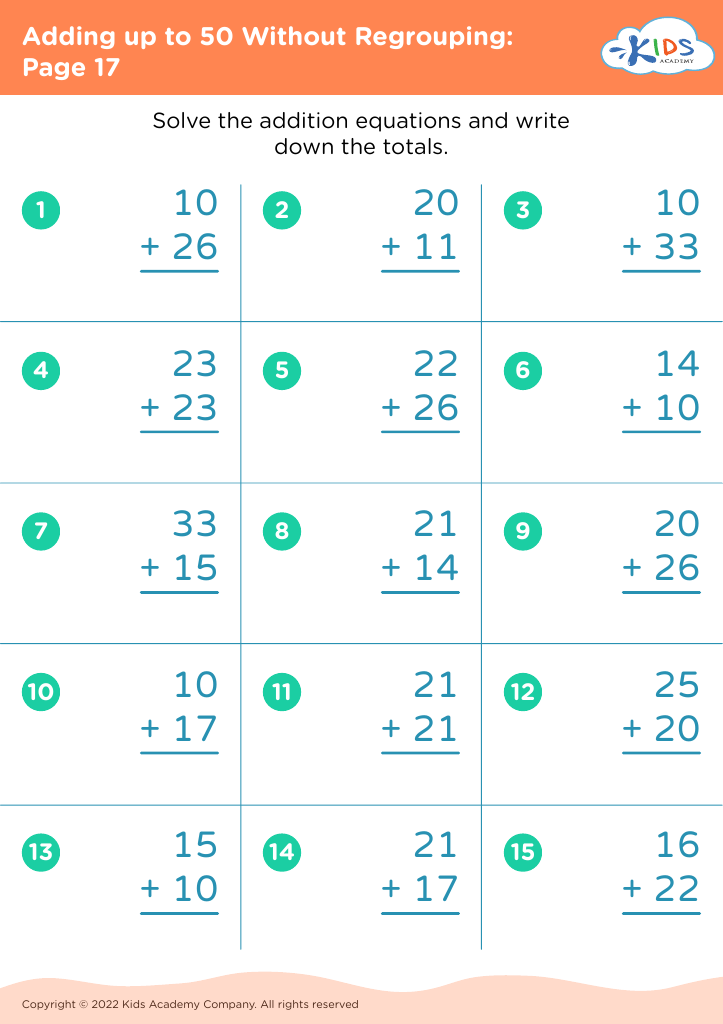
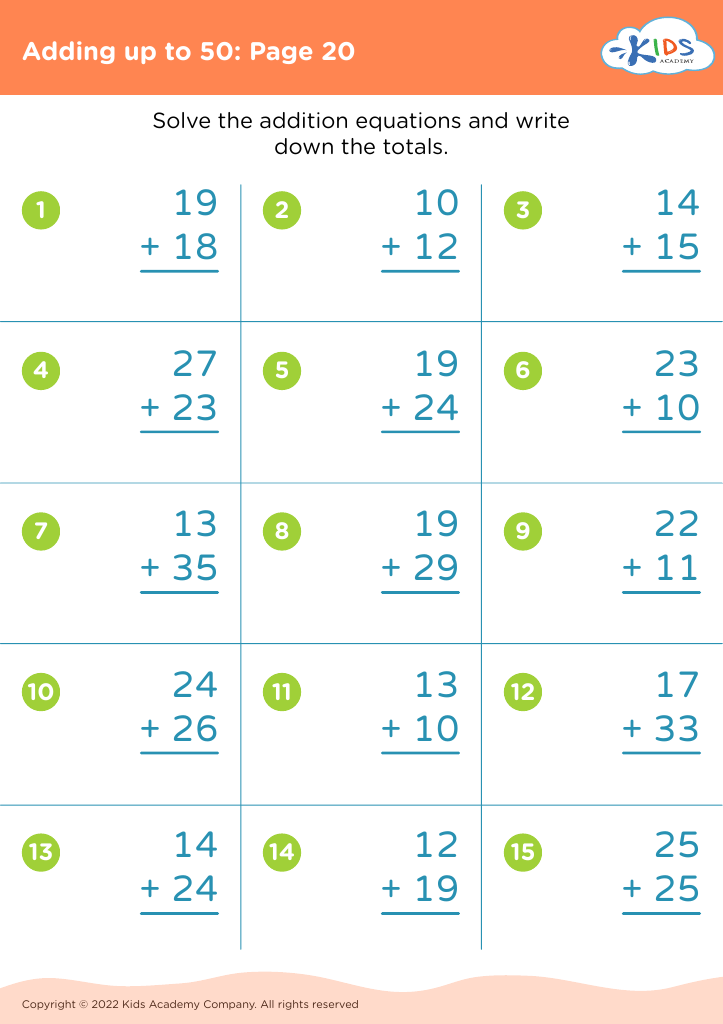
Boost your child's math confidence with our "Enhance Number Recognition Addition & Subtraction Worksheets" tailored for ages 8-9. These engaging and educational worksheets are designed to reinforce essential math skills while keeping kids entertained. Our printable activities help children identify, understand, and manipulate numbers through fun addition and subtraction exercises. Perfect for both classroom and home use, these worksheets lay the foundation for advanced math concepts. With clearly structured tasks, young learners can improve their number recognition and problem-solving abilities. Watch as your child builds confidence and a love for math with Kids Academy's expertly designed resources.
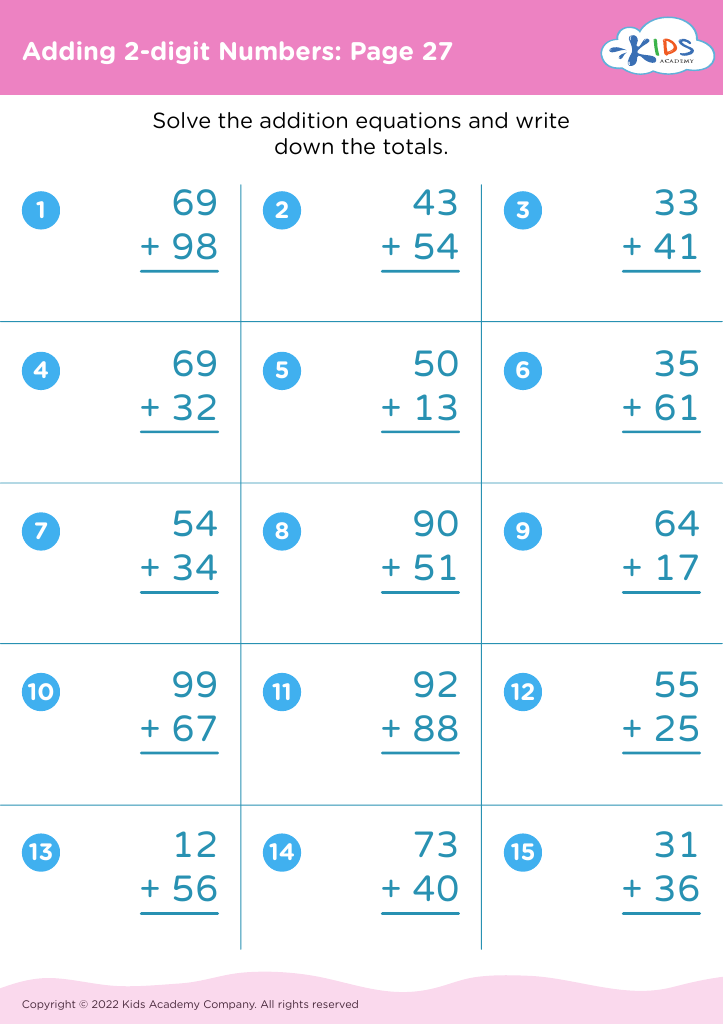








Parents and teachers should prioritize enhancing number recognition, addition, and subtraction skills for children aged 8-9 because these foundational arithmetic competencies are crucial for their academic success and daily life functioning. At this age, children transition from basic understanding to more complex problem-solving, necessitating a solid grasp of these fundamental concepts.
Firstly, strong number recognition underpins almost all later mathematical learning, ensuring children can confidently read and write numbers, understand place value, and perceive numerical relationships. This skill is essential not only for succeeding in math but also for performing day-to-day tasks like telling time, measuring ingredients in a recipe, or handling money.
Secondly, proficiency in addition and subtraction is the cornerstone of all higher arithmetic operations. By mastering these operations, children develop vital problem-solving skills and logical reasoning abilities, which are applicable across various subjects. They foster mental math capacities necessary for understanding multiplication, division, and fractions in the upcoming grades.
Moreover, supporting children in mastering these skills boosts their confidence and fosters a positive attitude toward mathematics, which is often a subject that many find challenging. Consequently, early and effective intervention in these areas can mitigate anxieties and build resilience, ensuring children remain engaged and motivated throughout their academic journey. For these reasons, parents and teachers should actively engage in strategies and practices that enhance these fundamental skills.








