Enhance vocabulary skills Addition & Subtraction Worksheets for Ages 8-9
4 filtered results
-
From - To
Unlock your child's potential with our "Enhance Vocabulary Skills: Addition & Subtraction Worksheets" designed for ages 8-9. These engaging worksheets blend mathematical concepts with vocabulary enhancement, allowing children to improve their word recognition and comprehension while mastering addition and subtraction. Thoughtfully crafted to encourage critical thinking, the worksheets feature real-world scenarios, helping students connect math with everyday language. Through a variety of exercises, your child will build a robust vocabulary alongside essential math skills. Perfect for home practice or classroom use, these worksheets serve as an exciting tool to develop both literacy and numeracy. Get started today for enriched learning!
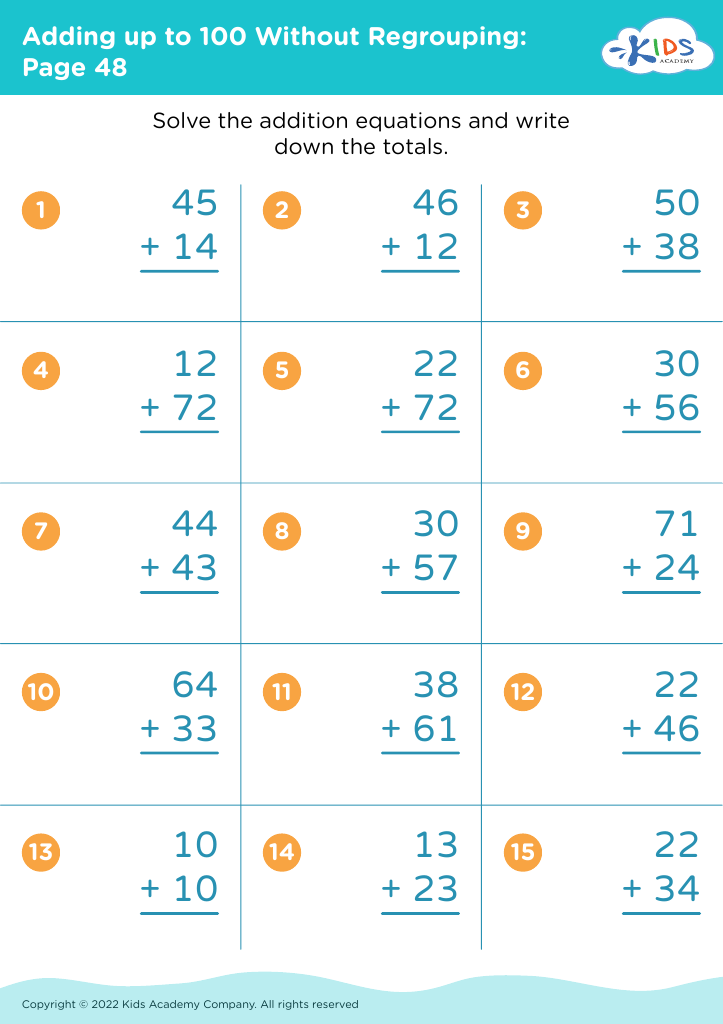
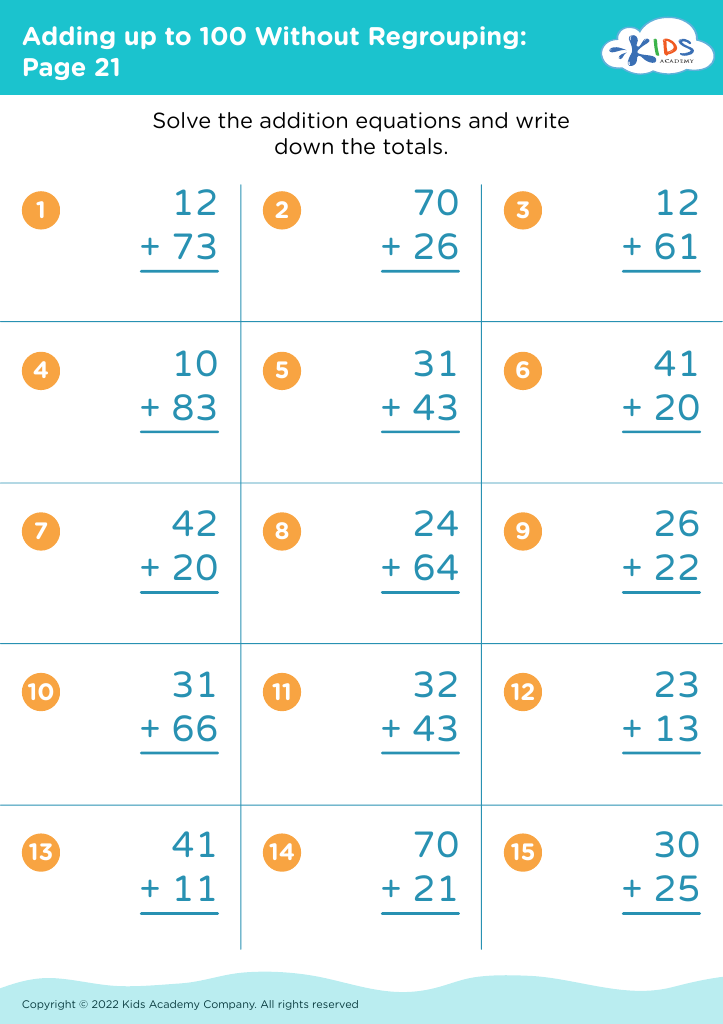
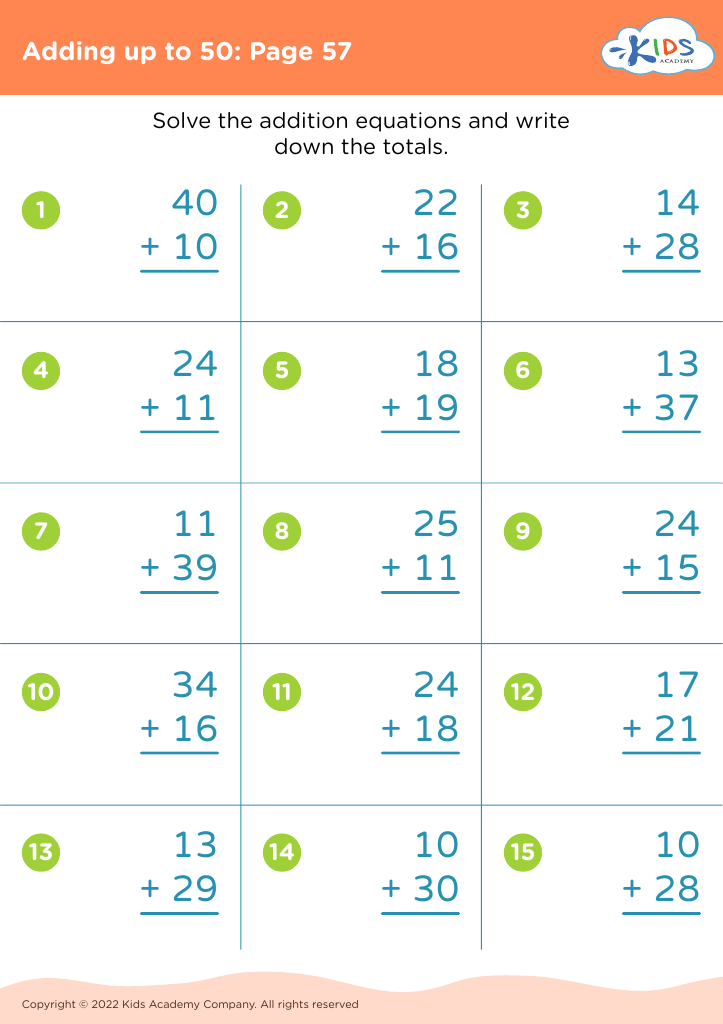
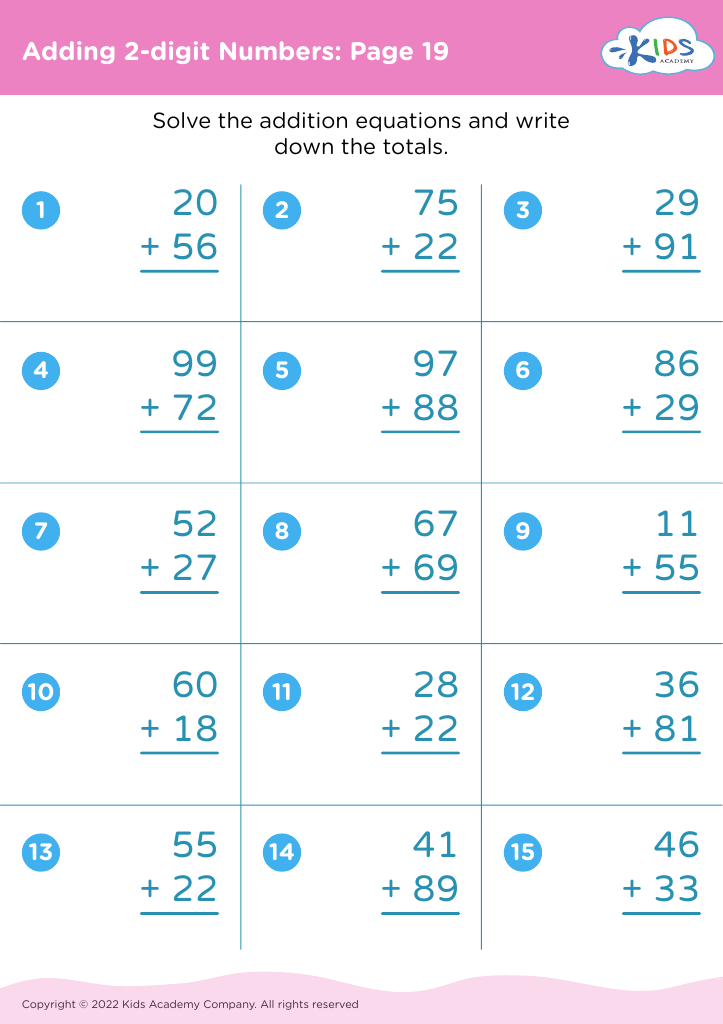








Enhancing vocabulary skills, particularly in the context of addition and subtraction for children ages 8-9, is crucial for a holistic learning experience. At this developmental stage, students not only refine their mathematical abilities but also expand their language skills, fostering better communication and comprehension. Strong vocabulary enables children to articulate mathematical concepts, understand word problems, and grasp the language of math, which is essential for critical thinking and problem-solving.
When teachers and parents prioritize vocabulary development alongside math skills, they equip children to navigate complex concepts more effectively. Terms like "sum," "difference," "total," and "greater than" carry significant meaning and understanding them empowers students to interpret instructions accurately and engage more deeply with content.
Additionally, robust vocabulary enhances overall literacy, contributing to better performance across subjects. A solid language foundation helps children explain their thinking processes, collaborate with peers, and articulate their strategies, promoting a more interactive learning environment. Ultimately, by caring about enhancing vocabulary in math, educators and parents pave the way for well-rounded development, fostering confident learners who can tackle challenges in and out of the classroom. This combination of language and math skills lays a strong foundation for future academic success.








