
Fraction Addition Addition & Subtraction Worksheets for Ages 8-9
14 filtered results
Difficulty Level
Grade
Age
-
From - To
Subject
Activity
Standards
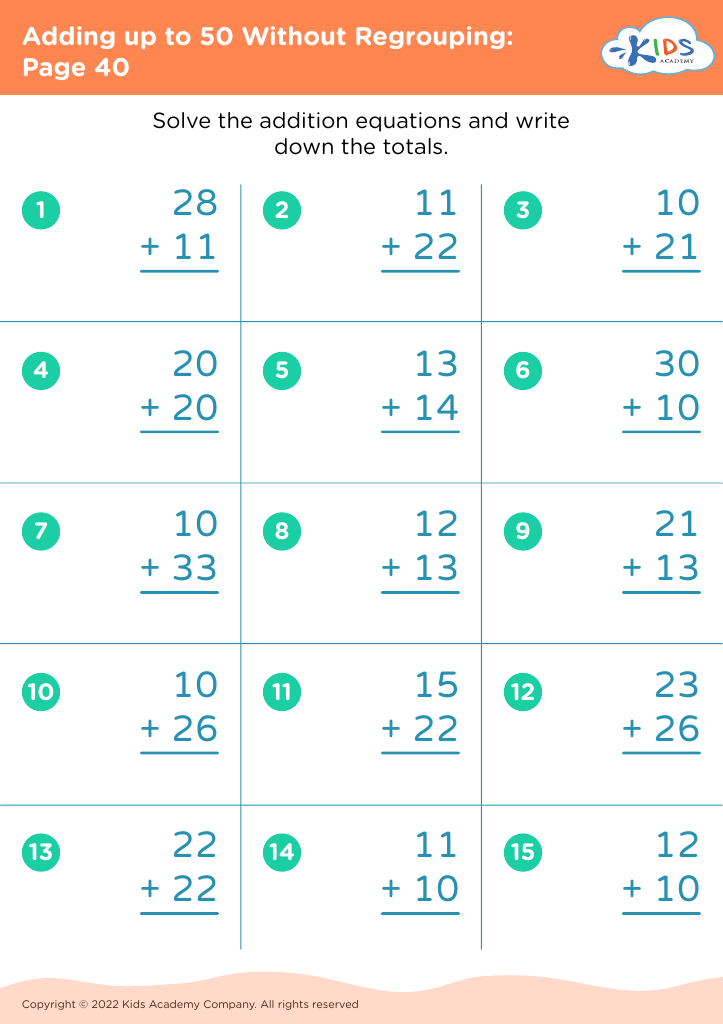
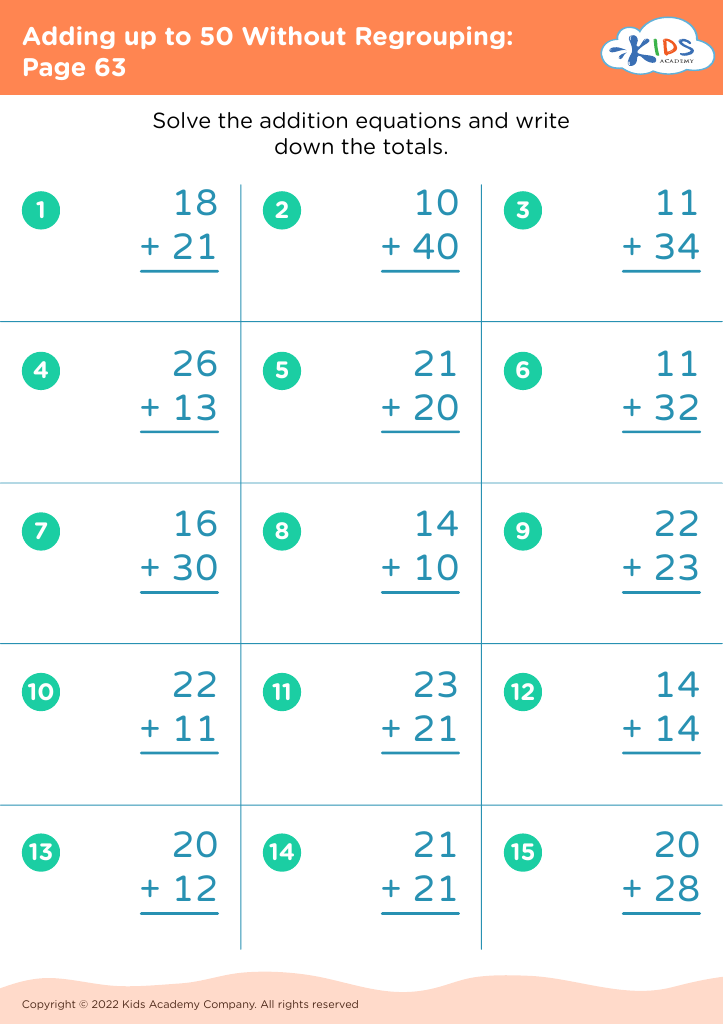
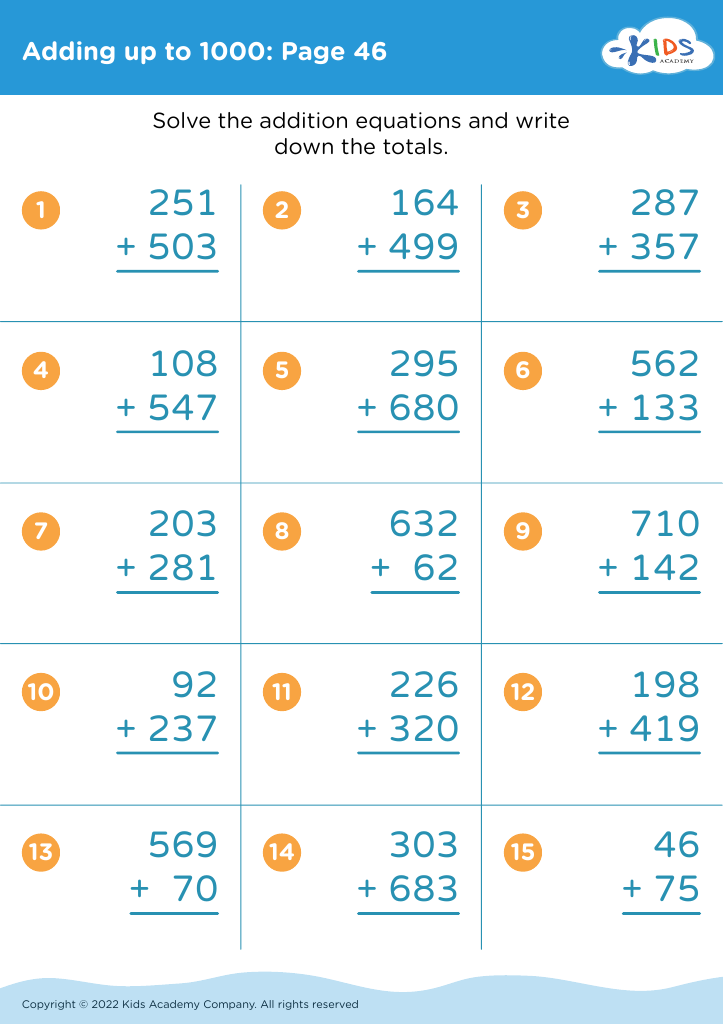
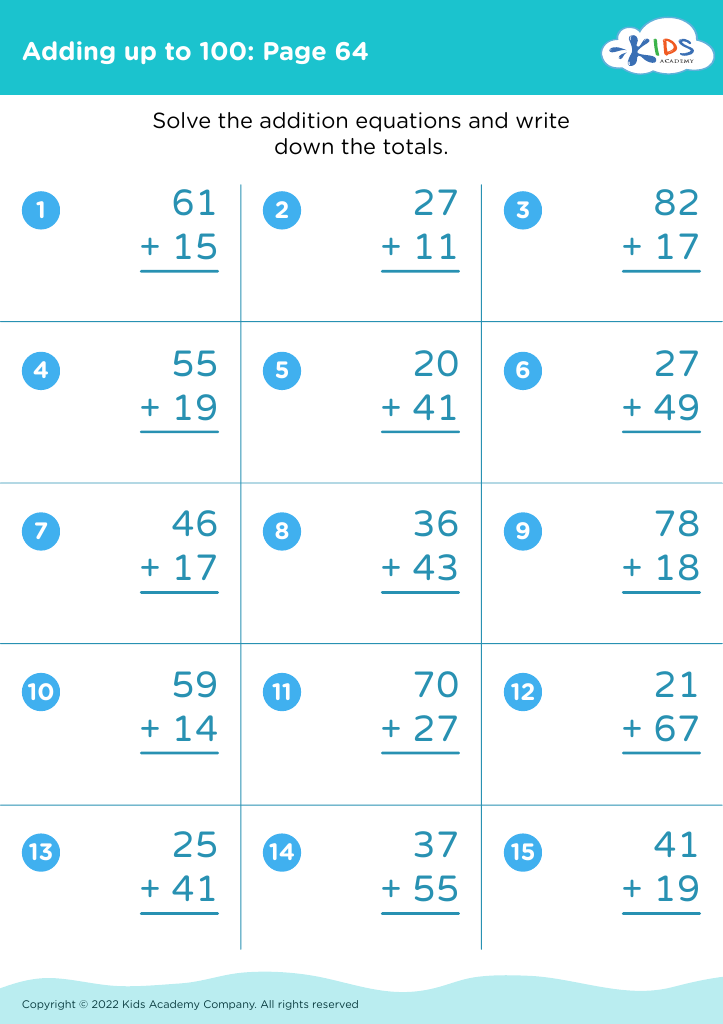
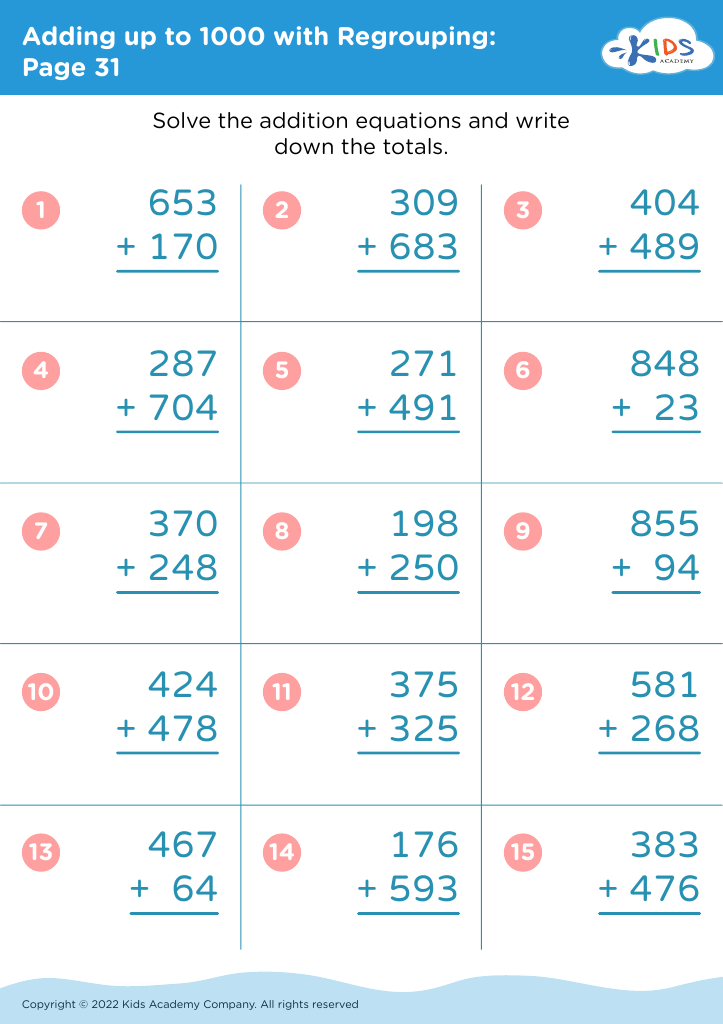
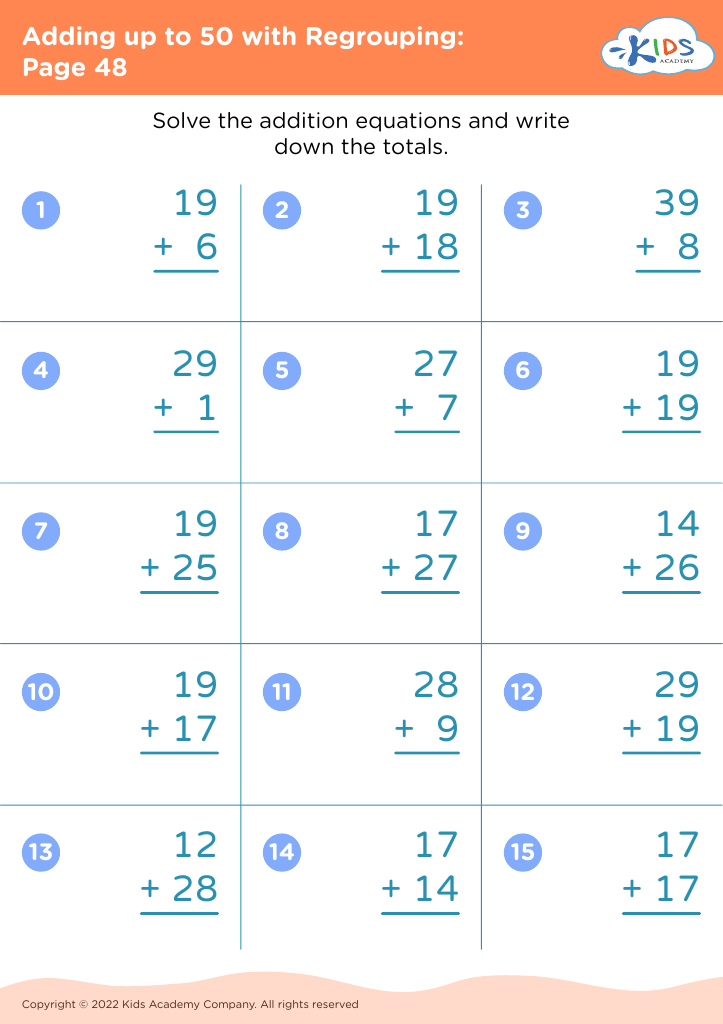
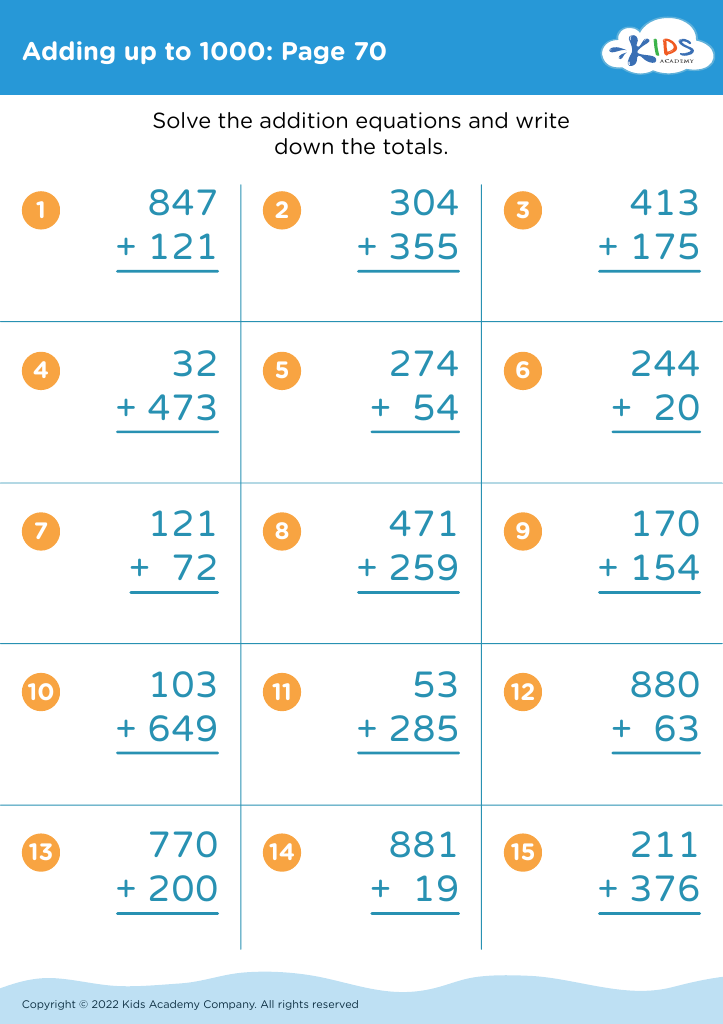
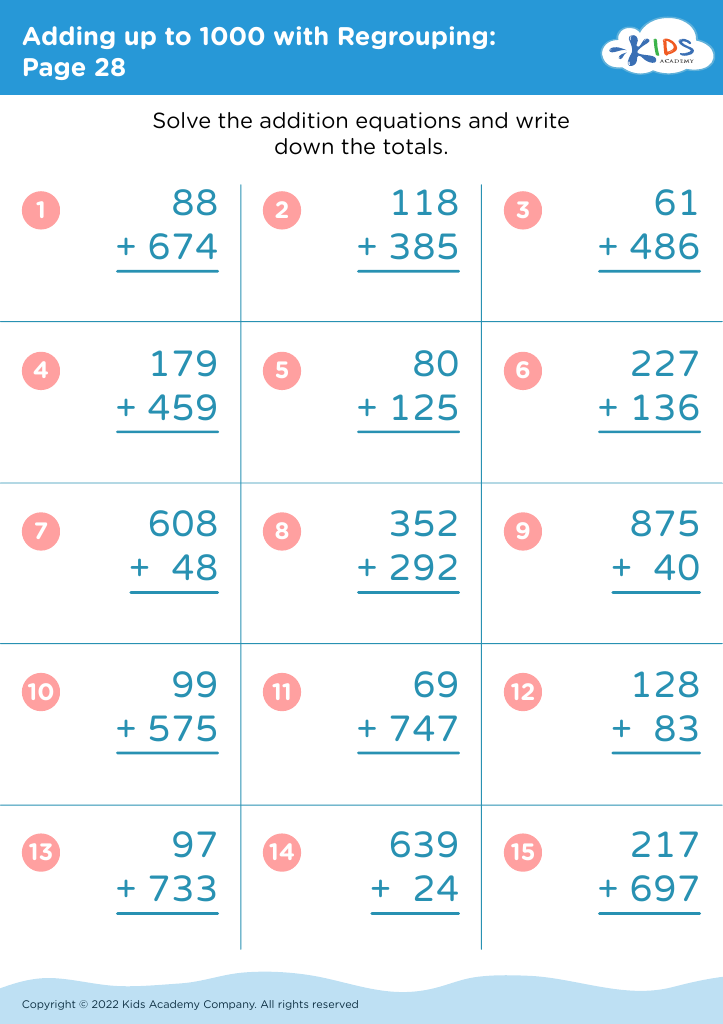
Explore our engaging "Fraction Addition & Subtraction Worksheets" designed specifically for children ages 8-9. These interactive worksheets help young learners grasp the concept of fractions while mastering addition and subtraction. Each worksheet offers a variety of problems that cater to different skill levels, ensuring that every student can build confidence and competence in fractions. Perfect for classroom use or homework practice, our resources seamlessly combine fun with learning, making math enjoyable. With clear explanations and vibrant illustrations, your child will not only improve their math skills but also foster a love for learning. Dive into the world of fractions today!
Favorites
With answer key
Interactive
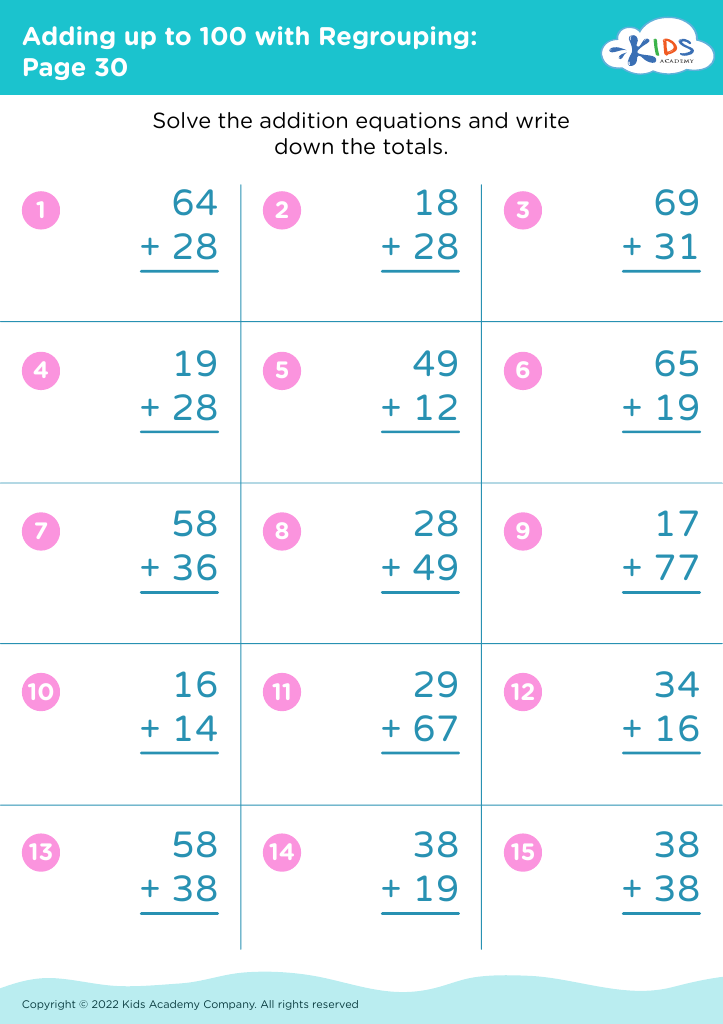
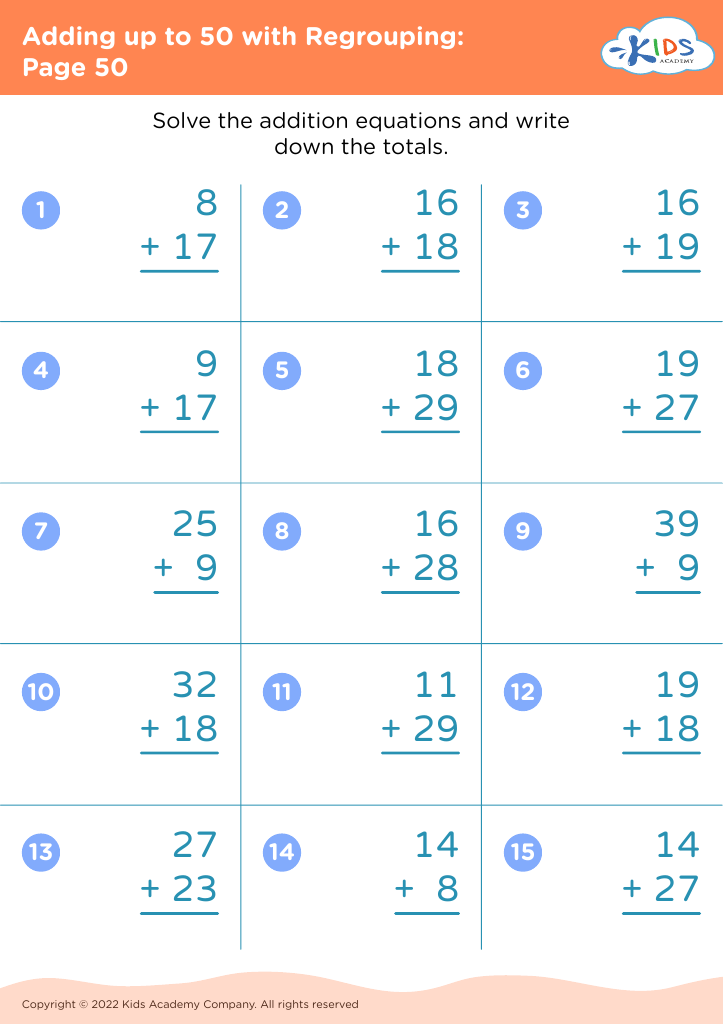
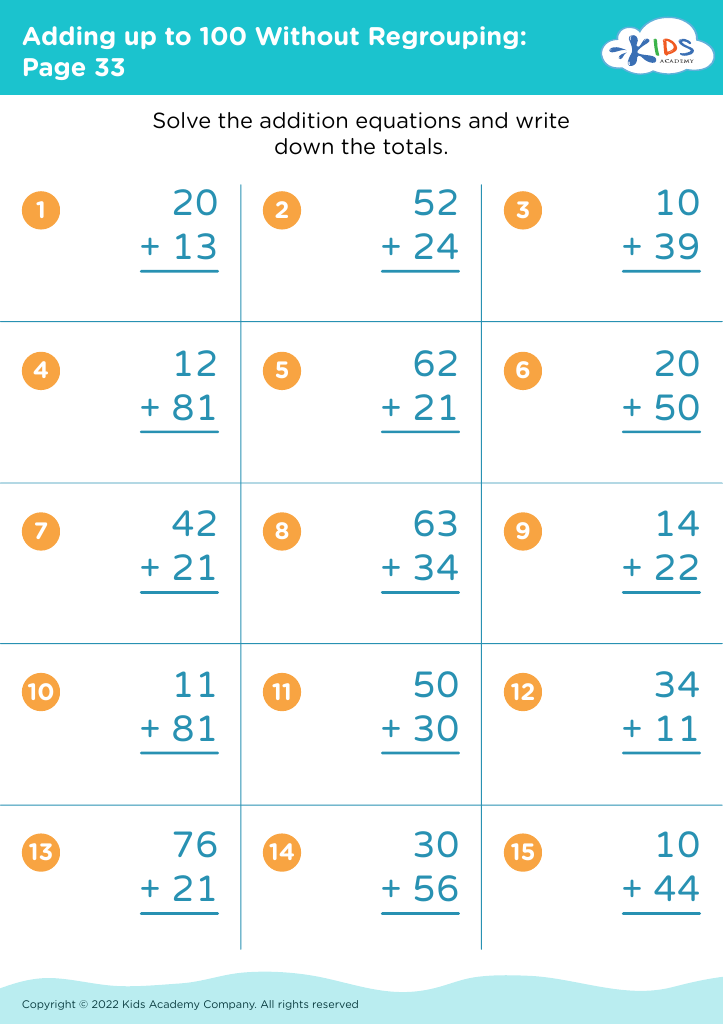
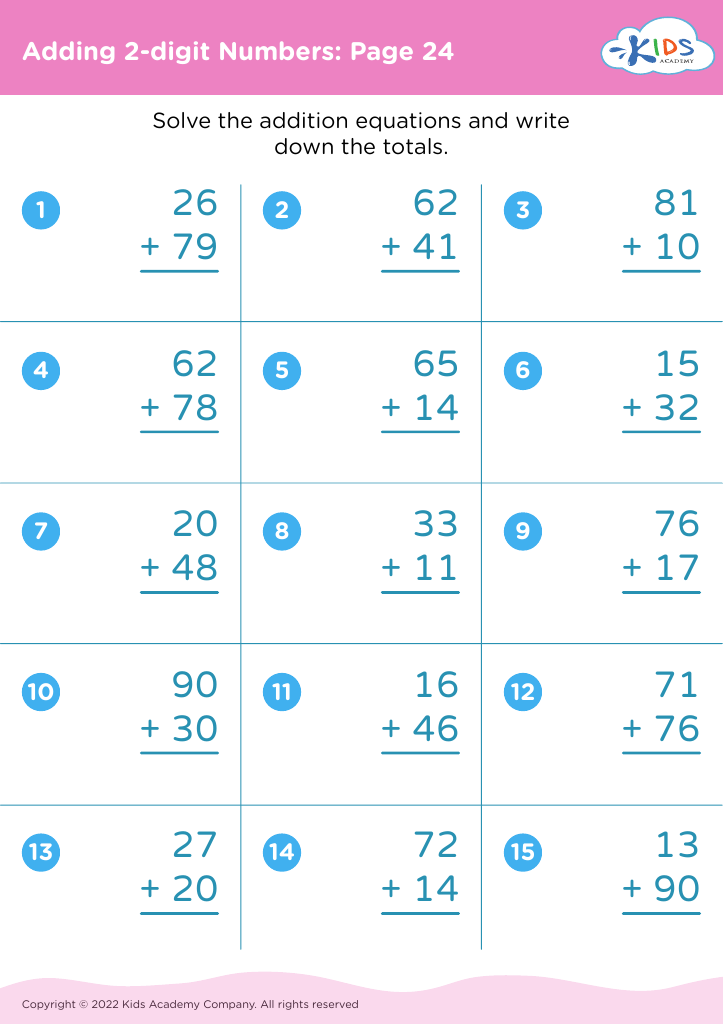
Join Kids Academy for Free
Who is primarily going to use this learning content?








Understanding fraction addition and subtraction is crucial for children aged 8-9, as it develops essential mathematical skills that are foundational for future learning. This age marks a pivotal time when students transition from basic arithmetic to more complex operations, making it vital that they grasp fractions.
Parents and teachers should be concerned with this topic because mastery of fraction addition and subtraction builds critical thinking skills. Fractions are not only critical in basic math but also in real-life situations, such as cooking, budgeting, and dividing resources. Additionally, these skills bridge into other important concepts like ratios, proportions, and decimals, ensuring students are well-prepared for higher-level math classes.
Being proficient in fractions enhances a child's confidence in their analytical abilities and overall school performance. Furthermore, as educators and caregivers, fostering a supportive environment where children can explore and practice these new concepts is essential. Engaging children with hands-on activities, visual aids, and real-world applications can greatly enhance their understanding and retention. Ultimately, promoting an early and thorough understanding of fraction addition and subtraction helps establish a strong mathematical foundation, encouraging lifelong learning and curiosity in mathematics.








