Identifying equivalent fractions Addition & Subtraction Worksheets for Ages 8-9
7 filtered results
-
From - To
Unlock your child’s math potential with our "Identifying Equivalent Fractions Addition & Subtraction Worksheets" designed specifically for ages 8-9! These engaging and interactive worksheets help young learners recognize and understand equivalent fractions, setting a strong foundation for future math success. Through carefully crafted exercises, students will practice adding and subtracting fractions, enhancing their skills in a fun, approachable way. Our worksheets promote critical thinking and reinforce key concepts, making learning enjoyable. Perfect for classroom use, homeschooling, or supplementary practice, these resources are an essential tool for helping children excel in math. Dive in and watch your child's confidence soar!
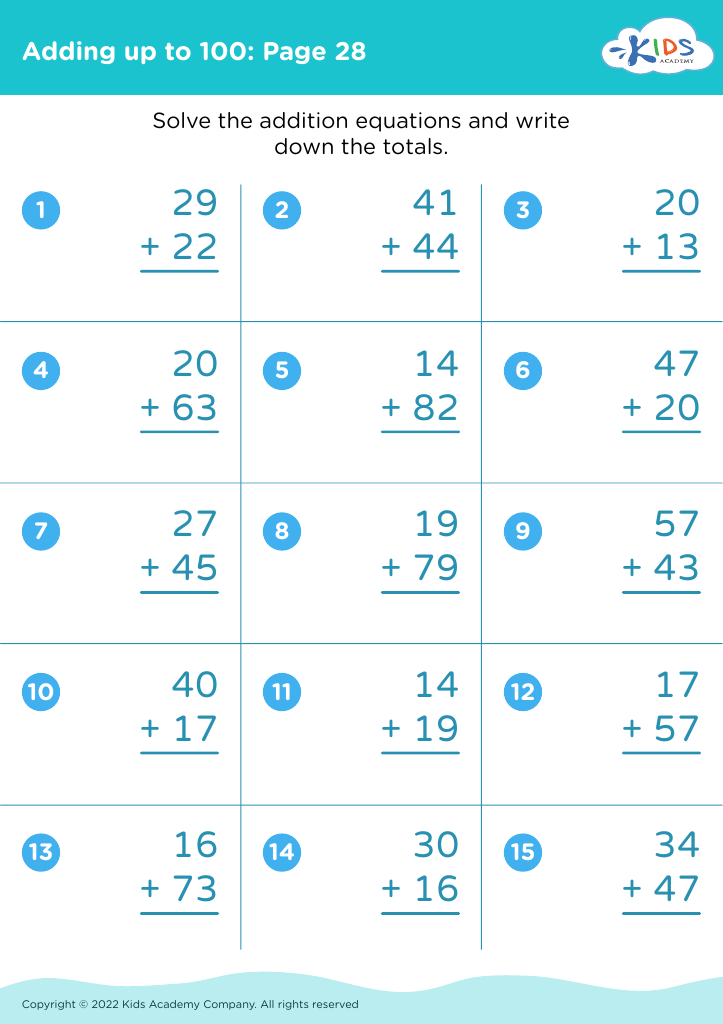
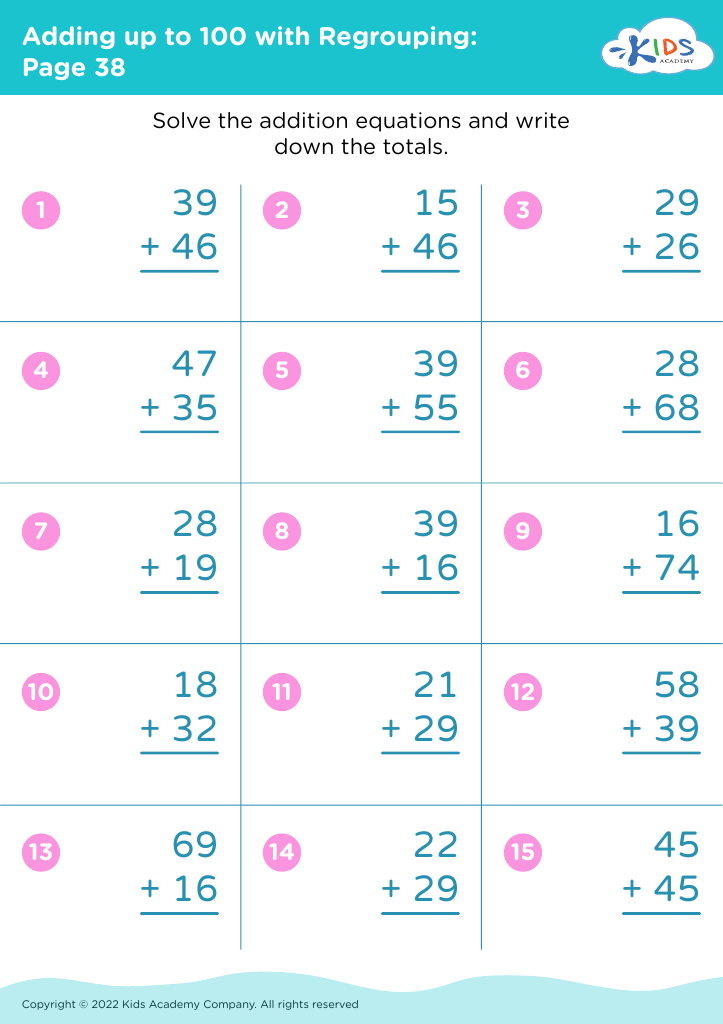
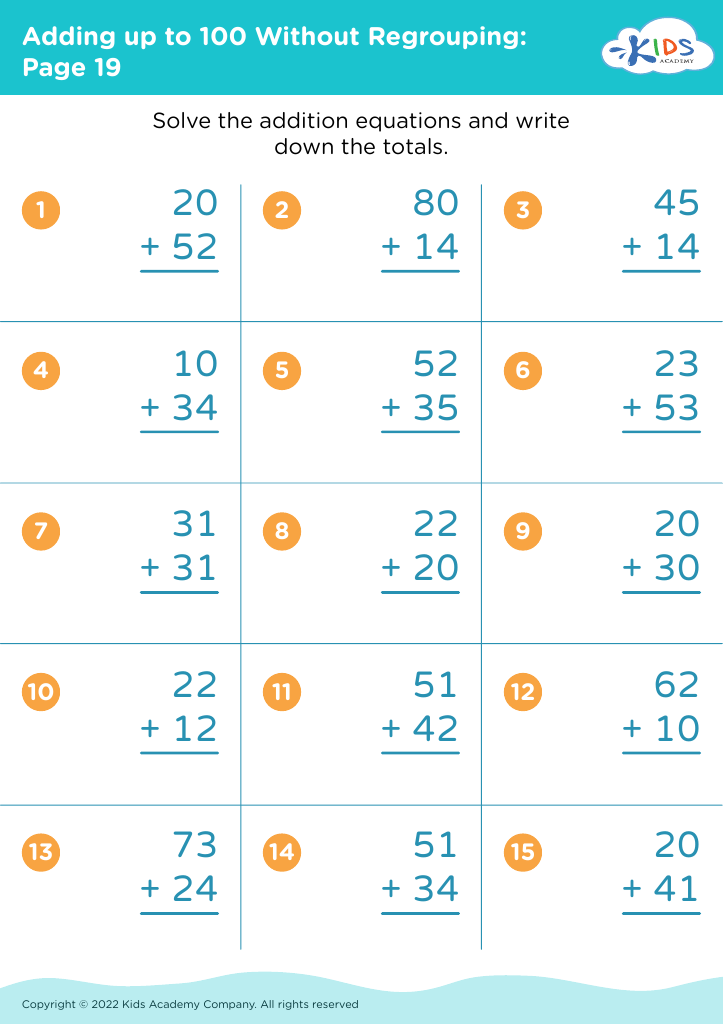
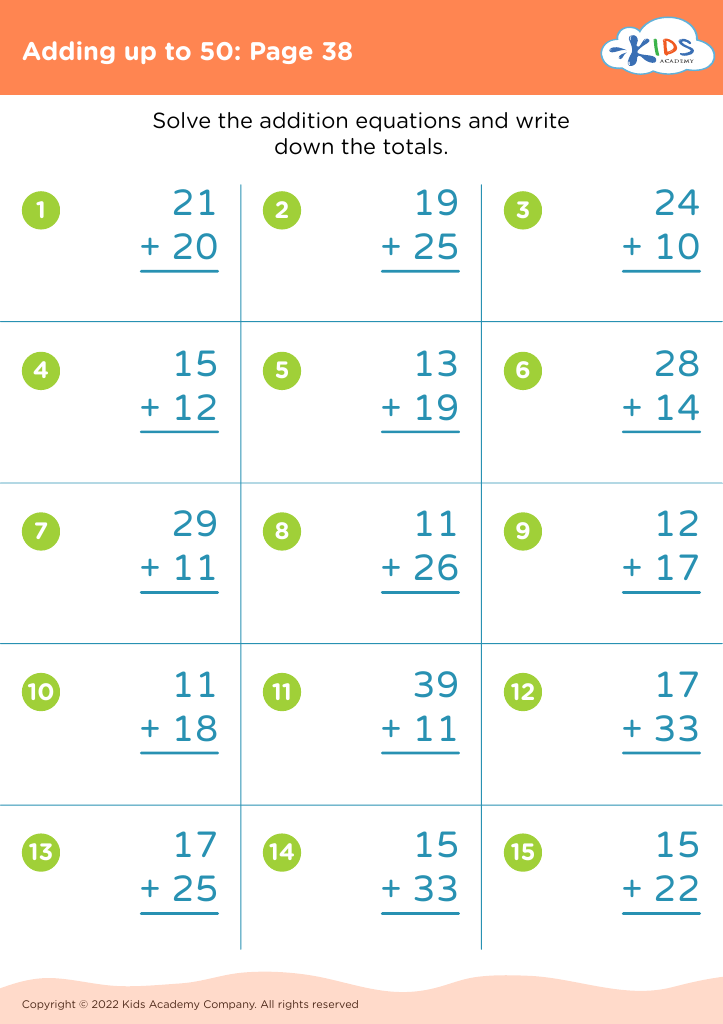
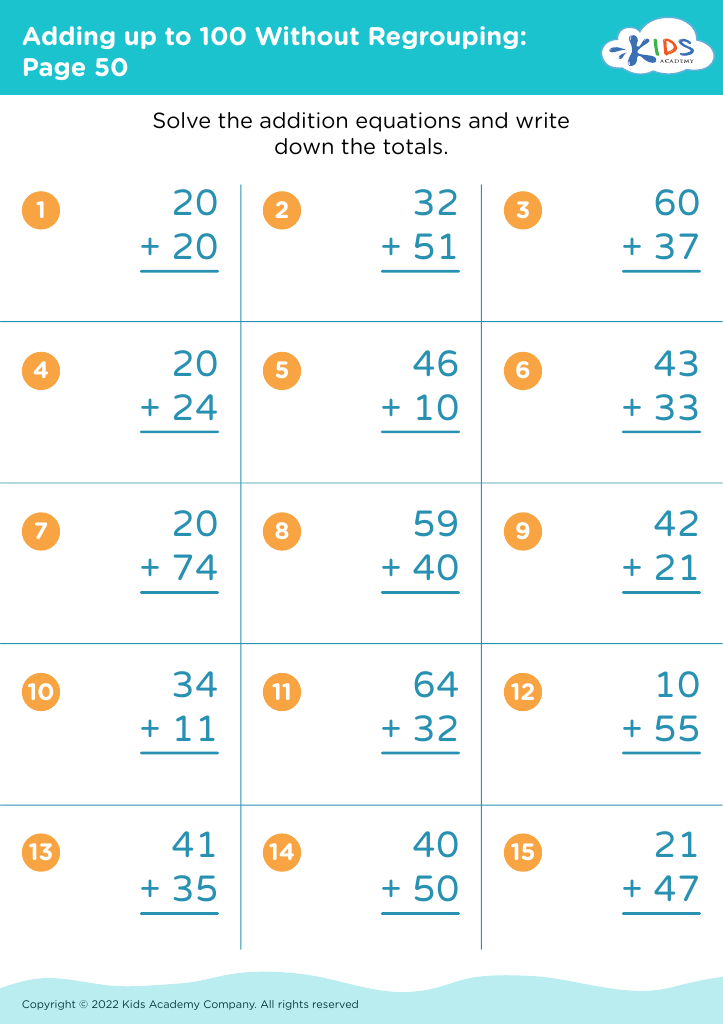
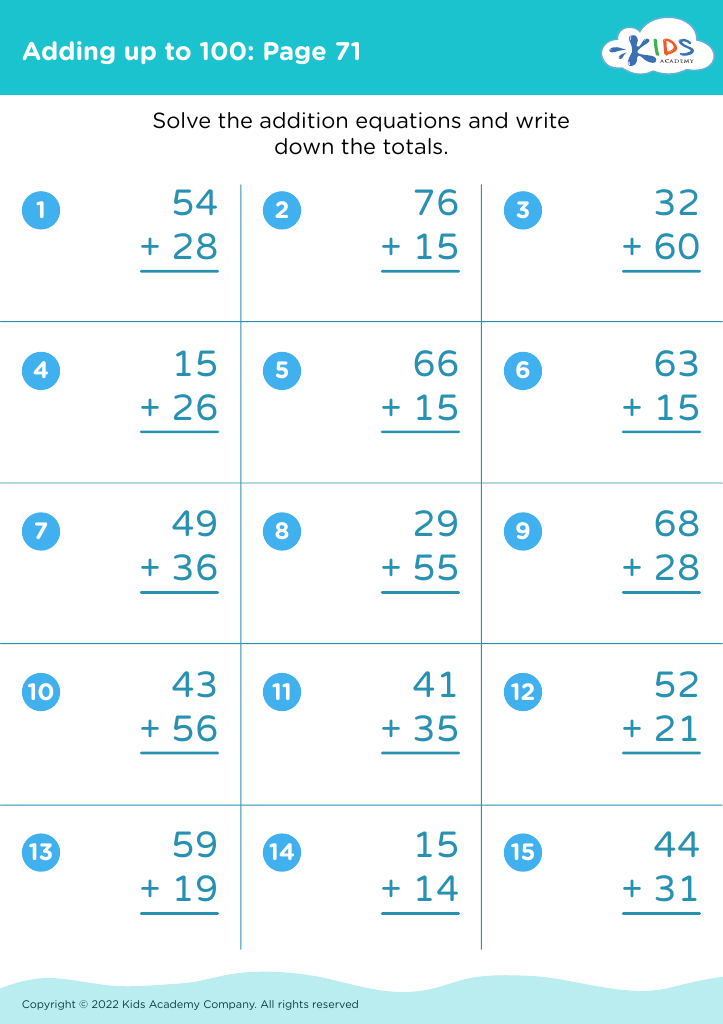
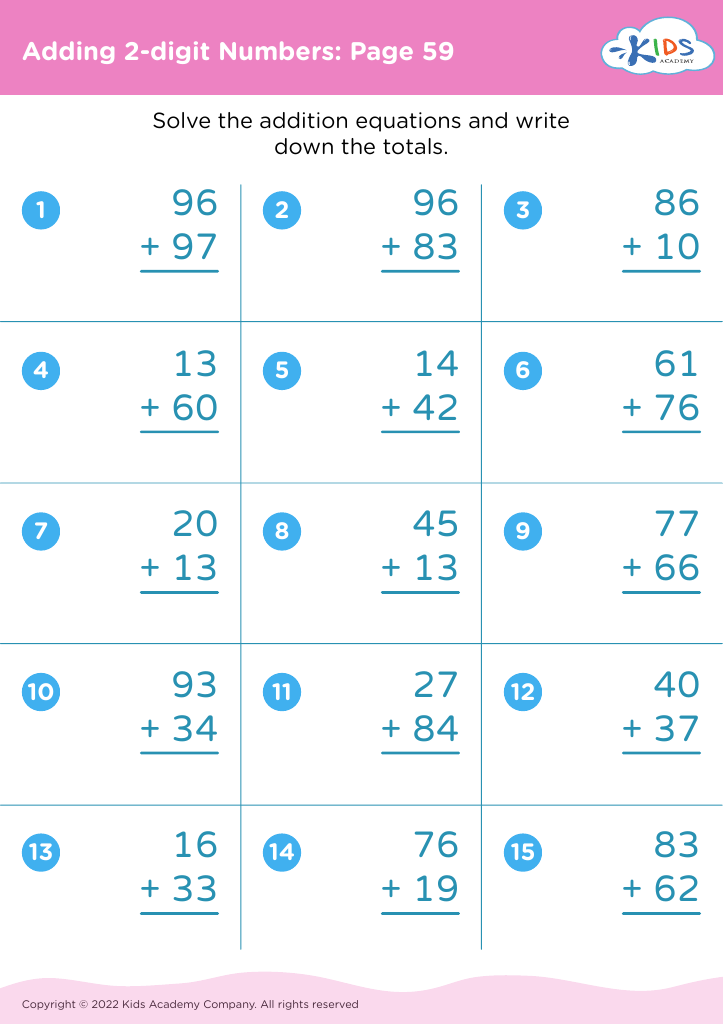








Understanding equivalent fractions, especially in the context of addition and subtraction, is crucial for children aged 8-9, as it forms a foundational skill for their future in mathematics. Parents and teachers should care because recognizing equivalent fractions enables students to grasp more complex concepts, such as fractions operations, with greater ease.
When children learn that different fractions can represent the same value (like 1/2 is equivalent to 2/4), they gain a sense of flexibility in numerical reasoning. This flexibility is essential when adding or subtracting fractions, particularly when dealing with unlike denominators. By mastering this skill, children can successfully combine fractions into a single, simplified form, thus building their confidence and mathematical fluency.
Additionally, comprehension of equivalent fractions reinforces critical problem-solving skills. It encourages analytical thinking as children explore relationships between numbers. As they encounter real-life scenarios that involve fractions—cooking, measuring, or sharing—they become more adept at applying their knowledge practically. Ultimately, proficiency in identifying equivalent fractions helps cultivate a positive attitude towards mathematics, setting the stage for ongoing success as they advance in their studies. Engaging with this concept is crucial for developing lifelong learners who approach challenges with perseverance and skill.








