Identifying fractions Addition & Subtraction Worksheets for Ages 8-9
4 filtered results
-
From - To
Help your child master fractions with our engaging "Identifying Fractions Addition & Subtraction Worksheets" for ages 8-9. These expertly crafted worksheets from Kids Academy offer a fun, interactive way for third graders to build confidence in adding and subtracting fractions. Designed to align with common core standards, each worksheet simplifies challenging concepts through step-by-step guidance and colorful visuals. Perfect for classroom use or at-home practice, these worksheets ensure children grasp crucial math skills while enjoying the process. Empower your little learner with the tools they need for a solid foundation in fractions. Explore now and make learning fun!
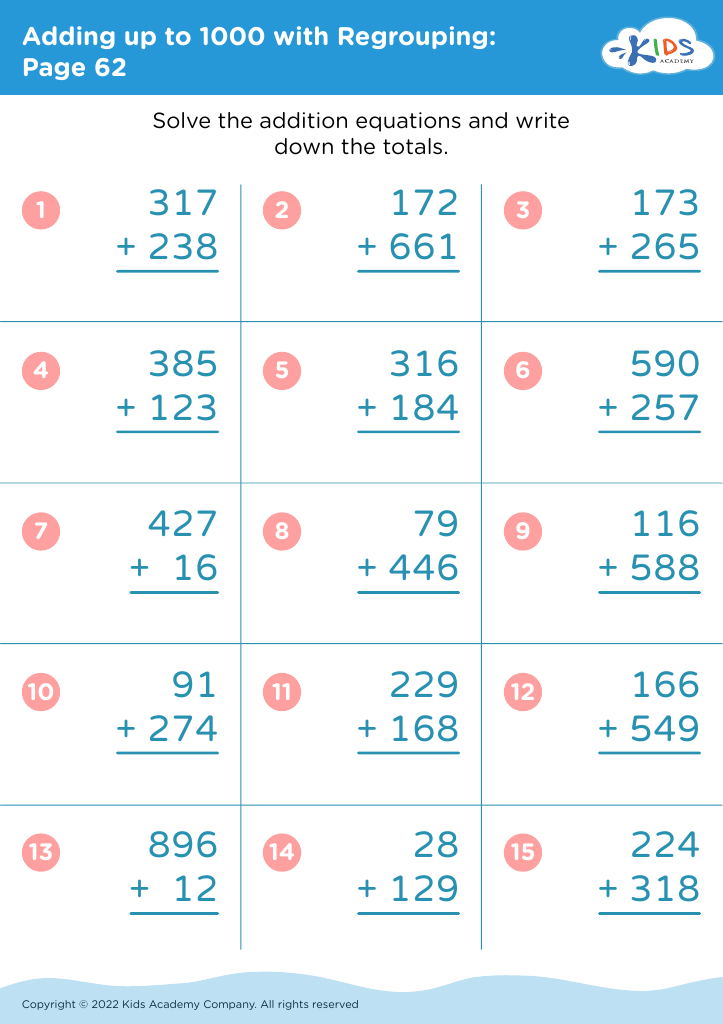
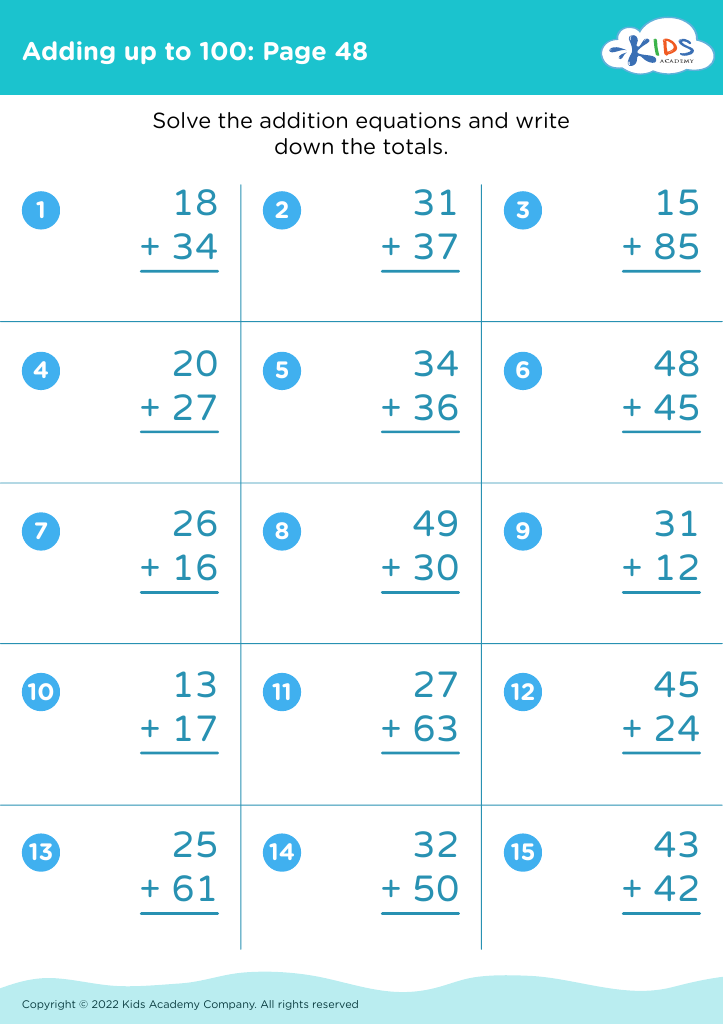
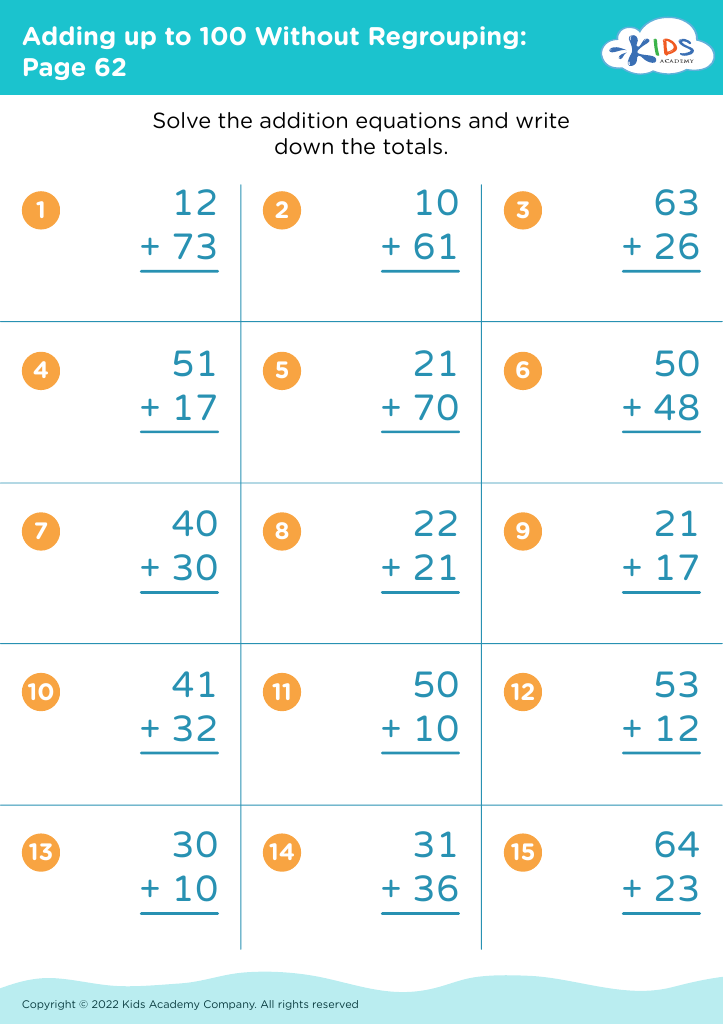
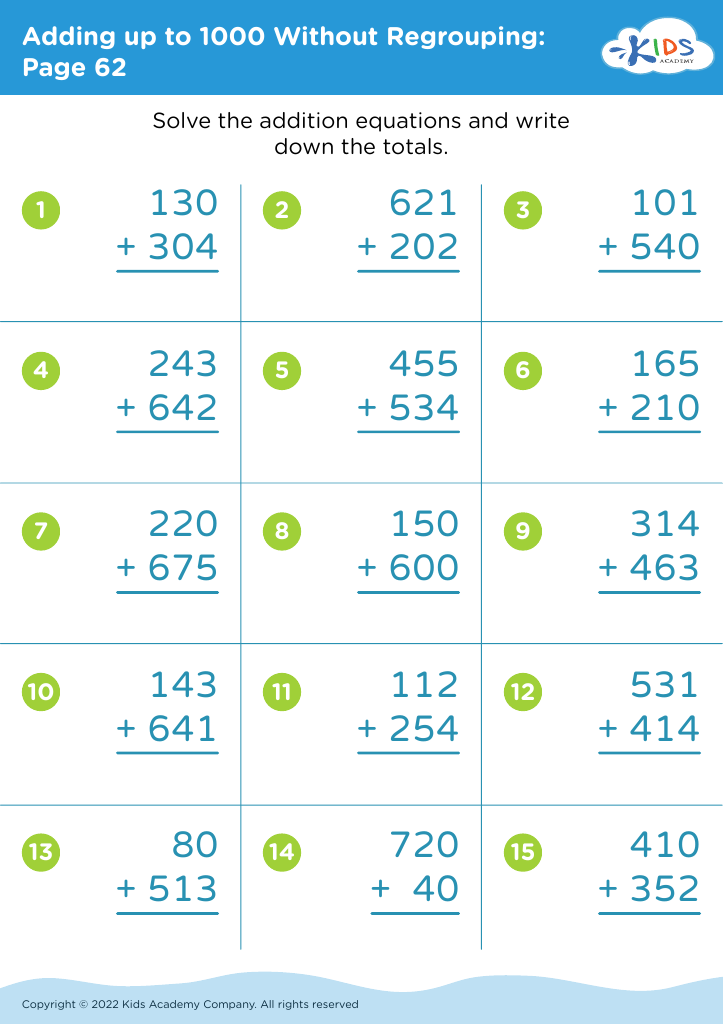








Identifying and mastering fractions, addition, and subtraction at ages 8-9 is crucial for children's math development, and parents and teachers should pay keen attention to this. During this developmental stage, children transition from concrete to abstract thinking in math, making it the ideal time to introduce concepts like fractions. Understanding fractions is foundational for more advanced math topics such as ratios, percentages, and algebra. Learning to add and subtract fractions equips children with critical problem-solving skills and enhances their number sense, promoting a deeper comprehension of mathematical relationships.
Moreover, grasping these concepts early can boost children's confidence in their abilities, fostering a positive attitude toward math. It can help prevent future struggles, as gaps in understanding fractions can lead to difficulties in higher grades. For parents, being involved in this learning process strengthens the parent-child relationship and reinforces learning at home. For teachers, focusing on these skills ensures that curricula build appropriately upon each foundational step, creating a more cohesive and effective learning experience.
In ensuring children are proficient in fractions, addition, and subtraction, parents and teachers lay the groundwork for academic success, critical thinking, and effective daily life problem-solving, such as cooking and budgeting. This investment in early math skills pays significant dividends as children progress through their education and daily lives.








