Learn subtraction Addition & Subtraction Worksheets for Ages 8-9
4 filtered results
-
From - To
Explore our engaging Addition and Subtraction Worksheets designed specifically for children aged 8-9! These carefully crafted resources help young learners master essential math skills through fun activities and clear explanations. Students will practice subtraction concepts alongside related addition problems, reinforcing their understanding of numbers. Each worksheet incorporates various interactive elements designed to keep kids motivated while enhancing their computational skills. Perfect for classroom use or at-home learning, these worksheets cater to diverse learning styles and promote confidence in math. Empower your child to succeed in mathematics with our thoughtfully structured materials! Visit our page to access these valuable resources today.
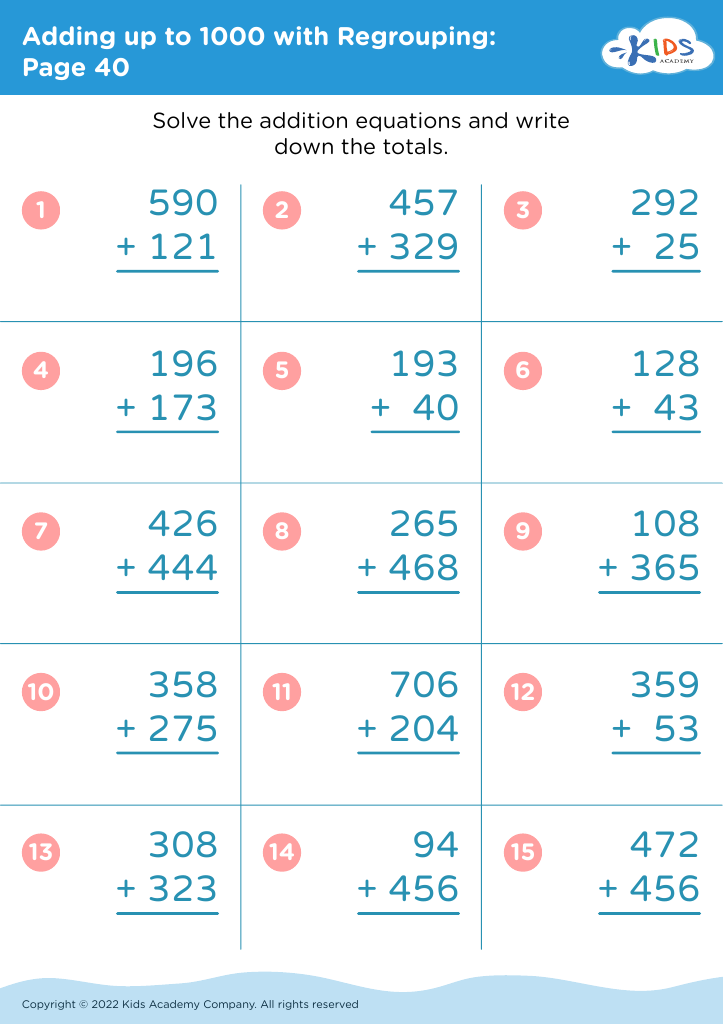
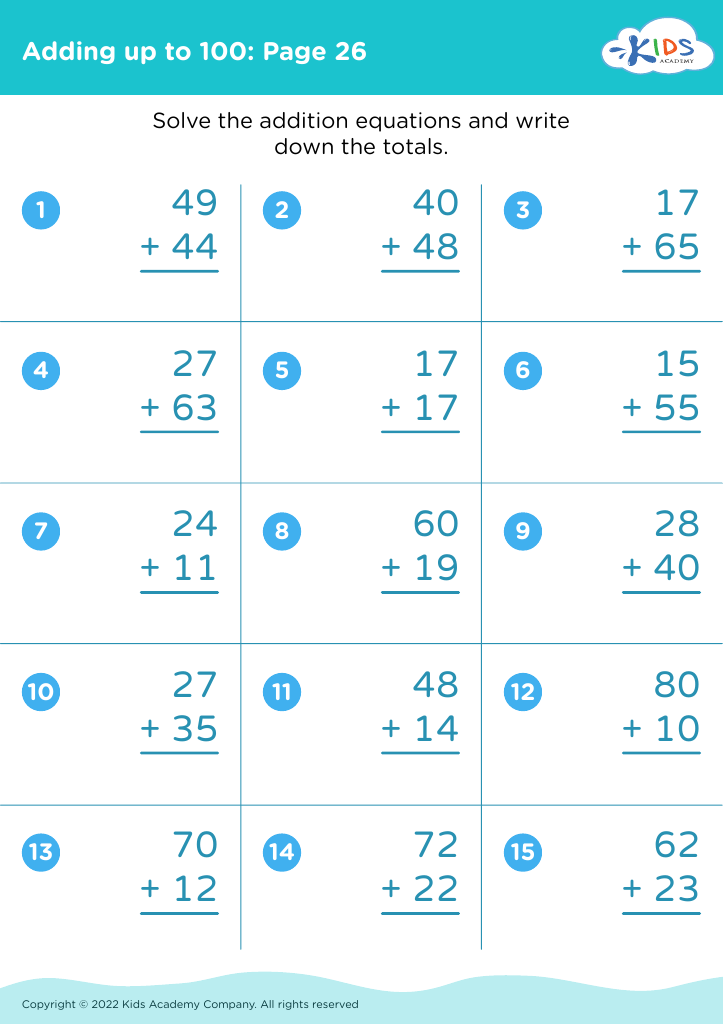
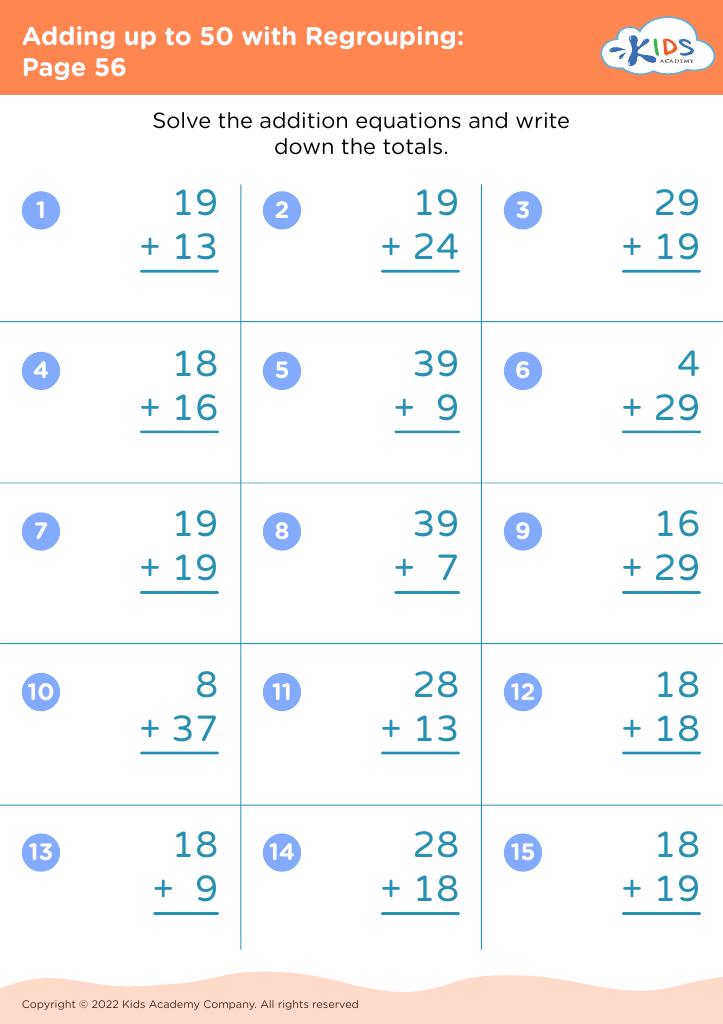
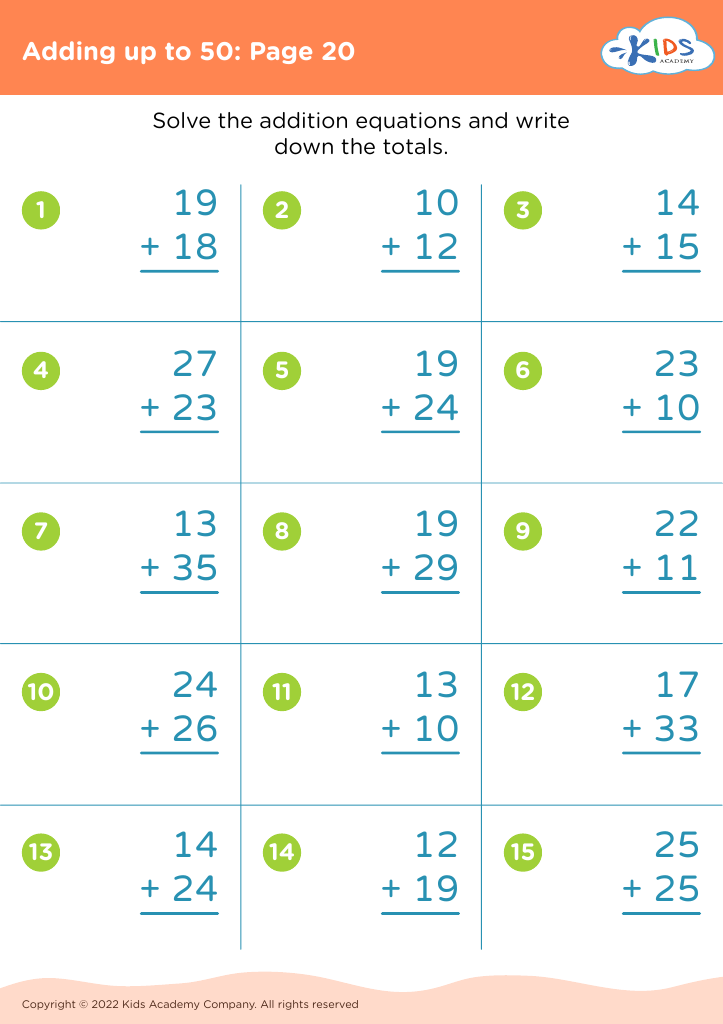








Teaching addition and subtraction to children aged 8-9 is crucial for their cognitive and social development. At this age, students are transitioning from basic arithmetic to more complex mathematical concepts, which act as building blocks for future learning in not just math but also science and engineering. Understanding the principles of addition and subtraction fosters critical thinking and problem-solving skills.
Moreover, these fundamental operations are not isolated skills; they are intricately linked to everyday life. Kids use addition and subtraction during grocery shopping, budgeting, and even playing games, making these skills practical and applicable. Strong arithmetic skills also build confidence, allowing children to approach challenging problems with a positive mindset.
Teacher and parental involvement in mastering these concepts can significantly influence a child's academic performance and attitudes towards math. Encouragement and support at home create a rich learning environment that reinforces what is learned in the classroom. Also, recognizing and addressing any difficulties early on can prevent long-term math anxiety. Ultimately, developing a solid foundation in addition and subtraction sets children on a successful path in their education, equipping them with the tools necessary for lifelong learning. Investing time in these key skills is essential for nurturing capable and confident learners.








