Logical thinking development Addition & Subtraction Worksheets for Ages 8-9
9 filtered results
-
From - To
Enhance your child's logical thinking and math skills with our expertly designed Addition & Subtraction Worksheets for Ages 8-9. Presented by Kids Academy, these engaging worksheets offer a variety of fun and challenging exercises to build strong foundational skills in mathematics. Each carefully crafted sheet focuses on improving critical thinking, problem-solving abilities, and arithmetic fluency, making learning enjoyable and effective. Our worksheets cater to different learning styles, ensuring all young learners can grasp concepts confidently. Jumpstart your child's mathematical journey and logical reasoning with resources trusted by educators and parents alike.
Discover the world of math with Kids Academy today!
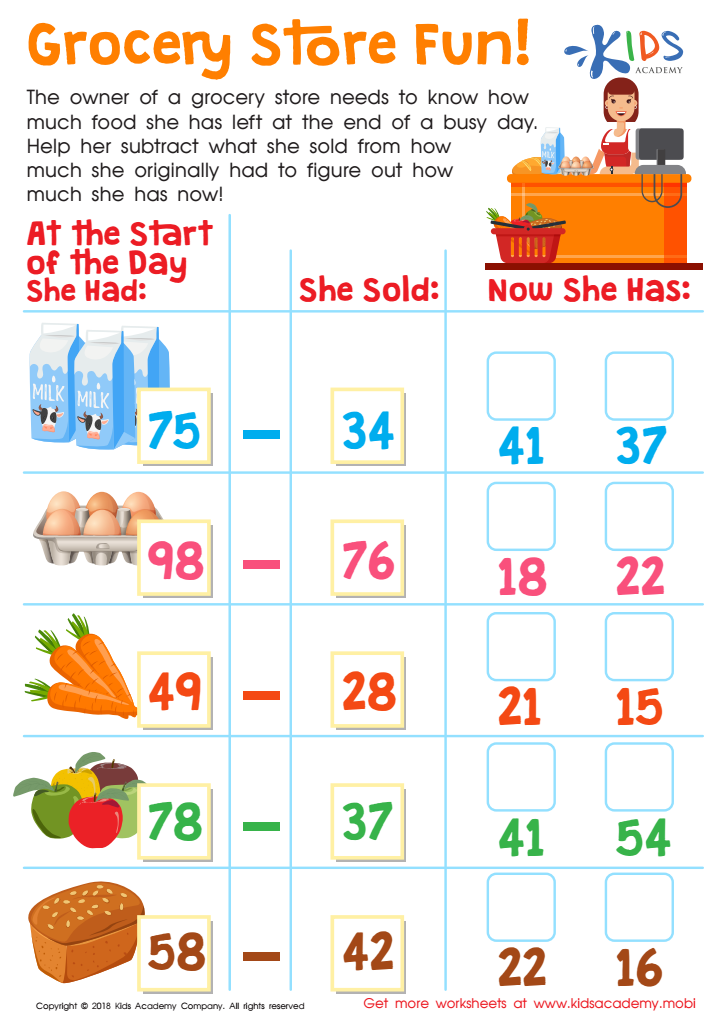
Grocery Store Fun! Worksheet
 Assign to My Students
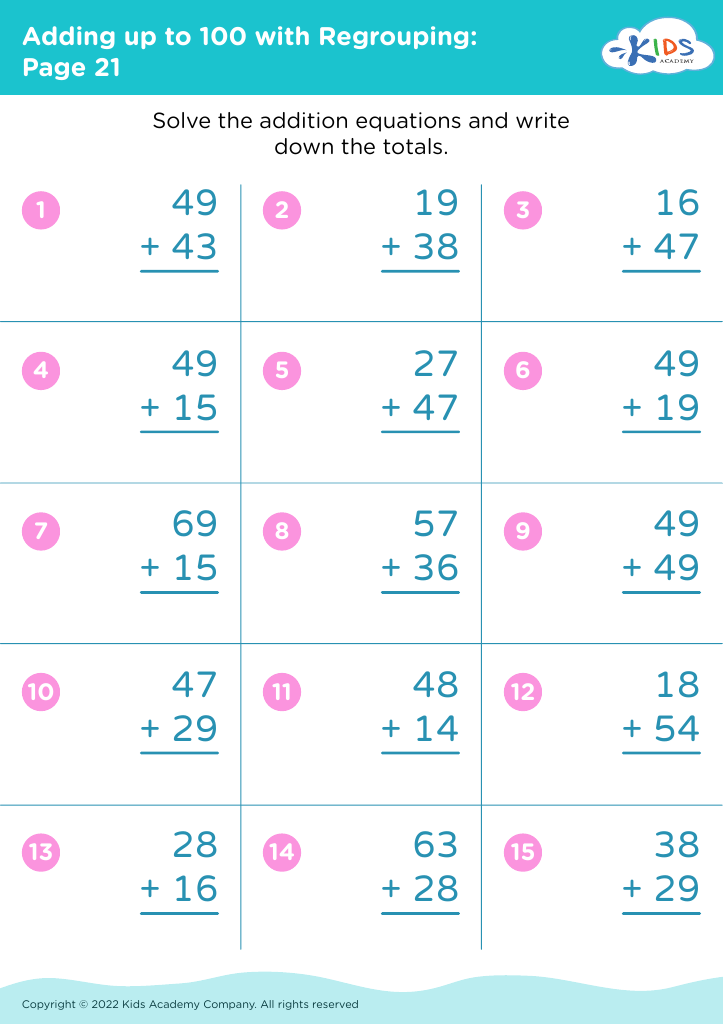
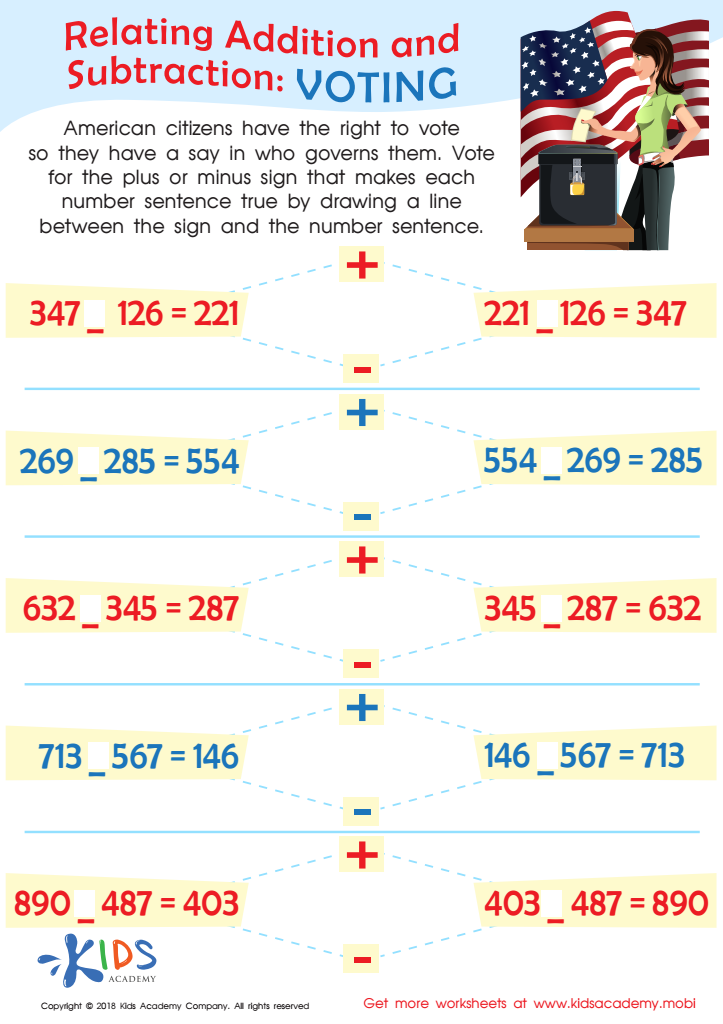
Voting Worksheet
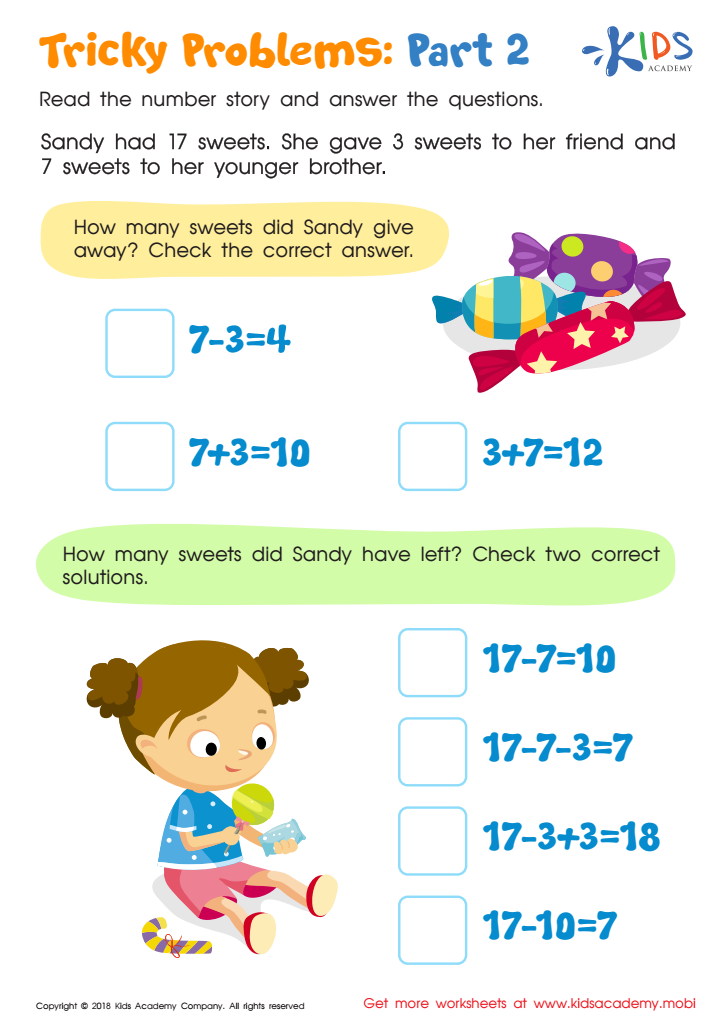
Tricky Problems Worksheet: Part 2
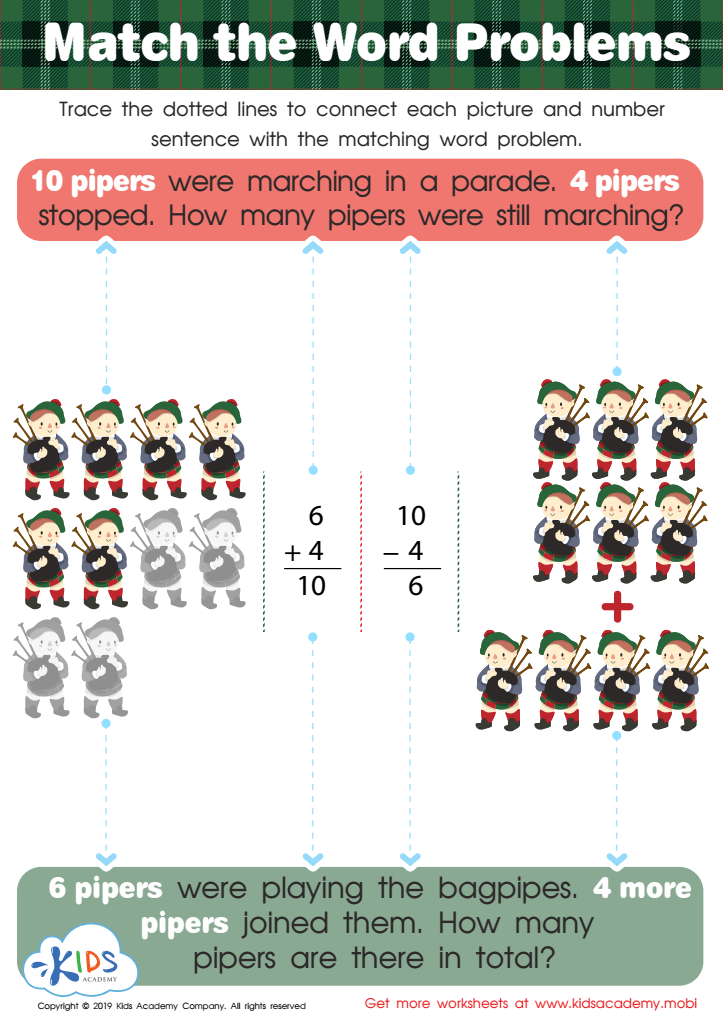
Match the Word Problems Worksheet
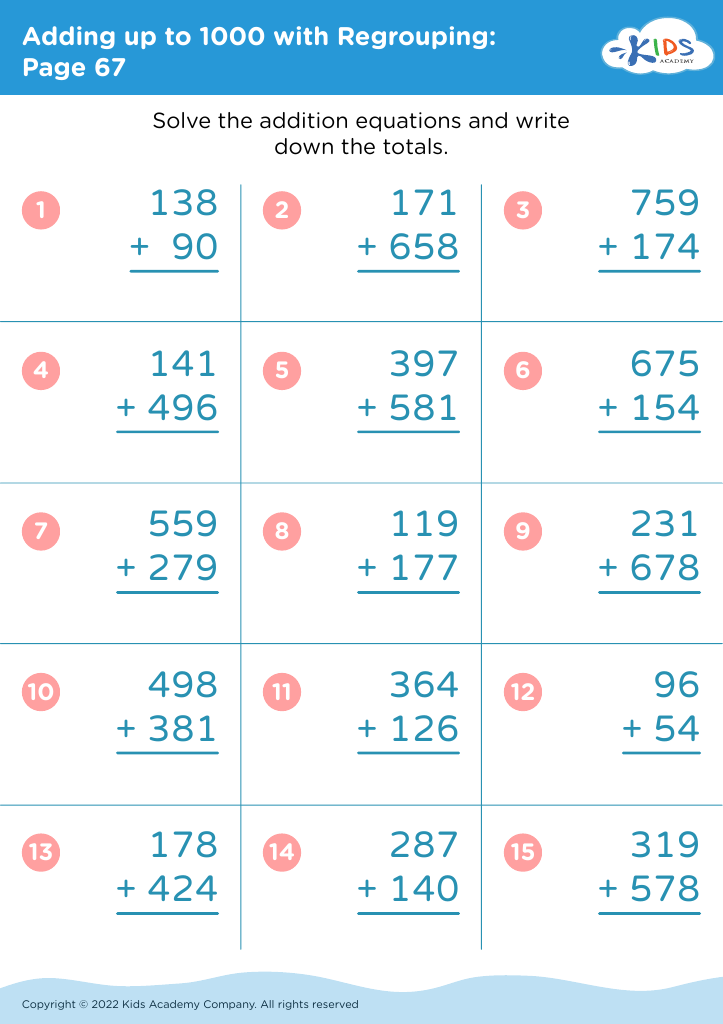
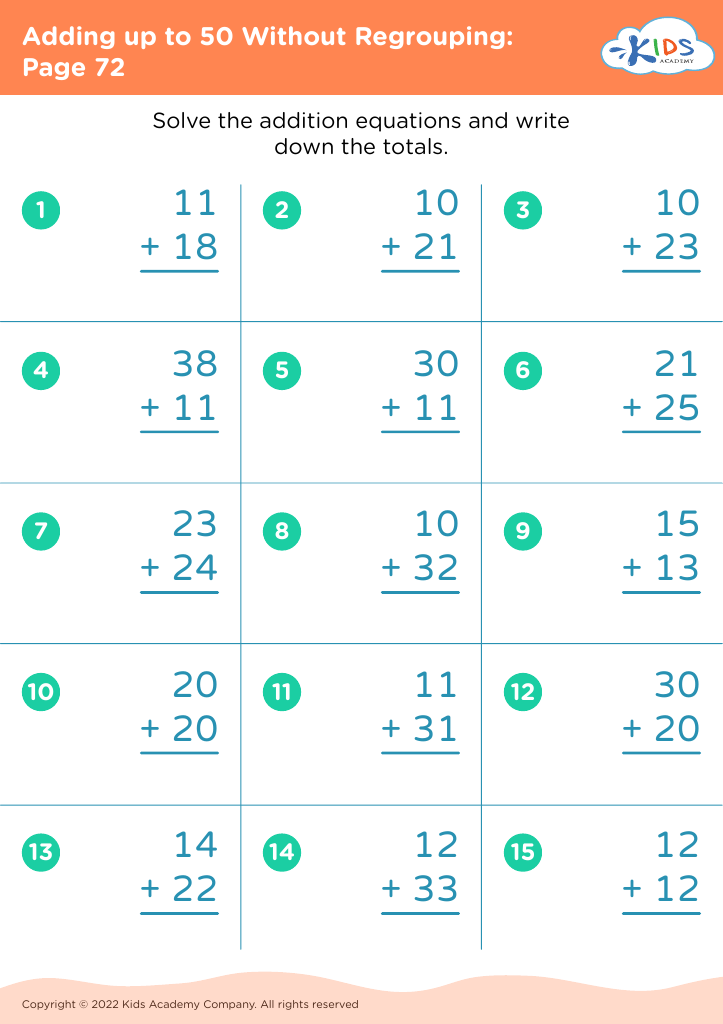
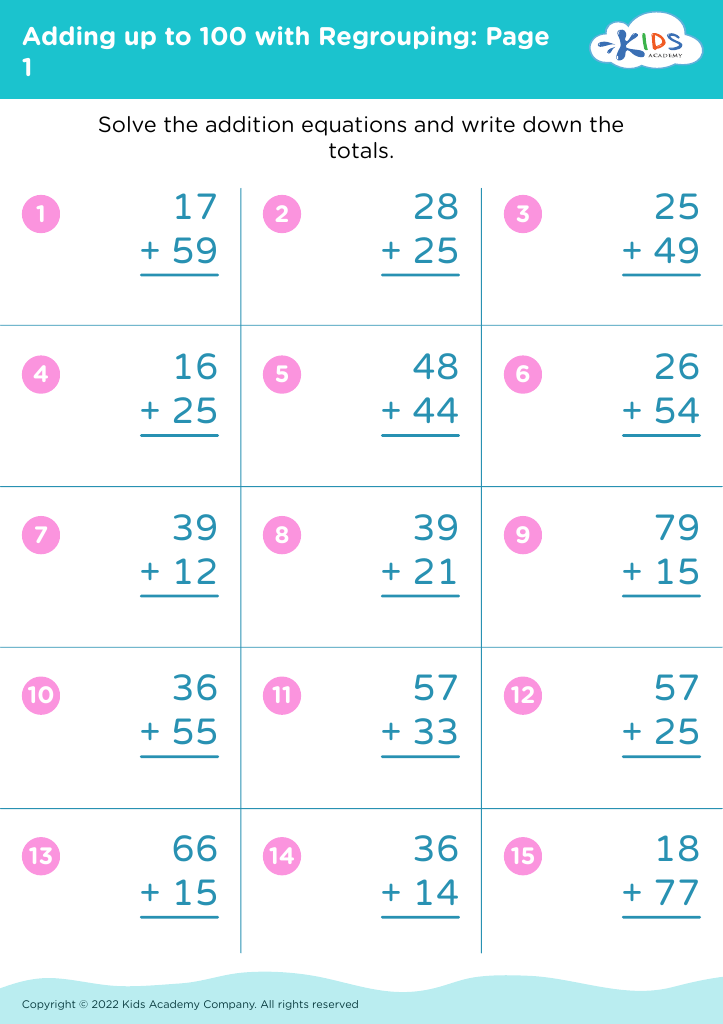
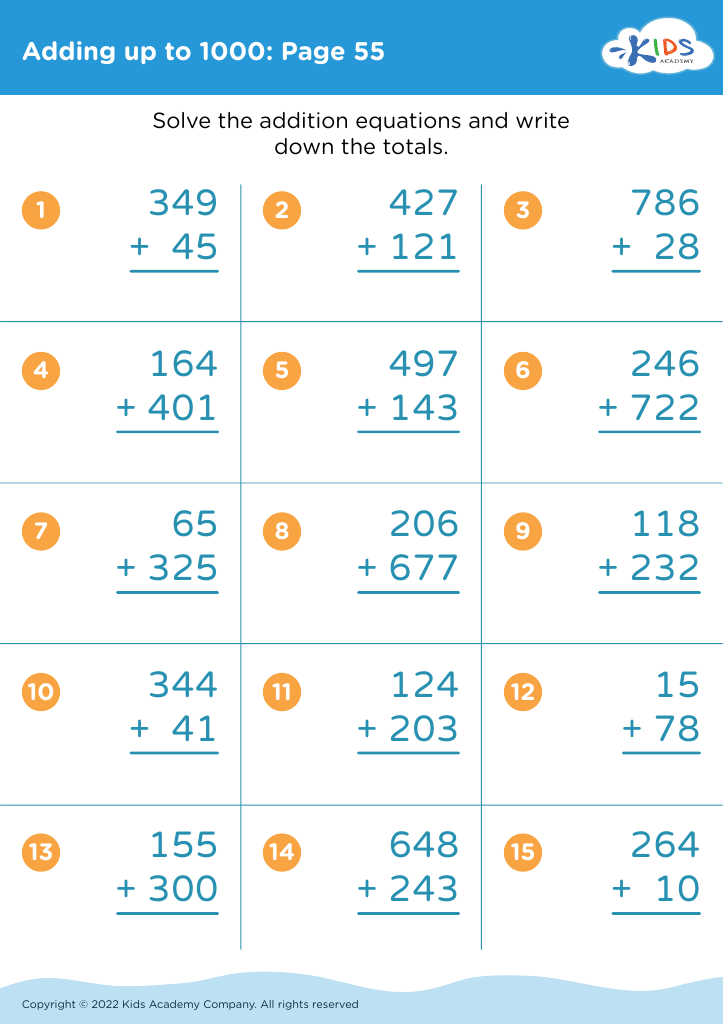








At the ages of 8-9, children are at a critical stage in cognitive development, particularly in enhancing skills related to logical thinking and understanding mathematical concepts such as addition and subtraction. Parents and teachers should prioritize these developmental areas due to their foundational significance in academic and everyday problem-solving skills.
Logical thinking enables children to analyze information, recognize patterns, and apply reasoning to solve problems effectively. These abilities are not only essential in math but also in science, reading comprehension, and even social interactions. When children develop strong logical skills early, they build a robust cognitive structure that supports more complex thinking and learning later in life.
Furthermore, addition and subtraction are fundamental math operations that serve as the building blocks for more advanced mathematical concepts such as multiplication, division, fractions, and algebra. Mastery of these basics at an early age helps ensure children will not only find math more accessible and enjoyable but will also foster a positive attitude towards new and challenging subjects.
Parents and teachers play a crucial role by providing supportive environments and engaging activities that promote logical thinking and basic math skills. This dual focus prepares children not only for future academic challenges but also equips them with practical life skills needed for various real-world scenarios, such as managing money and making informed decisions.








