Reading analog clocks Addition & Subtraction Worksheets for Ages 8-9
4 filtered results
-
From - To
Enhance your child's time-telling skills with our "Reading Analog Clocks Addition & Subtraction Worksheets" designed for ages 8-9. These engaging worksheets by Kids Academy combine mastering the analog clock with essential math skills. Children will practice reading times, performing addition and subtraction with hours and minutes, and improving critical thinking. Our carefully curated activities ensure an enjoyable learning experience, helping students develop confidence and proficiency in math and time management. Perfect for both classroom and home, these worksheets offer a valuable resource to support your child's educational journey. Download now to bridge fun with foundational learning!
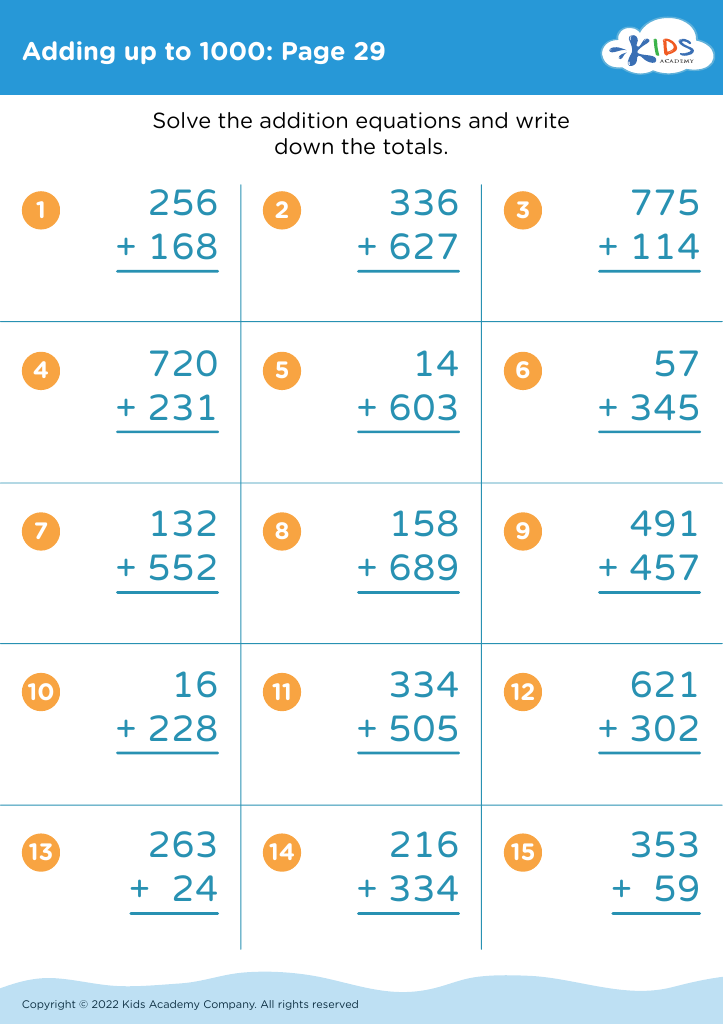
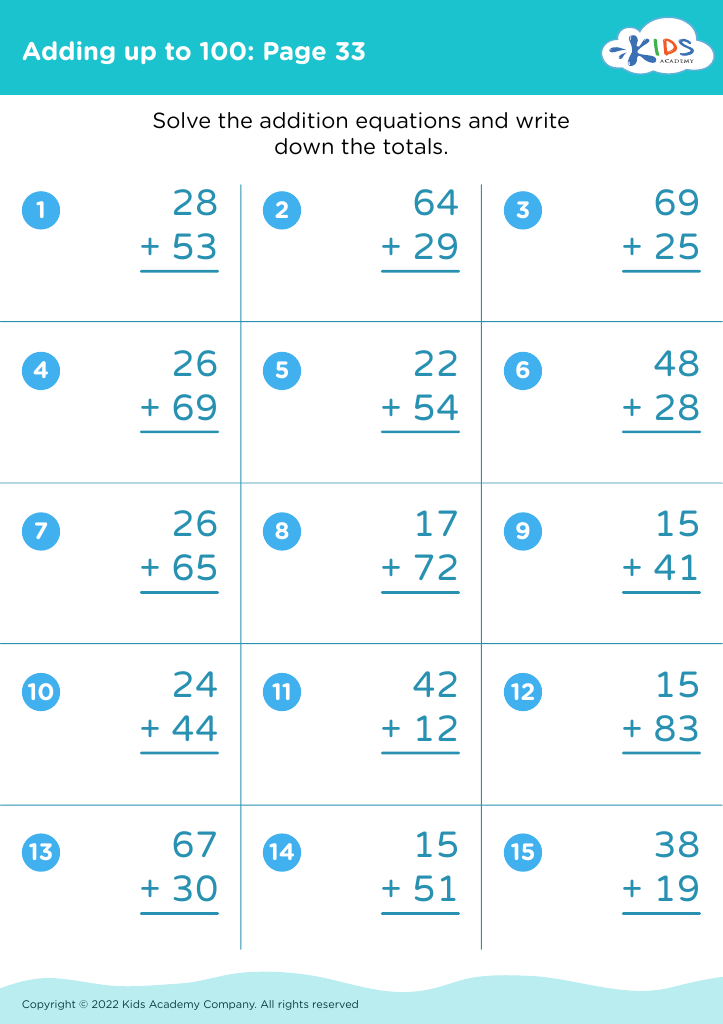
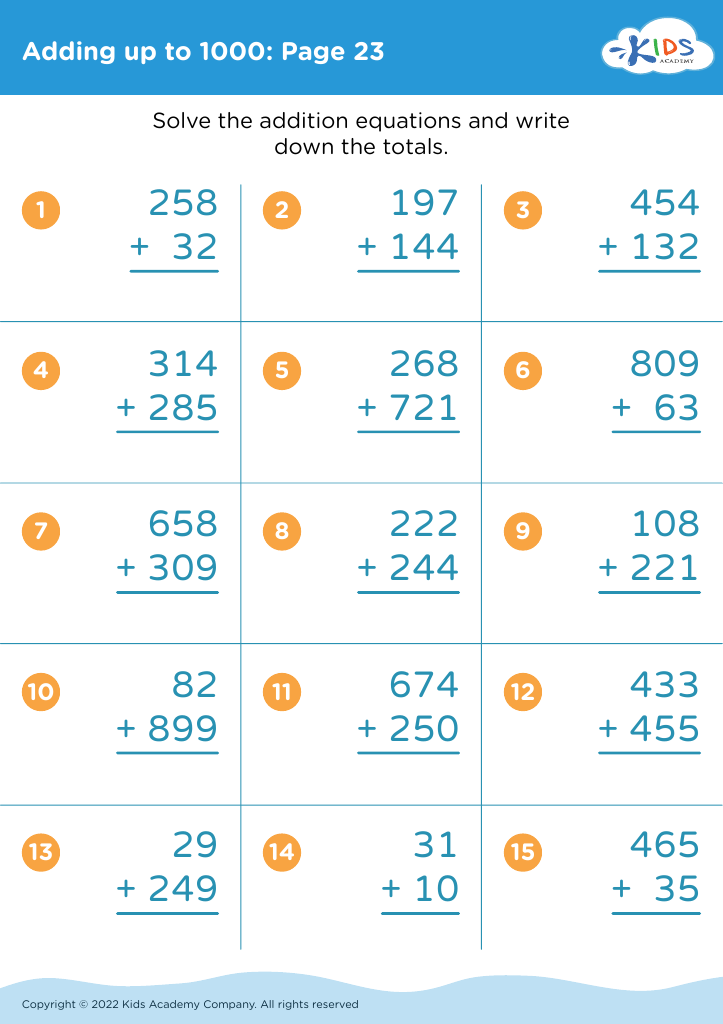
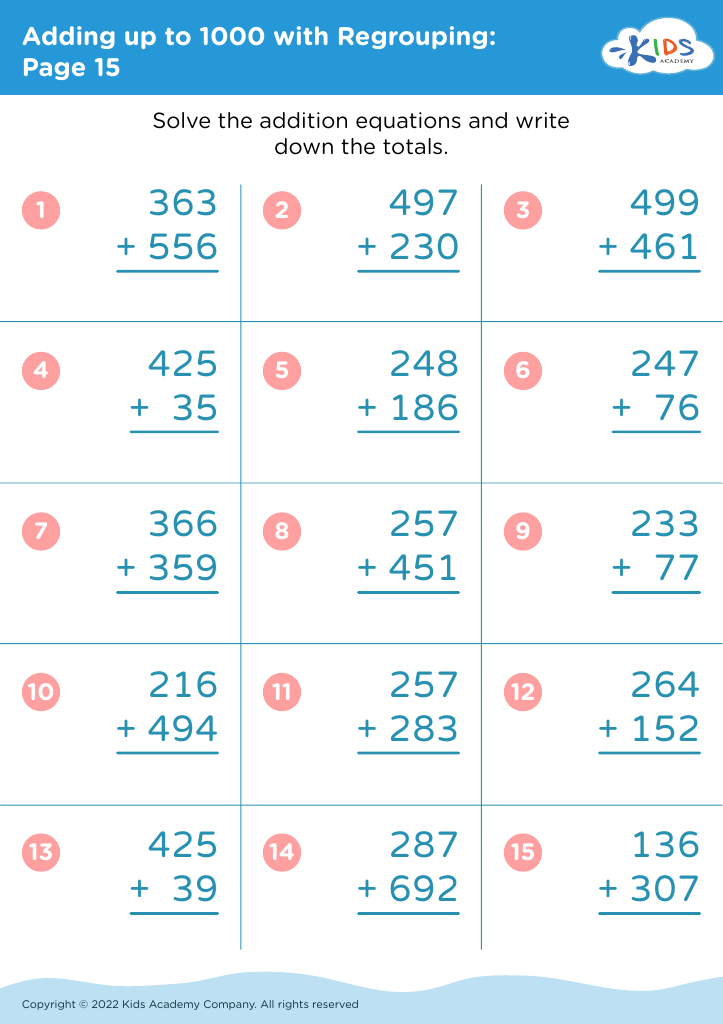








Teaching children aged 8-9 how to read analog clocks and how to perform addition and subtraction is crucial for their overall cognitive and practical development.
Reading analog clocks enhances their ability to understand the concept of time, which is fundamental for daily life. It fosters a sense of responsibility and time management, aiding in organizing their activities, homework, and playtime efficiently. Analog clocks also help with learning fractions and divisions naturally, as they see the clock divided into hours, minutes, and seconds.
At the same time, mastering addition and subtraction forms the cornerstone of all future mathematical learning. These fundamental operations are widely used in daily tasks, such as managing money, measuring objects, and even following recipes. Developing these skills at an early age boosts confidence and establishes a strong foundation for more complex mathematical concepts. This, in turn, fosters problem-solving skills, critical thinking, and logical reasoning.
For parents and teachers, emphasizing these competencies ensures that children have practical life skills and the academic knowledge necessary for success both in school and beyond. It helps prepare them for higher-level mathematics and engenders a sense of curiosity and confidence in their capabilities, which is essential for lifelong learning.








