Reading clocks Addition & Subtraction Worksheets for Ages 8-9
3 filtered results
-
From - To
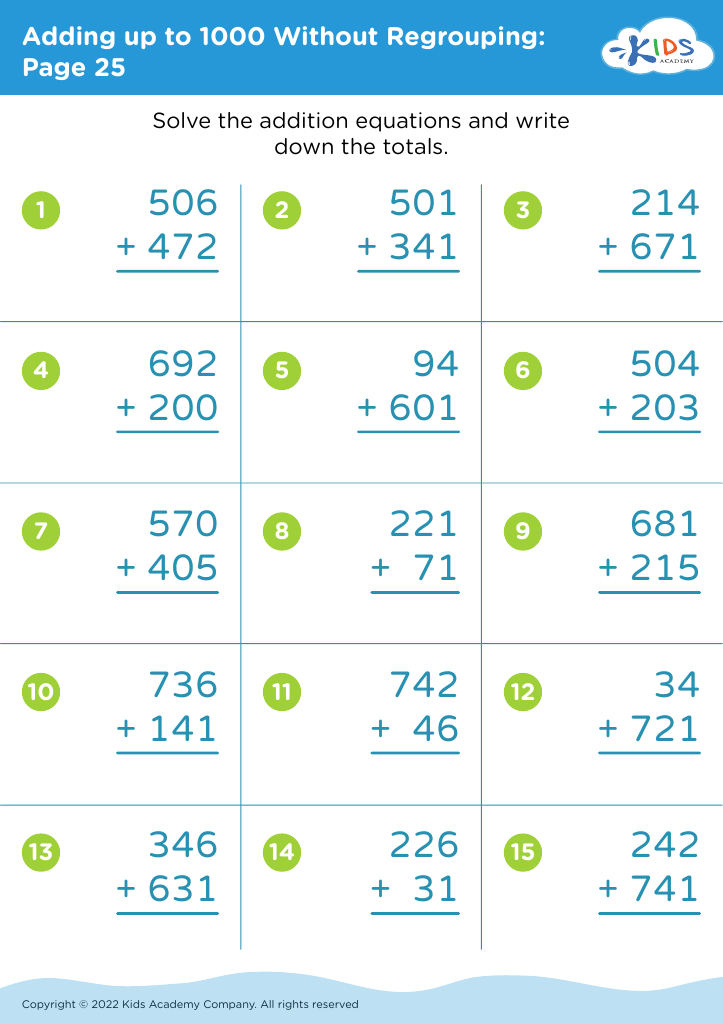
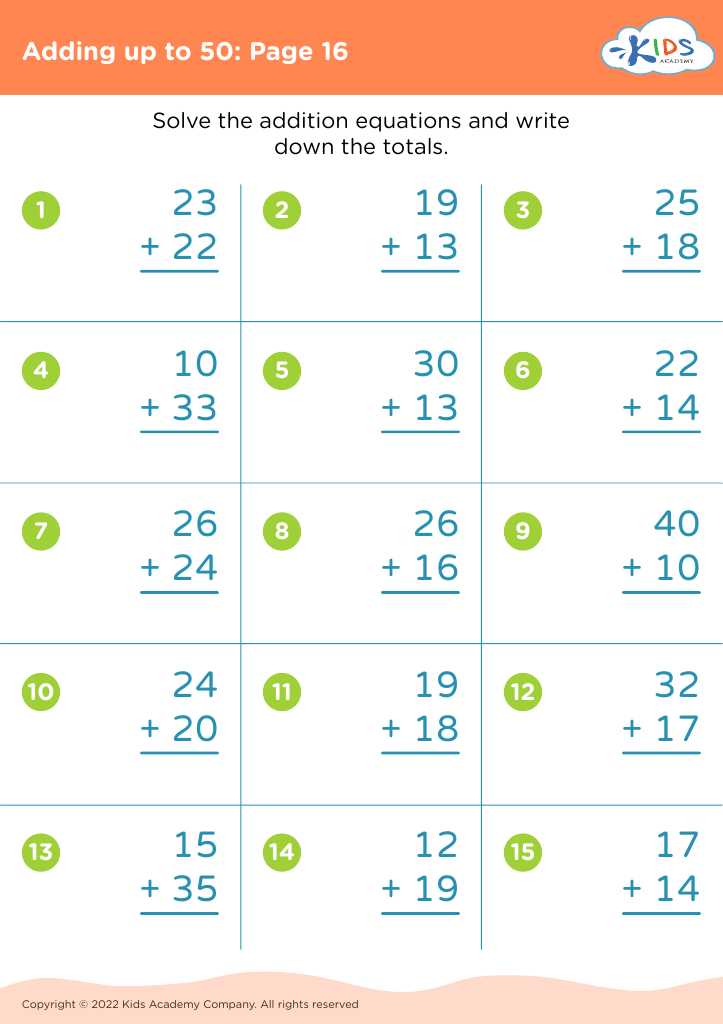
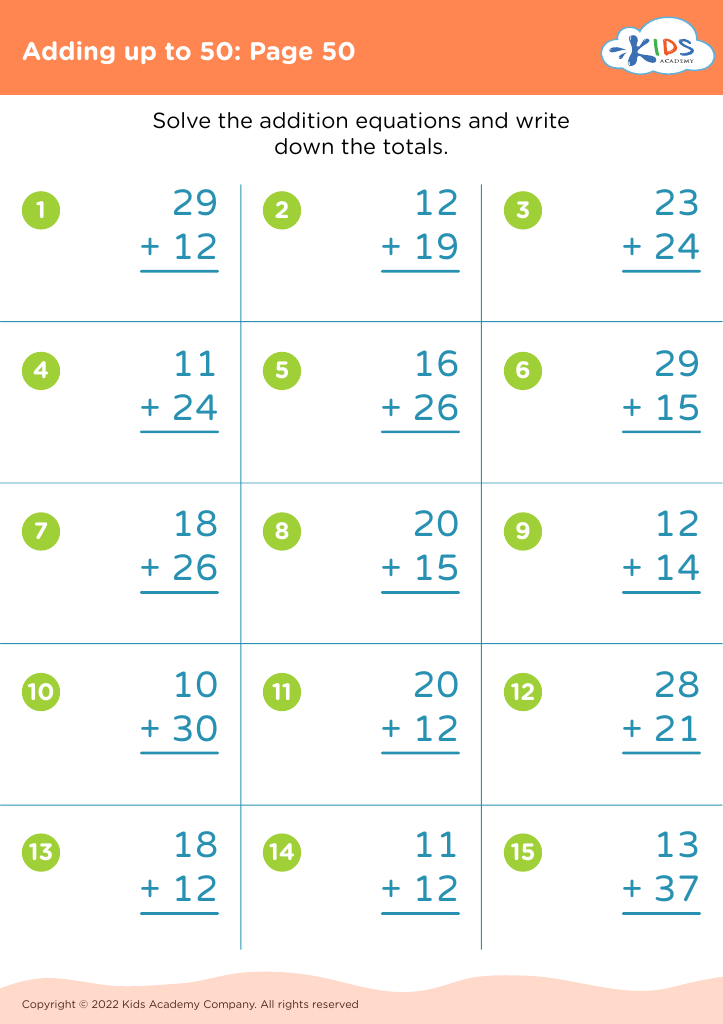
Enhance your child's math skills with our engaging Reading Clocks Addition & Subtraction Worksheets designed specifically for ages 8-9! These printable worksheets combine clock-reading practice with fundamental addition and subtraction exercises, developing both time-telling abilities and arithmetic skills. Each worksheet features clear, colorful visuals to captivate young learners and foster a deep understanding of mathematical concepts. Perfect for home or classroom use, these worksheets will help your child confidently tackle word problems that involve time, introduce them to real-world scenarios, and strengthen their logical thinking. Start turning learning time into fun time today with our comprehensive resources!








Reading clocks, as well as mastering addition and subtraction, is crucial for children aged 8-9, as they intertwine essential life skills and cognitive development. Understanding how to read an analog clock provides children with a foundational skill that fosters independence and time management throughout their lives. Learning to tell time enhances their ability to plan activities, meet deadlines, and incorporate timing into everyday tasks.
Moreover, proficiency in addition and subtraction builds critical mathematical skills and problem-solving abilities. At ages 8-9, children are transitioning from basic arithmetic to more complex math concepts. By mastering these skills, they strengthen their number sense, engage in logical thinking, and better prepare themselves for future academic challenges.
When parents and teachers emphasize the importance of reading clocks alongside addition and subtraction, they are equipping students with multifaceted skills. This time-related competence blends math with real-life scenarios, making learning more relevant and engaging. Combined with social interactions—like discussing schedules or helping with planning—these skills contribute to overall cognitive development, self-esteem, and academic confidence. Prioritizing these learning areas creates a strong foundation for lifelong skills that children will utilize well into adulthood.








