
Visual discrimination Addition & Subtraction Worksheets for Ages 8-9
4 filtered results
Difficulty Level
Grade
Age
-
From - To
Subject
Activity
Standards
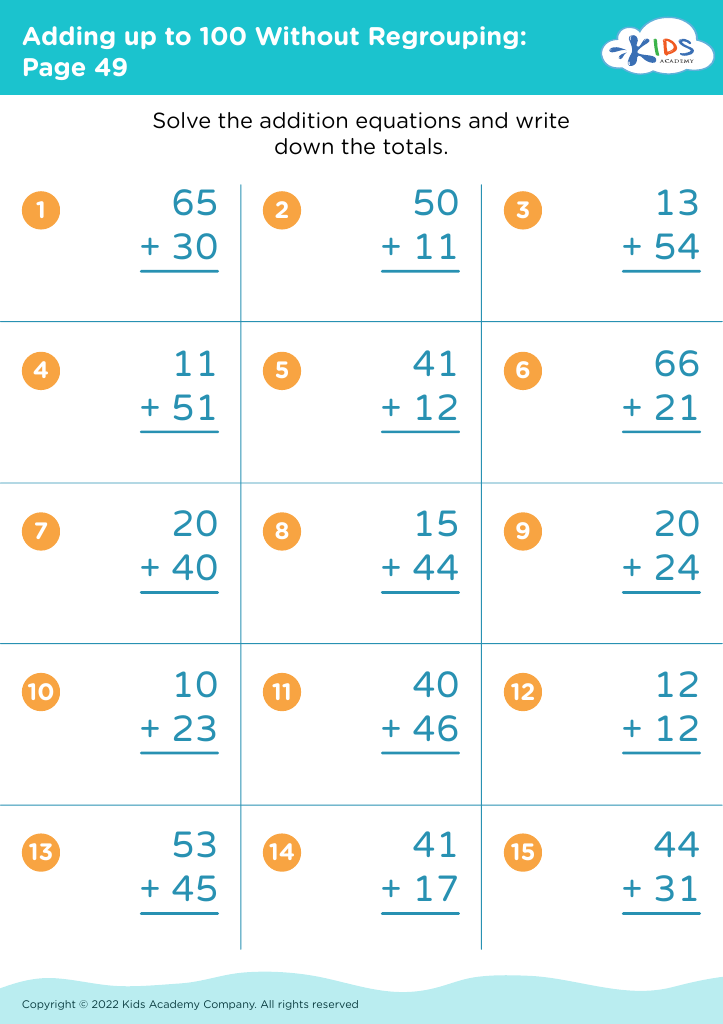
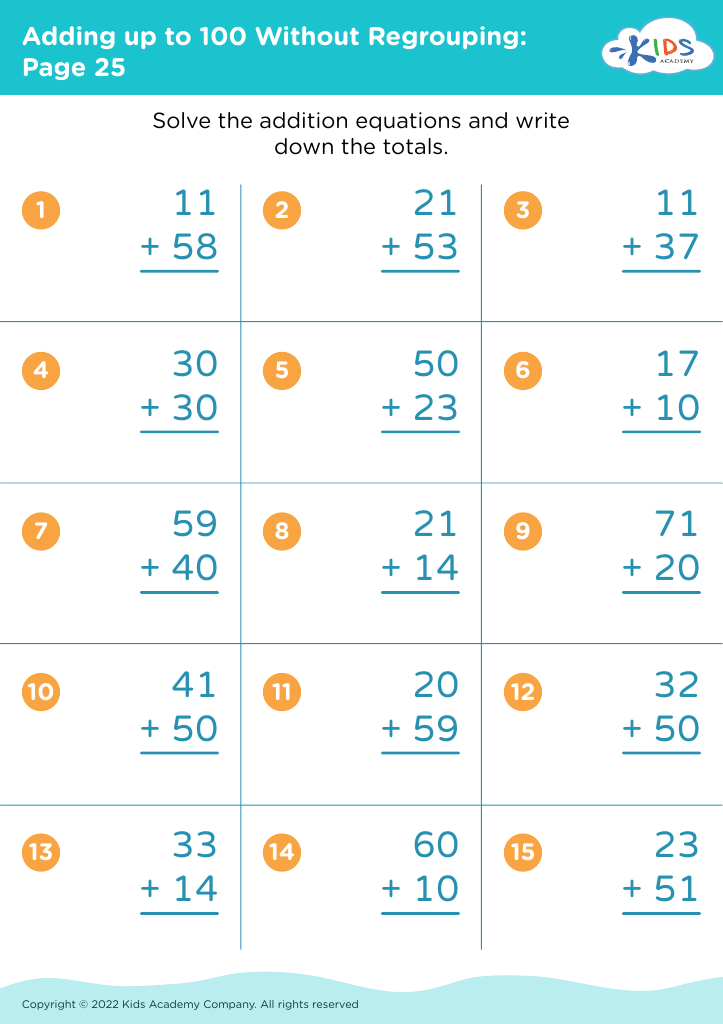
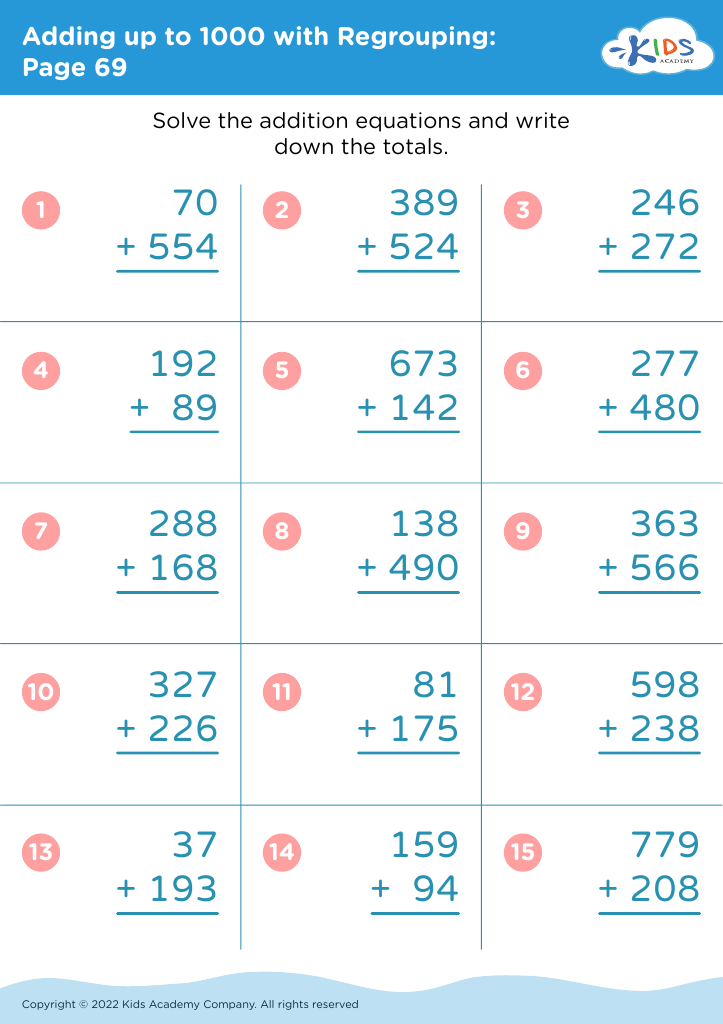
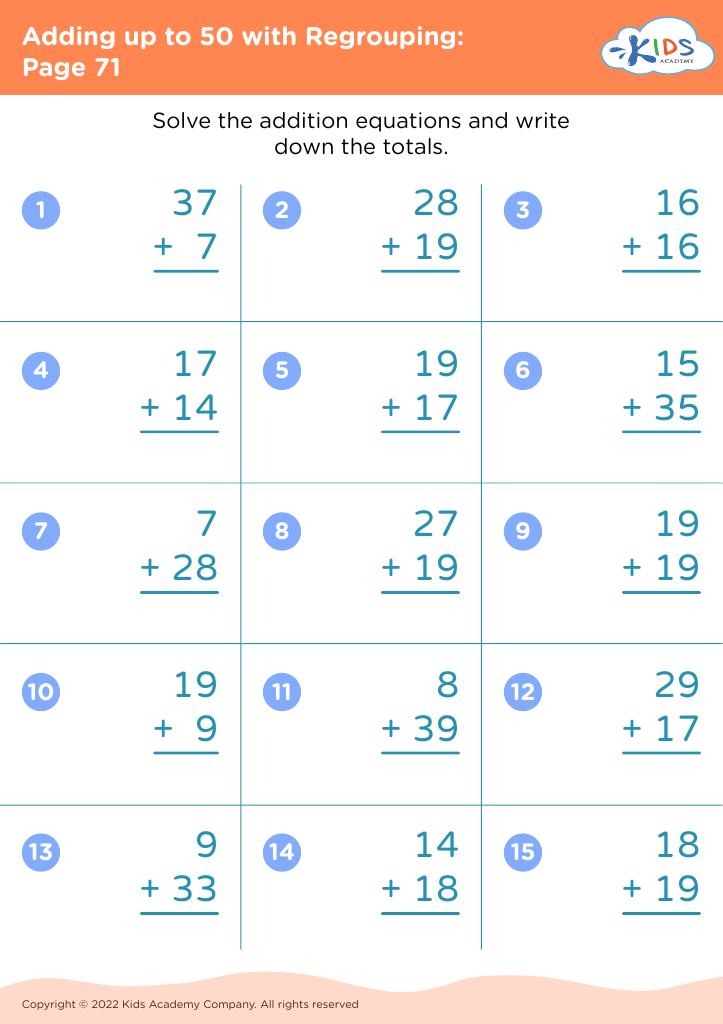
Enhance your child's math skills with our Visual Discrimination Addition and Subtraction Worksheets, specially designed for ages 8-9. These engaging worksheets focus on improving visual discrimination, enabling students to quickly differentiate numbers and symbols essential for mastering addition and subtraction. By working through our fun and interactive exercises, children will develop greater accuracy and confidence in their math abilities and sharpen their analytical thinking skills. Our resources are perfect for reinforcing classroom learning or for use at home. Explore our collection today to support your child's journey towards math success in a playful and effective way!
Favorites
With answer key
Interactive
Join Kids Academy for Free
Who is primarily going to use this learning content?








Visual discrimination is a crucial skill that enables children aged 8-9 to identify subtle differences and similarities in shapes, numbers, and symbols. This skill is particularly important in addition and subtraction as it aids in recognizing patterns, understanding number families, and achieving fluency in arithmetic. When students can visually discriminate between numbers and mathematical symbols, they are more likely to grasp concepts like regrouping or borrowing.
For parents and teachers, nurturing visual discrimination helps to build a strong foundation for a child's mathematical understanding. Mastery of these foundational skills not only enhances confidence but also prepares students for more advanced mathematical concepts in later grades. Furthermore, problems with visual discrimination can lead to misunderstandings and calculations errors, which can increase frustration for both learners and educators.
By focusing on activities that promote visual discrimination, such as matching games, pattern recognition, and number puzzles, adults can provide engaging and effective support for skill development. As children improve their visual discrimination abilities, they enhance their problem-solving skills and build a healthier relationship with math, turning it from a source of challenge into a pathway for success. Therefore, it is essential for parents and teachers to prioritize this vital aspect of learning.








