
Improve math skills Addition Worksheets for Ages 8-9
17 filtered results
Difficulty Level
Grade
Age
-
From - To
Subject
Activity
Standards
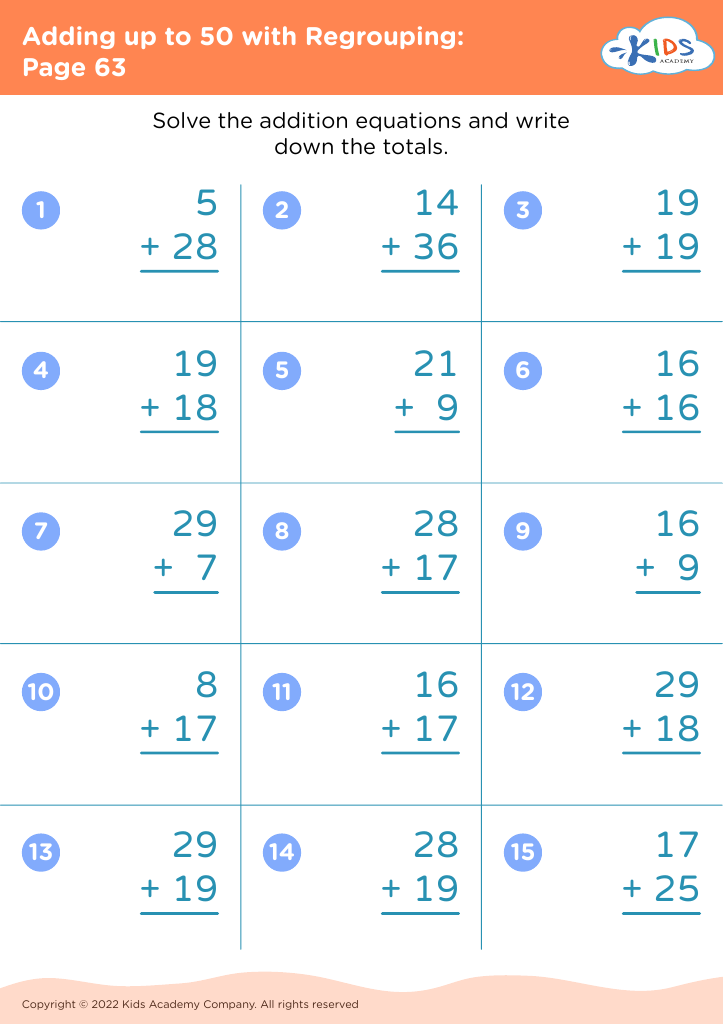
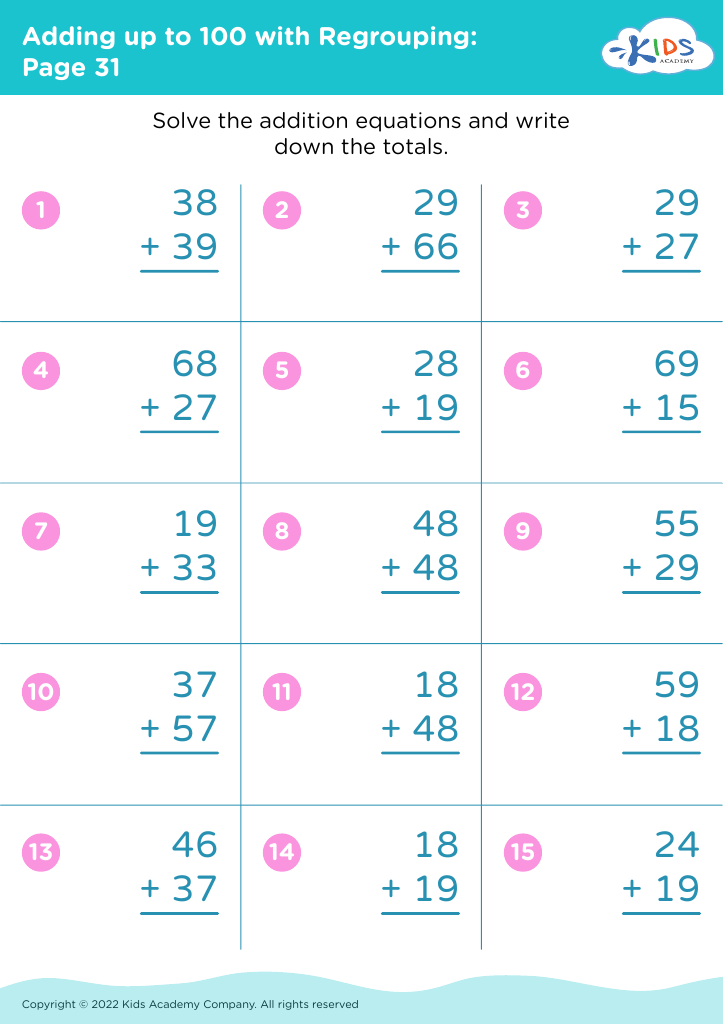
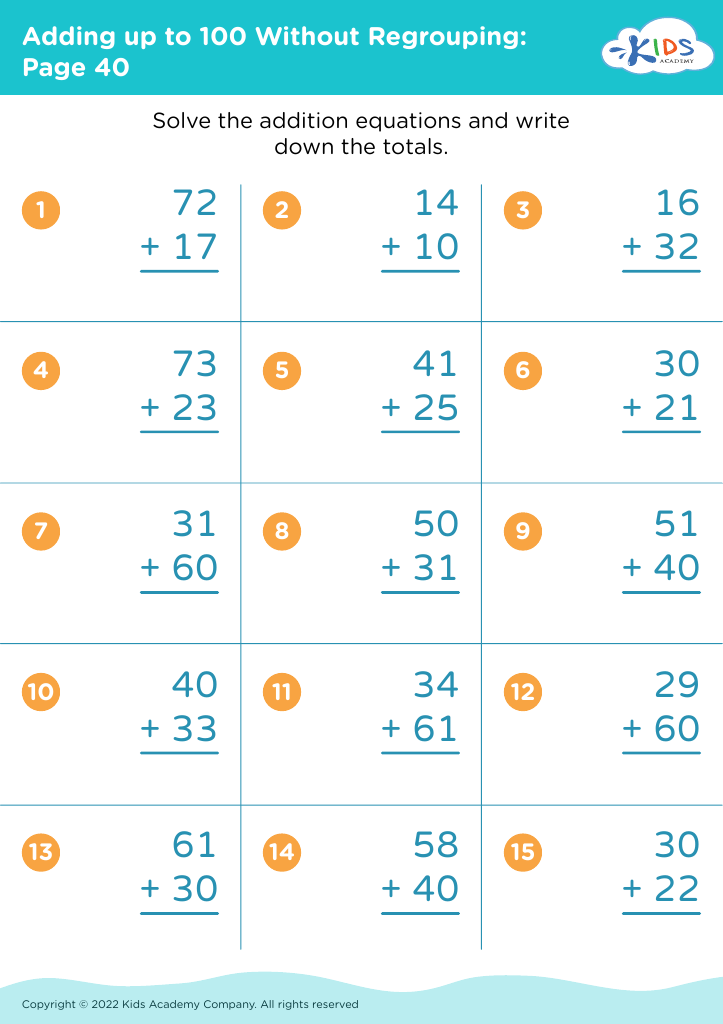
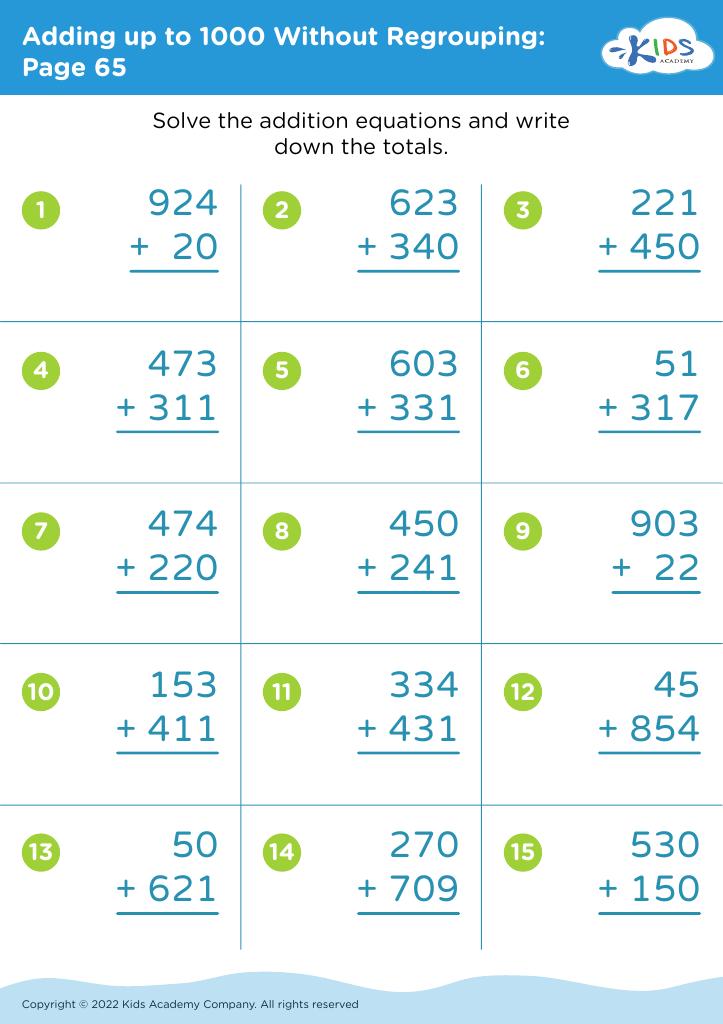
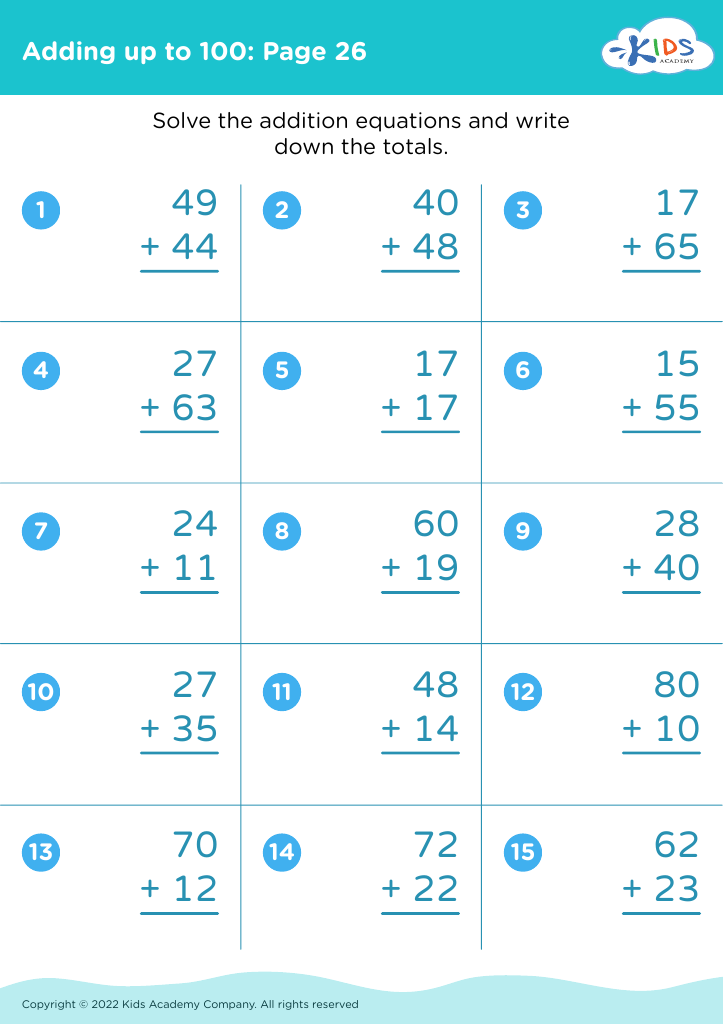
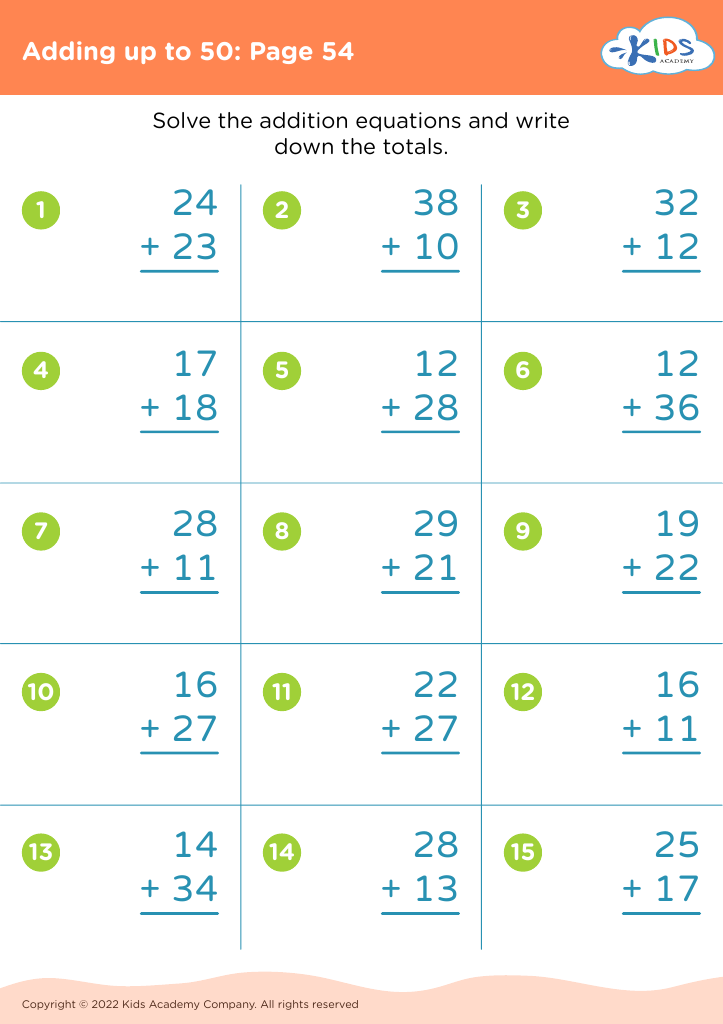
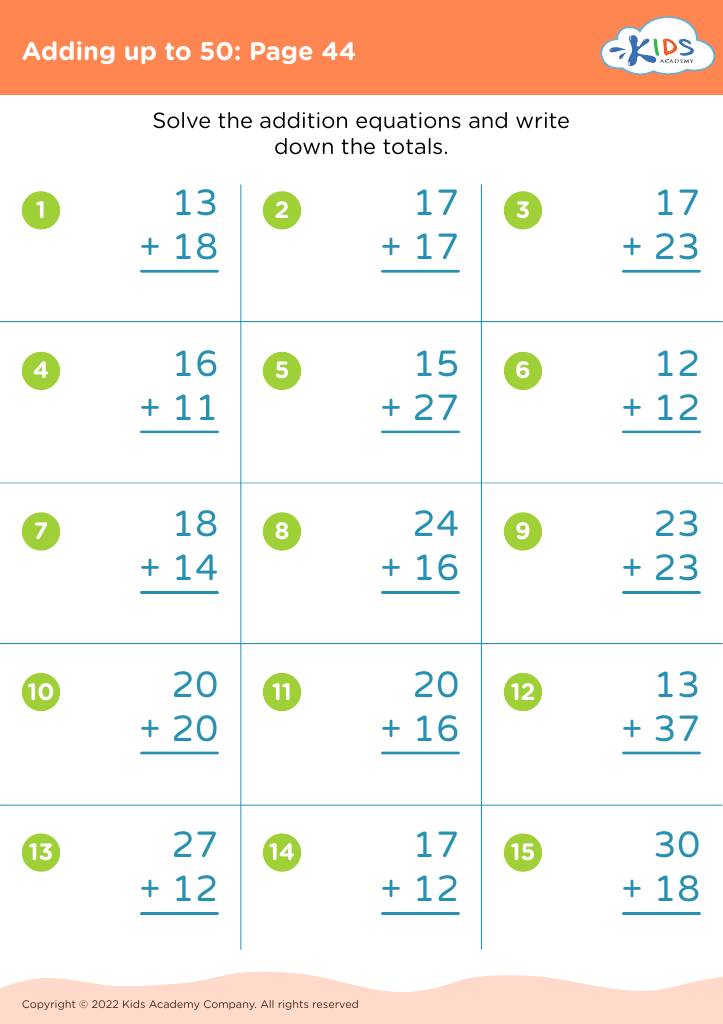
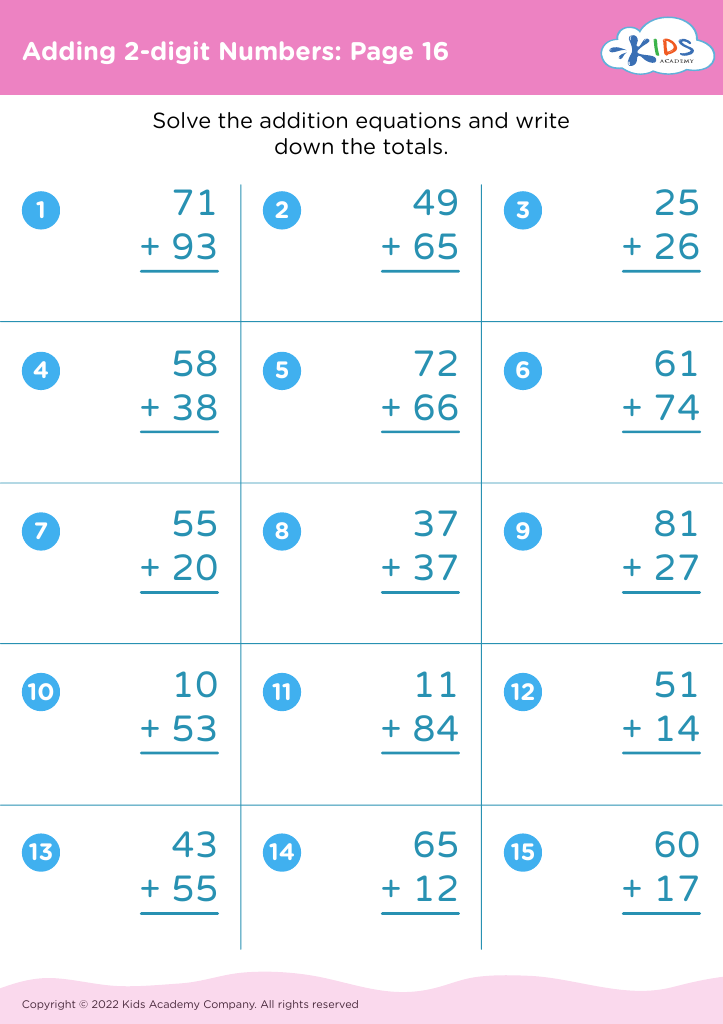
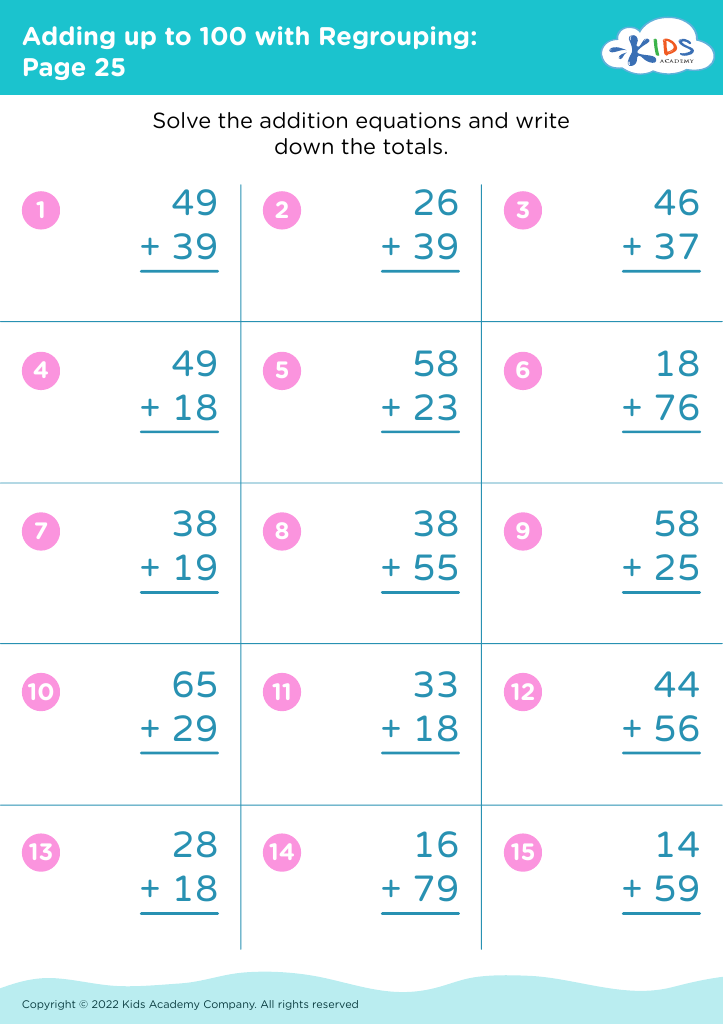
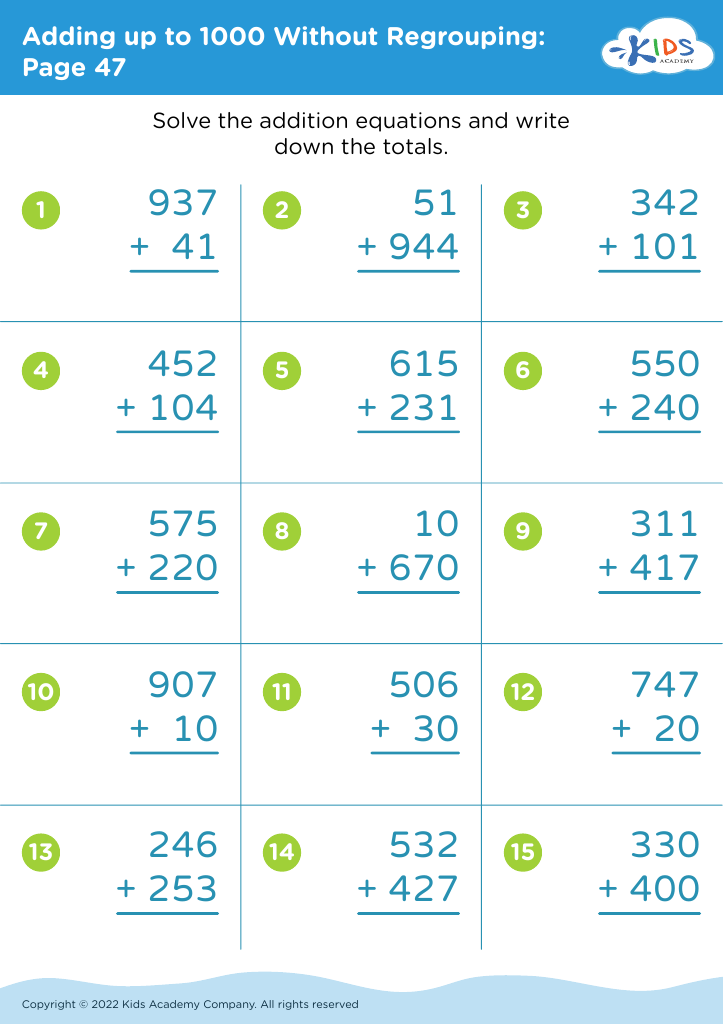
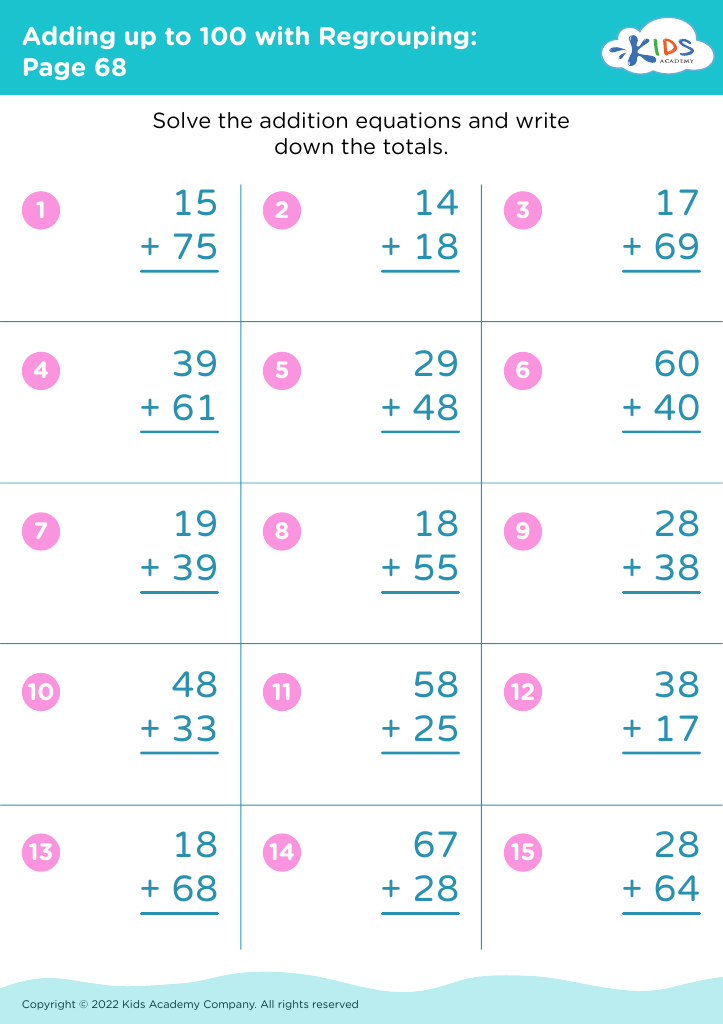
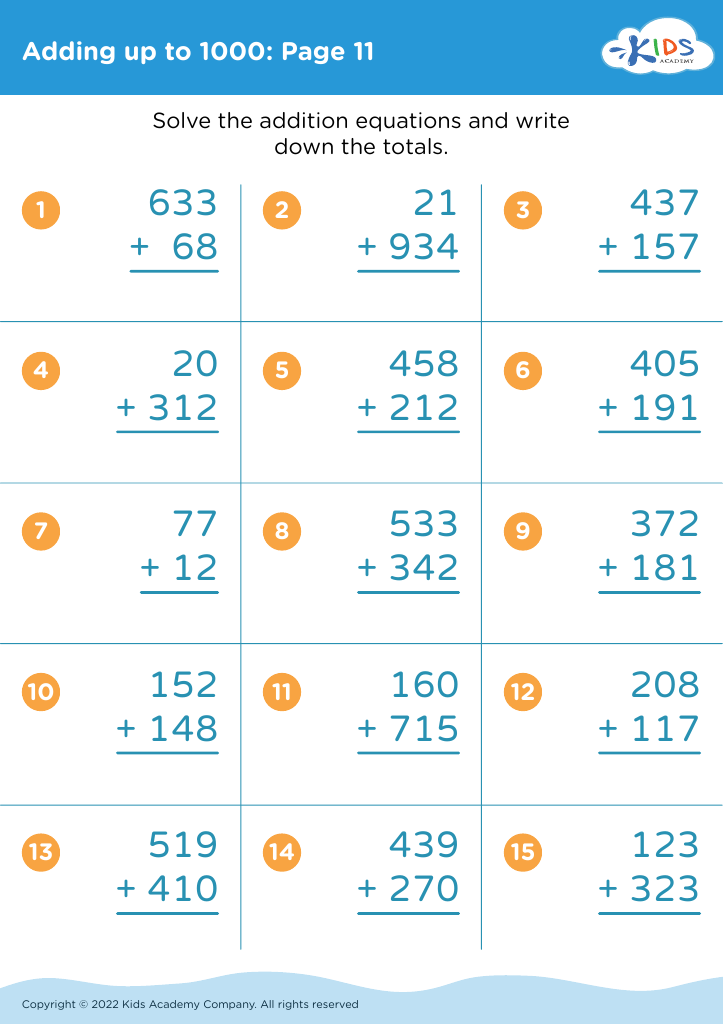
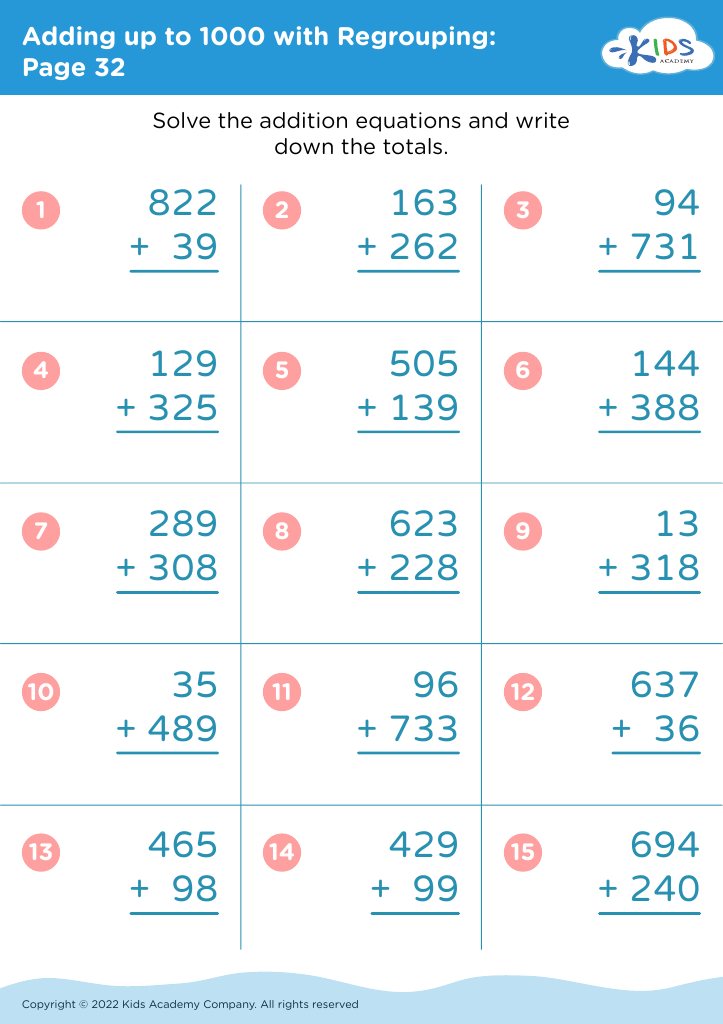
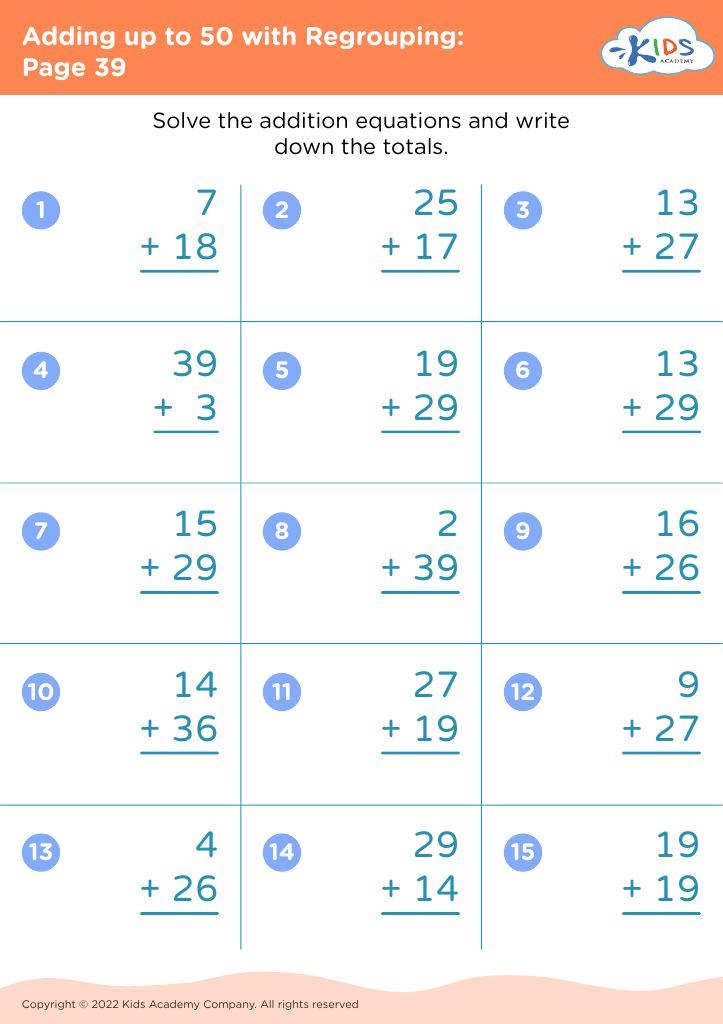
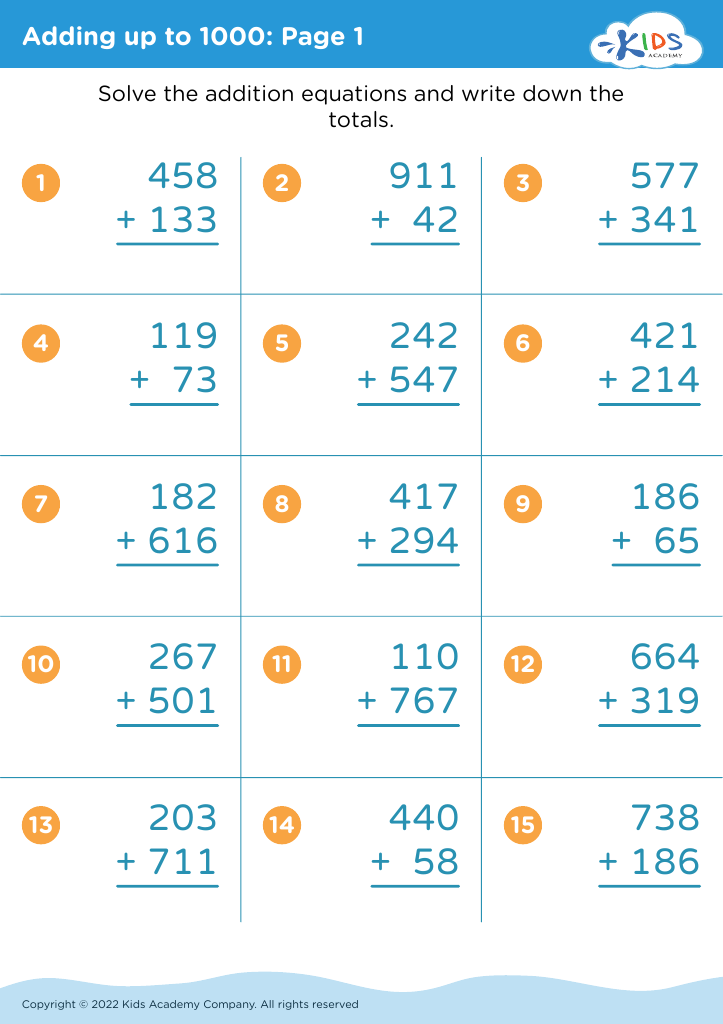
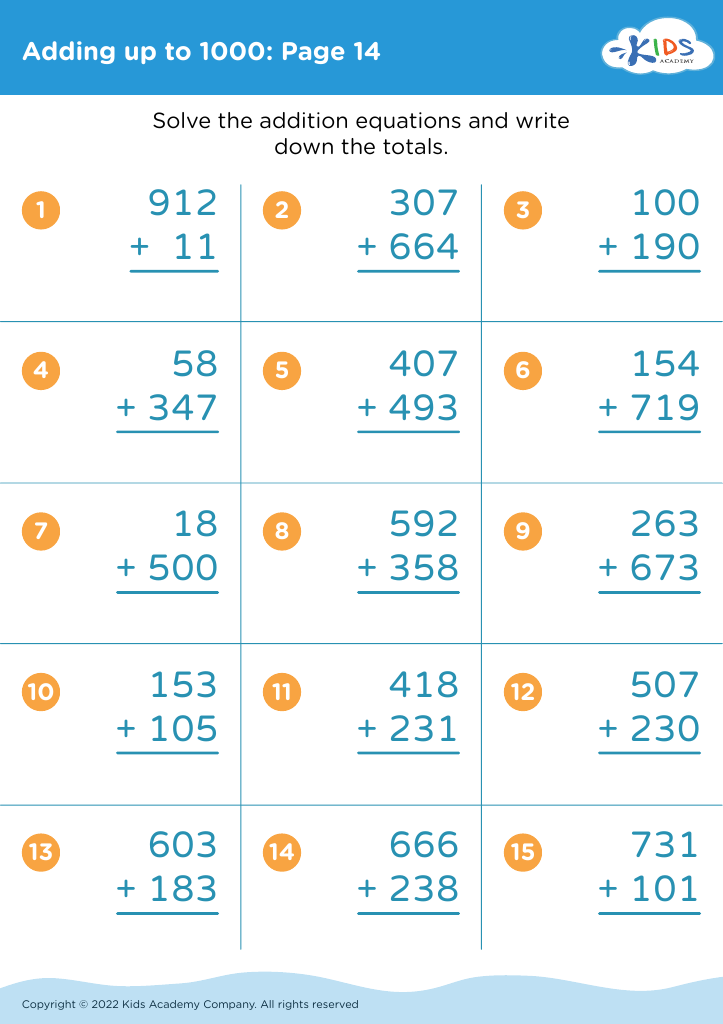
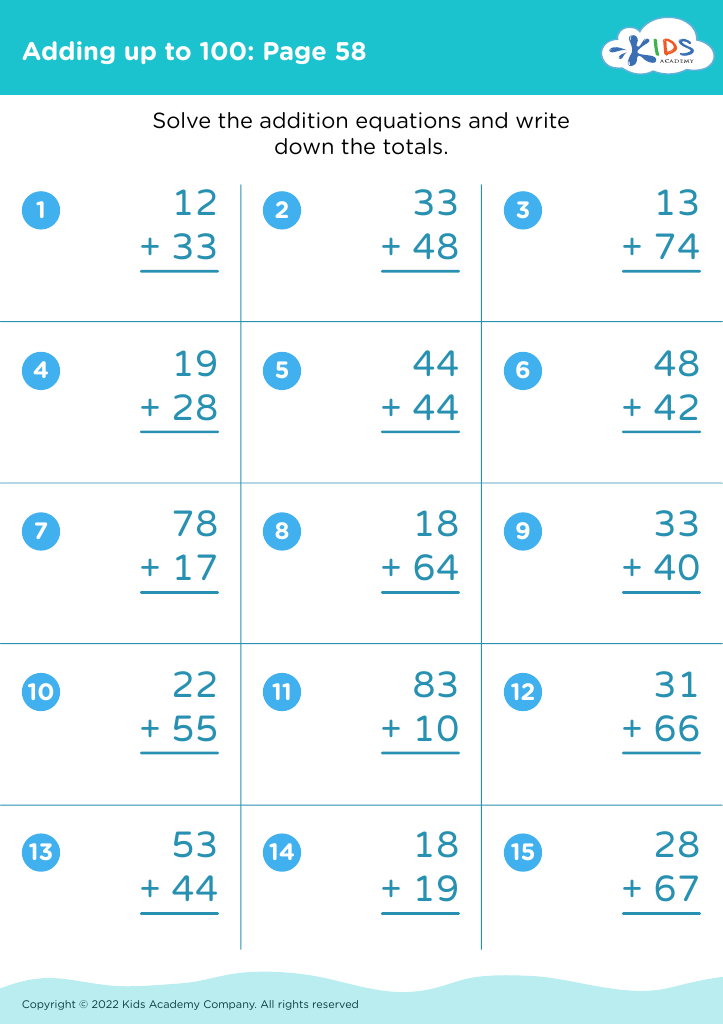
Boost your child's math abilities with our specially designed Addition Worksheets for ages 8-9! Perfect for young learners, these engaging activities focus on improving addition skills through fun, interactive challenges. Each worksheet is crafted by educational experts to match the learning pace of children in this age group, ensuring a balanced mix of practice and progression. Watch your child's confidence soar as they master addition concepts, develop critical thinking, and become math whizzes! Ideal for homeschooling or supplementary practice, these worksheets are your go-to resource for building strong foundational math skills.
Favorites
With answer key
Interactive
Join Kids Academy for Free
Who is primarily going to use this learning content?



.jpg)




Parents and teachers should care deeply about improving math skills, particularly addition, for children ages 8-9. At this age, children are building the foundational skills necessary for more complex mathematical concepts. Mastery of basic addition facilitates the understanding of subtraction, multiplication, and division. It’s not just about calculations; addition helps enhance logical thinking and problem-solving abilities.
Strong math skills contribute to academic confidence, empowering children to tackle new challenges across subjects. Moreover, mathematics is everywhere—from measuring ingredients in a recipe to budgeting an allowance. Early proficiency encourages a lifelong comfort with numbers, fostering skills needed in everyday life.
Consistent practice with addition also improves memory and cognitive development. Engaging activities like educational games make learning fun and can boost motivation and retention. For parents, supporting math learning strengthens bonds and provides quality time focused on developmental growth. For teachers, witnessing students' improvements offers valuable insights into individually tailored teaching strategies.
Ultimately, being proactive in improving these skills not only aids in students' immediate academic success but also lays down critical groundwork for future achievements. Cultivating a strong mathematical foundation at an early age opens doors to advanced educational opportunities and diverse career paths.








