Letter recognition Addition Worksheets for Ages 8-9
3 filtered results
-
From - To
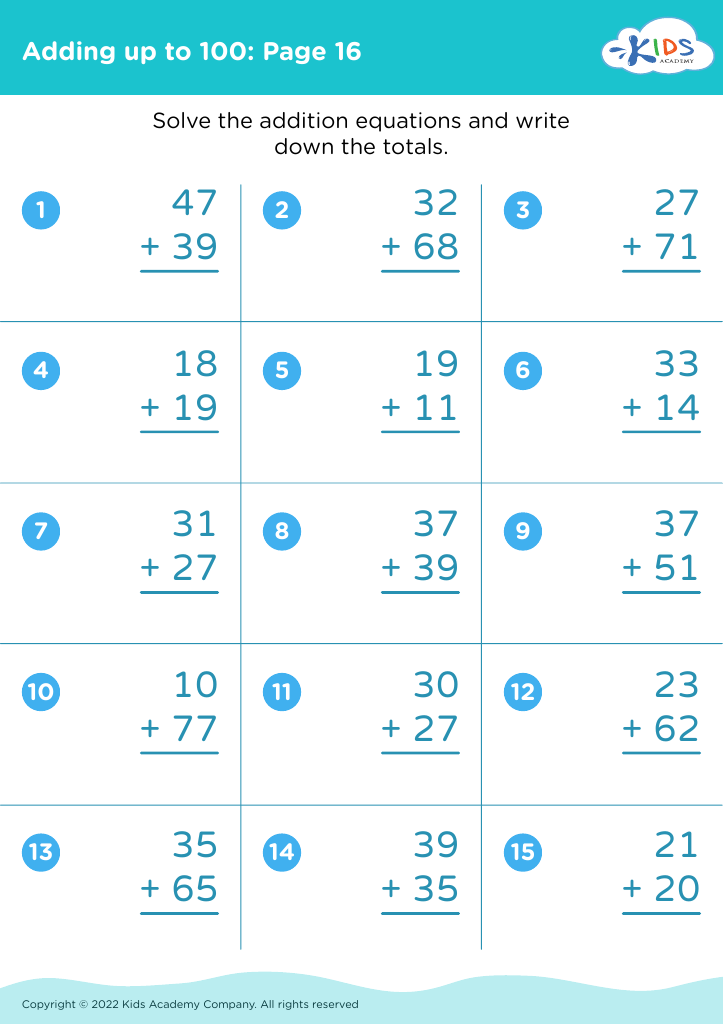
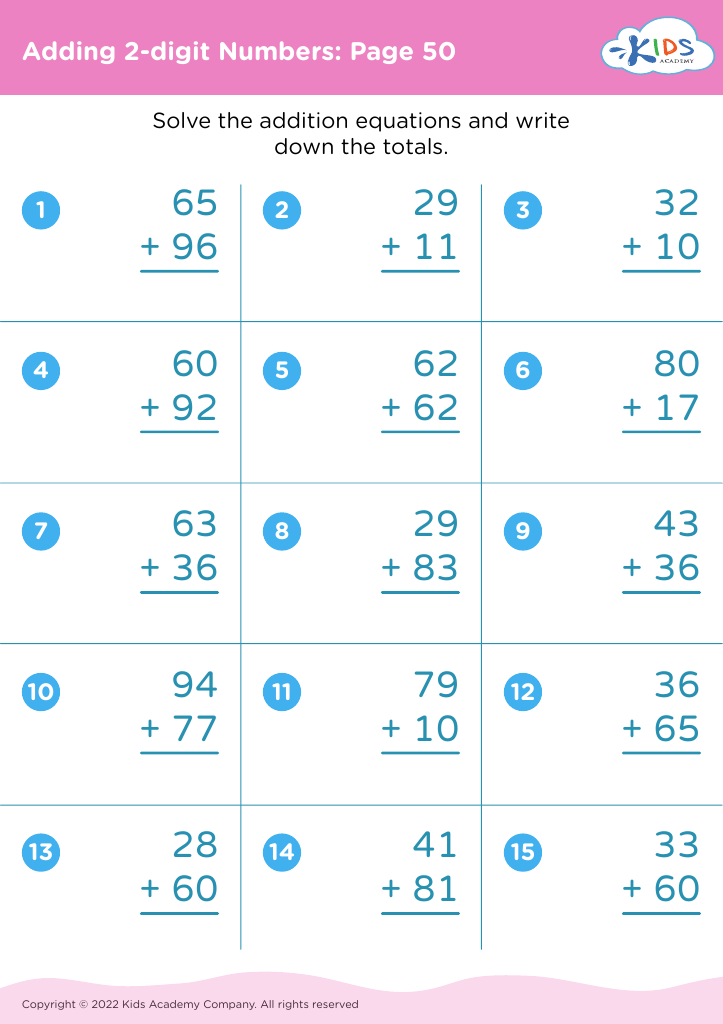
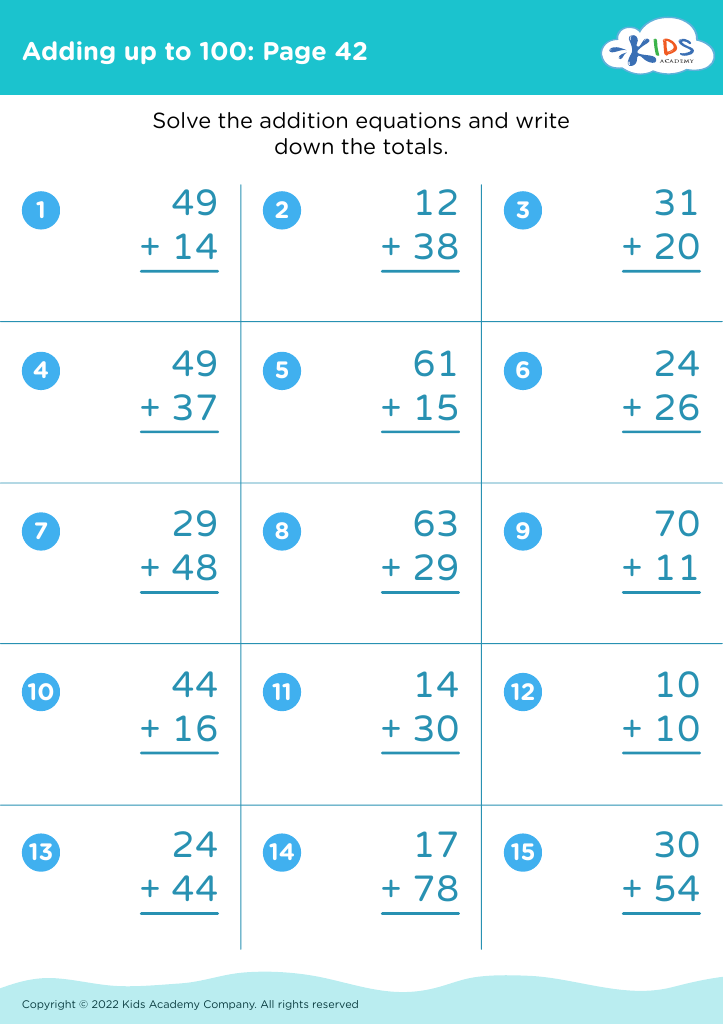
Introducing our "Letter Recognition Addition Worksheets" designed specifically for children aged 8-9! These engaging worksheets on Kids Academy seamlessly blend letter recognition with fundamental addition skills. Through captivating exercises and fun activities, children reinforce their alphabet knowledge while enhancing their math proficiency. Perfect for classroom use or at-home practice, the worksheets support cognitive development and build a strong foundation for both literacy and numeracy. Printable and easily accessible, they offer a delightful learning experience, turning study time into an exciting adventure. Equip your child with the essential skills they need for academic success with our expertly crafted worksheets!








Letter recognition is foundational for reading and writing, skills that are critical for the overall academic and life success of children aged 8-9. Although most children have typically grasped letter recognition by this age, reinforcing it remains crucial. Fluent recognition of letters allows for quicker, more accurate reading. It’s akin to having a solid foundation for a building; without it, everything built on top is unstable.
In reading, proficiency affects comprehension, vocabulary, and enjoyment. When children struggle to recognize letters, they spend more cognitive energy on decoding rather than understanding the text. This makes reading laborious and can lead to frustration and disinterest. Additionally, strong letter recognition supports spelling and writing.Students can transfer their ability to recognize letters instantly to quick and correct spelling, enabling them to express their ideas better.
Moreover, reinforcing these skills can accommodate diverse learners, including those with learning difficulties. It allows for early identification of challenges, enabling timely intervention.
Parents and teachers play pivotal roles by providing practice opportunities through engaging activities, like reading together or letter-based games. Maintaining focus on letter recognition at ages 8-9 ensures that children solidify the skills necessary for more advanced literacy concepts, setting a strong pathway for educational success.








