Practice multiplication Addition Worksheets for Ages 8-9
8 filtered results
-
From - To
Boost math proficiency with our "Practice Multiplication Addition Worksheets for Ages 8-9." Designed for young learners, these engaging worksheets combine fun with education, enhancing skills in both addition and multiplication. Each worksheet is crafted to challenge and excite, fostering a love for math through interactive exercises. Perfect for classroom or home practice, they develop important foundational abilities, preparing kids for more advanced concepts. Tailored specifically for 8-9-year-olds, these worksheets reinforce core learning objectives, ensuring steady progression in mathematical understanding. Help your child succeed in math by integrating these essential practice tools into their daily routine.
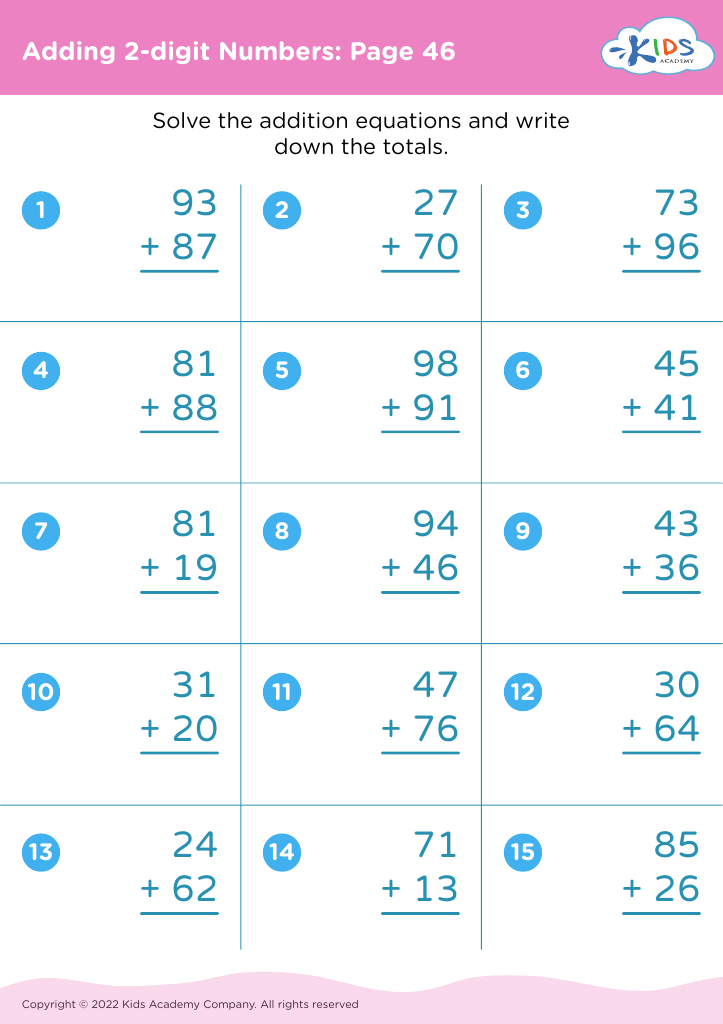
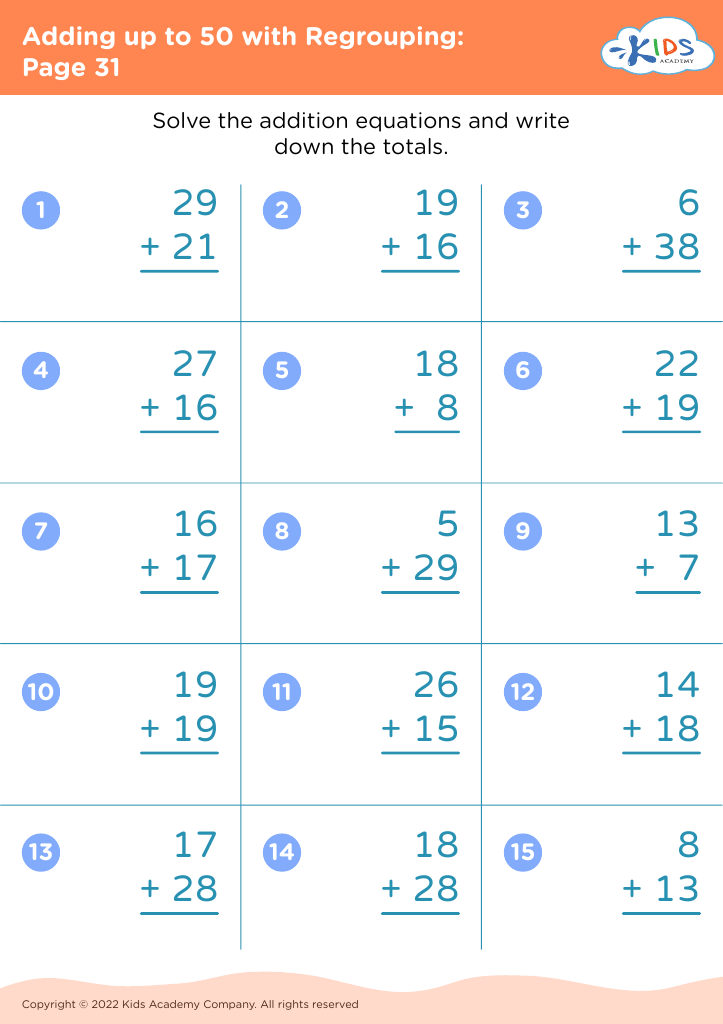
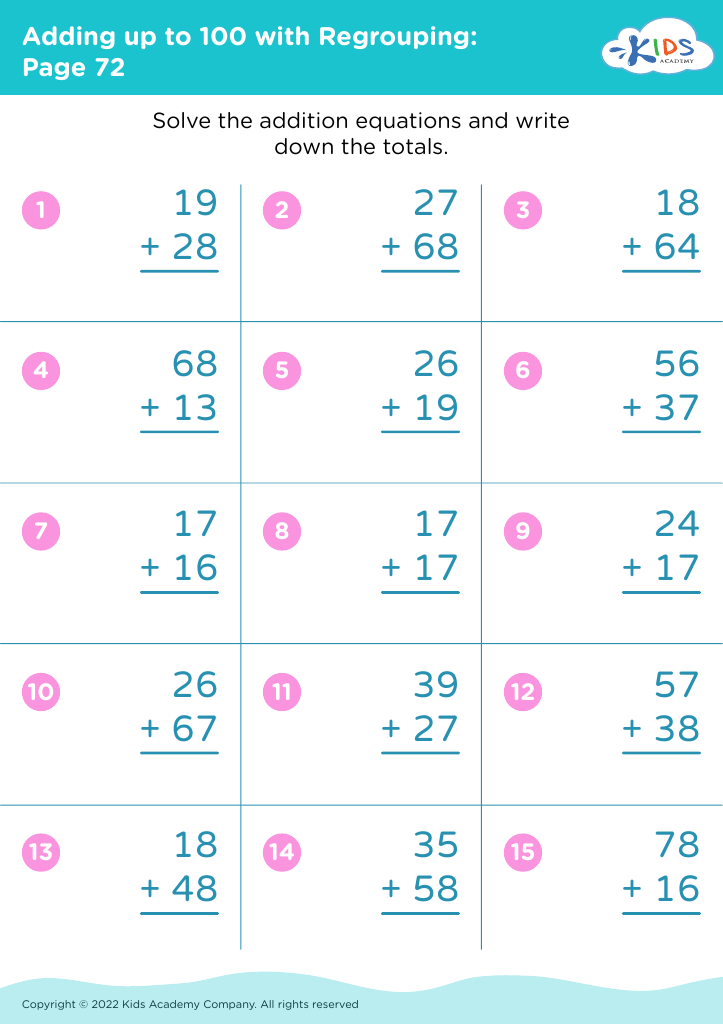
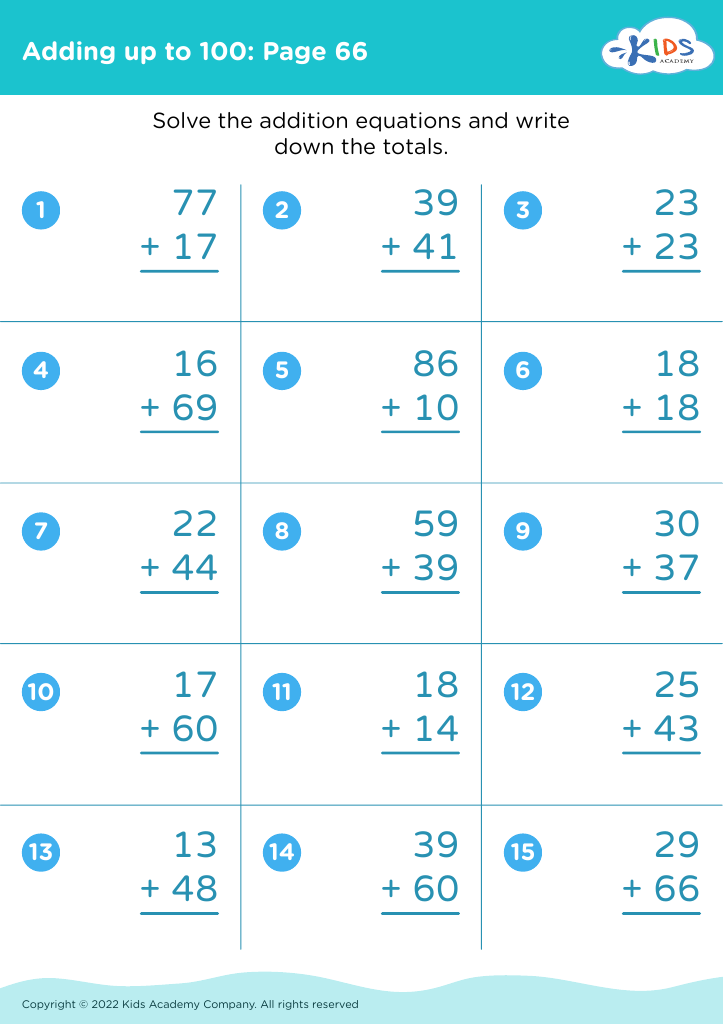
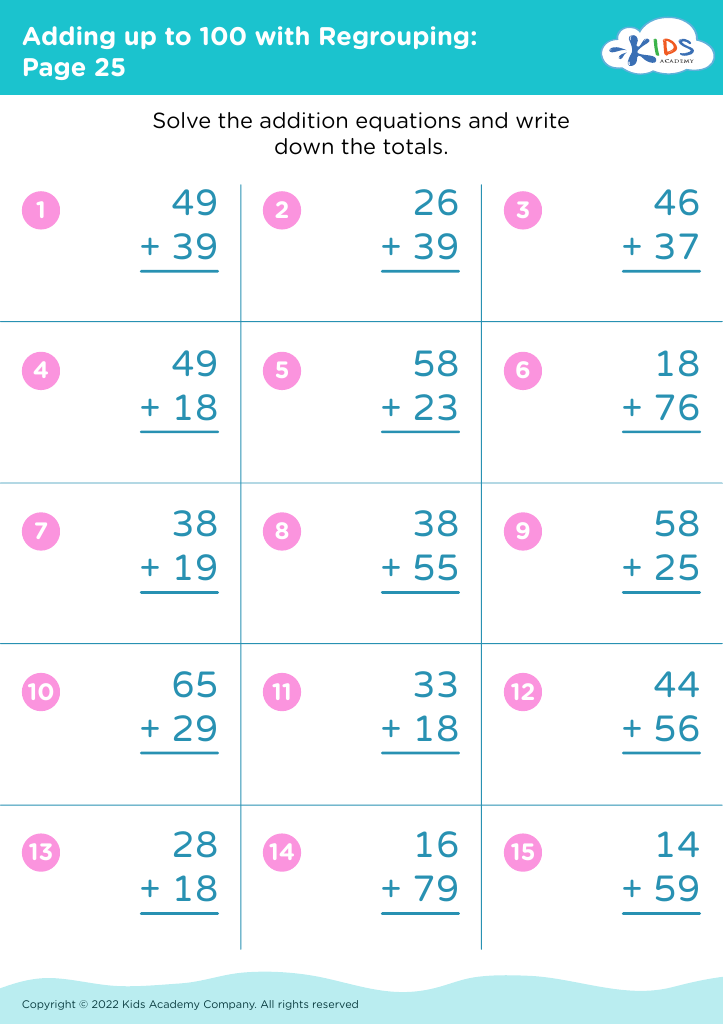
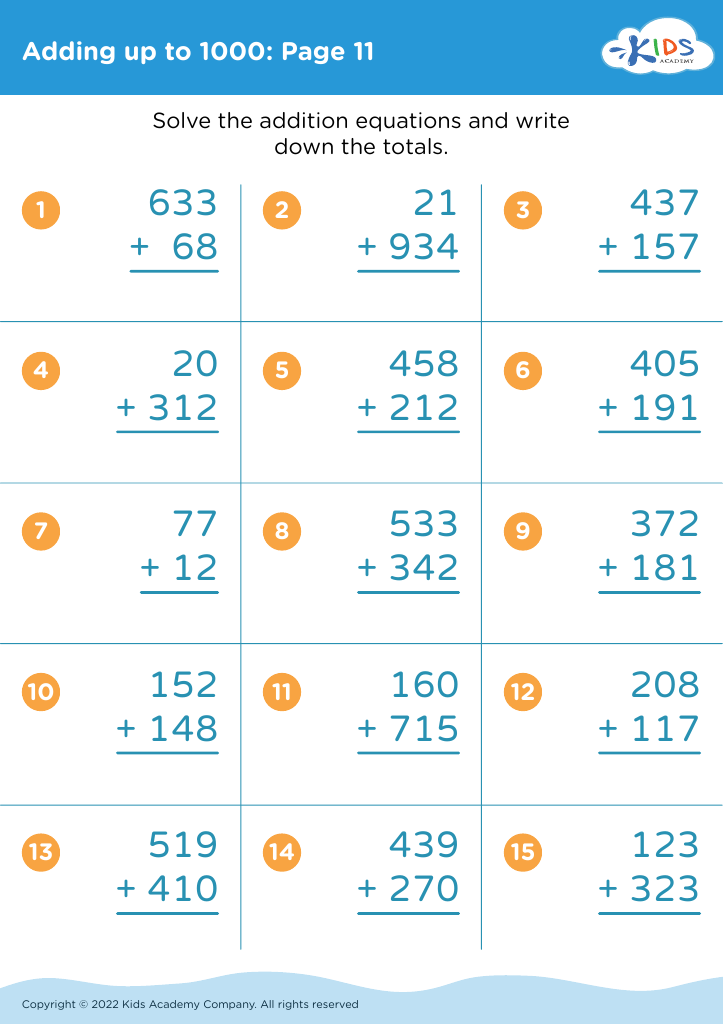
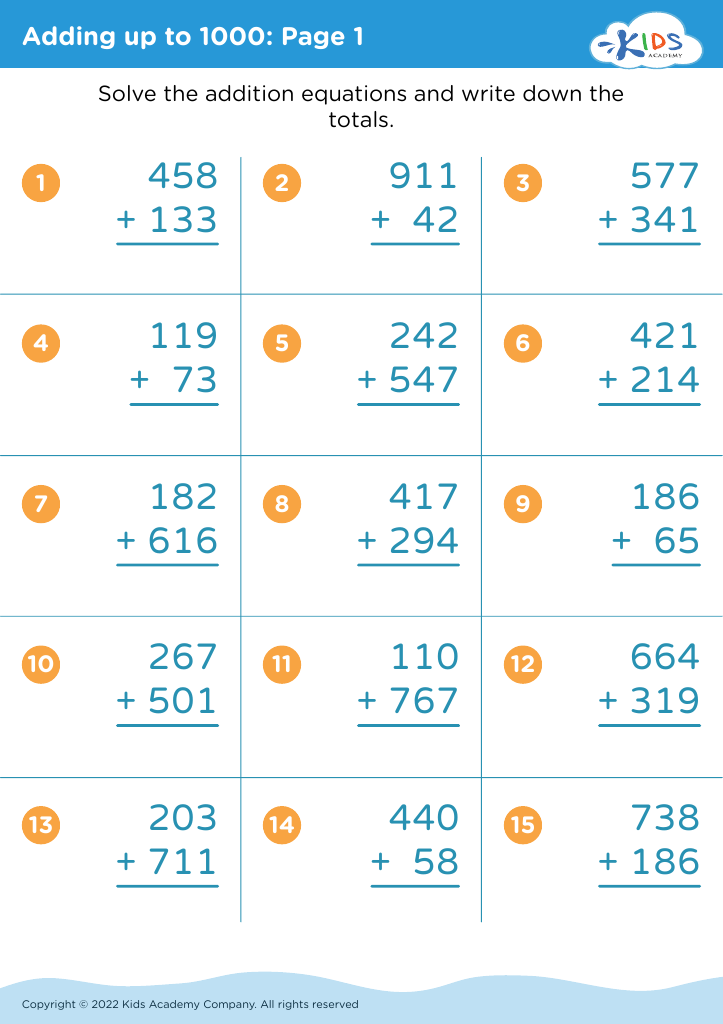
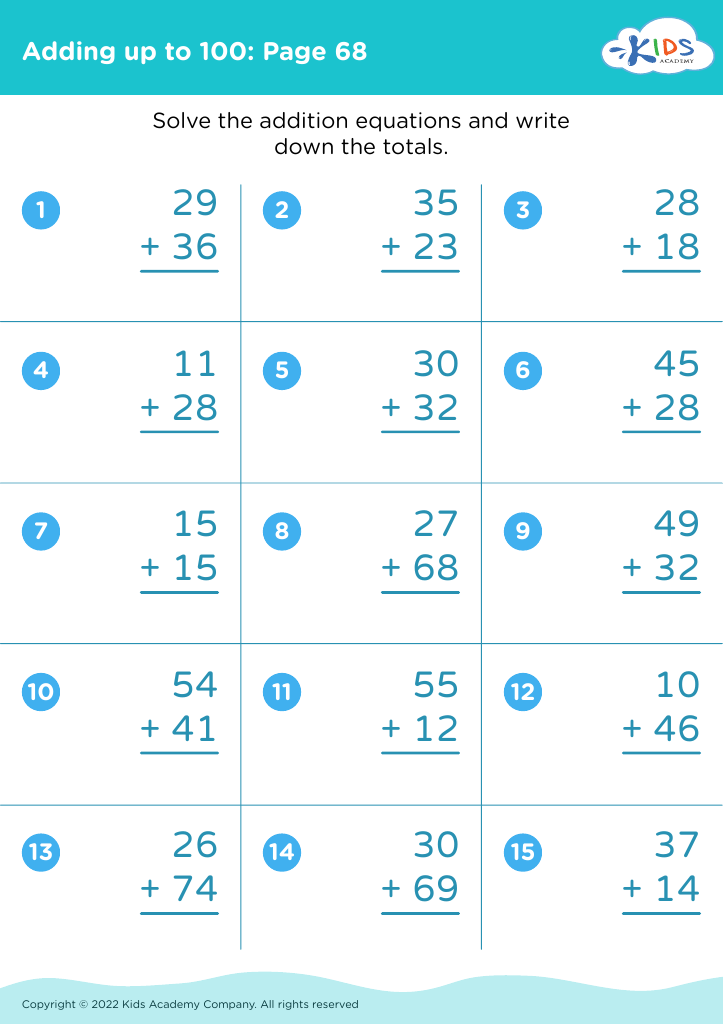




.jpg)



Ensuring that children aged 8-9 practice multiplication and addition is essential for their mathematical foundation and overall cognitive development. At this formative stage, children are developing critical thinking and problem-solving skills. Understanding basic arithmetic lays the groundwork for more advanced mathematical concepts they will encounter in later grades.
Multiplication and addition aren't just academic exercises; they have practical implications. Children use these skills in everyday activities like counting objects, measuring ingredients while cooking, or figuring out time differences. Mastery of these basic operations boosts their confidence and reduces apprehension towards more complex mathematical problems in the future.
Moreover, practicing these skills enhances memory and concentration. Repeated exercises reinforce neural pathways in the brain, making recall faster and more accurate. This repetition is crucial for ingraining these foundational skills, making future learning experiences more manageable and less daunting.
In a classroom or home environment, where resources and activities compete for attention, prioritizing practice in multiplication and addition fosters a numerate child capable of logical reasoning. This approach not only builds immediate academic success but also prepares them for a lifetime of analytical thinking and problem-solving in various aspects of life. In sum, a strong emphasis on these basic math skills during the ages of 8-9 is an investment in the child's future educational trajectory and practical everyday competence.








