Shape identification Addition Worksheets for Ages 8-9
13 filtered results
-
From - To
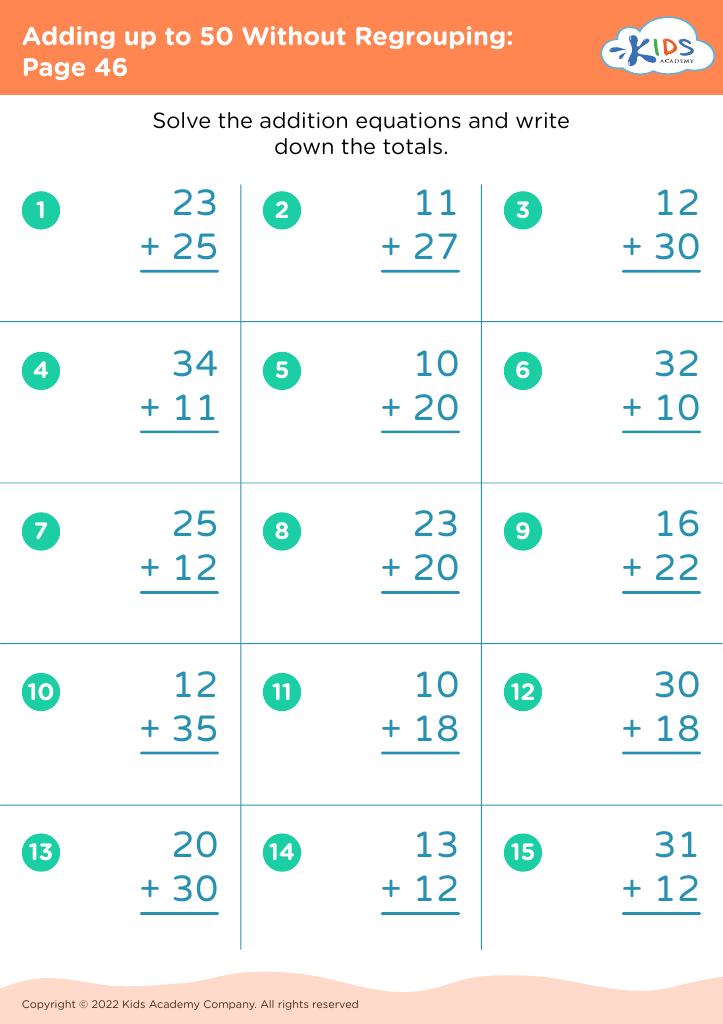
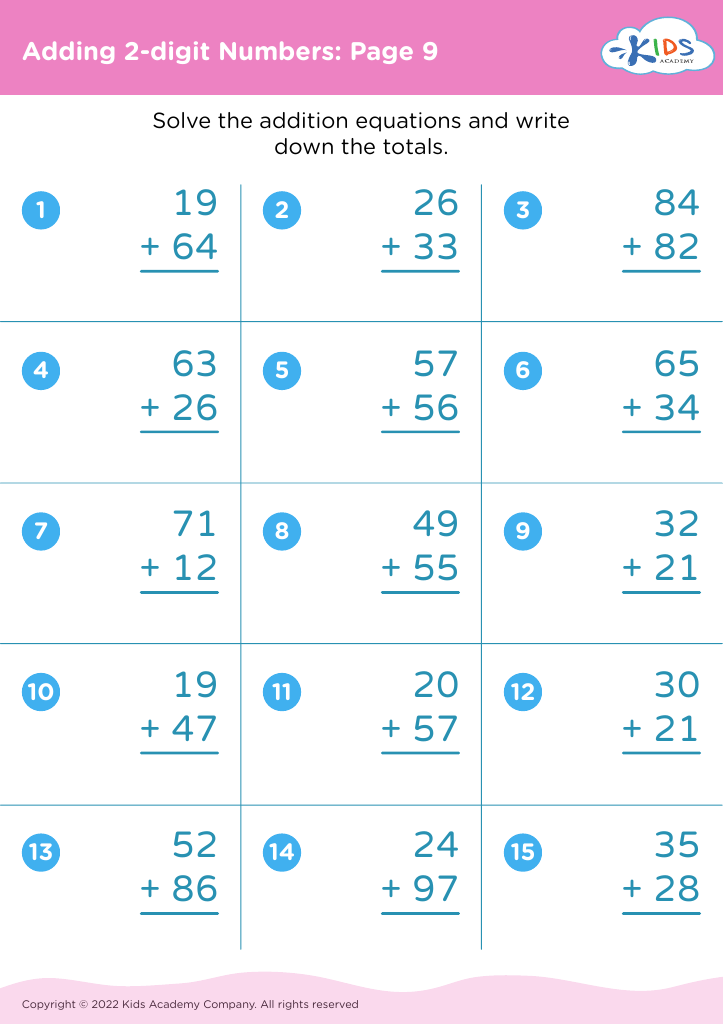
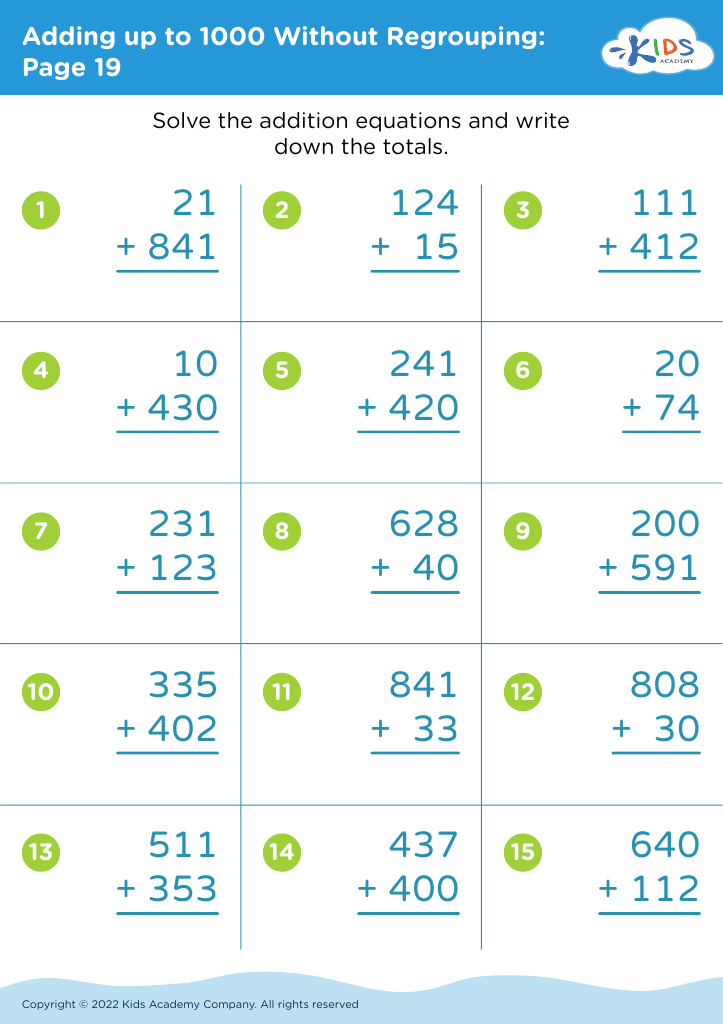
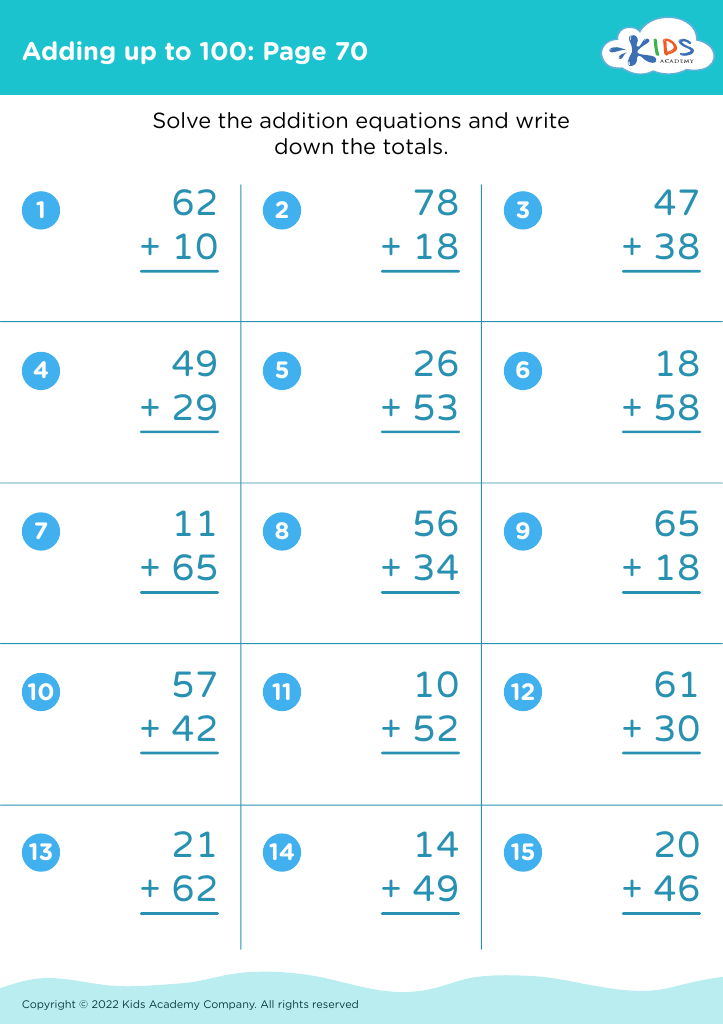
Enhance your child's math skills with our engaging Shape Identification Addition Worksheets for ages 8-9! Designed to be both educational and fun, these worksheets help children identify various shapes while practicing addition. Each page is filled with colorful shapes and intriguing addition problems, ensuring kids stay motivated and excited about learning. Ideal for homeschooling or supplemental practice, these worksheets contribute to building both geometry and arithmetic foundations. With our printable resources, your child will gain confidence in math while developing critical thinking and problem-solving skills. Boost your child's education with these dynamic, proficiency-boosting worksheets today!
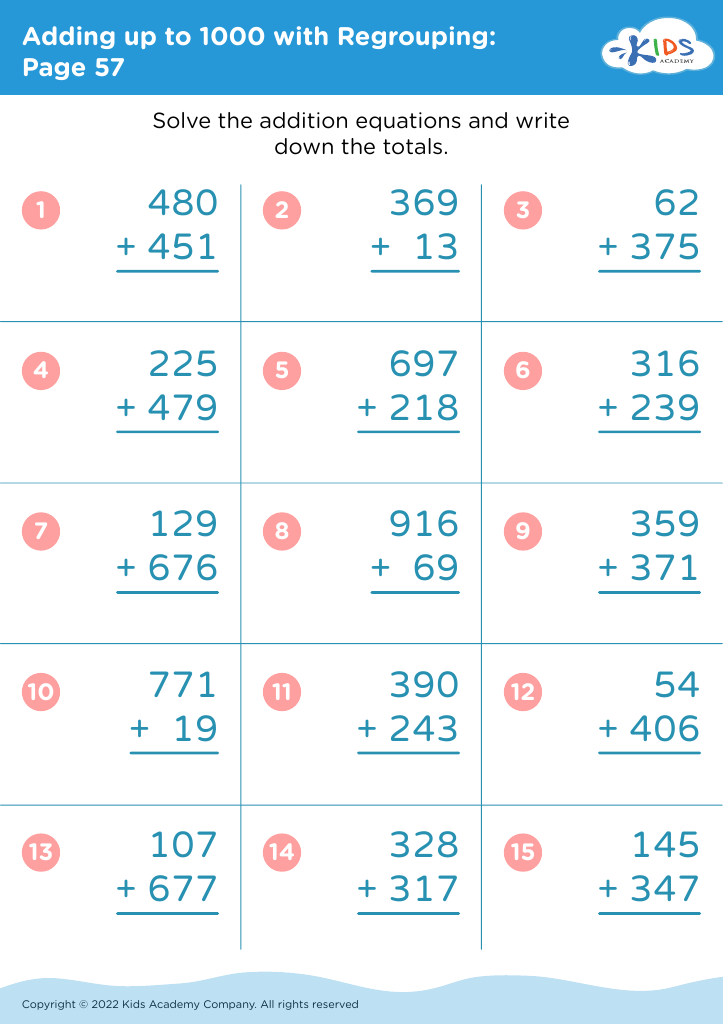
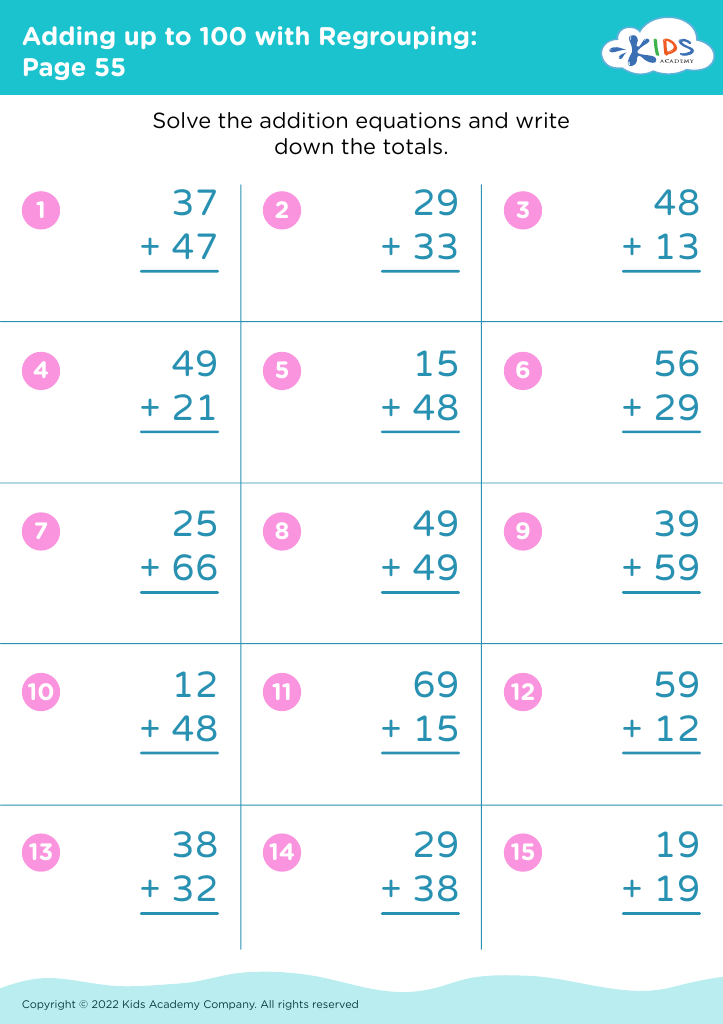
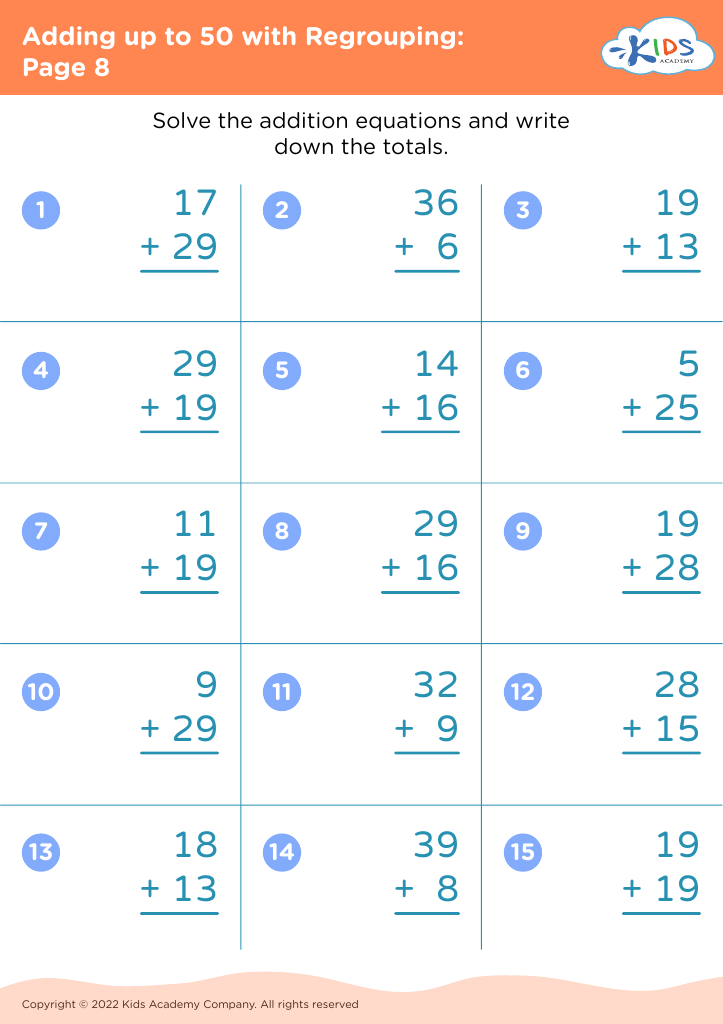
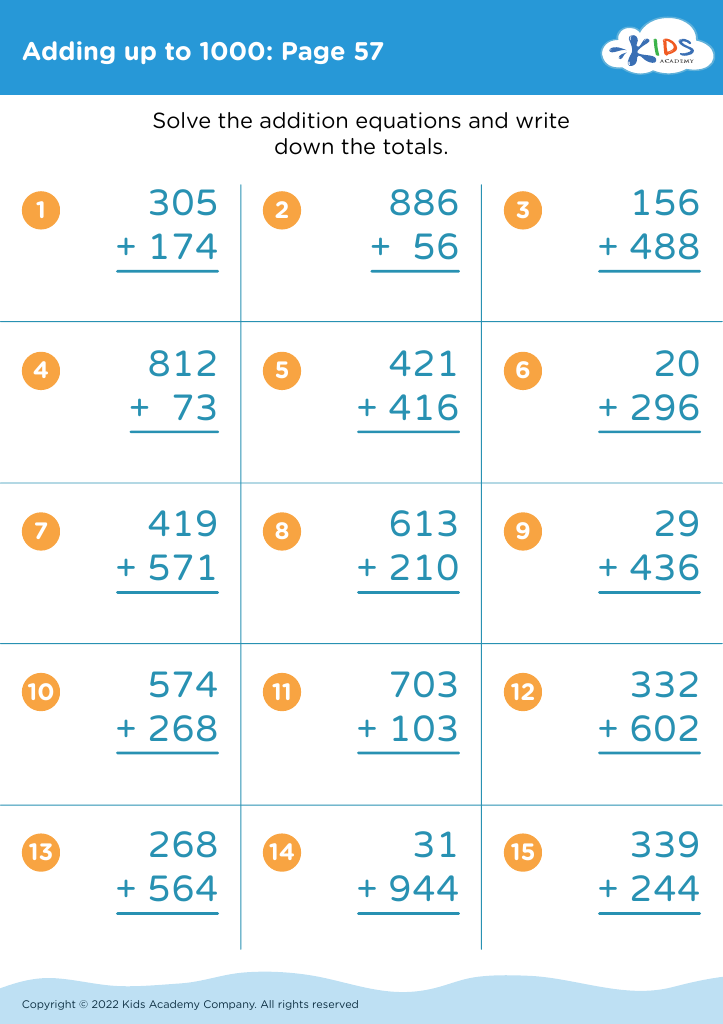
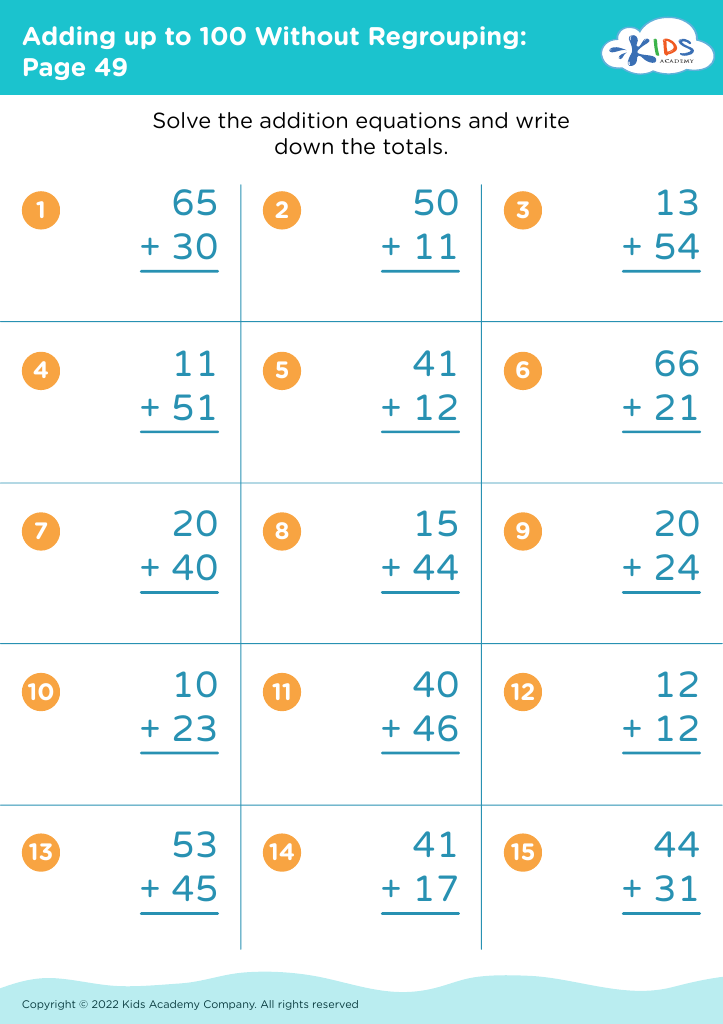
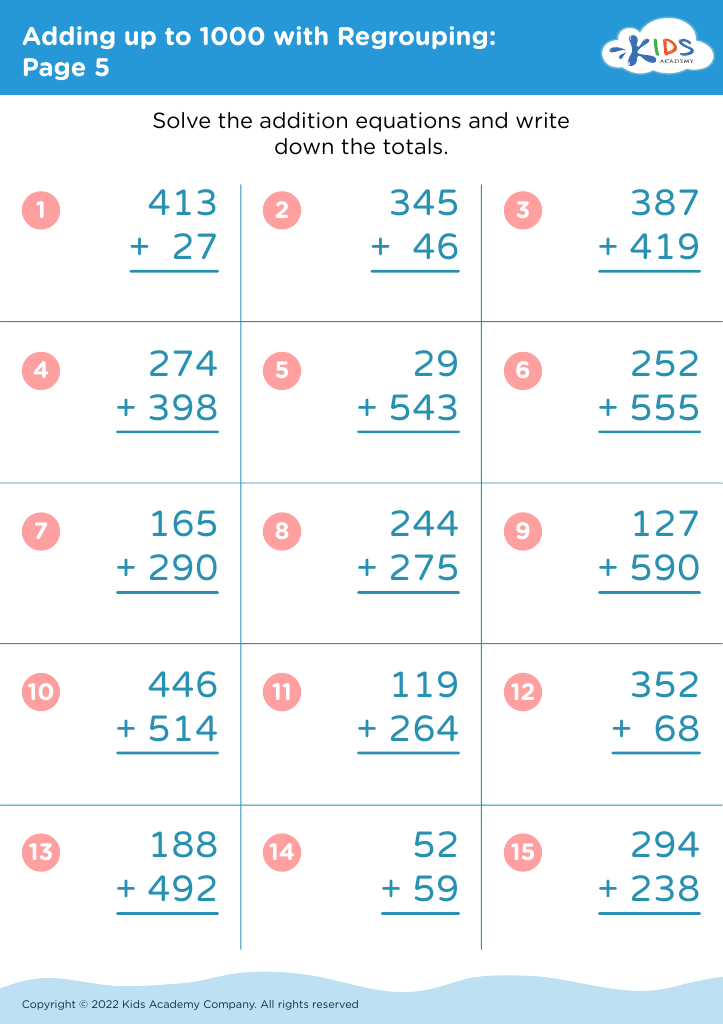
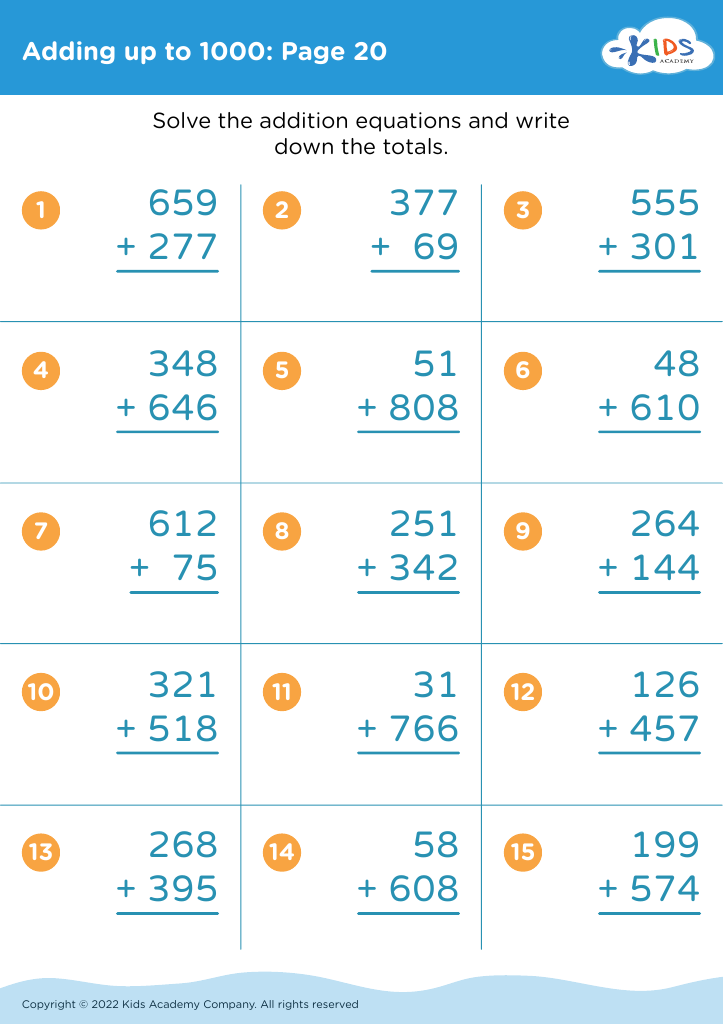
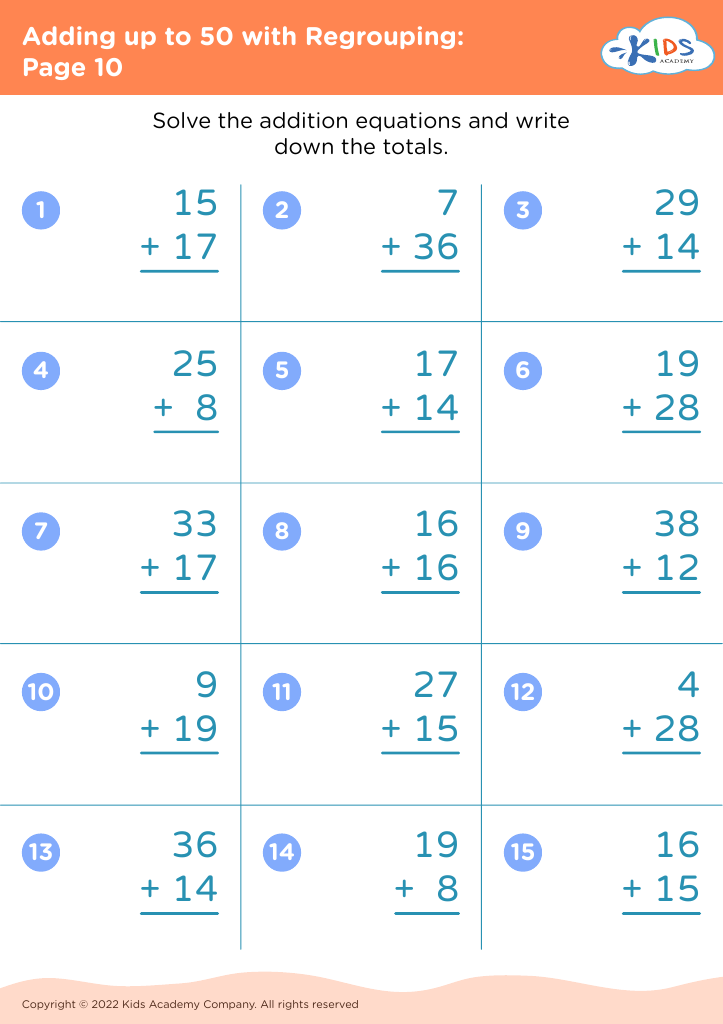
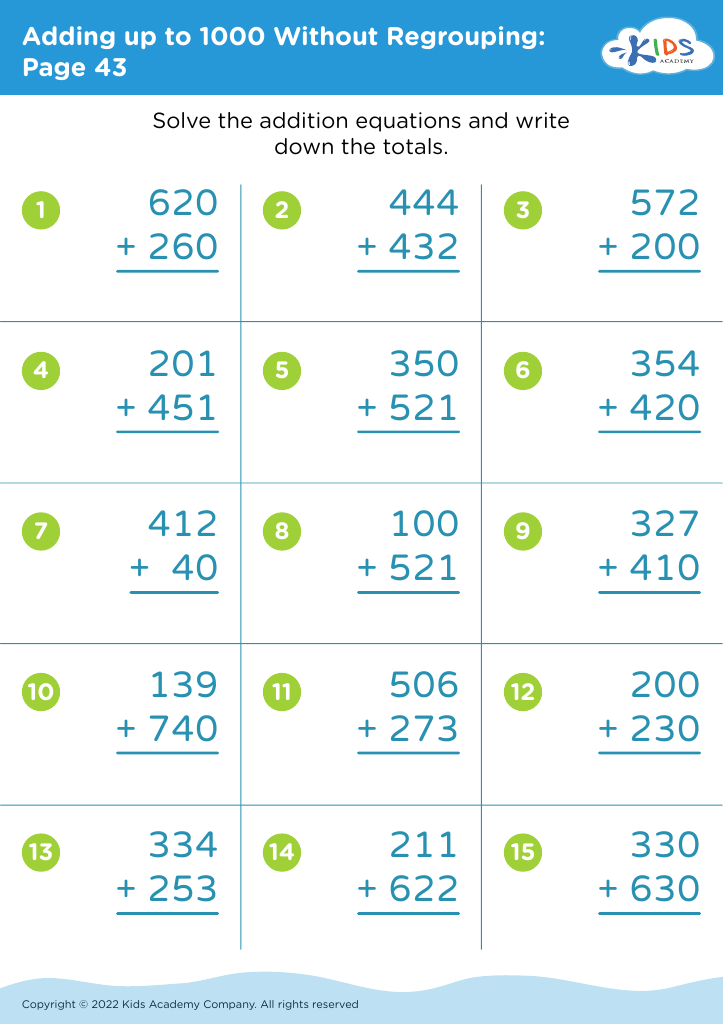








Parents and teachers should emphasize shape identification and simple addition for ages 8-9 as they are foundational skills in children’s cognitive and academic development. Engaging in these activities hones their visual-spatial intelligence, which is critical for understanding more complex math concepts in later grades, such as geometry and algebra.
Shape identification enhances problem-solving and analytical skills. When children recognize different geometric shapes, they can better interpret visual data in science, art, and daily life. This understanding is fundamental for fields that involve design, architecture, and engineering.
Addition, on the other hand, is a building block for all mathematical operations. Early proficiency in addition supports a child’s ability to tackle more complex arithmetic operations, fostering confidence in their math abilities.
Moreover, integrating these skills into fun activities like games and puzzles encourages a love for learning and enhances motivation. Practical applications, like identifying shapes in the environment or adding numbers in shopping scenarios, make learning relevant and strengthen real-world connections.
In sum, focusing on shape identification and addition not only equips children with essential academic skills but also promotes their overall cognitive development, preparing them for future educational challenges and practical situations.








