Shape Recognition Addition Worksheets for Ages 8-9
31 filtered results
-
From - To
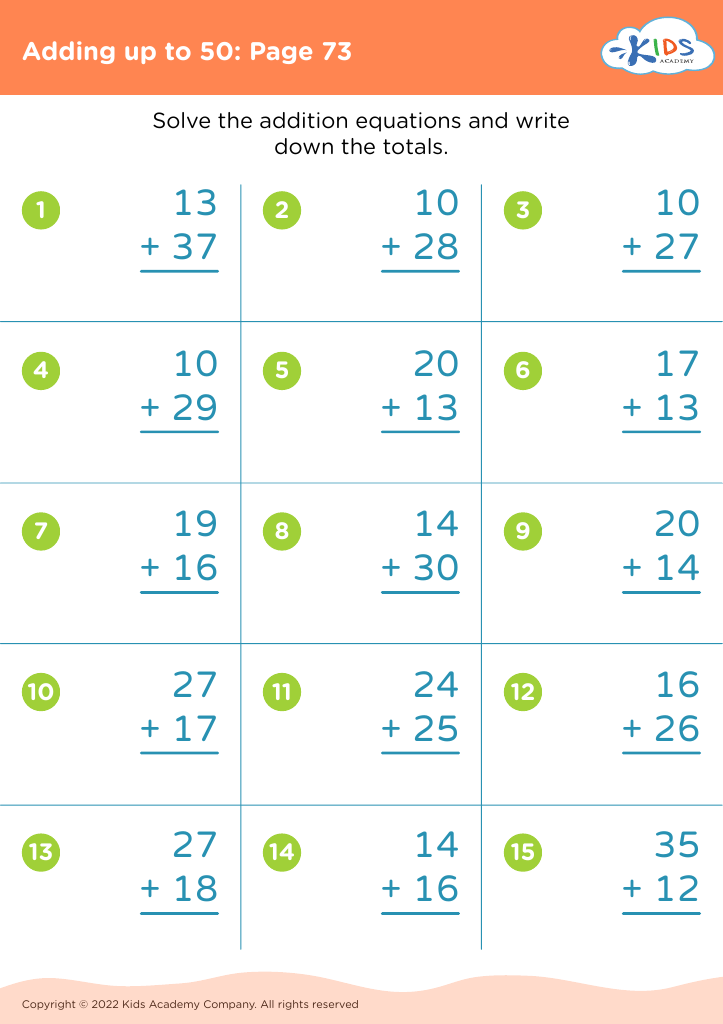
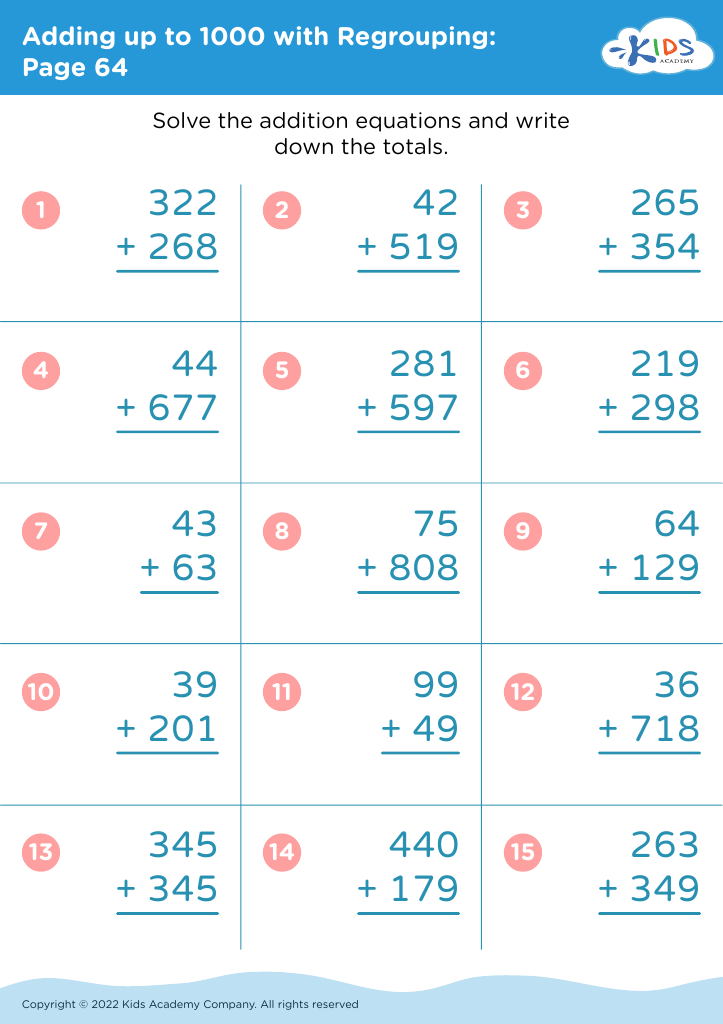
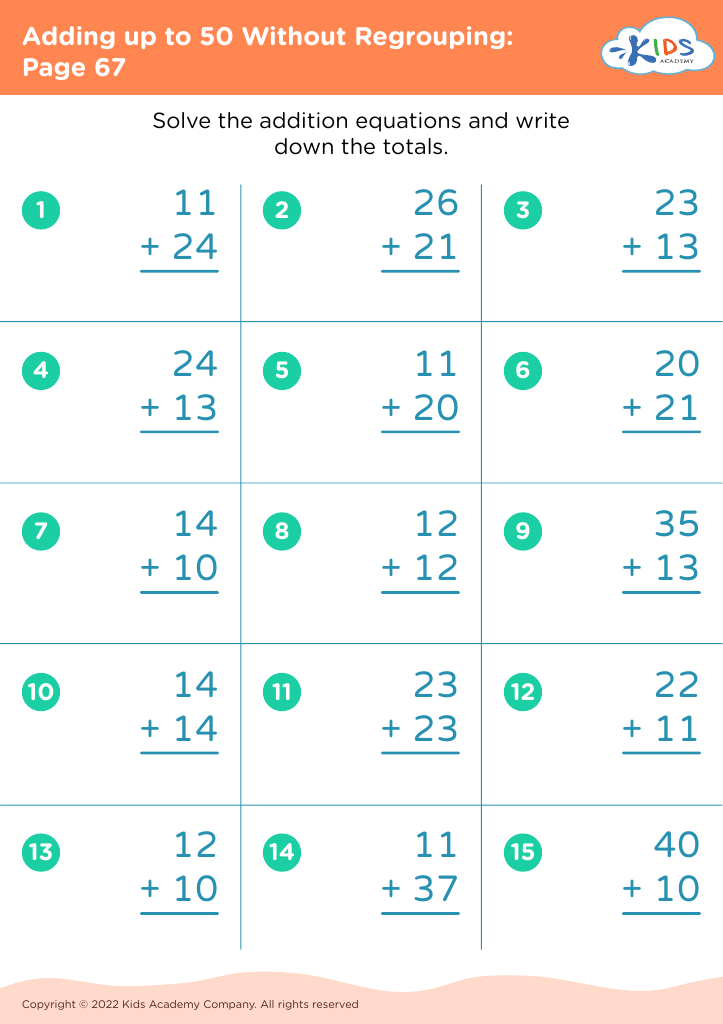
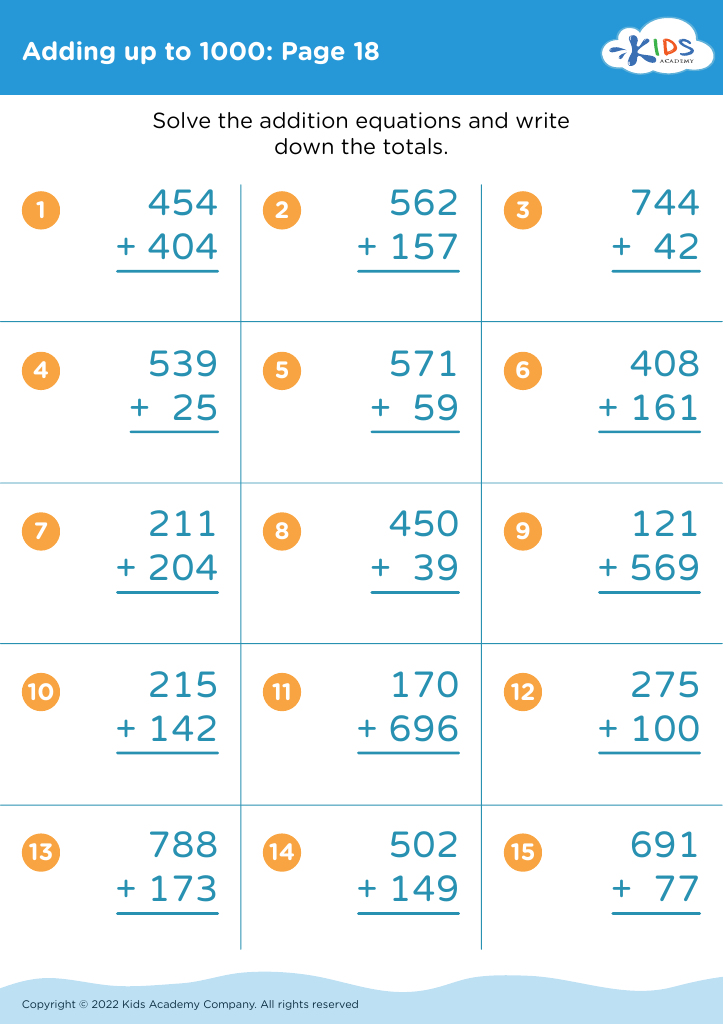
Unlock your child's mathematical potential with our Shape Recognition Addition Worksheets designed for ages 8-9! These engaging worksheets combine crucial shape identification skills with fundamental addition practice, helping young learners strengthen their understanding of geometry while enhancing their arithmetic abilities. Kids will enjoy colorful illustrations and interactive exercises that make learning fun and effective. By completing these worksheets, children will develop confidence in recognizing shapes and performing addition with ease. Ideal for home or classroom use, our resources are perfect for supplementing children's education, preparing them to tackle more advanced math concepts with solid foundational skills. Start their journey to math mastery today!
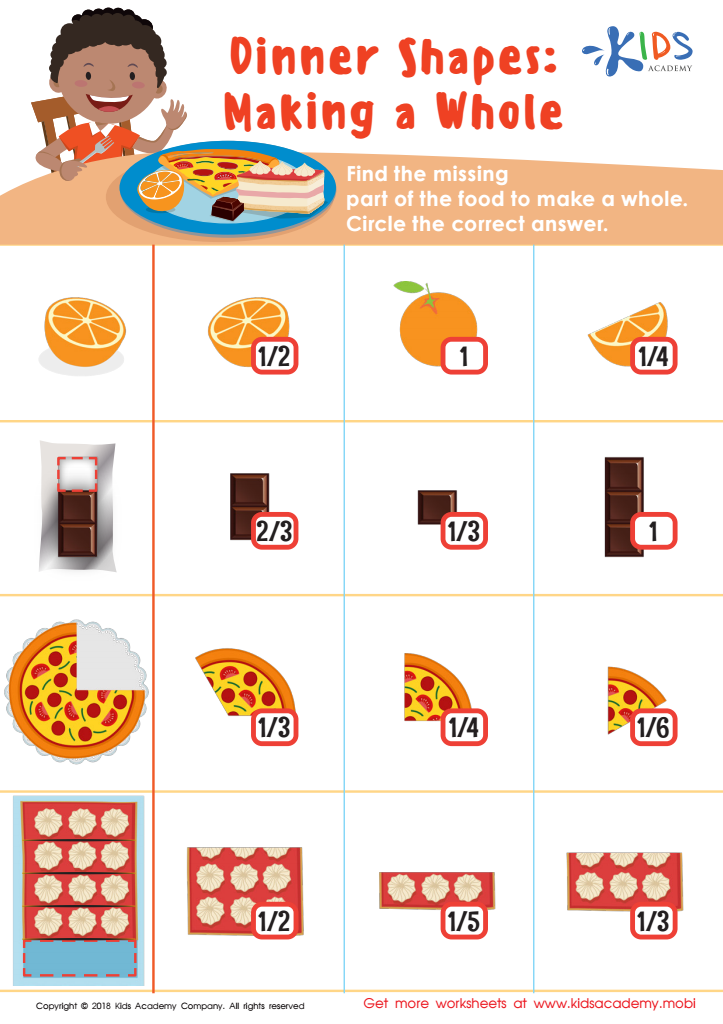
Dinner Shapes: Making a Whole Worksheet
 Assign to My Students
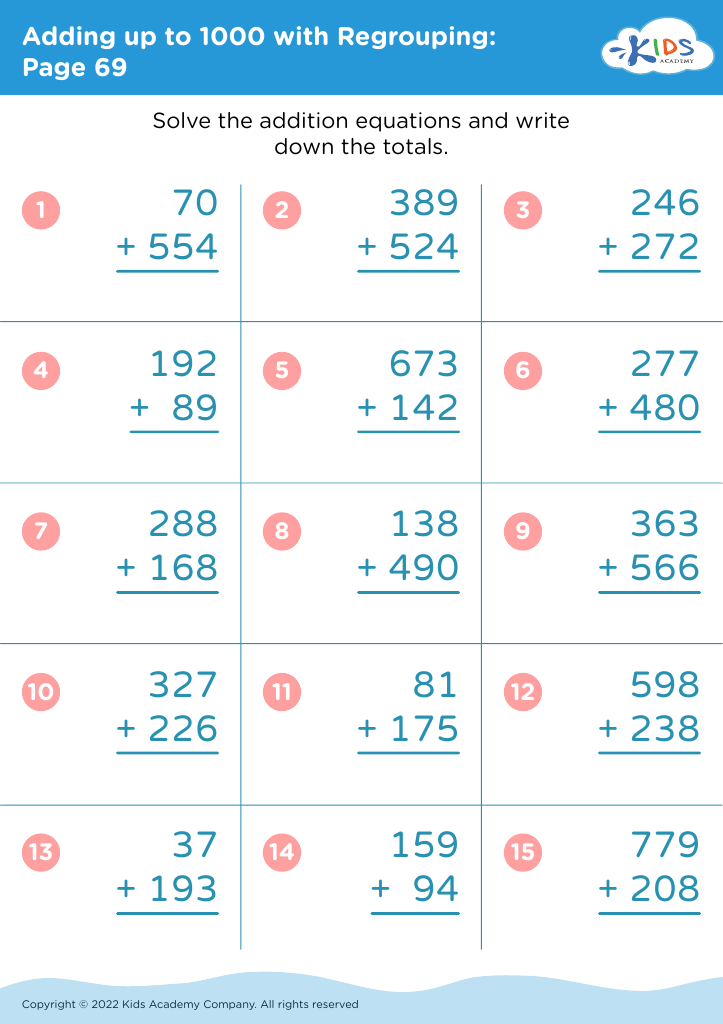
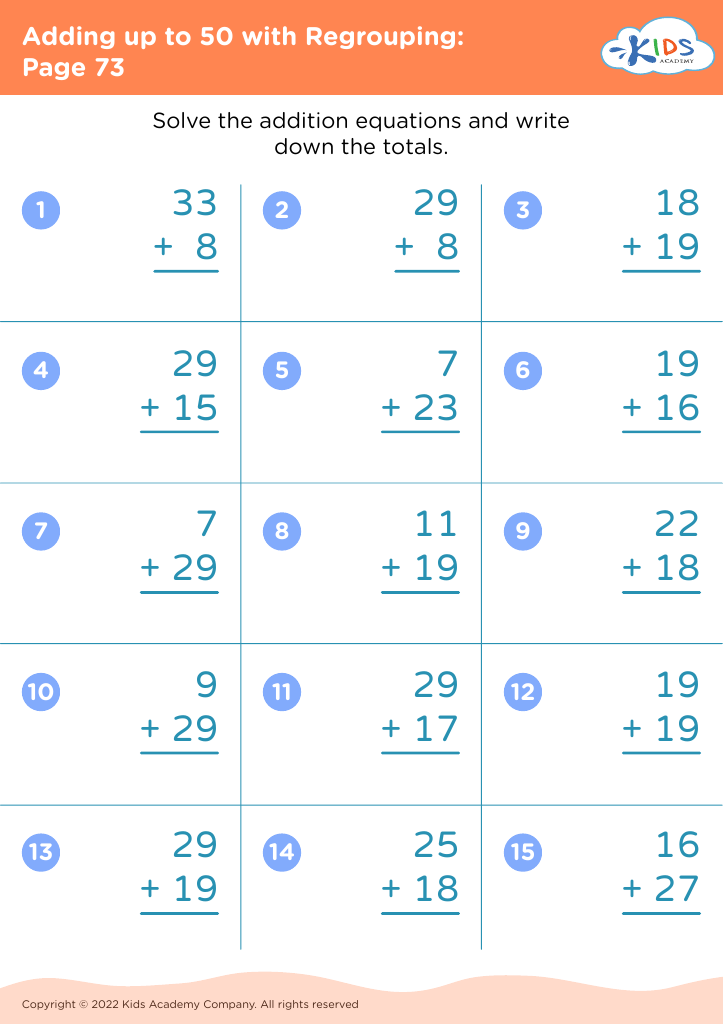
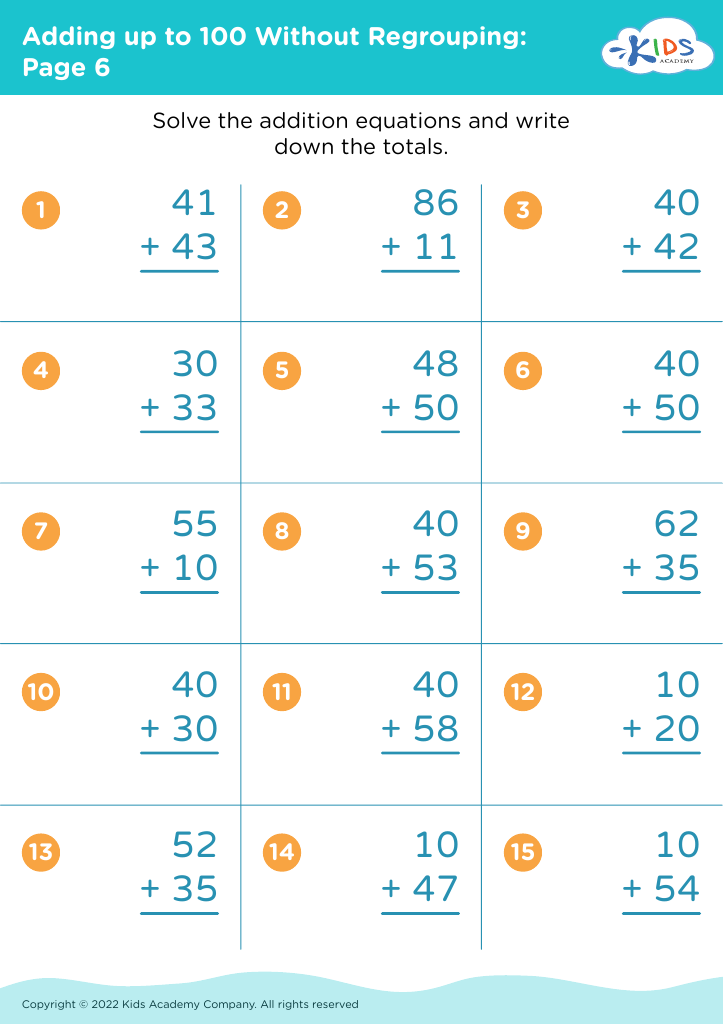
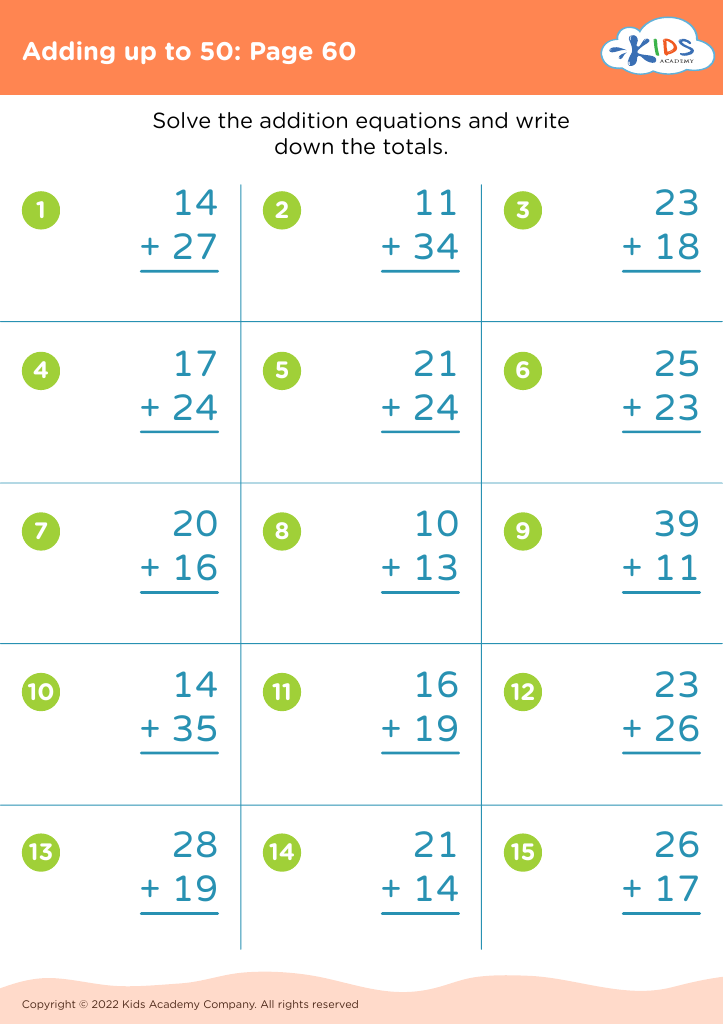
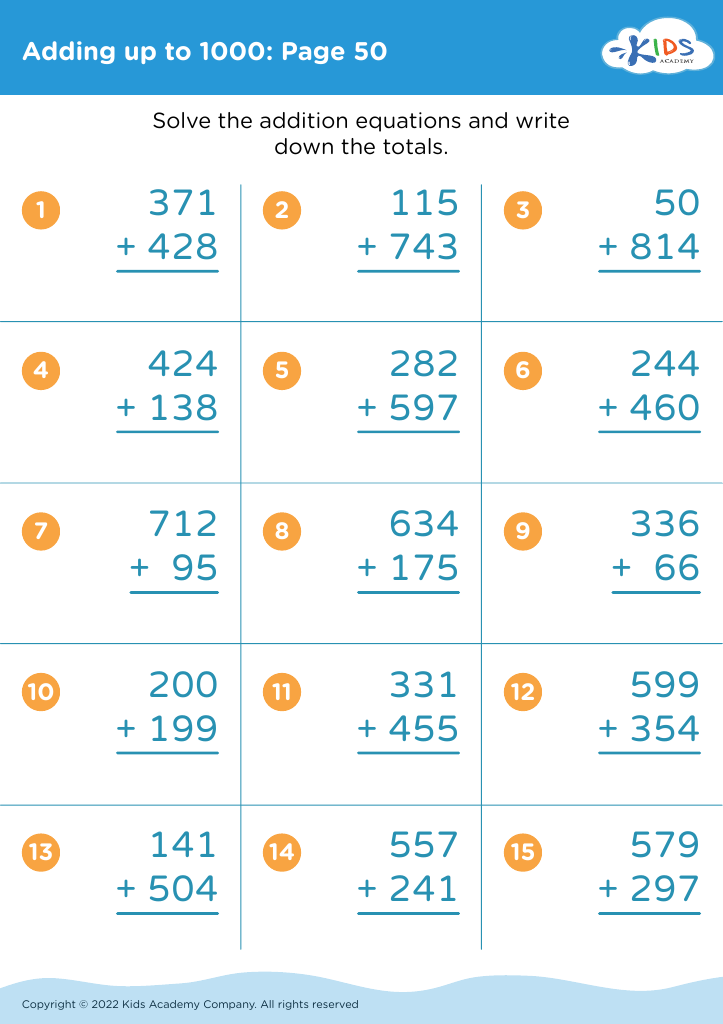
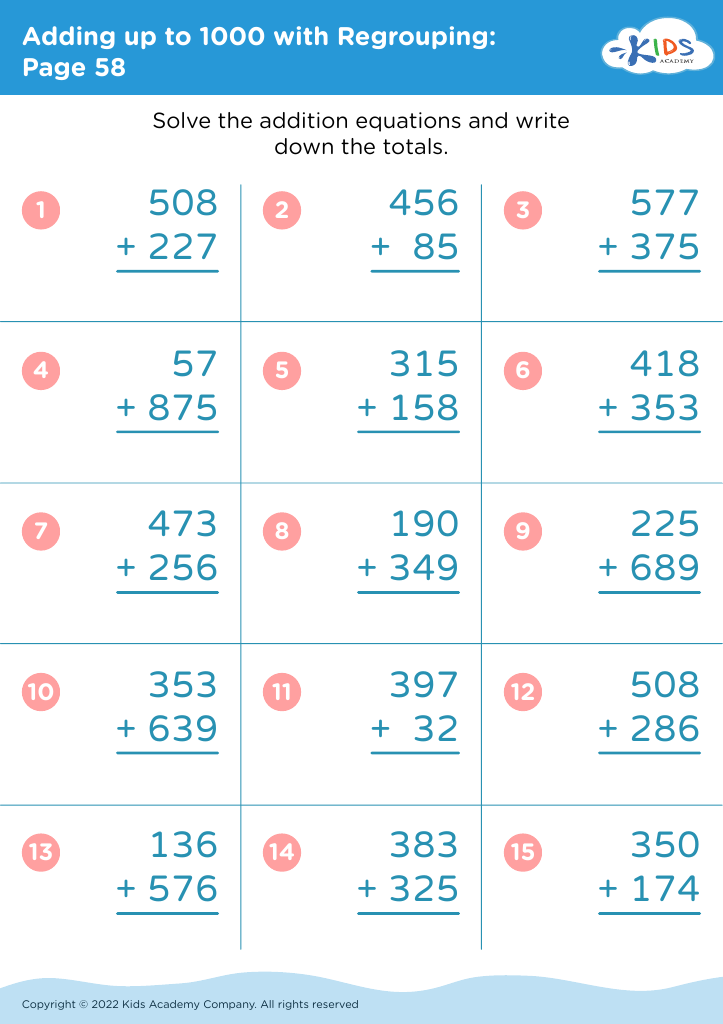
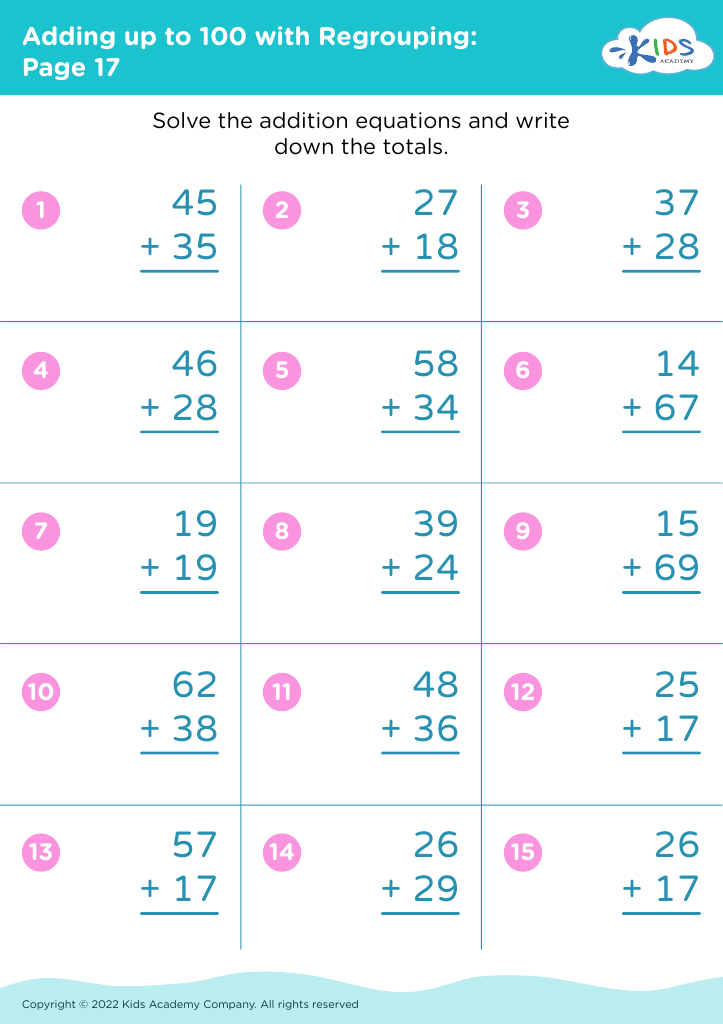
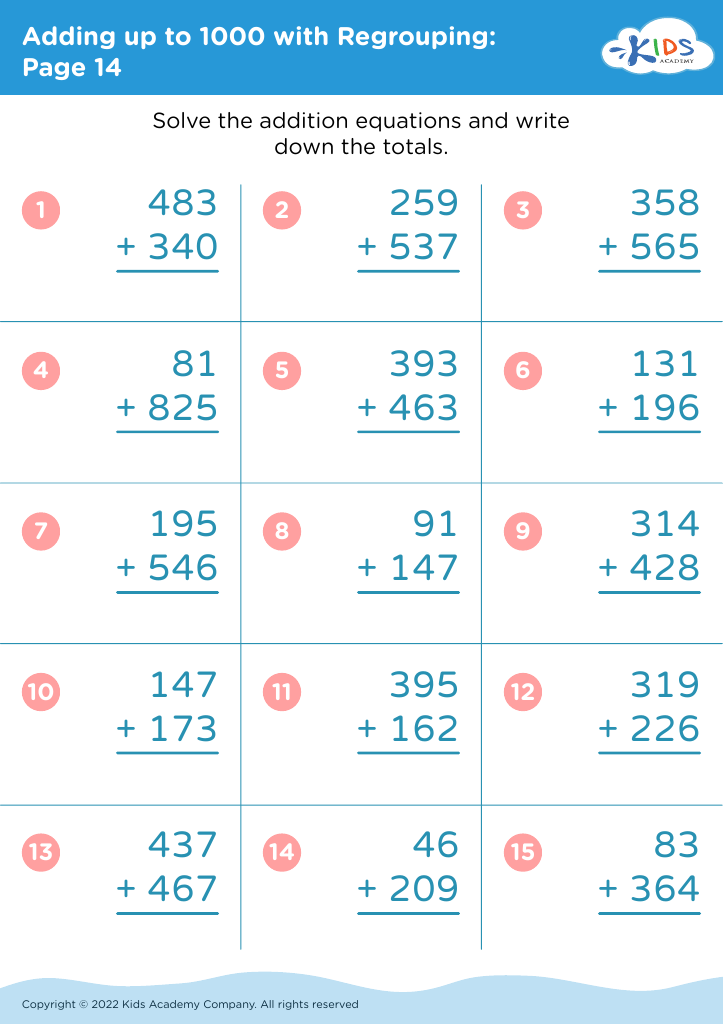








Shape recognition addition is critical for children aged 8-9 as it blends foundational math skills with visual perception, laying the groundwork for more complex concepts. At this age, students begin transitioning from concrete to abstract thinking, making it essential to harness their ability to identify and manipulate shapes in mathematical contexts.
Understanding shapes can help children visualize addition problems, enhancing their spatial reasoning skills. For example, when combining different geometric shapes to form new ones, students can intuitively grasp the concept of addition. This not only reinforces arithmetic skills but also fosters creativity and critical thinking.
Additionally, proficiency in shape recognition can boost students’ confidence in tackling geometry topics, which become increasingly important in later grades. As they learn to visualize and solve problems associated with shapes, students develop a deeper understanding of both mathematics and the world around them.
Encouraging practice in shape recognition addition ensures students are well-prepared for more advanced mathematical concepts and challenges. Furthermore, engaging with this method promotes active participation and collaborative learning, reinforcing concepts in a fun, interactive manner that benefits overall academic growth. Thus, prioritizing shape recognition addition in early education has lasting advantages for children's development.








