Comparing lengths Comparing Numbers Worksheets for Ages 8-9
4 filtered results
-
From - To
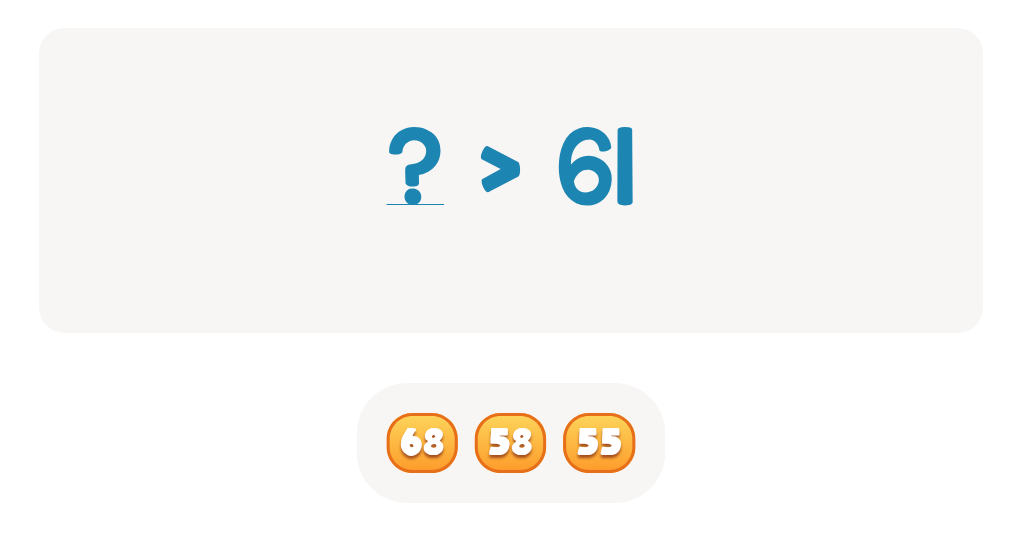
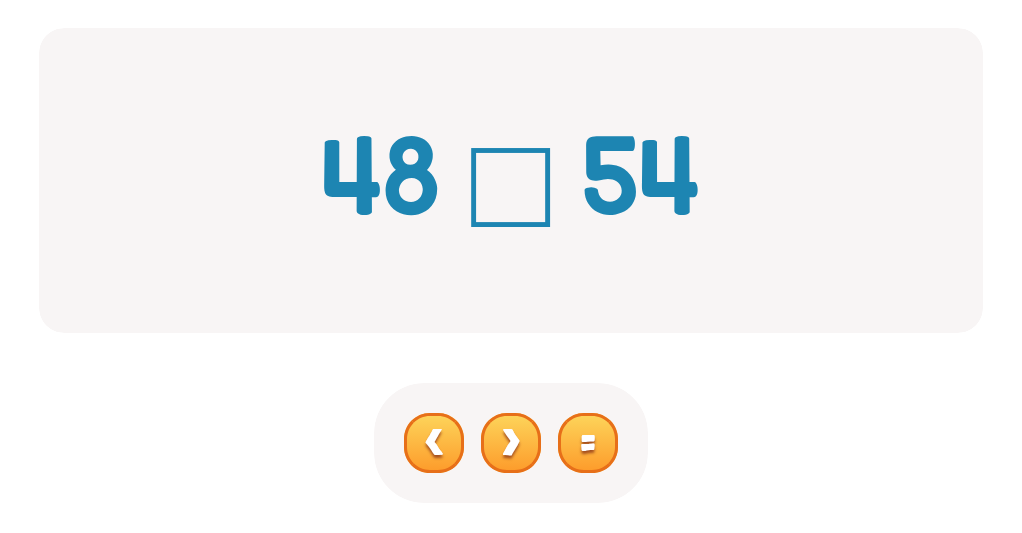
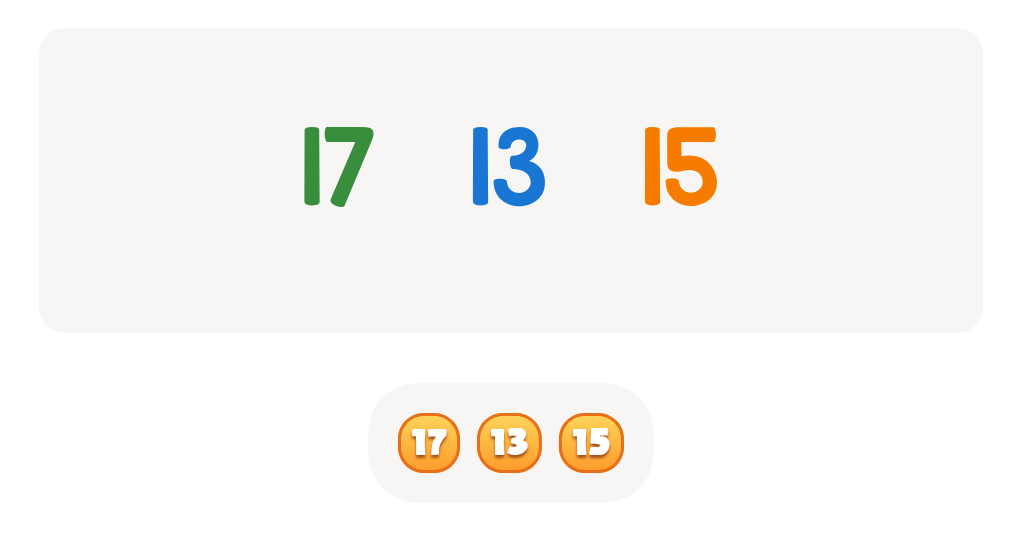
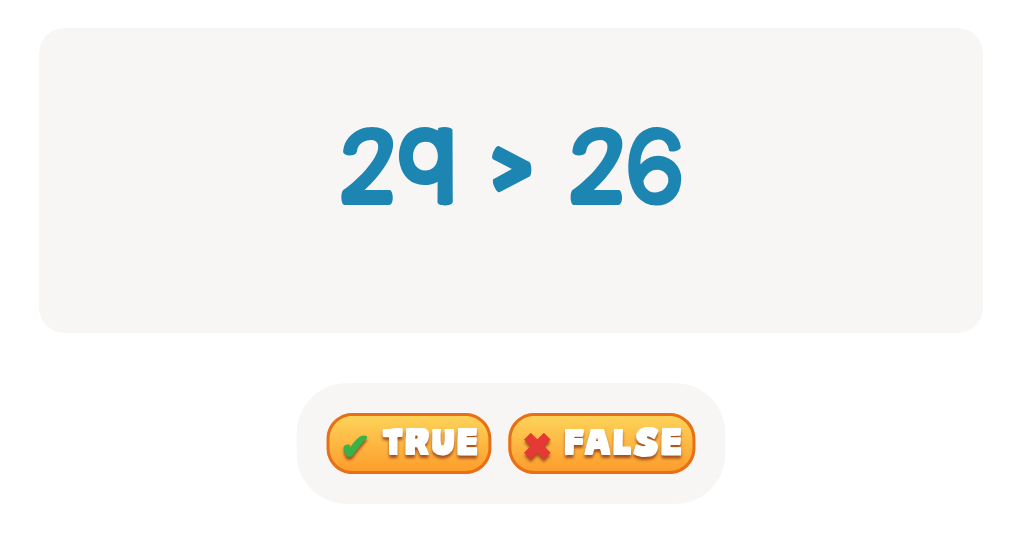
Discover our engaging Comparing Lengths and Comparing Numbers Worksheets tailored for children aged 8-9. These worksheets are designed to enhance critical thinking and quantitative reasoning by challenging students to compare different lengths. Through interactive exercises, kids will learn to measure, order, and compare various objects, building foundational skills in measurement and estimation. Our carefully crafted resources provide a fun and educational experience, encouraging young learners to explore mathematical concepts while reinforcing their understanding of numbers. Perfect for home or classroom use, these worksheets help prepare children for more advanced math as they develop confidence in their comparing skills. Get started today!
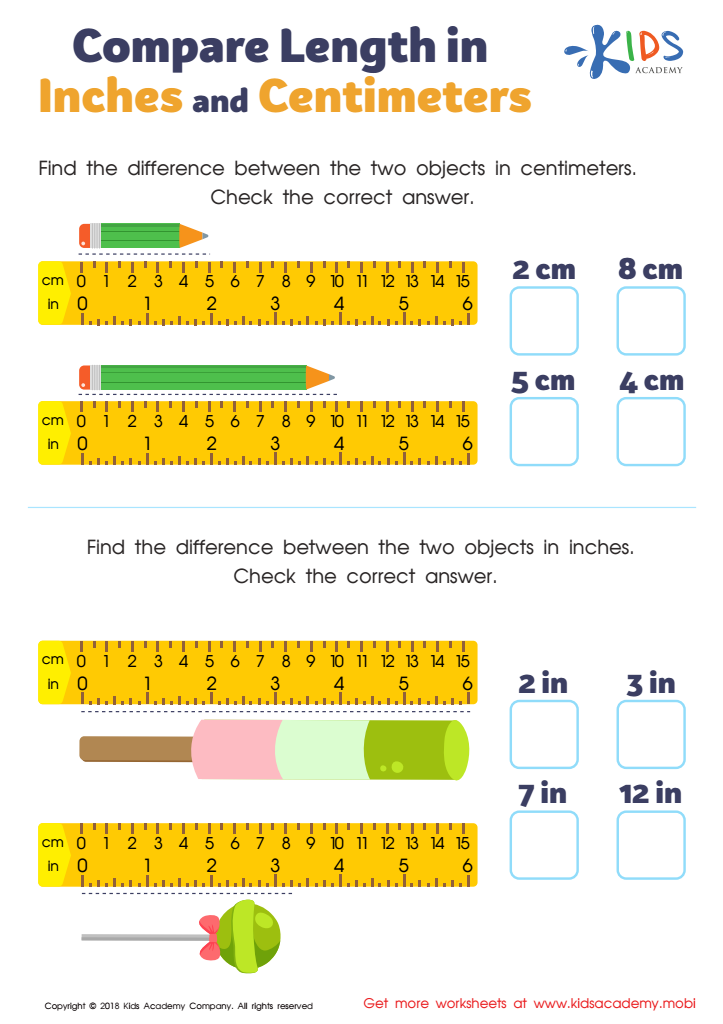
Compare Length in Inches and Centimeters Worksheet
 Assign to My Students

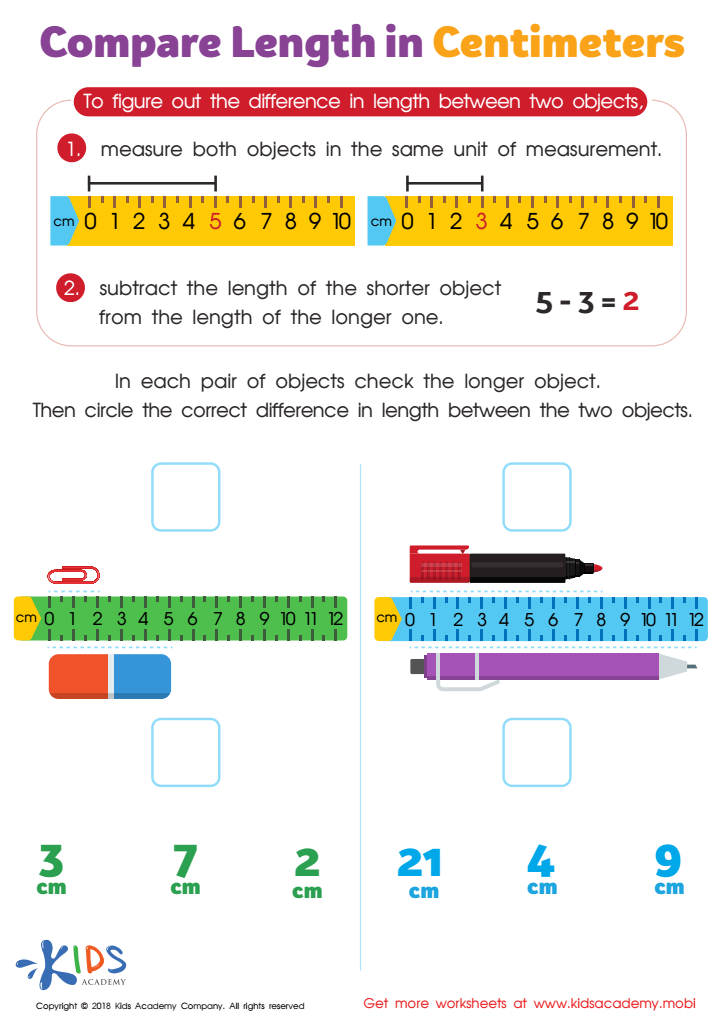
Compare Length in Centimeters Worksheet
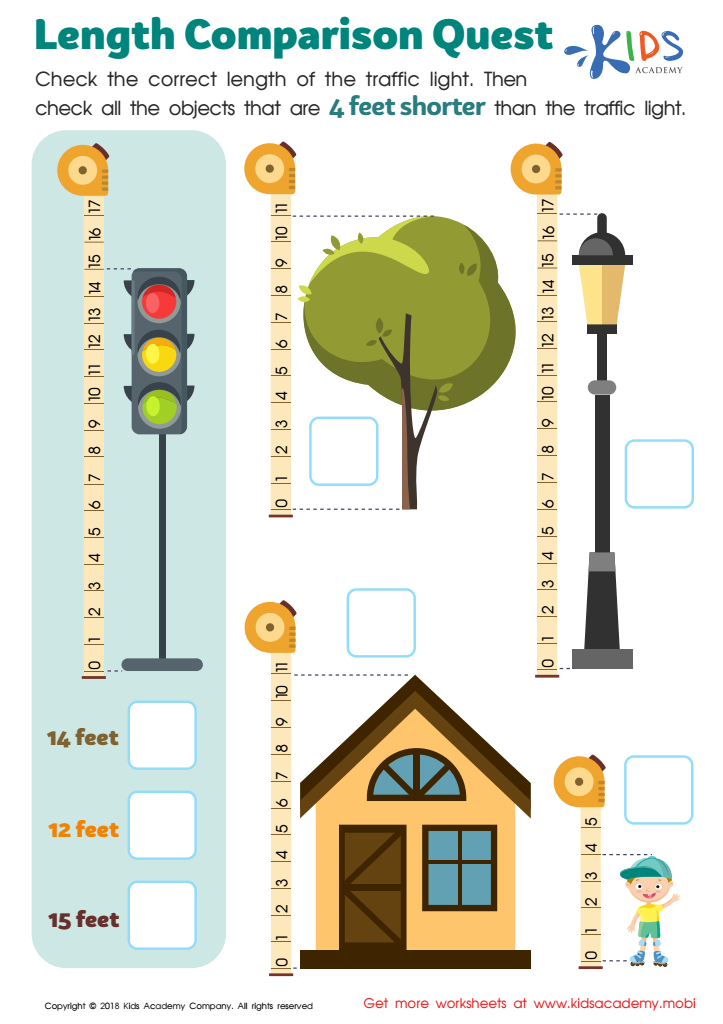
Length Comparison Quest Worksheet
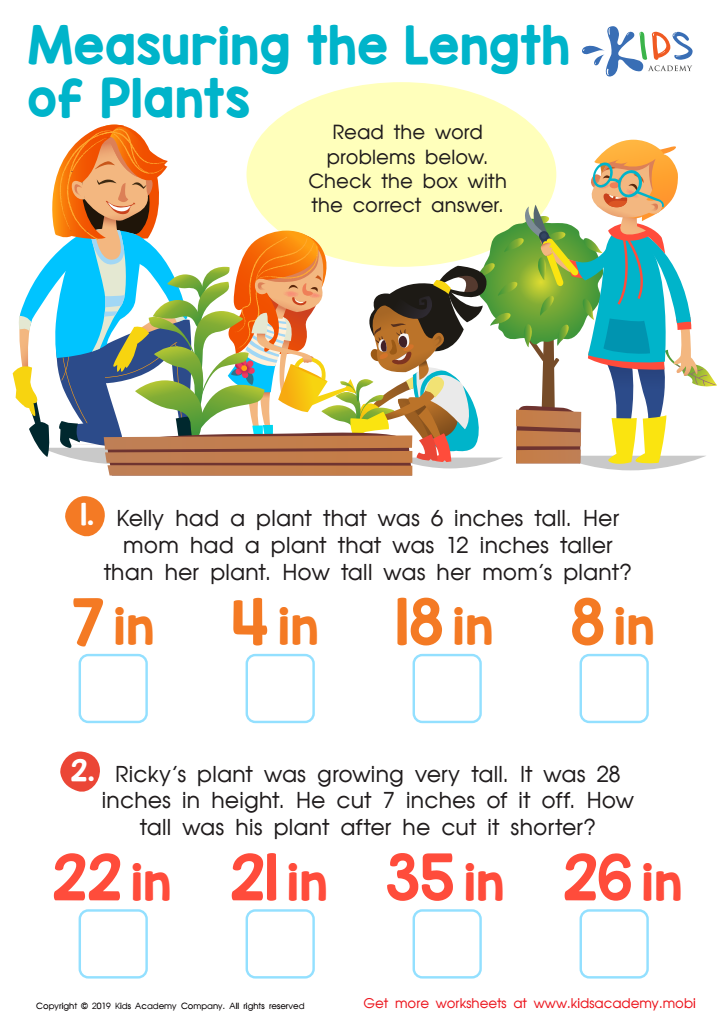
Measuring the Length of Plants Worksheet



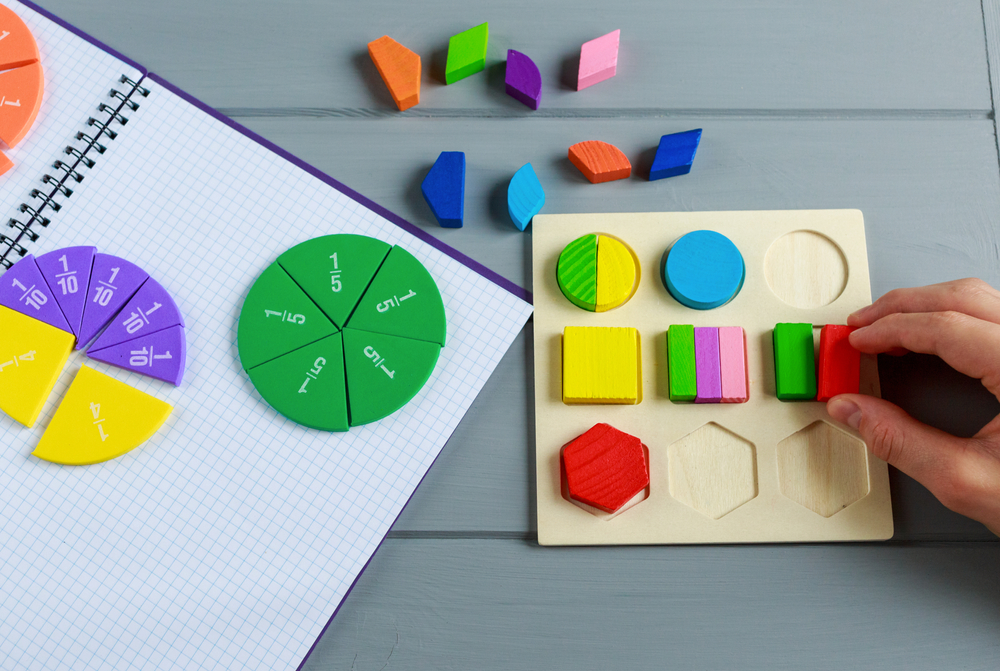




Comparing lengths and numbers is a crucial skill for children aged 8-9, laying the foundation for their mathematical understanding and problem-solving abilities. At this stage, students enter more complex mathematical concepts, where proficiency in comparing lengths helps with measurement, geometry, and understanding spatial relationships. By engaging with these concepts, children learn to apply measurement tools, recognize units, and make meaningful comparisons, all of which are essential skills for daily life and advanced studies.
Furthermore, comparing numbers enhances children’s number sense, enabling them to understand value, patterns, and relationships between numbers. This understanding builds confidence as they tackle addition, subtraction, and even multiplication and division. When children can accurately compare quantities, they develop critical thinking and improved analytical skills that are beneficial across subjects.
Parents and teachers play a vital role in reinforcing these concepts, encouraging discussions that go beyond rote learning. Activities such as measuring everyday objects, engaging in games involving comparison, and tackling real-world problems empower children to see the relevance of these skills. By fostering a supportive environment that emphasizes the importance of comparing lengths and numbers, educators and parents help children develop not only essential mathematical competencies but also a love for learning that lasts a lifetime.