Problem-Solving Skills Comparing Numbers Worksheets for Ages 8-9
3 filtered results
-
From - To
Enhance your child's critical thinking with our engaging "Problem-Solving Skills Comparing Numbers Worksheets for Ages 8-9". Designed by educational experts, these worksheets cultivate essential mathematics skills. Your child will practice comparing numbers using greater-than, less-than, and equal-to symbols, while tackling fun and challenging problems. These activities not only bolster arithmetic proficiency but also foster logical reasoning and decision-making abilities. Ideal for both classroom and home use, our worksheets provide an interactive and enjoyable way to master comparing numbers, ensuring confident and skilled young mathematicians. Empower your child's problem-solving journey today with our comprehensive worksheets.
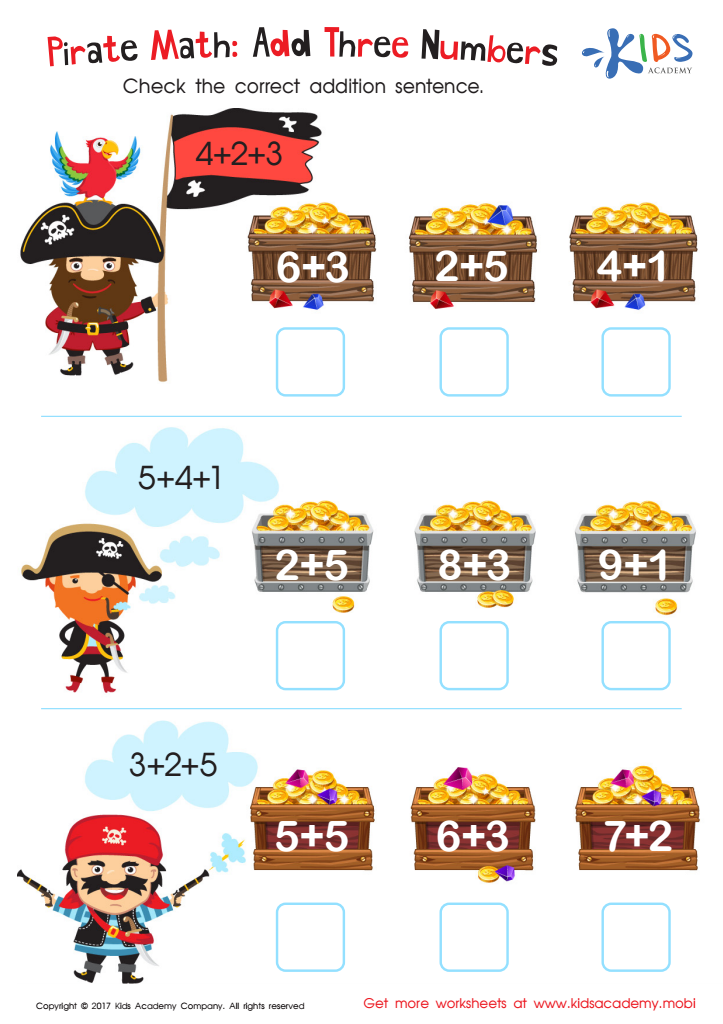
Pirate Math Printable
 Assign to My Students
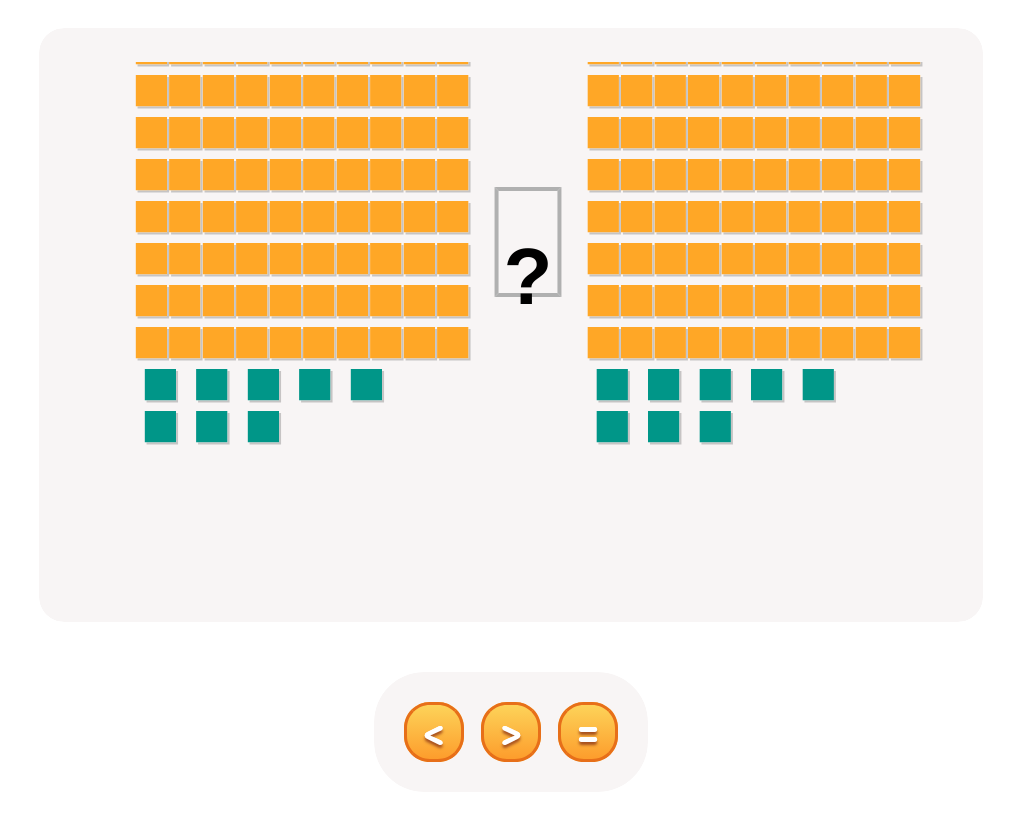

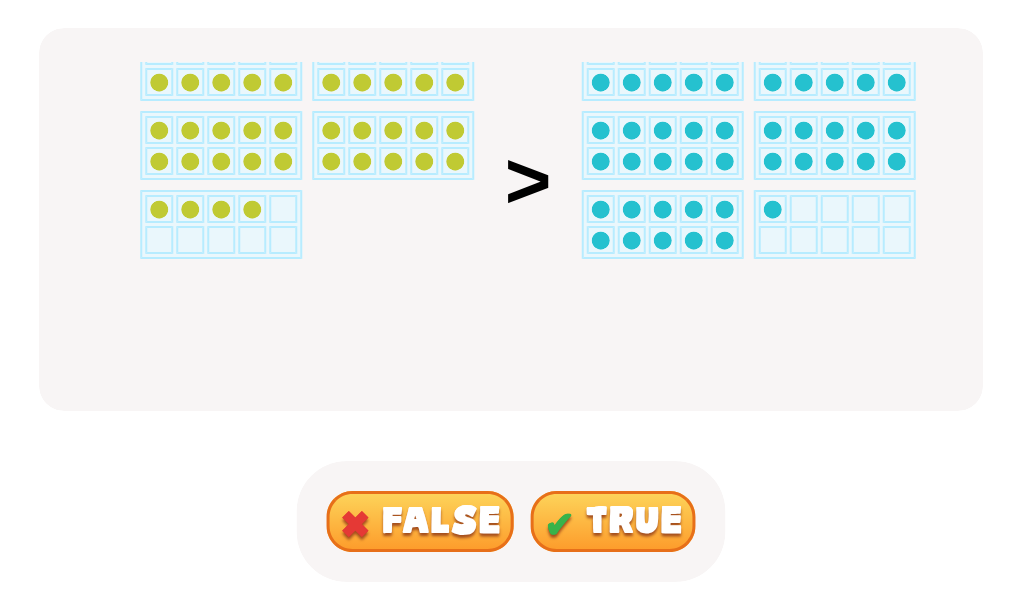
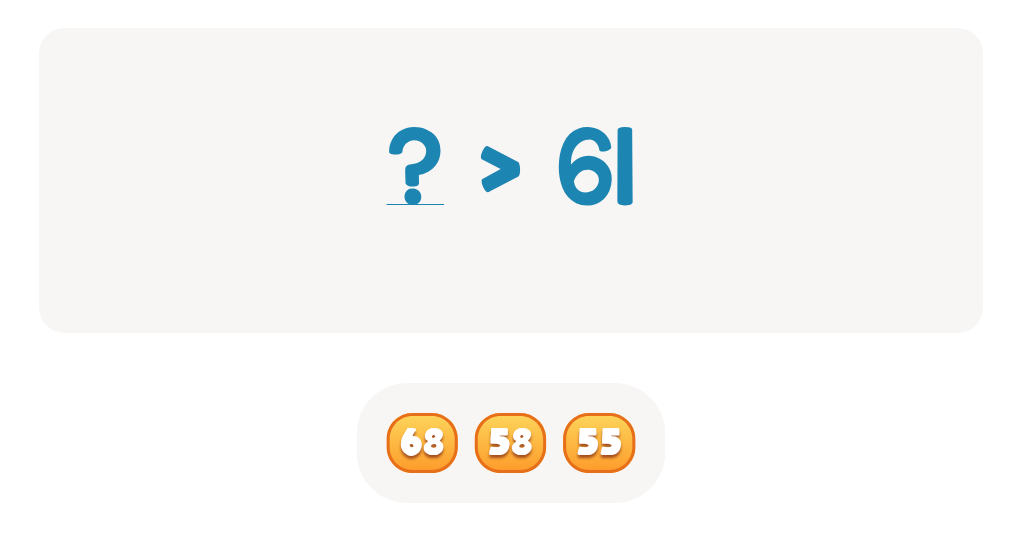
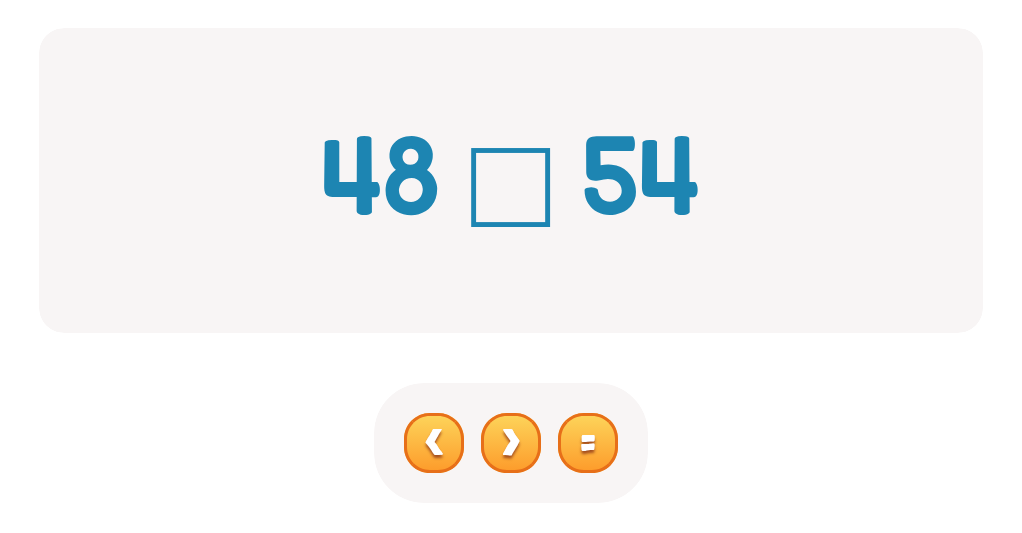
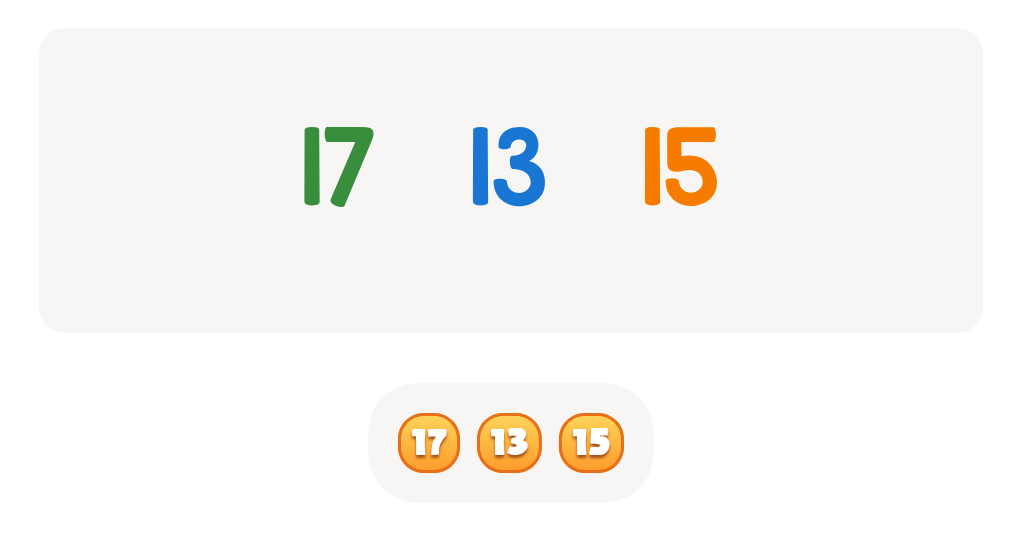
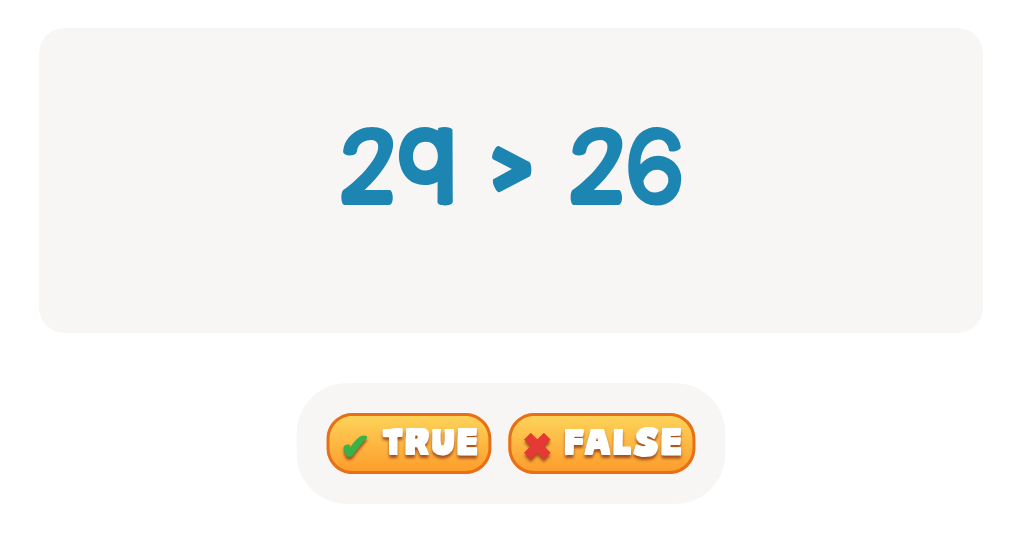
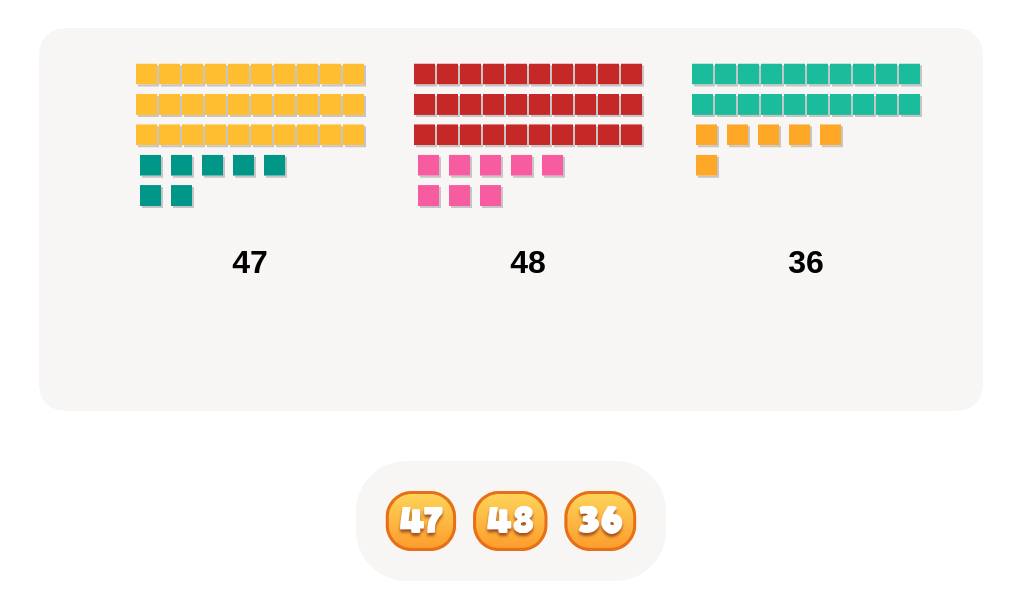
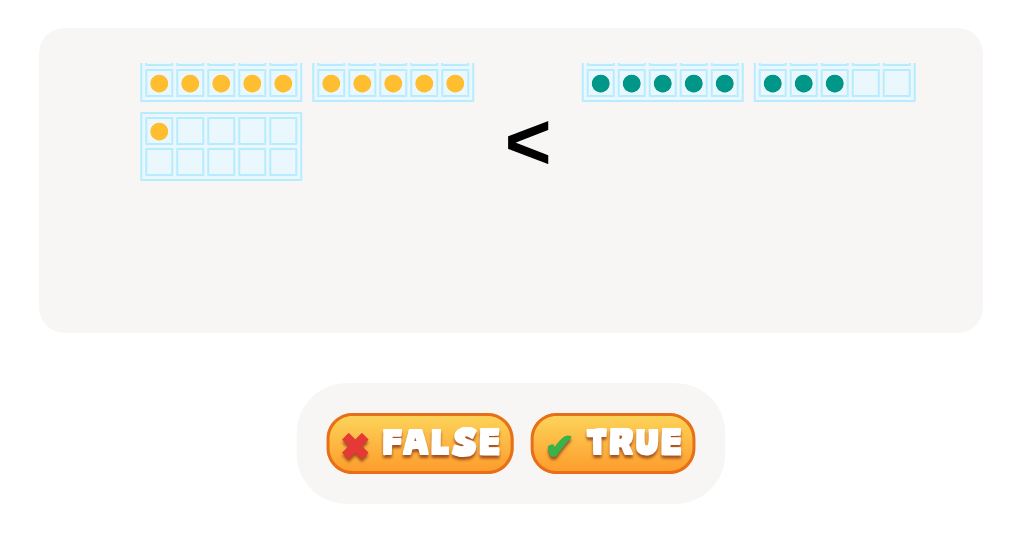
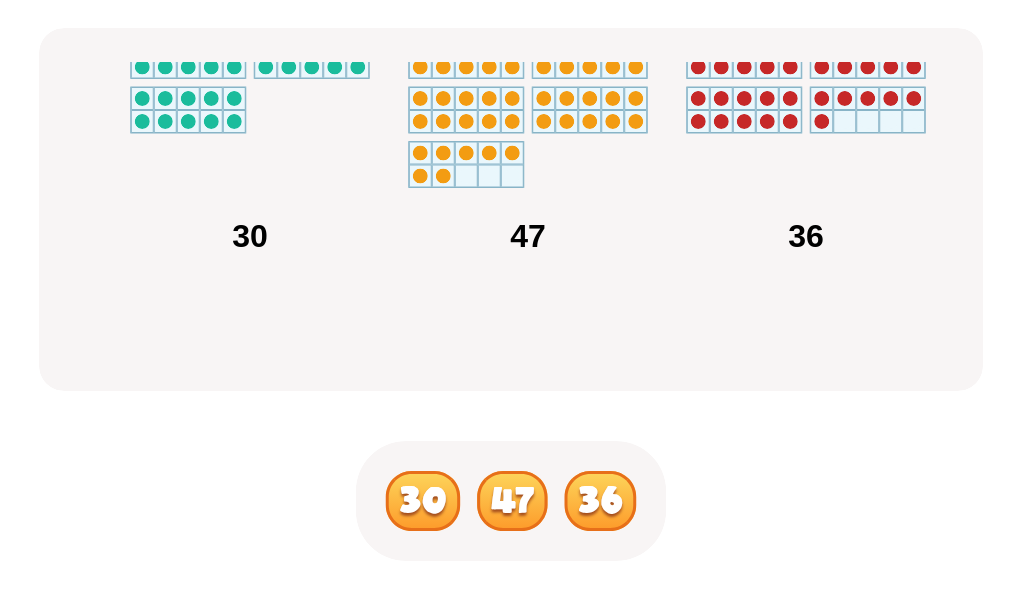
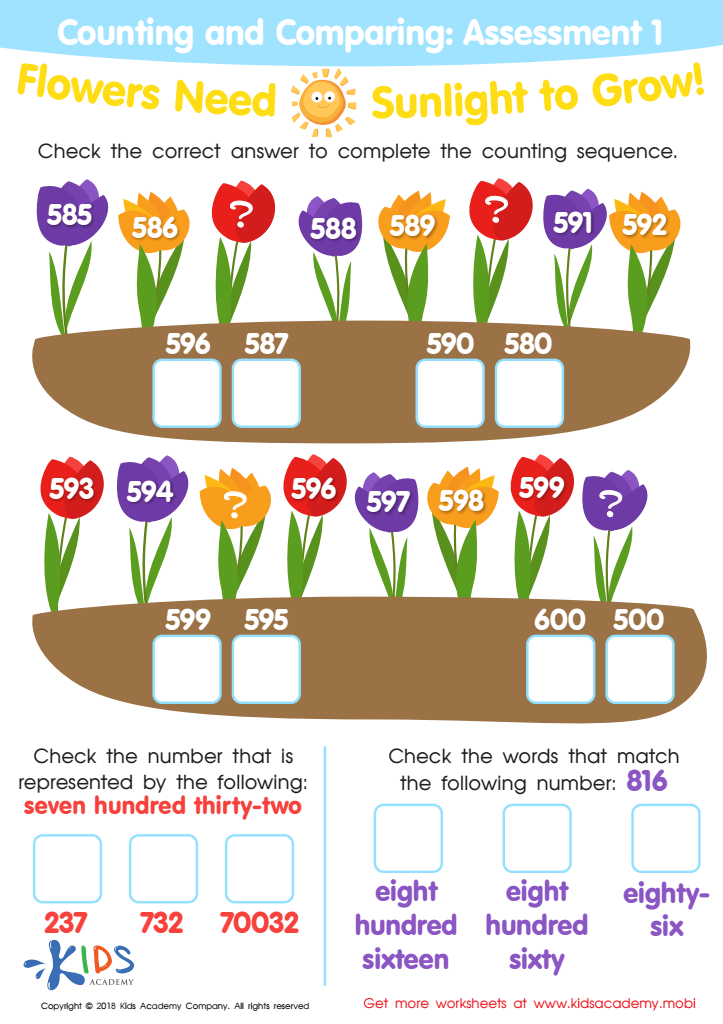
Counting and Comparing: Assessment 1 Worksheet
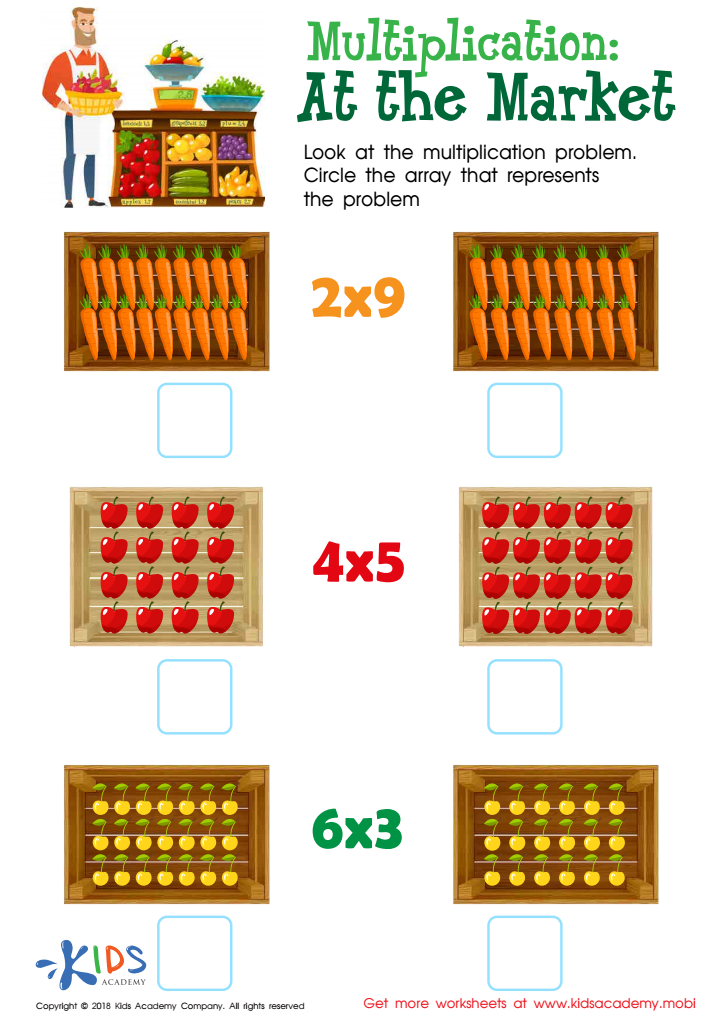
At the Market Worksheet




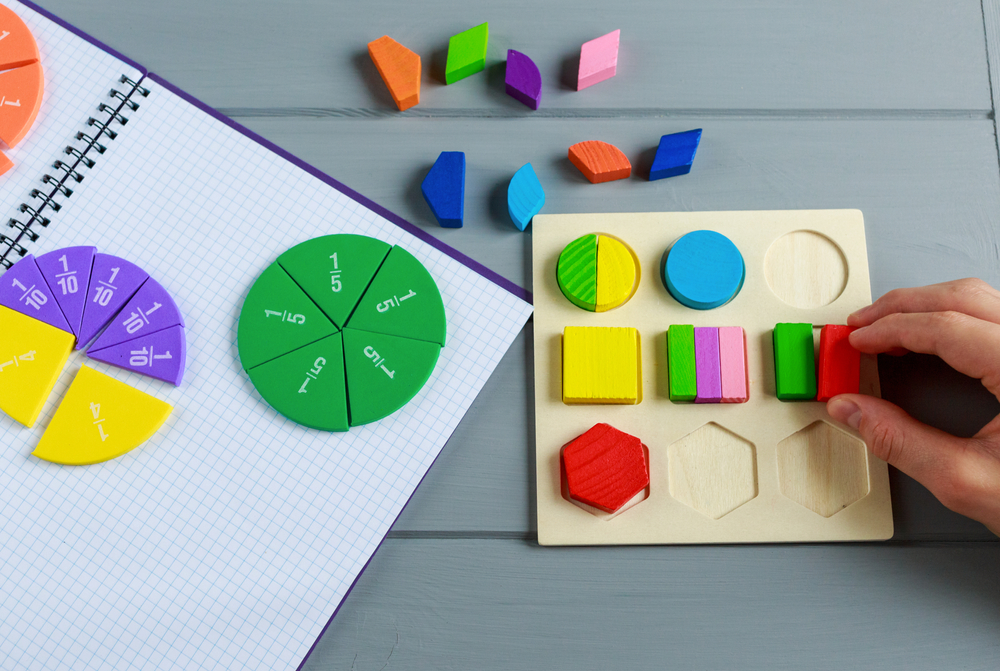



Problem-solving skills in comparing numbers are vital for children aged 8-9, as they lay the groundwork for essential mathematical comprehension and real-world applications. At this age, students are moving from basic arithmetic to more complex mathematical concepts, and learning to compare numbers helps build a solid foundation for future learning. These skills encourage logical thinking, critical analysis, and the ability to reason systematically.
Understanding number comparison not only improves math grades but also boosts confidence in a subject often perceived as challenging. This competence transcends math, fostering essential life skills like decision-making and evaluating options based on quantitative data. These cognitive skills are instrumental later in life when children apply similar principles in diverse situations, from managing finances to analyzing data.
Additionally, early proficiency in comparing numbers often parallels development in other areas of mathematics, including understanding place value, addition, subtraction, multiplication, and division. Engaging in problem-solving tasks related to number comparison enhances a child’s ability to think abstractly and solve complex problems incrementally.
For parents and teachers, prioritizing these skills means nurturing well-rounded thinkers capable of tackling various challenges. It transforms learning into a dynamic, fun process rather than a tedious task, ultimately cultivating a child's intrinsic motivation and love for learning.








