Fraction visualization Fractions of Shapes Worksheets for Ages 8-9
3 filtered results
-
From - To
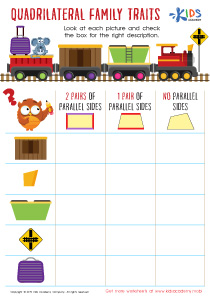
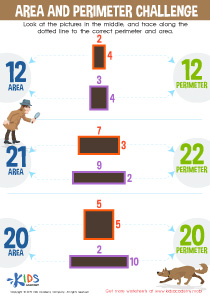
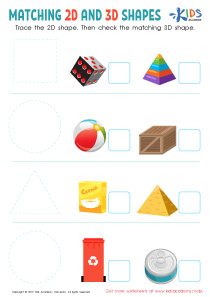
Discover our engaging "Fraction Visualization Fractions of Shapes Worksheets" designed specifically for children ages 8-9. These full-color, printable resources help young learners grasp the concept of fractions by exploring various shapes. Through interactive exercises, students will visualize fractions, enhancing their understanding of parts of a whole. Each worksheet offers a unique approach to learning, allowing kids to manipulate shapes and understand fractional parts through hands-on activities. Perfect for home or classroom use, our worksheets aim to build confidence in math while making learning fun and memorable. Empower your child’s journey in mastering fractions today!
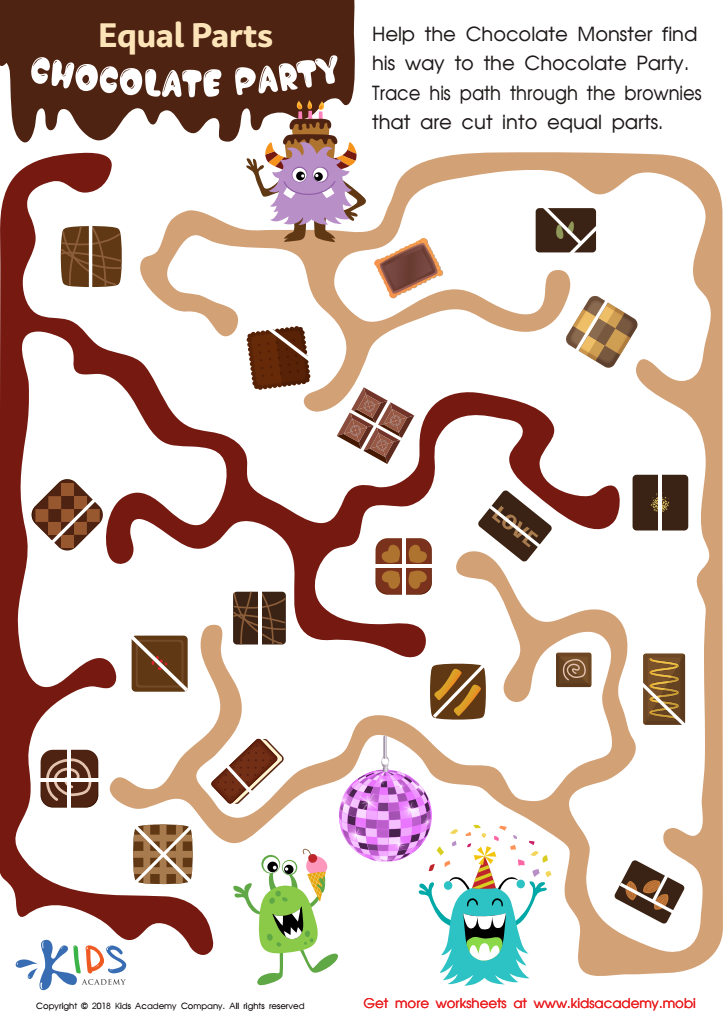
Equal Parts: Chocolate Party Worksheet
 Assign to My Students
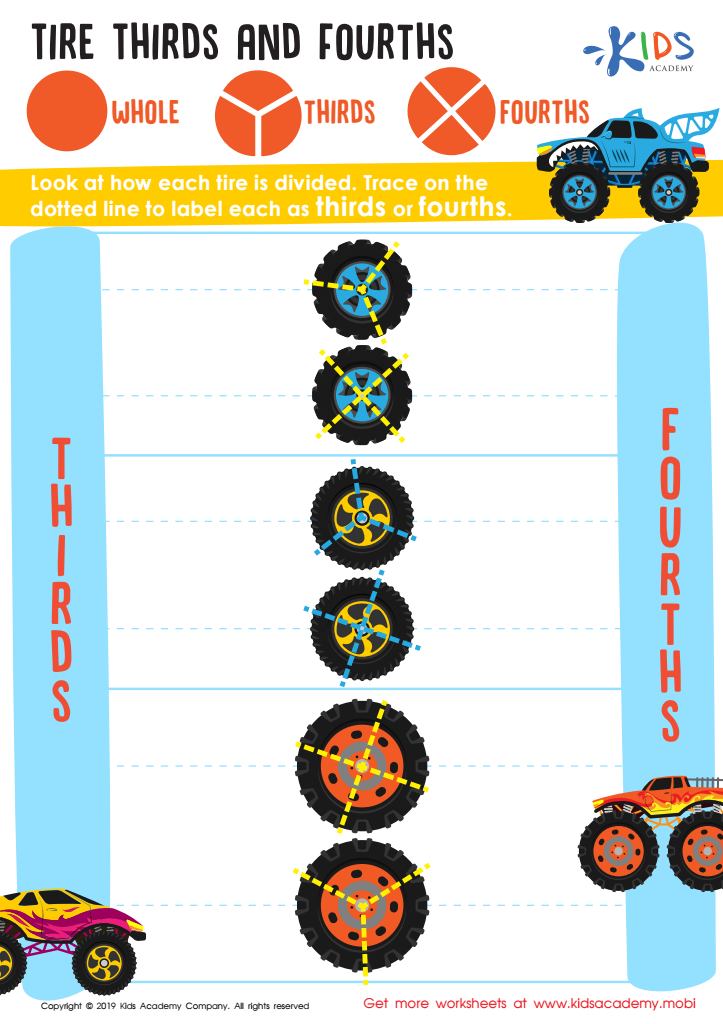
Tire Thirds and Fourths Worksheet
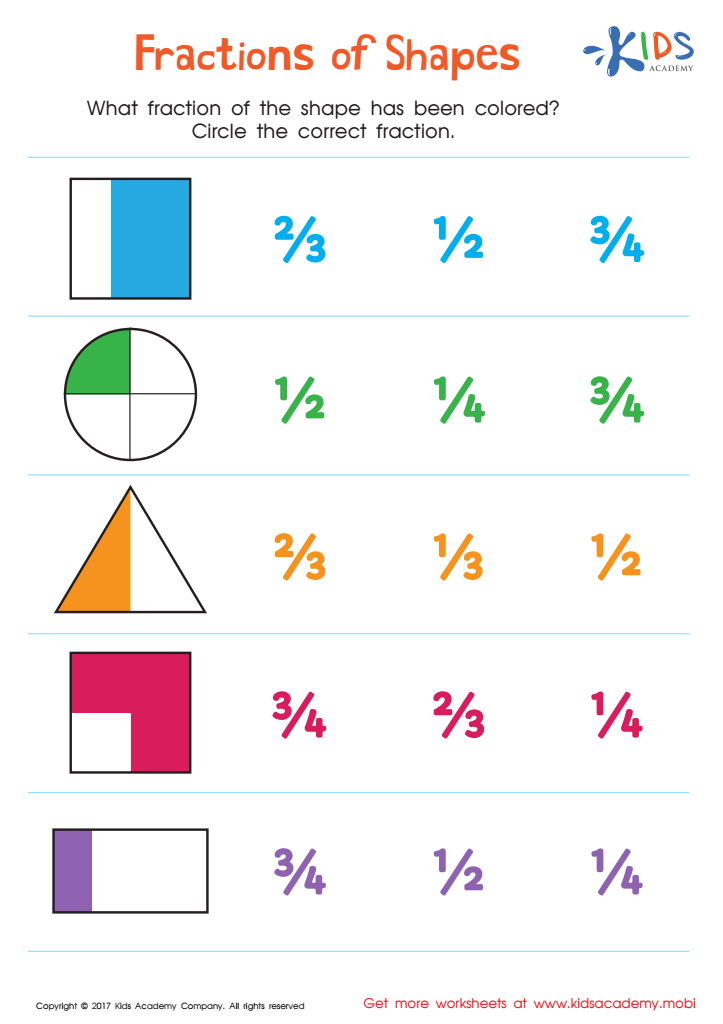
Fractions of Shapes: Math Concept Worksheet








Fraction visualization is critical for children aged 8-9 as it lays the groundwork for a deeper understanding of mathematics. At this age, students are often introduced to more complex concepts related to fractions, and visualizing these can make a significant difference in grasping their meaning and applications. Using shapes to illustrate fractions helps children see relationships between parts and wholes, fostering an intuitive understanding.
When parents and teachers emphasize shape-based fraction visualization, they enable students to connect abstract ideas with tangible experiences. This aids in developing critical thinking skills, as children learn to compare, add, or subtract fractions through their visual properties. Additionally, mastering fractions enhances problem-solving abilities that are applicable beyond math – such as in cooking, measuring, and even in arts.
Moreover, strong fraction skills serve as a vital cornerstone for future mathematical concepts, including ratios, percentages, and algebra. By ensuring children become comfortable visualizing fractions, educators and parents set them up for success in advanced arithmetic and foster a lifelong positive attitude toward learning math. In summary, fostering an understanding of fractions through visualization is essential for building confidence and competency in students at this formative age.