
Understanding bar graphs Graphs Worksheets for Ages 8-9
3 filtered results
Difficulty Level
Grade
Age
-
From - To
Subject
Activity
Standards
Unlock your child's potential with our "Understanding Bar Graphs" worksheets designed specifically for ages 8-9. These engaging activities provide an interactive way for young learners to grasp the fundamentals of interpreting and creating bar graphs. Students will explore real-world data representation while enhancing their math skills through a variety of fun exercises. Each worksheet focuses on crucial skills such as reading data, identifying trends, and effectively making comparisons. Perfect for classroom use or home practice, our worksheets encourage critical thinking and foster a love for learning. Help your child become confident in their data analysis abilities with these essential resources!
Favorites
With answer key
Interactive
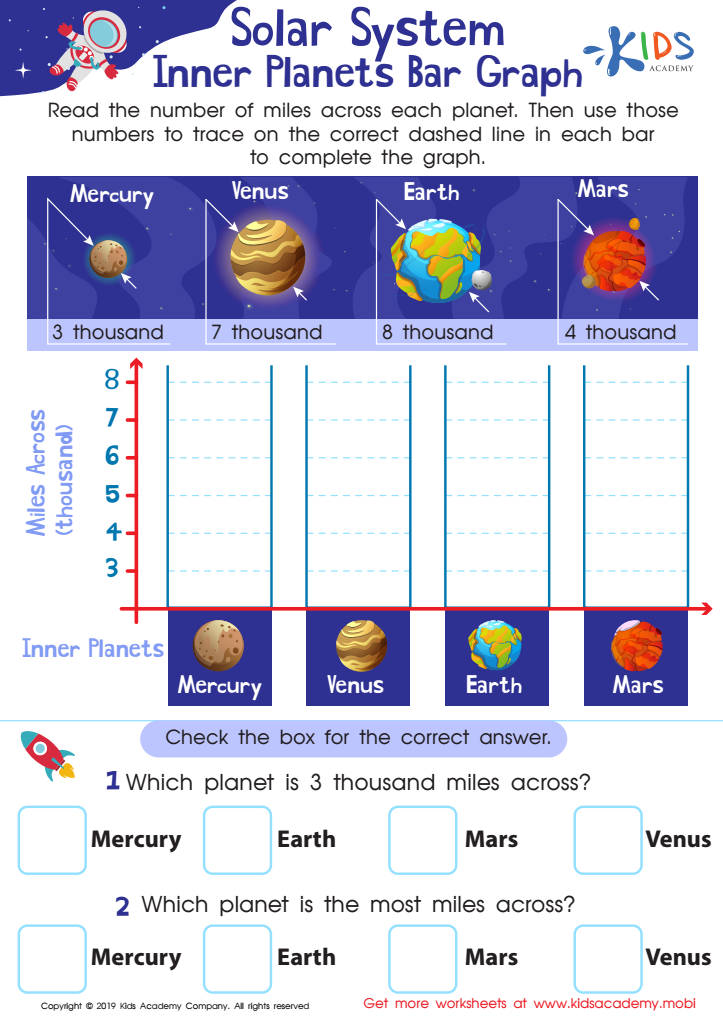
Planets Bar Graph Worksheet
With this fun, educational worksheet, kids can learn about bar graphs and the solar system simultaneously. Introduce them to the concept by reading out the number of miles for each planet, then help them trace the dashed lines in each bar to complete the graph.
 Assign to My Students
Planets Bar Graph Worksheet
Worksheet
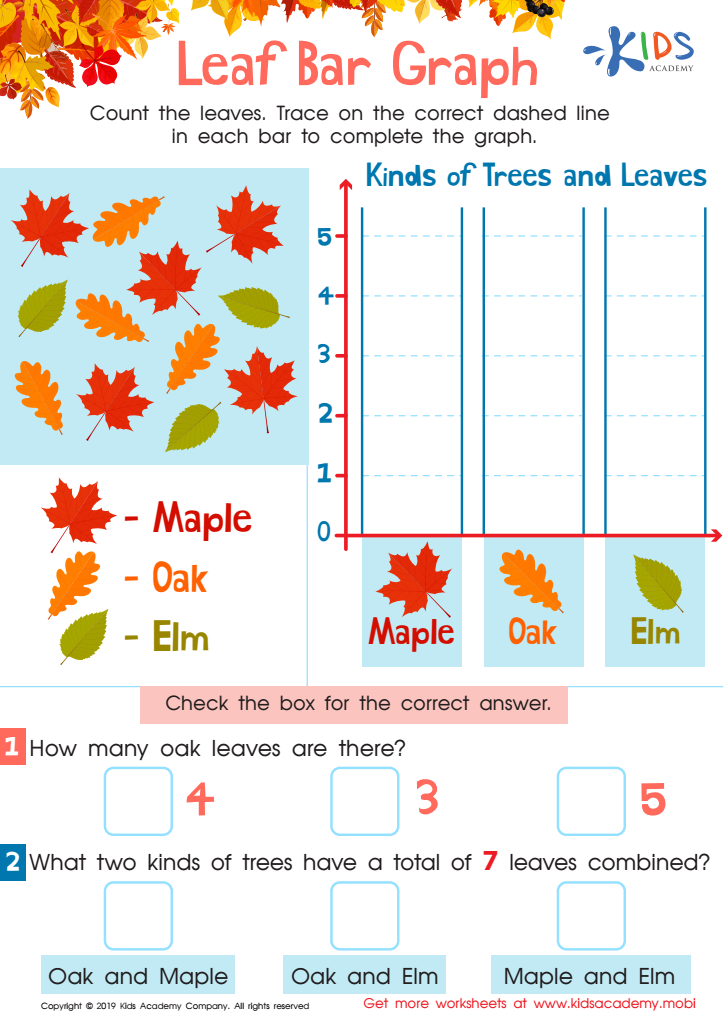
Leaf Bar Graph Worksheet
You can help your kids make learning easier and more enjoyable. While their teachers provide lessons and homework, you can take their education further. This worksheet can assist them in mastering bar charts. Count the leaves, then trace the correct line for each bar to complete the graph.
Leaf Bar Graph Worksheet
Worksheet
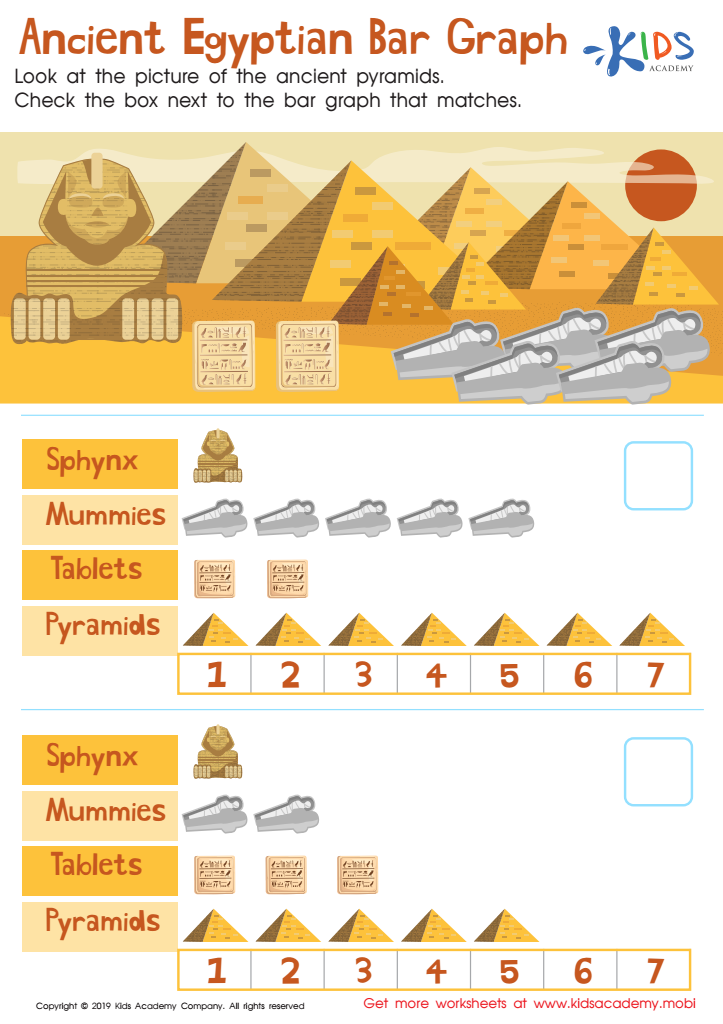
Egyptian Bar Graph Worksheet
Help your kids get a hang of bar graphs with this fun worksheet. Examine the picture of the ancient pyramids and help them match the bar graph to it. Check the box next to the correct bar graph and watch your little ones learn quickly!
Egyptian Bar Graph Worksheet
Worksheet
Join Kids Academy for Free
Who is primarily going to use this learning content?





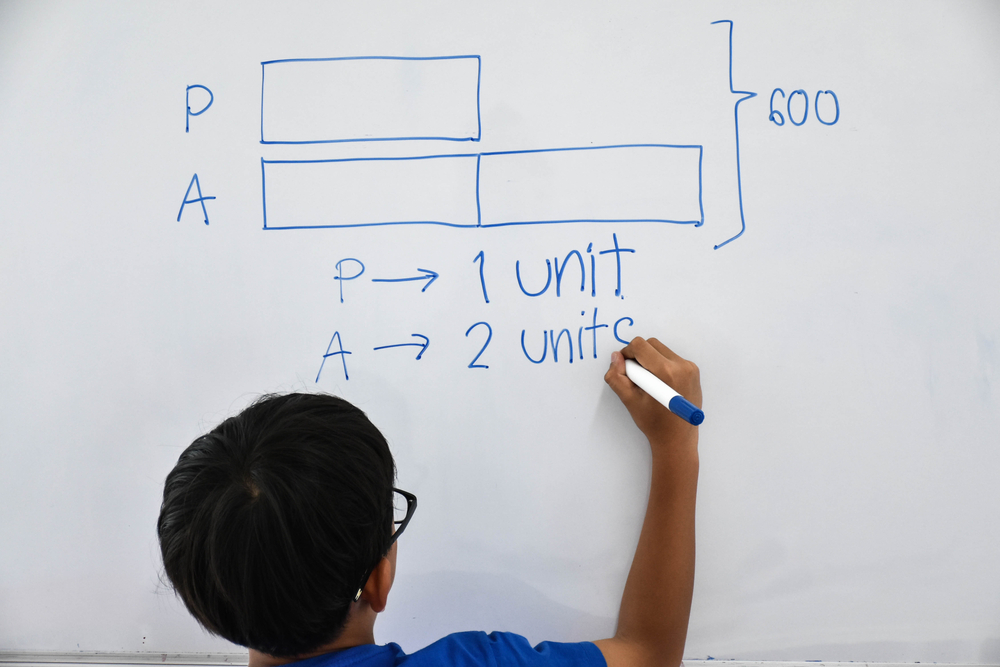


Understanding bar graphs is fundamental for children aged 8-9, serving as a crucial building block for their mathematical and analytical skills. Parents and teachers should care about this as bar graphs help children interpret and visualize data, making complex information more digestible. At this developmental stage, learners can become more confident in their analytical abilities when they engage with visual data representation.
Bar graphs promote critical thinking by encouraging children to compare quantities, recognize patterns, and draw conclusions based on visual information. Mastering this skill enhances their ability to participate in discussions based on factual data, fostering effective communication and reasoning abilities. Moreover, this knowledge lays the groundwork for more advanced topics in statistics and mathematics that they will encounter later in their education.
Engaging students in activities involving bar graphs can make learning enjoyable and interactive. It helps them develop essential skills such as data collection, organization, and presentation. Furthermore, familiarizing children with graphs positively impacts their scientific literacy, as understanding and analyzing data are key components of various subjects beyond mathematics, including science and social studies. Ultimately, supporting children in grasping bar graphs sets the stage for lifelong learning and informed decision-making.








