Color Identification Numbers Worksheets for Ages 8-9
4 filtered results
-
From - To
Our "Color Identification Numbers Worksheets for Ages 8-9" are designed to engage and challenge young learners. These fun and vibrant worksheets help children enhance their number recognition skills while associating numbers with colors. Perfect for kids aged 8-9, our resources combine creativity with educational rigor, fostering a deeper understanding of numbers in a playful and motivational way. Each worksheet is crafted to promote cognitive development and hone critical thinking abilities, making learning an enjoyable and effective experience. Dive into a world of colorful education with our expertly curated worksheets that bring numbers to life!
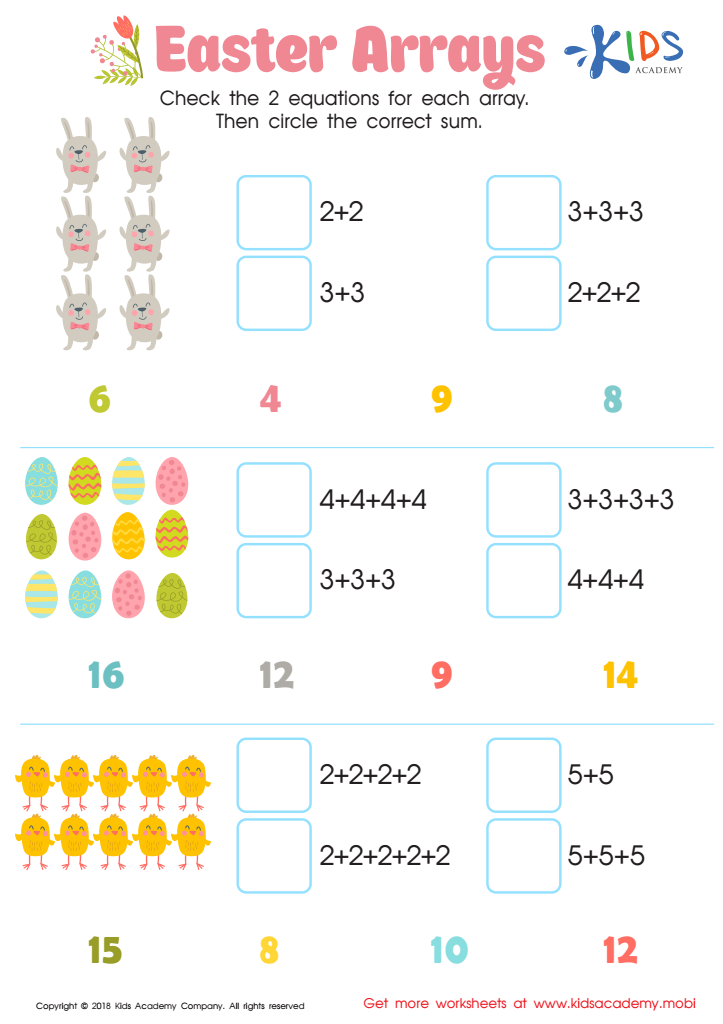
Easter Arrays Worksheet
 Assign to My Students
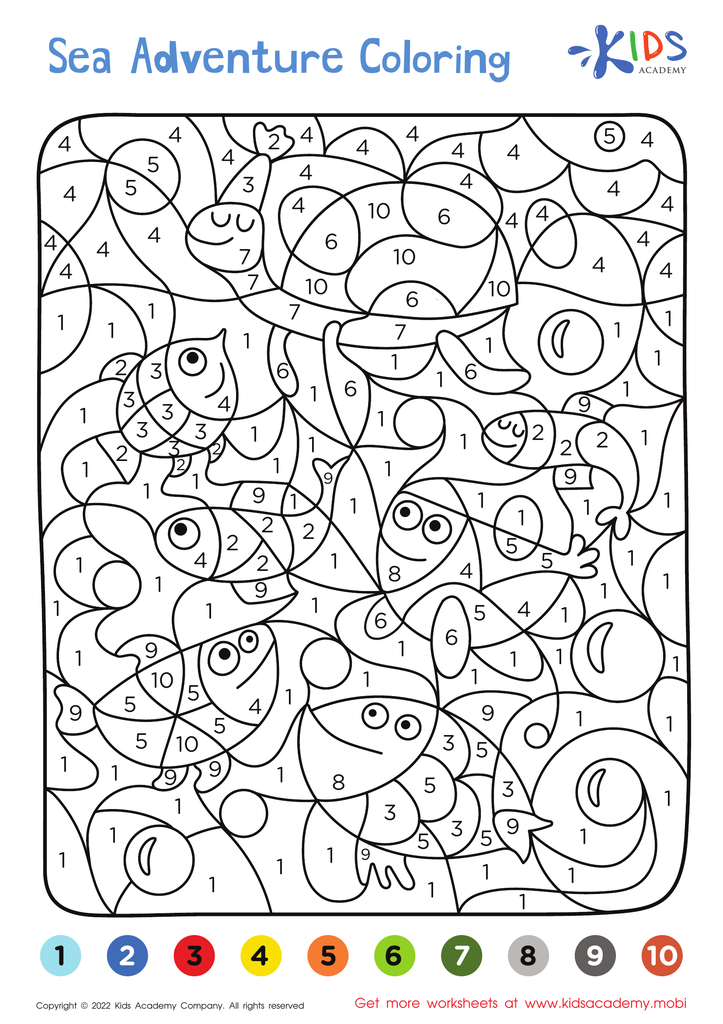
Sea Adventure – Coloring by Numbers
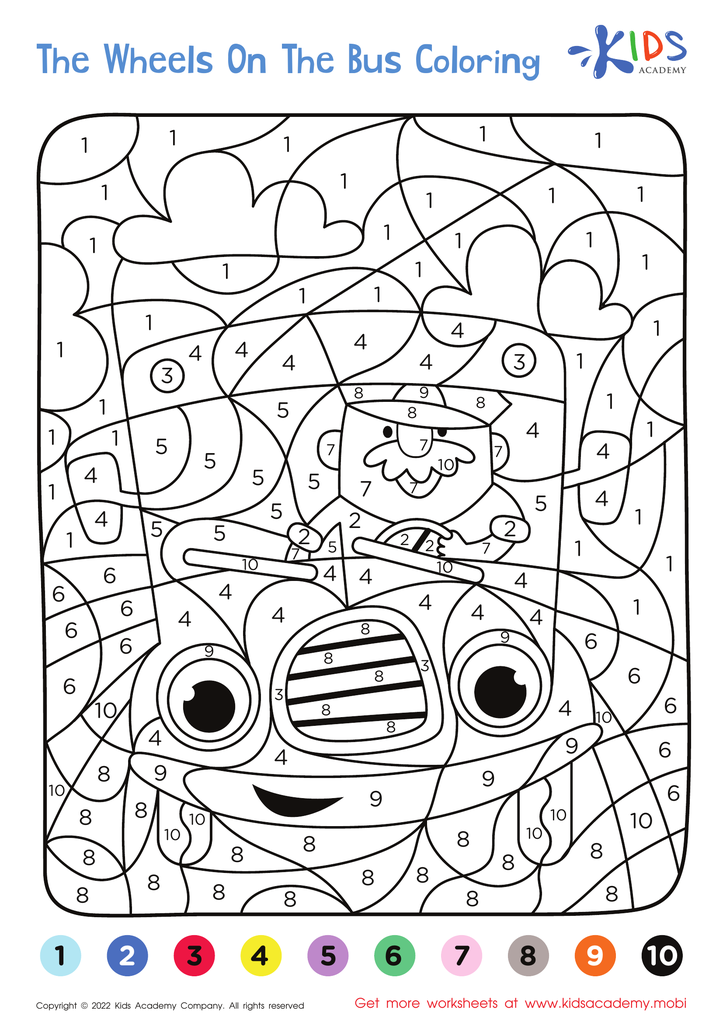
Wheels on the Bus – Coloring by Numbers
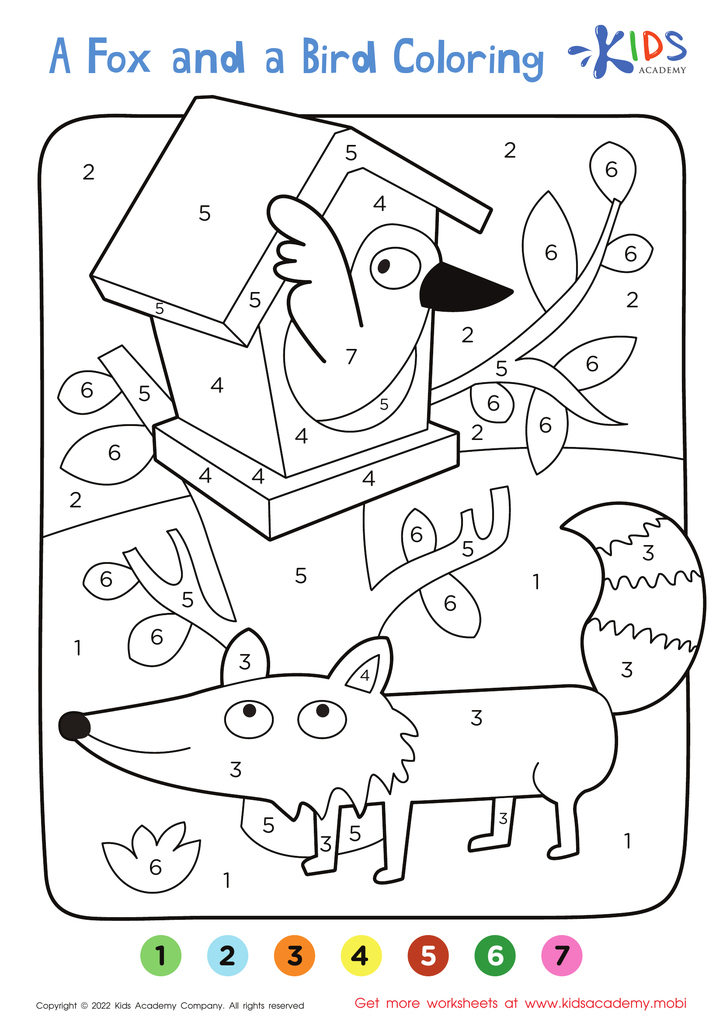
A Fox and a Bird – Coloring by Numbers








Color identification for children aged 8 to 9 isn't just about recognizing hues; it’s a vital developmental milestone that supports a range of skills. At this age, kids solidify their ability to distinguish between different colors and shades, which helps enhance cognitive and visual processing abilities.
Parents and teachers should value this for several reasons. First, understanding color identification helps sharpen attention to detail, beneficial for subjects like mathematics and art, where recognizing patterns and subtle differences is critical. Second, it encourages language development. As children describe and compare colors, they expand their vocabulary and language comprehension skills.
Additionally, color recognition has practical implications. For instance, reading charts, maps, and graphs in science and geography lessons involves discerning and understanding color codes, which improve children's ability to absorb and organize information effectively. On the social-emotional side, creating and discussing art involves colors, promoting emotional expression and interpersonal skills as they share perspectives about their creations.
In sum, focusing on color identification fosters thorough educational growth and holistic development. By integrating color-centric activities in lessons, educators and parents help children build foundational skills that underpin much of their future learning. Thus, nurturing this aspect is indispensable for a well-rounded education and better-prepared young learners.








