Building vocabulary Math Worksheets for Ages 8-9
3 filtered results
-
From - To
Discover our engaging and educational "Building Vocabulary Math Worksheets" tailored for children ages 8-9! Designed by experienced educators, these worksheets seamlessly combine essential math concepts with vocabulary building to enhance both language and math skills. Our printable activities cover topics like geometry, fractions, and measurements, making learning enjoyable and effective. Perfect for classroom use or additional practice at home, our worksheets help young learners grasp complex terminology and apply it confidently in problem-solving scenarios. Encourage your child’s academic growth and foster a love of learning with our comprehensive, fun-filled worksheets. Visit us online to download today!
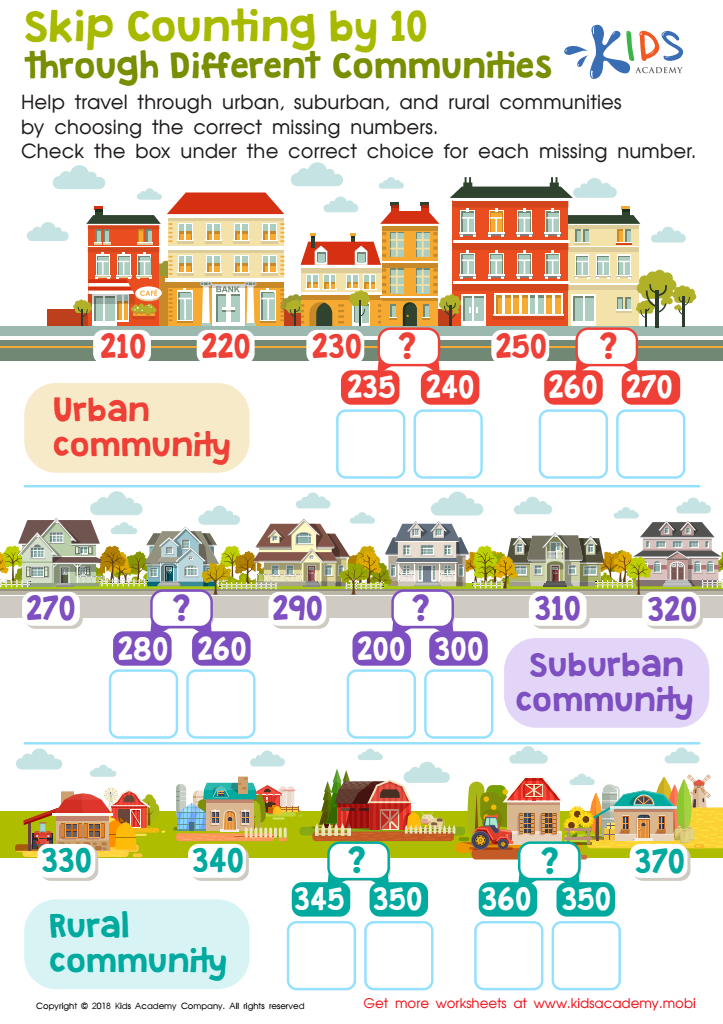
Skip Counting by 10 through Different Communities Worksheet
 Assign to My Students






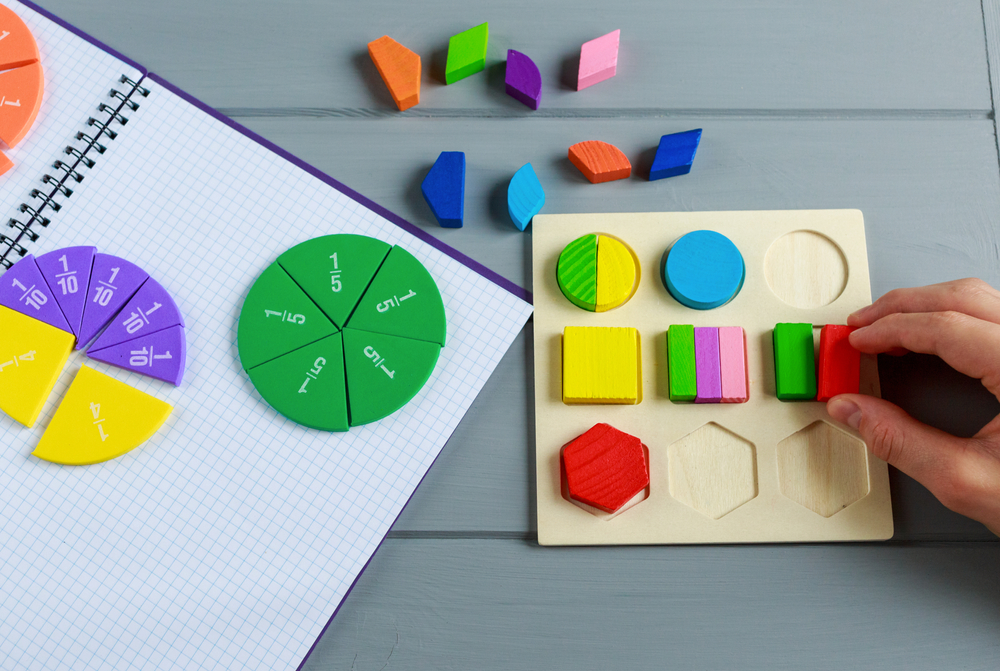
Building math vocabulary for ages 8-9 is crucial because language is the key to understanding new concepts. At this age, children are transitioning from simple arithmetic to more complex mathematical ideas, such as fractions, geometry, and basic problem-solving skills. A strong vocabulary allows children to comprehend instructions, follow word problems, and communicate their thought processes effectively.
When kids understand the terms and symbols used in math, they are more likely to grasp the underlying concepts. For instance, knowing what words like "sum," "difference," "product," and "quotient" mean can help them tackle problems with confidence. This foundational understanding reduces math anxiety and builds a platform for successful learning in later years.
Moreover, a good math vocabulary bridges the gap between different subjects. Math is not isolated; it often interacts with science, technology, and everyday problem-solving situations. By mastering mathematical language early, children are better equipped to connect these dots.
For parents and teachers, focusing on math vocabulary also provides a clear structure for education. It offers consistent terms and definitions that can be reinforced through practice and repetition. Ultimately, investing time and effort in building a strong math vocabulary at this formative age lays the groundwork for academic success and boosts lifelong learning abilities.








