Comparison Skills Math Worksheets for Ages 8-9
5 filtered results
-
From - To
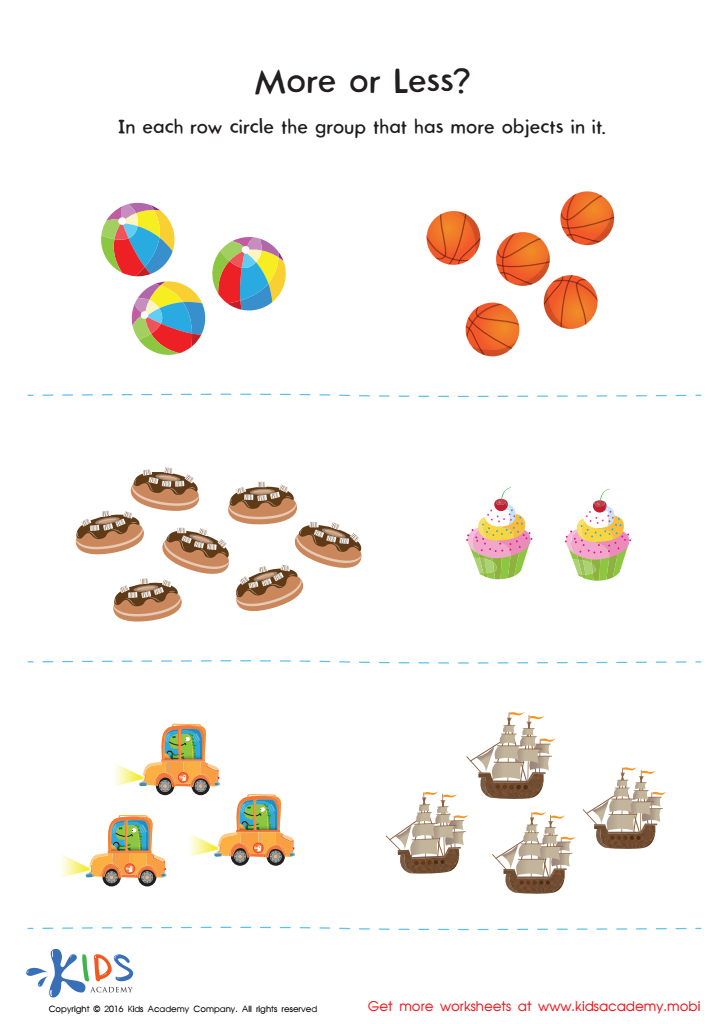
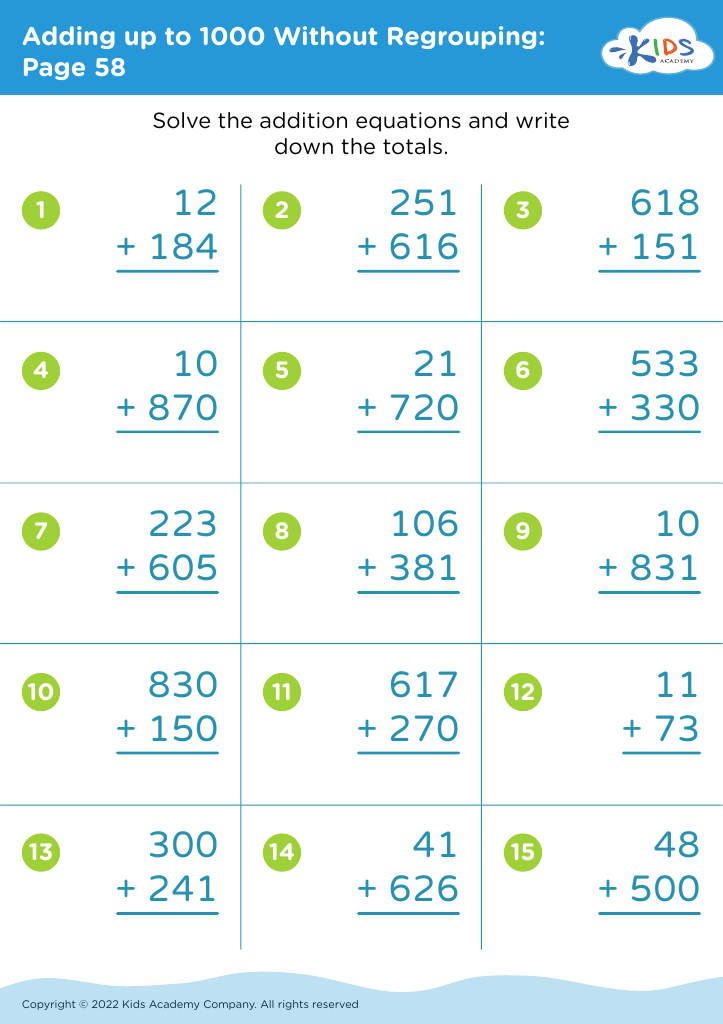
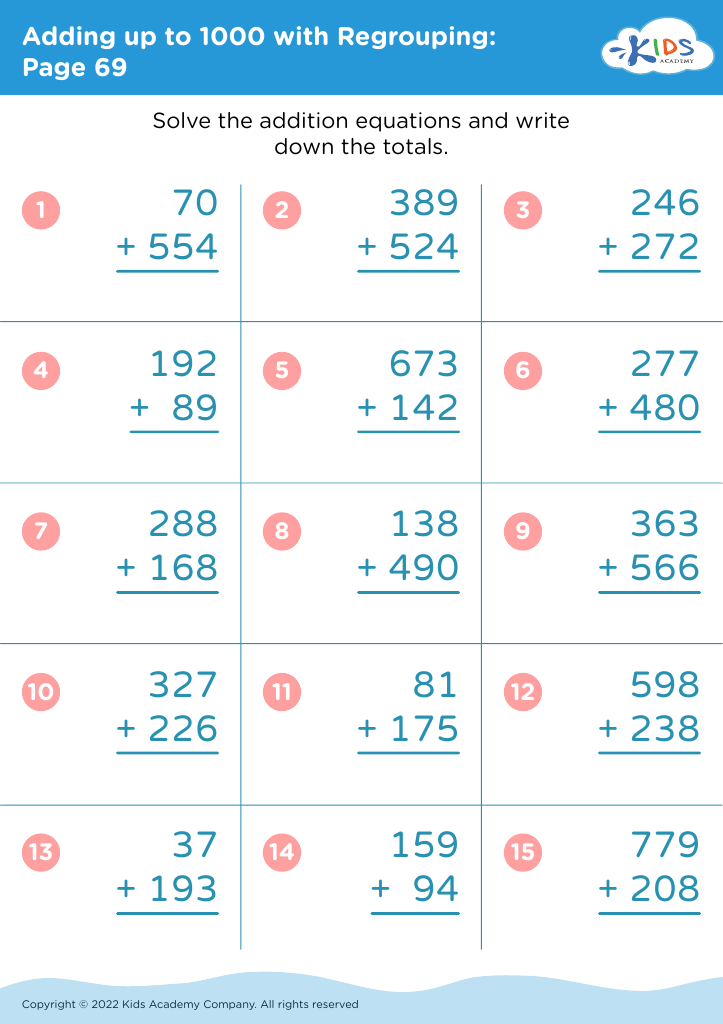
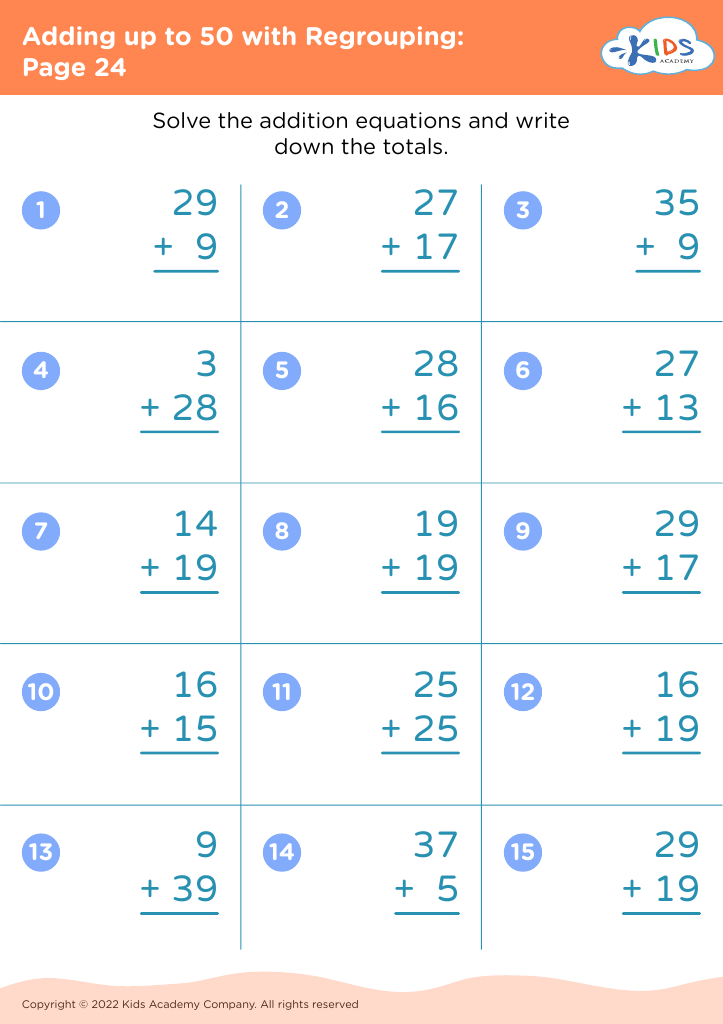
Our "Comparison Skills Math Worksheets for Ages 8-9" are designed to enhance critical thinking and boost mathematical skills in young learners. Tailored for 3rd graders, these printable worksheets cover comparison tasks involving numbers, measurements, and more. By practicing ordering, identifying differences, and comparing quantities, students build a strong foundation for advanced math concepts. Engaging and educational, these resources promote problem-solving abilities and confidence in math. Ideal for both classroom and home use, our worksheets make learning interactive and enjoyable, ensuring students grasp comparison skills effectively. Download now and watch your child’s math proficiency soar!
 Assign to My Students
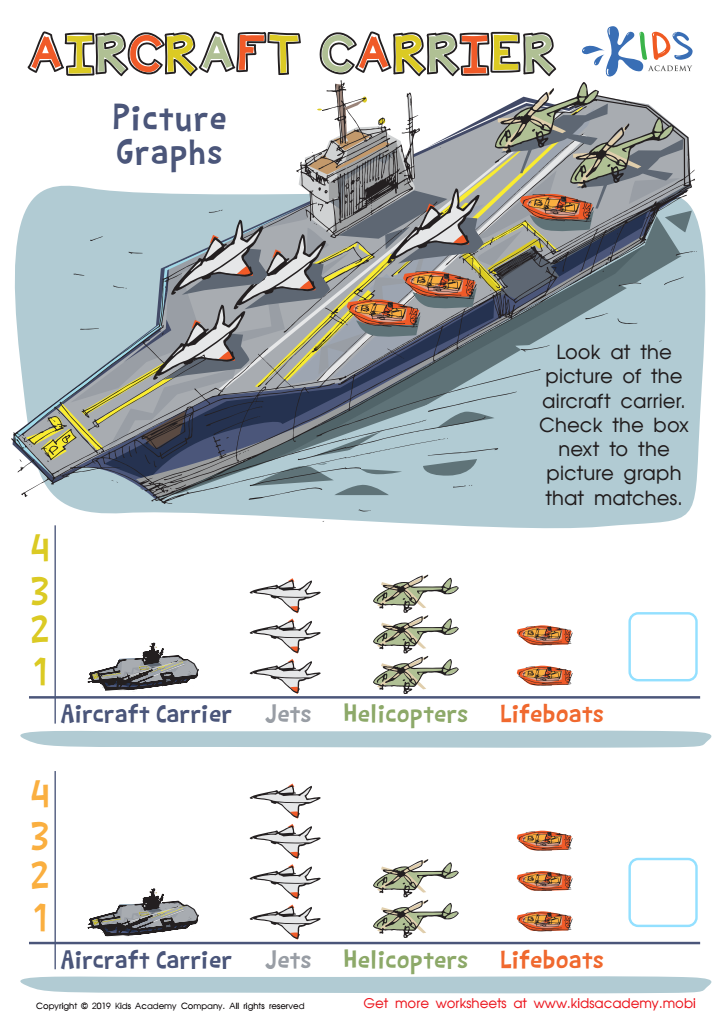
Aircraft Carrier Picture Graphs Worksheet




.jpg)


Comparison skills are a crucial aspect of math education for children aged 8-9, and parents and teachers should prioritize them for several reasons. First, these skills lay the foundation for more complex mathematical concepts. By understanding how to compare numbers, children grasp the basics of inequality, proportion, and the relationship between different values, which are essential for advanced topics like fractions, ratios, and algebra.
Second, comparison skills facilitate critical thinking and problem-solving abilities. When children learn to identify similarities and differences in numbers, shapes, or patterns, they develop analytical skills that are transferable to other subjects and real-life situations, enhancing their overall cognitive development.
Furthermore, mastering comparison skills boosts a child's confidence in their math abilities. It encourages them to engage more actively in the classroom and approach new challenges with a positive mindset. This confidence can translate into better academic performance and a lifelong interest in learning.
Lastly, comparison skills play a significant role in everyday decision-making. From assessing the better deal while shopping to understanding statistical information and managing time, these skills are practical and relevant. Parents and teachers who focus on developing these abilities prepare children for a future where they can make informed, logical decisions.








