Developing problem-solving abilities Math Worksheets for Ages 8-9
6 filtered results
-
From - To
Enhance your child's critical thinking skills with our engaging problem-solving math worksheets designed specifically for ages 8-9. These carefully crafted resources foster creativity, resilience, and analytical abilities through a variety of challenges that make learning fun and interactive. Each worksheet is aligned with educational standards, offering young learners the opportunity to tackle real-world math problems, enhancing their logical reasoning and decision-making skills. With vibrant illustrations and varied formats, students will stay motivated while mastering essential math concepts. Equip your child with the tools they need for lifelong success in both math and everyday problem-solving! Explore our collection today!
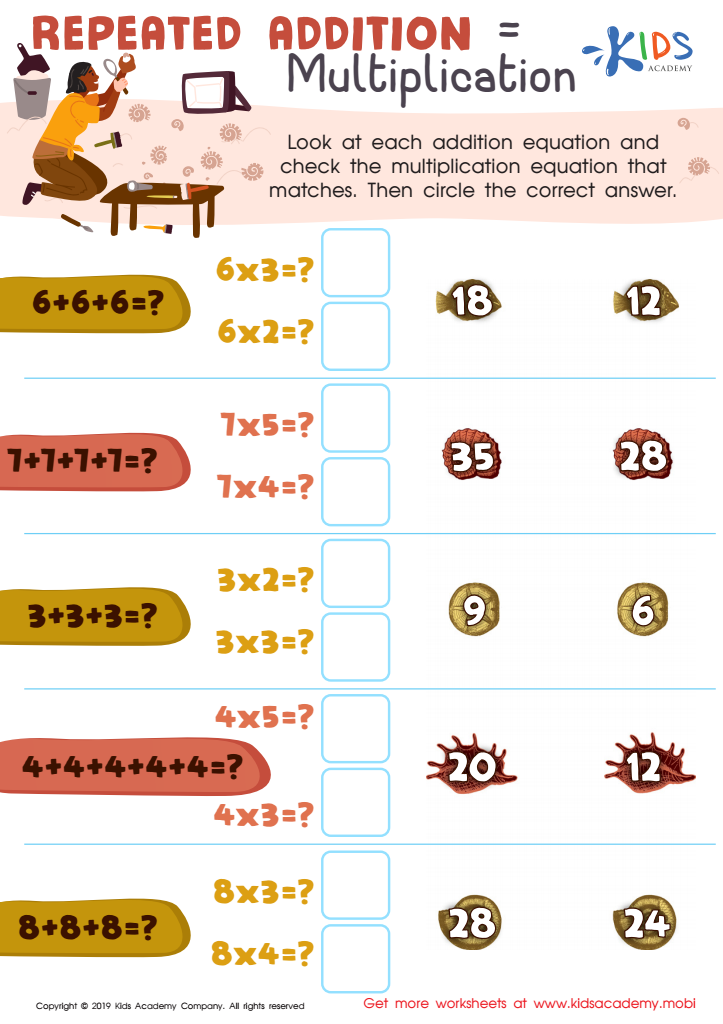
Repeated Addition = Multiplication Worksheet
 Assign to My Students
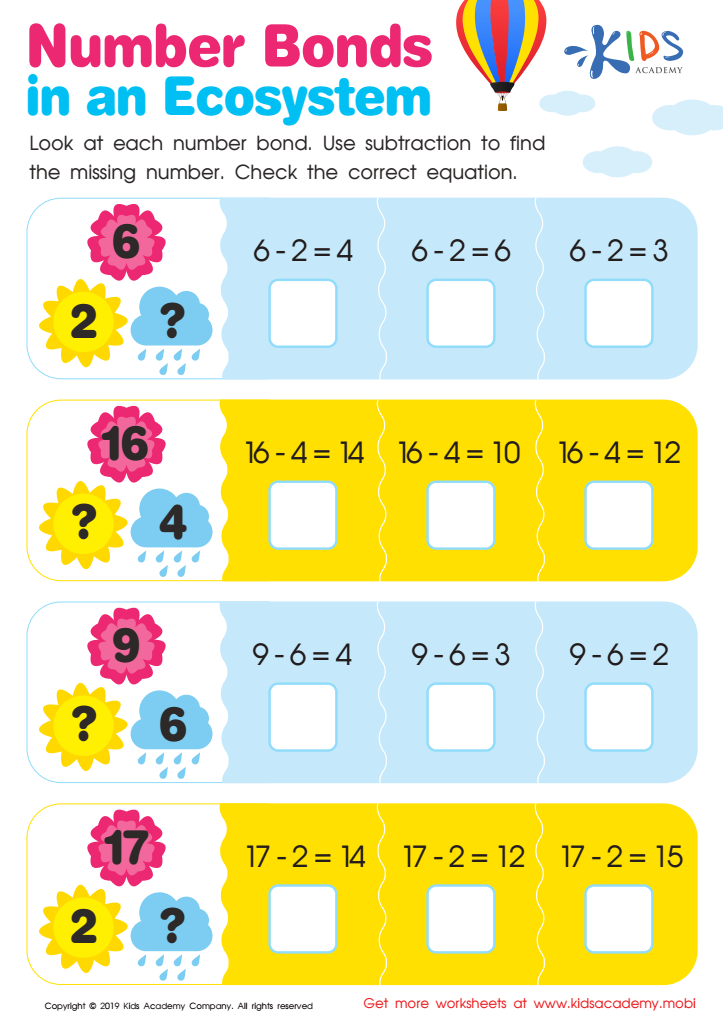
Number Bonds in an Ecosystem Worksheet
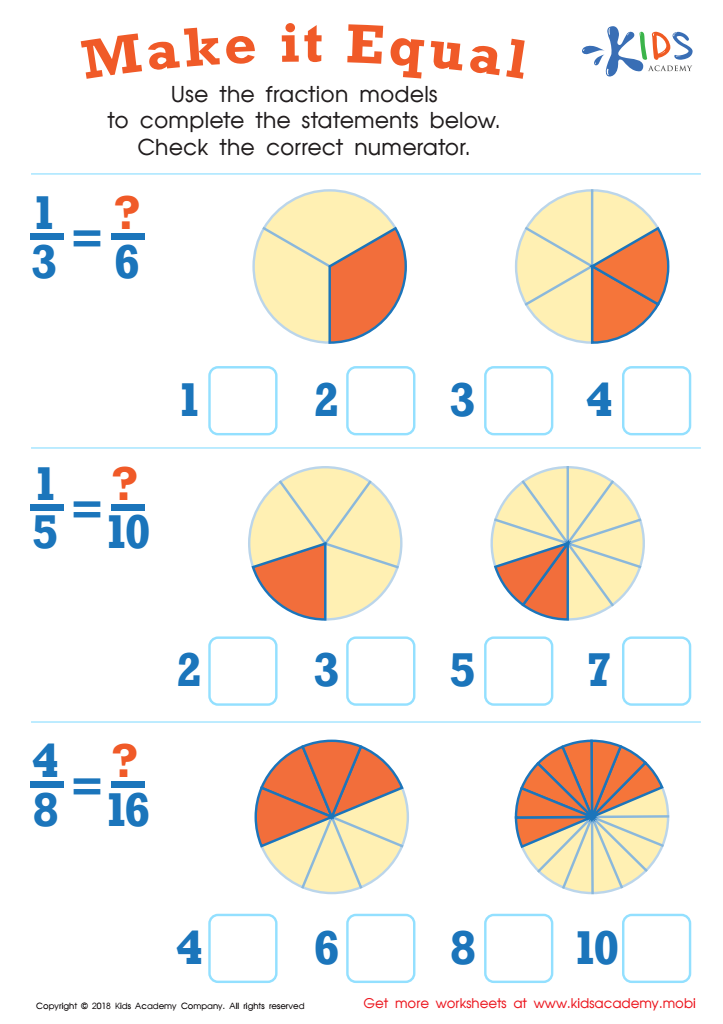
Make It Equal Worksheet
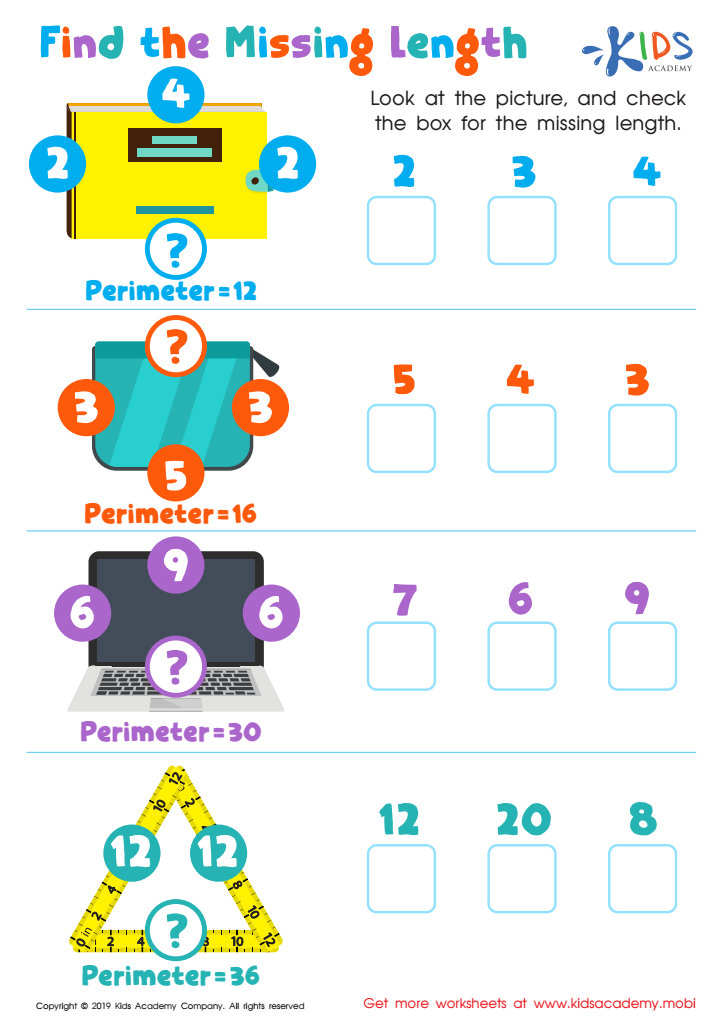
Find the Missing Length Worksheet



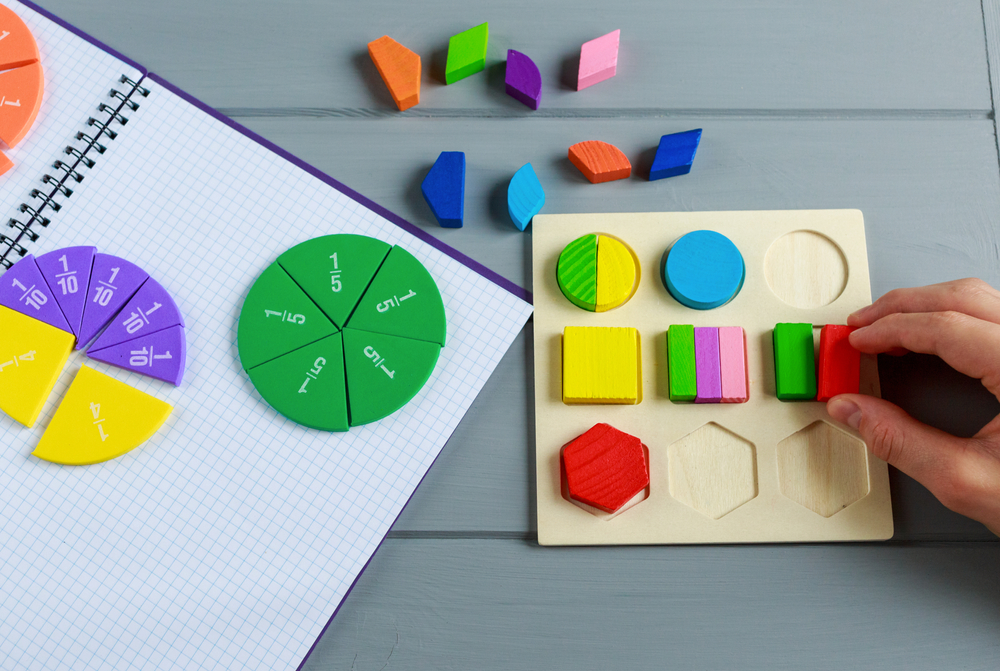




Developing problem-solving abilities in math for ages 8-9 is crucial for fostering critical thinking skills and intellectual independence. At this age, children are transitioning from basic arithmetic to more complex mathematical concepts, which enhances their cognitive development. Sharpening these skills enables children to approach challenges with confidence, laying the foundation for lifelong learning and resilience in the face of difficulties.
When children learn to solve problems, they also learn to think analytically and logically. This ability is not limited to mathematics; it transfers beneficially to various disciplines, including science, reading, and emotional intelligence. Problem-solving teaches kids to break down tasks into manageable steps, encouraging persistence and patience—qualities that are essential both academically and in daily life.
Additionally, involving parents and teachers in this developmental process helps create a supportive learning environment. Engaging children in meaningful conversations about problem-solving encourages collaboration and helps clarify their thinking. Ultimately, investing in math problem-solving abilities nurtures creativity and curiosity, empowering children to approach future challenges not only as students but as active and innovative contributors to society.








