
Enhance fine motor skills Math Worksheets for Ages 8-9
3 filtered results
Difficulty Level
Grade
Age
-
From - To
Subject
Activity
Standards
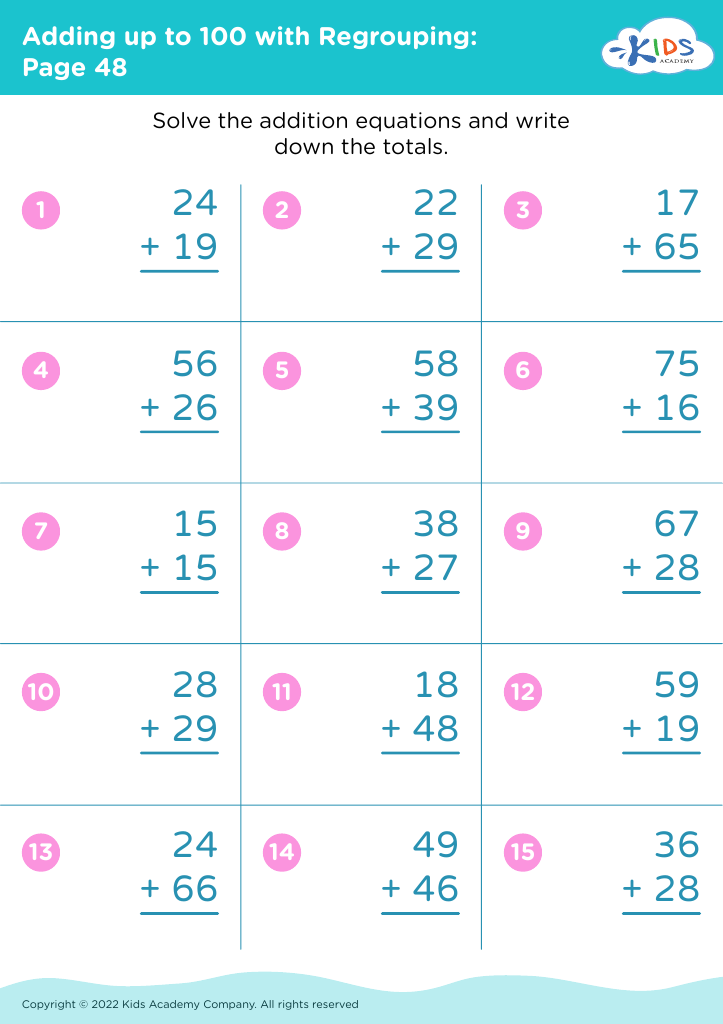
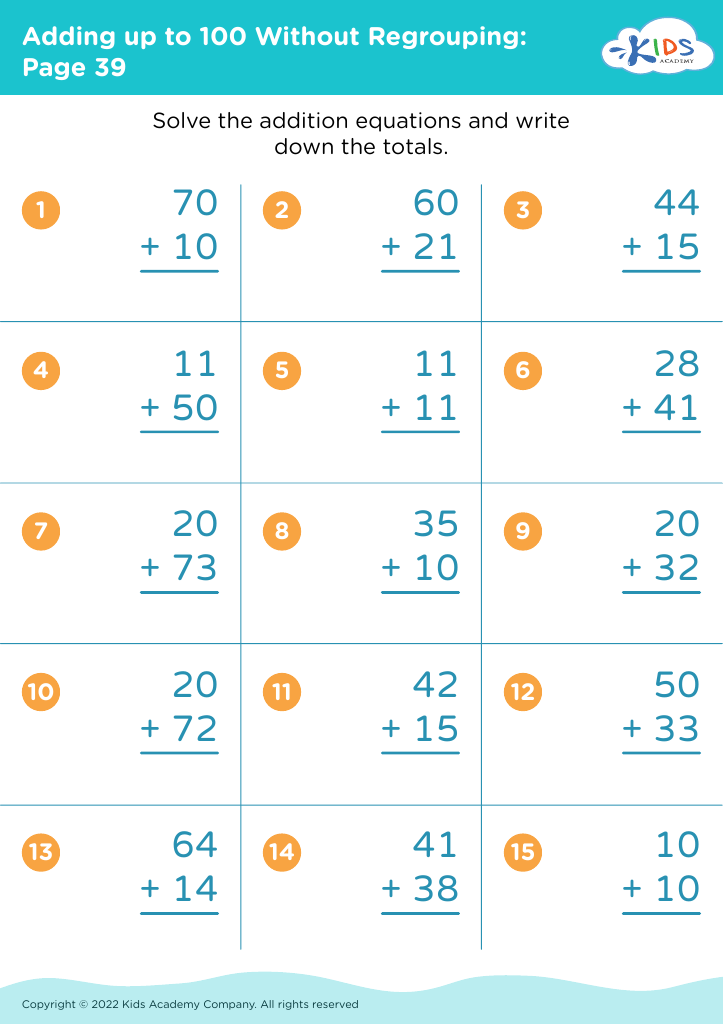
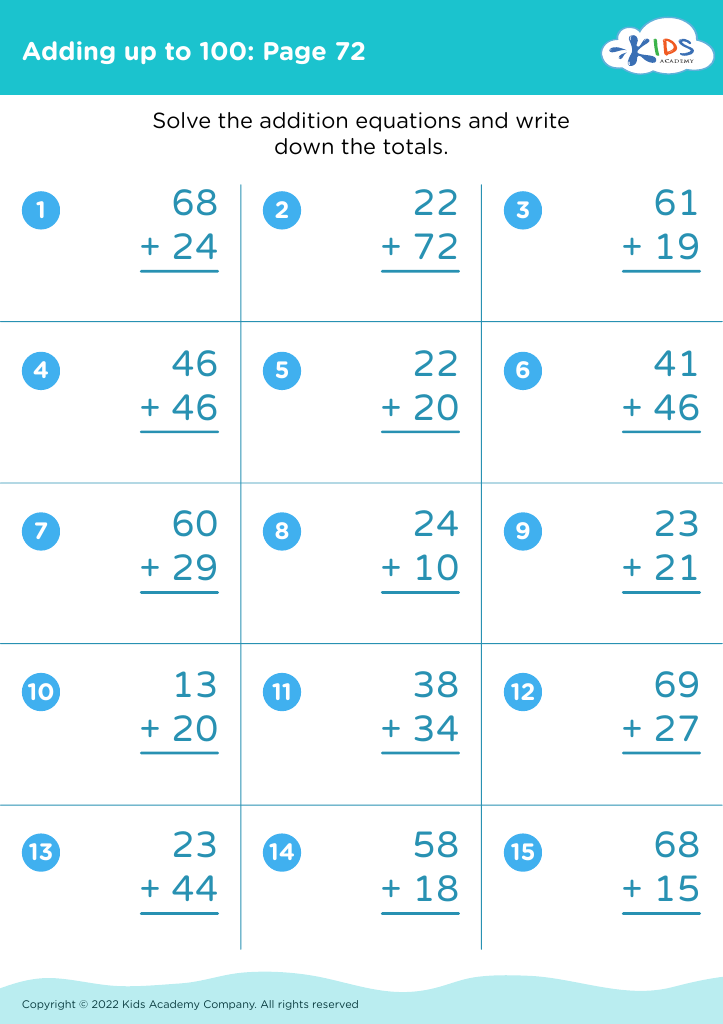
Discover a fun and engaging way to boost fine motor skills with our "Enhance Fine Motor Skills Math Worksheets" for ages 8-9! Designed to combine numerical learning with engaging hands-on activities, these worksheets encourage children to improve their dexterity while mastering essential math concepts. From tracing numbers and shapes to completing interactive math problems, these resources offer a playful approach to learning. Perfect for parents and teachers, our worksheets help students develop precision and control, essential for their overall cognitive development. Explore our collection today and empower your child’s fine motor abilities while nurturing their mathematical skills in an enjoyable way!
Favorites
With answer key
Interactive
Join Kids Academy for Free
Who is primarily going to use this learning content?








Enhancing fine motor skills in mathematical contexts is vital for children aged 8-9 as it underpins various cognitive and academic development areas. At this age, children are transitioning from basic arithmetic to more complex problem-solving and multi-step calculations, which often require the use of manipulatives, drawing geometric shapes, and organizing their work effectively. Improved fine motor skills facilitate the ability to manipulate objects, experiment with measuring tools, and engage in activities like crafting and graphing, all of which are foundational for deeper math understanding.
Moreover, fine motor skills play a crucial role in a child's ability to write numbers clearly and neatly, making their mathematical reasoning easier to read and understand. Engaging in activities that enhance these skills, such as using mathematical games or crafts, makes learning more interactive and enjoyable.
By fostering fine motor skills, parents and teachers also help boost a child’s confidence and independence in math. When children feel competent with their hand-eye coordination and dexterity, they become more willing to tackle challenging problems, consequently enhancing their love for learning and maintaining positive attitudes toward math. Overall, paying attention to fine motor development in this critical age will lead to stronger academic performance and a lifelong appreciation for math.








