Fraction simplification Math Worksheets for Ages 8-9 - Page 2
56 filtered results
-
From - To
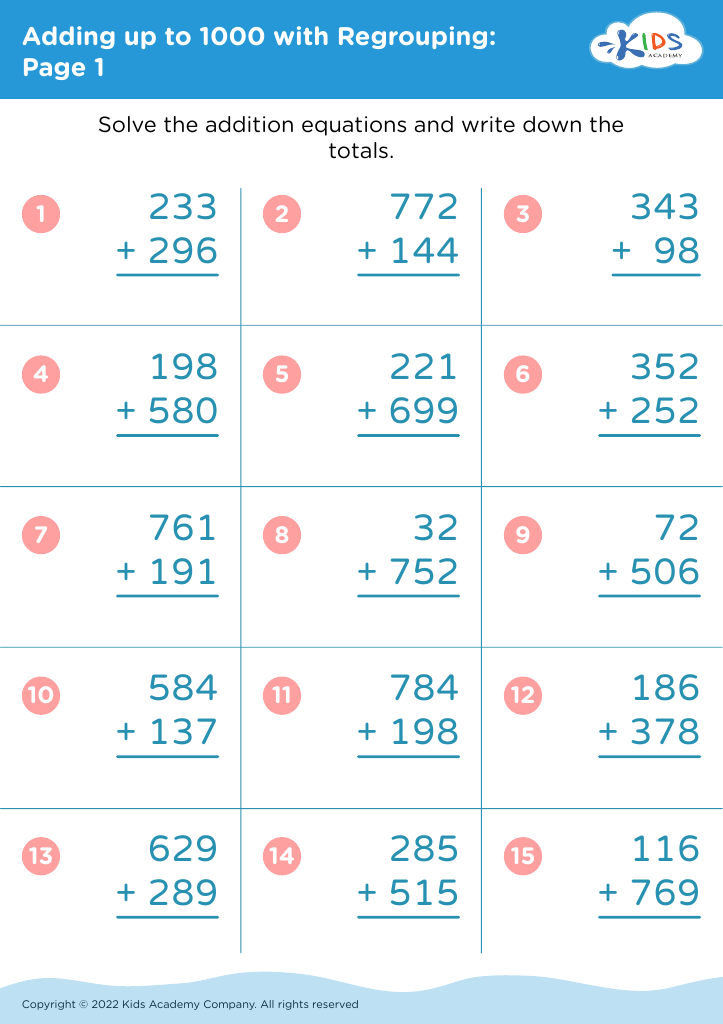
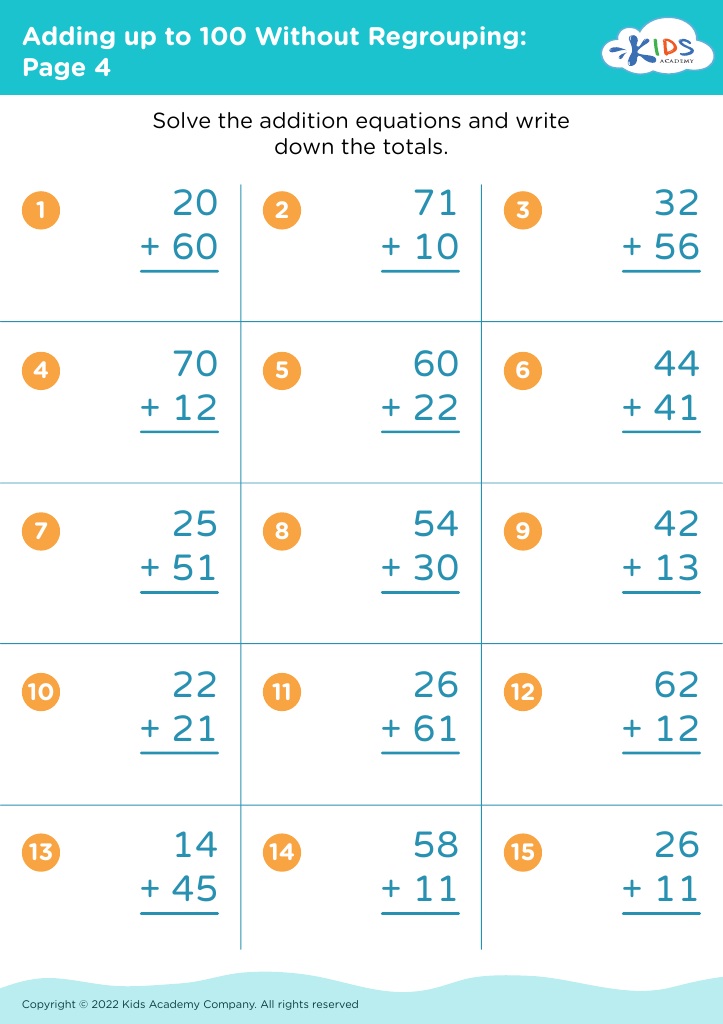
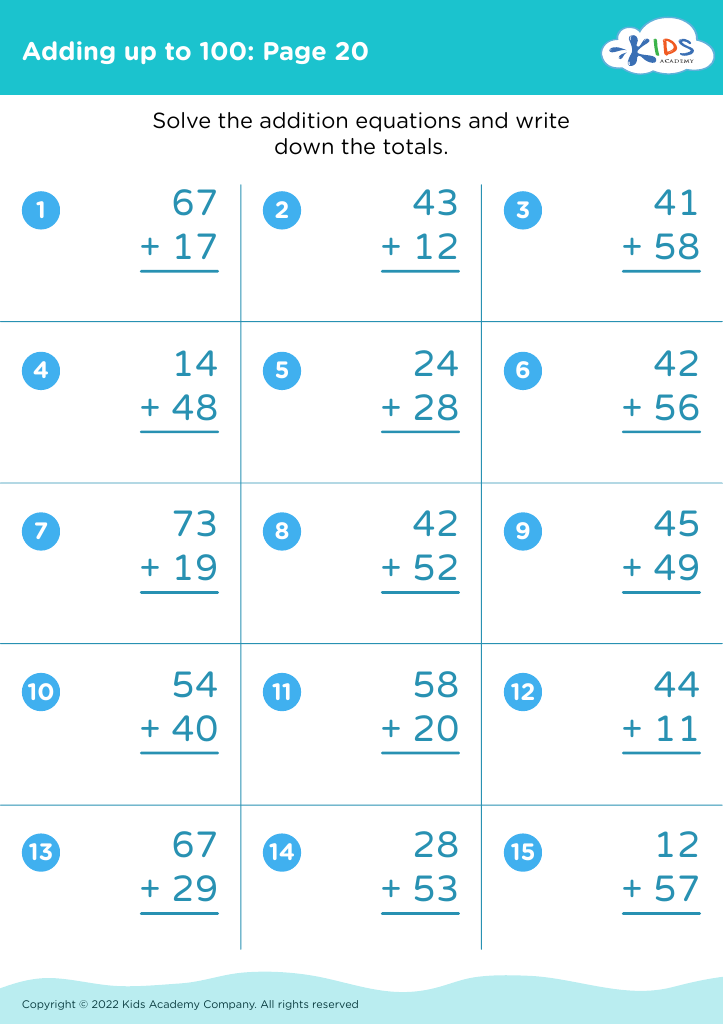
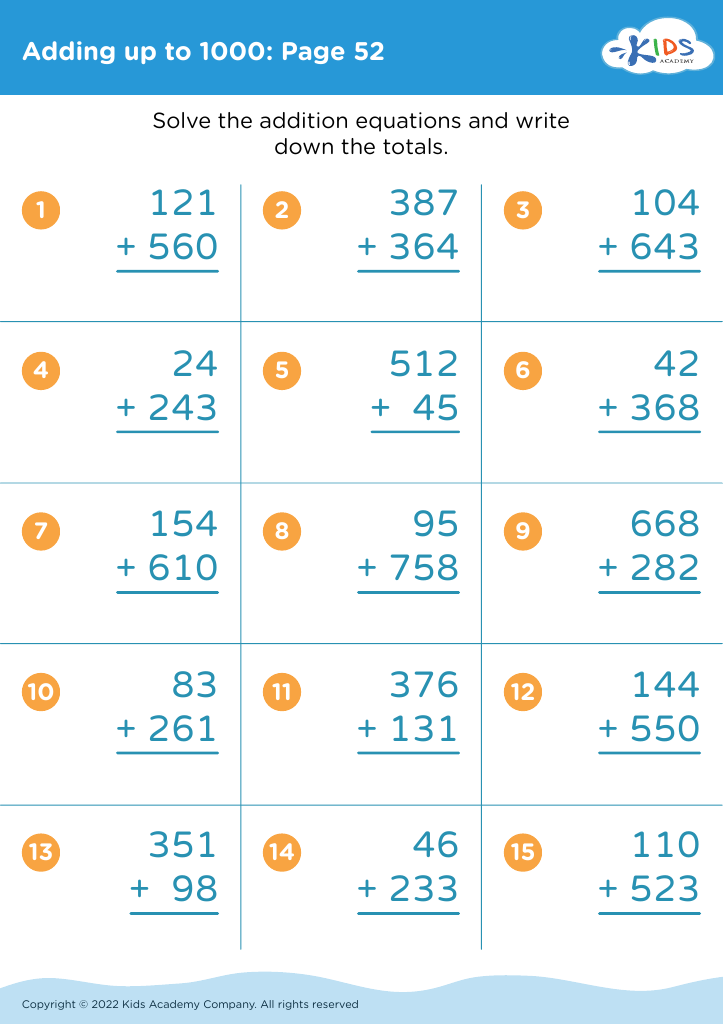
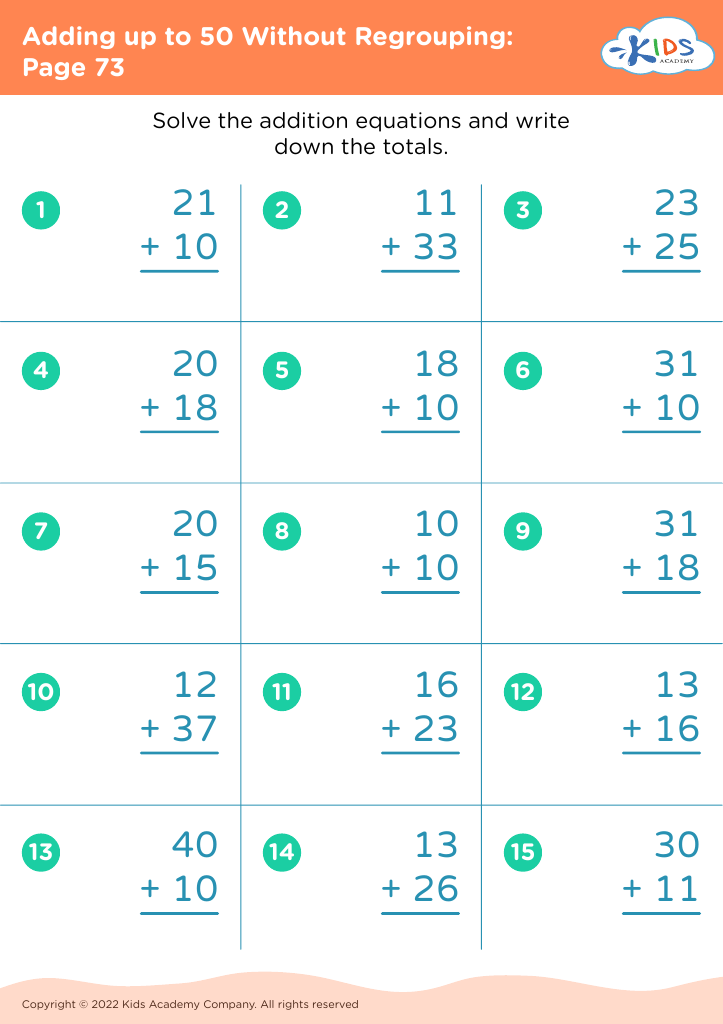
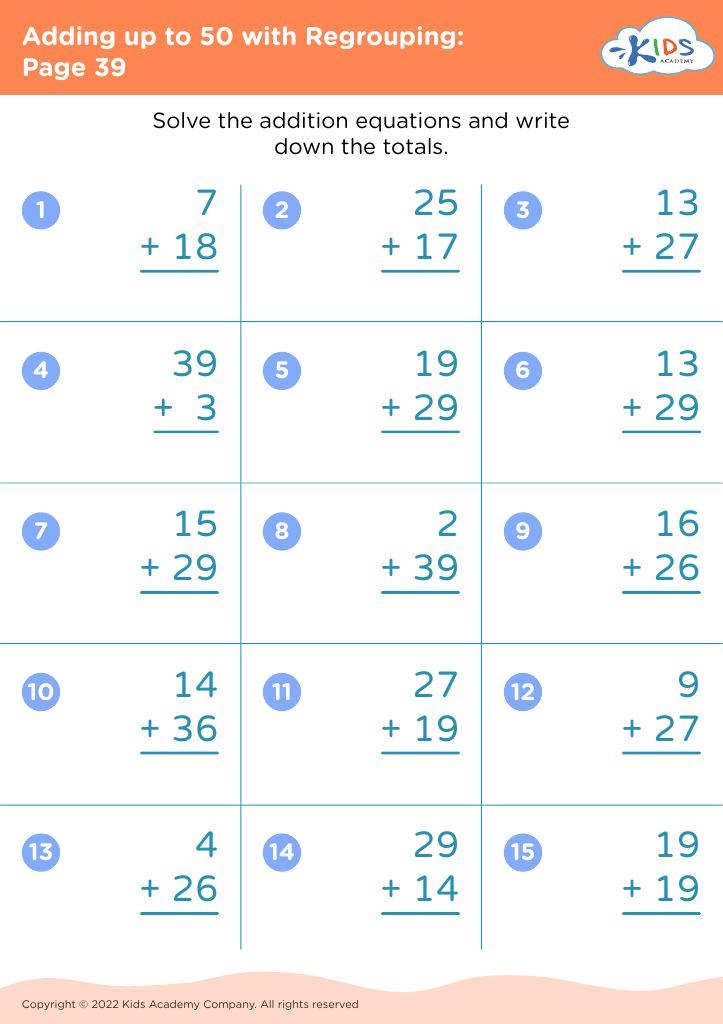
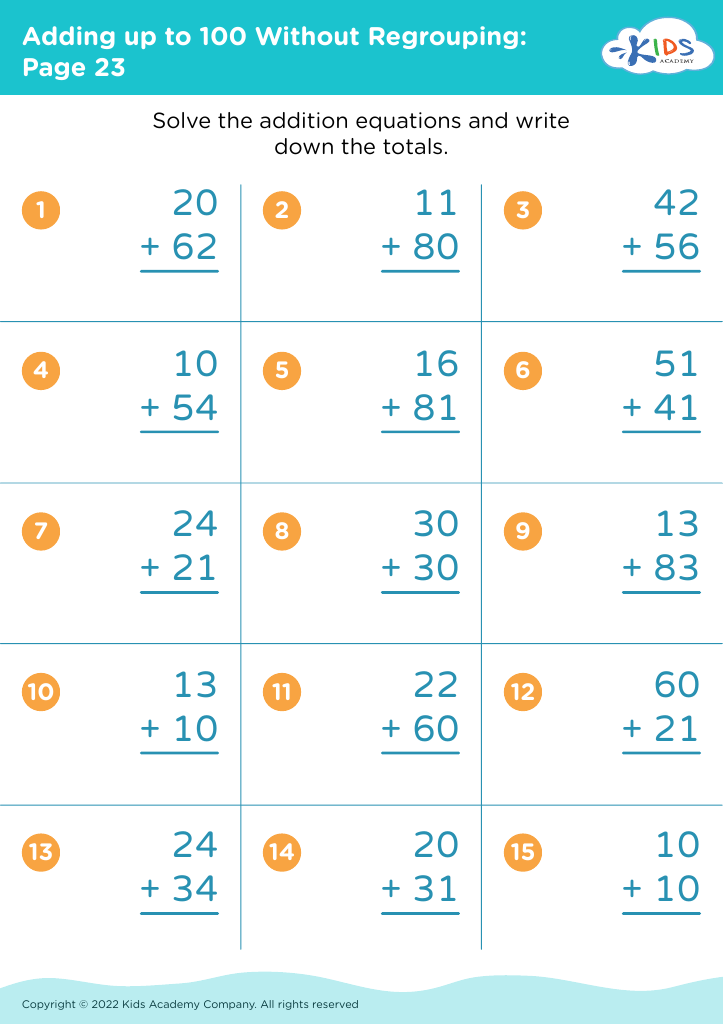
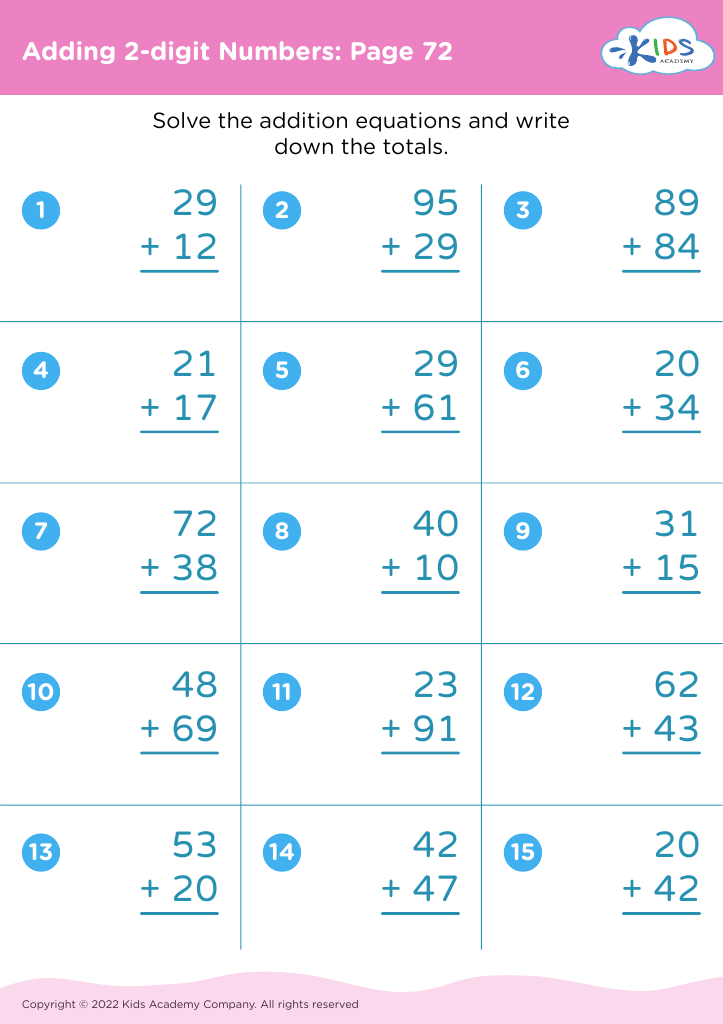








Understanding fraction simplification is crucial for children aged 8-9, as it lays the foundation for more advanced mathematical concepts. At this age, children transition from basic arithmetic to more complex problem-solving, making it essential for them to grasp how fractions work. Simplifying fractions helps students recognize equivalent fractions, develop number sense, and enhance their critical thinking skills.
Parents and teachers should care about fraction simplification for several reasons. Firstly, it fosters a children's confidence in math. Mastery of this skill allows them to tackle more advanced topics, such as adding, subtracting, multiplying, and dividing fractions, with ease. Secondly, it connects to real-world applications, like cooking, budgeting, or dividing items among friends, boosting a child's practical understanding of math in everyday life.
Moreover, this foundational knowledge promotes better performance in assessments. Understanding how to simplify fractions not only benefits during standardized tests but also challenges in higher grades later on. Supporting children through this learning process ensures that they develop a positive attitude toward math, seeing it as an enjoyable challenge rather than a daunting task, which ultimately contributes to their overall academic success and appreciation for the subject.








