Handwriting improvement Math Worksheets for Ages 8-9
5 filtered results
-
From - To
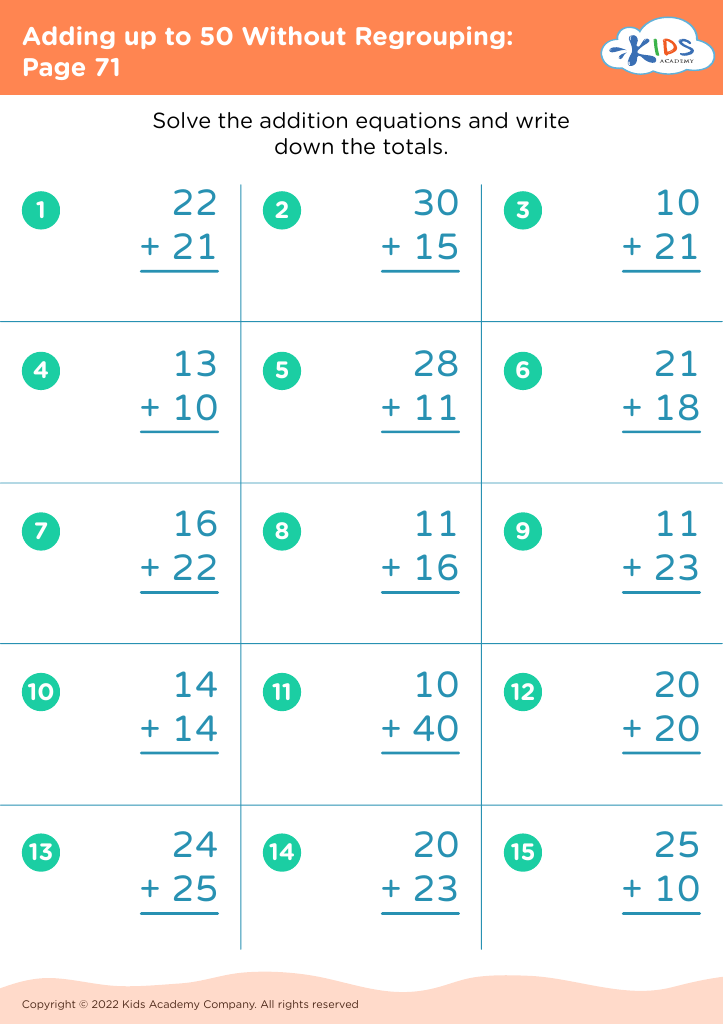
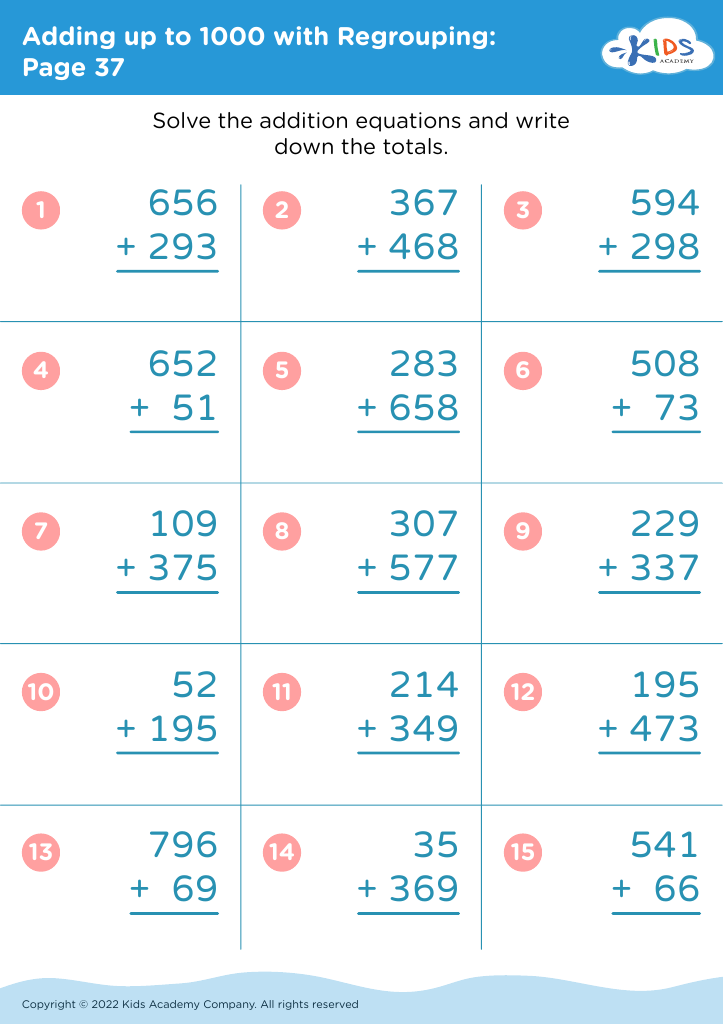
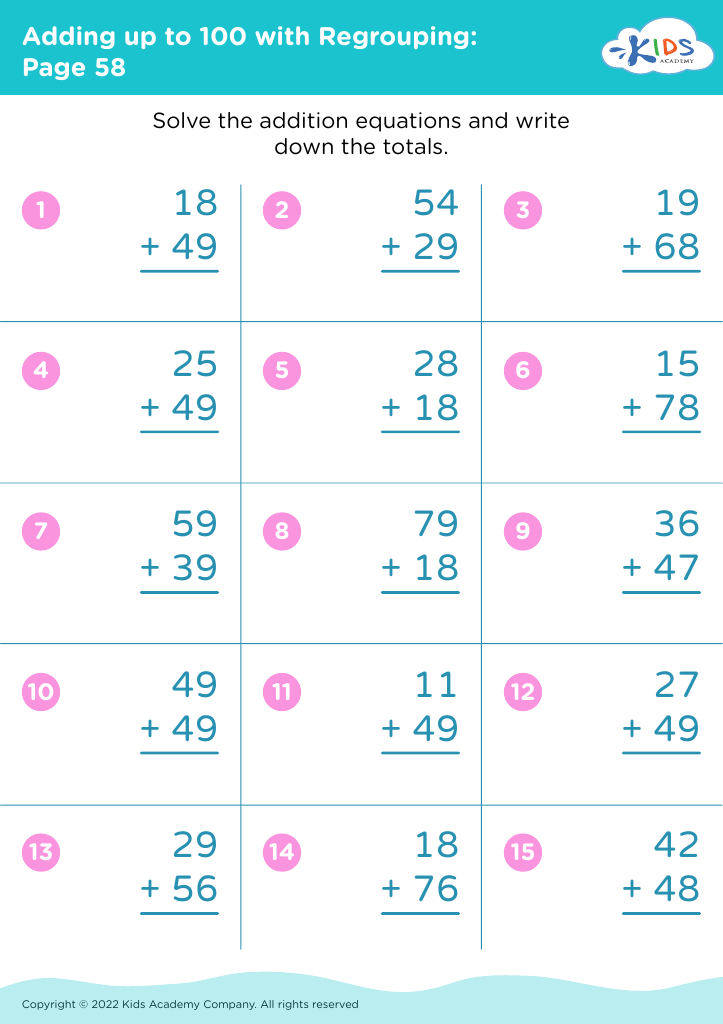
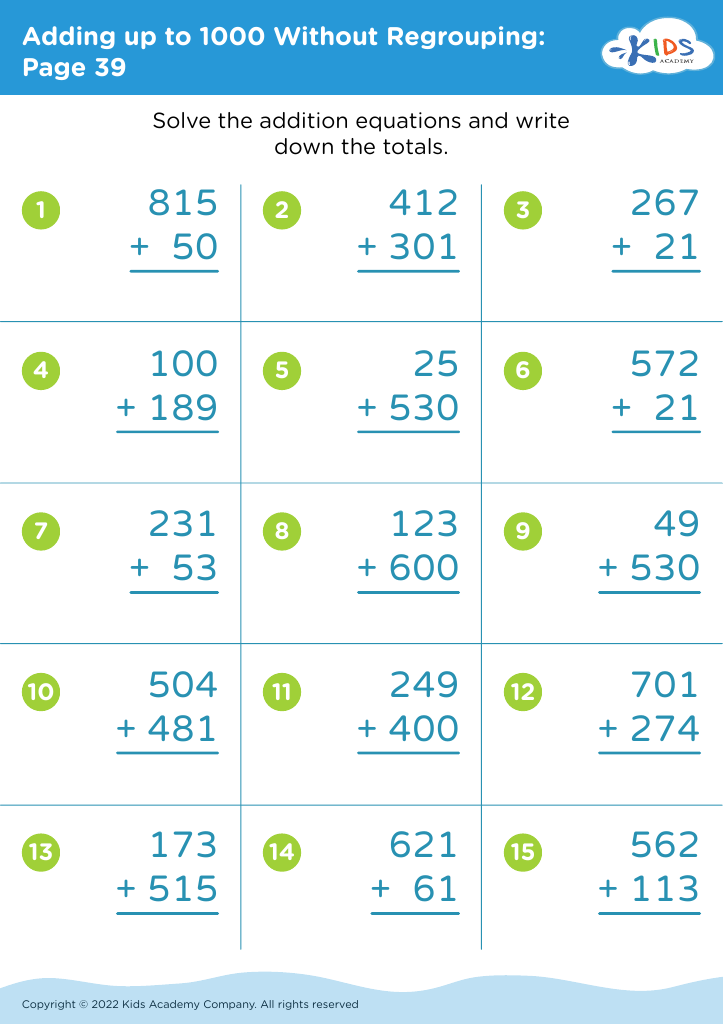
Enhance your child's handwriting and math skills with our engaging Handwriting Improvement Math Worksheets designed for ages 8-9. These worksheets combine essential math concepts with fun handwriting practice, helping young learners improve their letter formation, spacing, and overall clarity. Each worksheet features age-appropriate math problems paired with writing prompts that encourage students to neatly record their answers. Perfect for both classroom and home use, these resources foster a love for learning while building confidence in math and writing. Equip your child with the tools they need for academic success and improved motor skills! Explore our collection today to boost their proficiency!
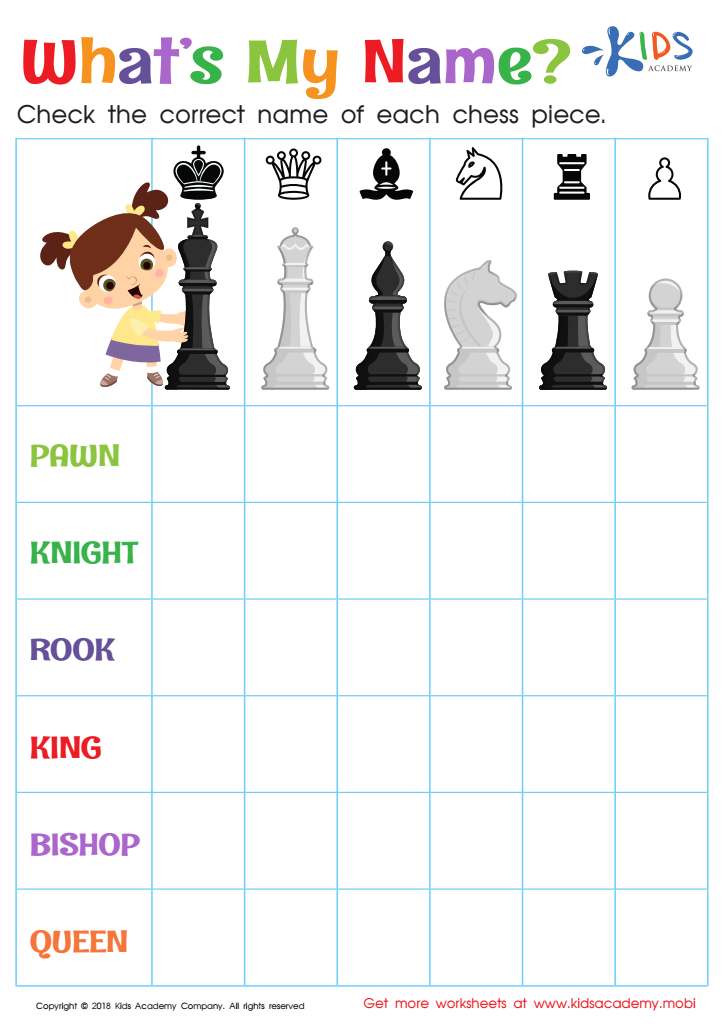
What's My Name? Worksheet
 Assign to My Students








Handwriting improvement is crucial for children aged 8-9, particularly as they begin to develop more advanced mathematical skills. This age marks a transition where children are expected to not only perform calculations but also communicate their mathematical thinking clearly. Legible handwriting helps them convey their problem-solving processes effectively, fostering a deeper understanding of mathematical concepts.
As students are encouraged to write explanations or show their work, neat handwriting ensures that their thoughts and reasoning are easily decipherable. Poor handwriting can lead to misunderstandings and frustrate both students and teachers, impacting overall performance.
Moreover, improving handwriting at this stage boosts self-confidence, as students take pride in presenting work that is neat and well-organized. It also prepares them for future academic challenges, where clear written communication is essential across various subjects. By promoting handwriting improvement, parents and teachers contribute not only to students’ math achievements but also to their overall academic success. Ultimately, this foundational skill supports critical thinking, fosters effective communication, and builds a positive attitude toward learning. In an increasingly fast-paced educational environment, emphasizing clear, legible handwriting in math becomes an invaluable investment in a child's academic journey.








