Identify shapes Math Worksheets for Ages 8-9
11 filtered results
-
From - To
Explore our engaging "Identify Shapes Math Worksheets" designed specifically for children aged 8-9. These worksheets help young learners recognize and classify various shapes, enhancing their understanding of geometry concepts in a fun and interactive way. Each worksheet features clear illustrations and easy-to-follow exercises that promote critical thinking and problem-solving skills. Perfect for both classroom and home learning, our resources support educational development and boost confidence in math. Let’s make learning about shapes enjoyable! Download and print these worksheets today to inspire creativity and improve shape identification skills among your students. Transform math lessons into a fun-filled adventure!
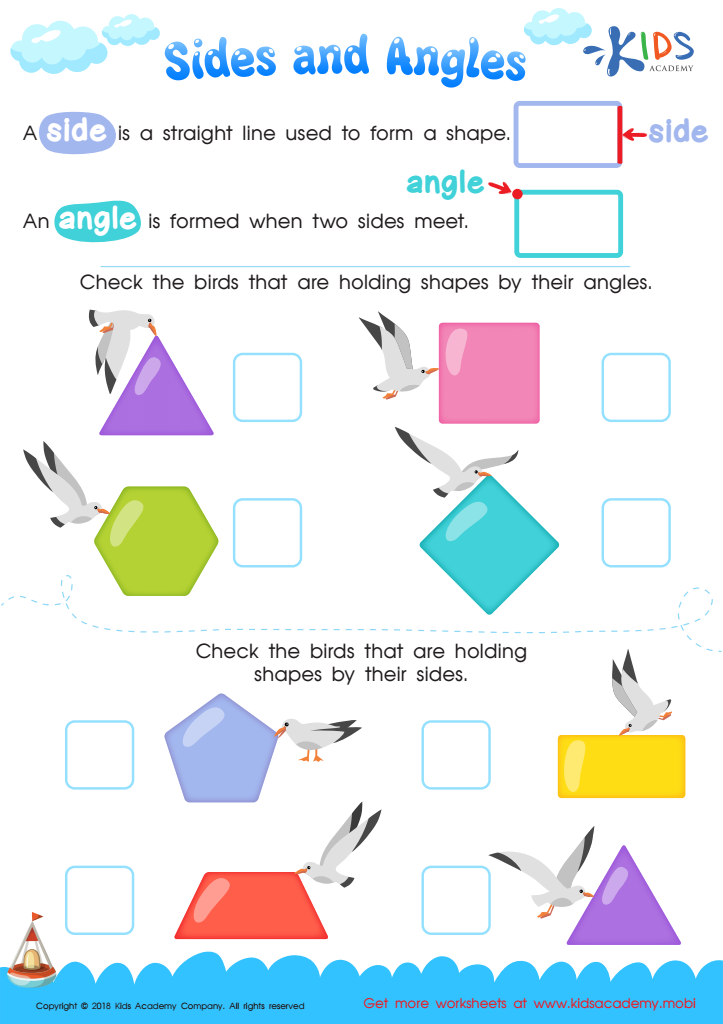
Sides and Angles Worksheet
 Assign to My Students
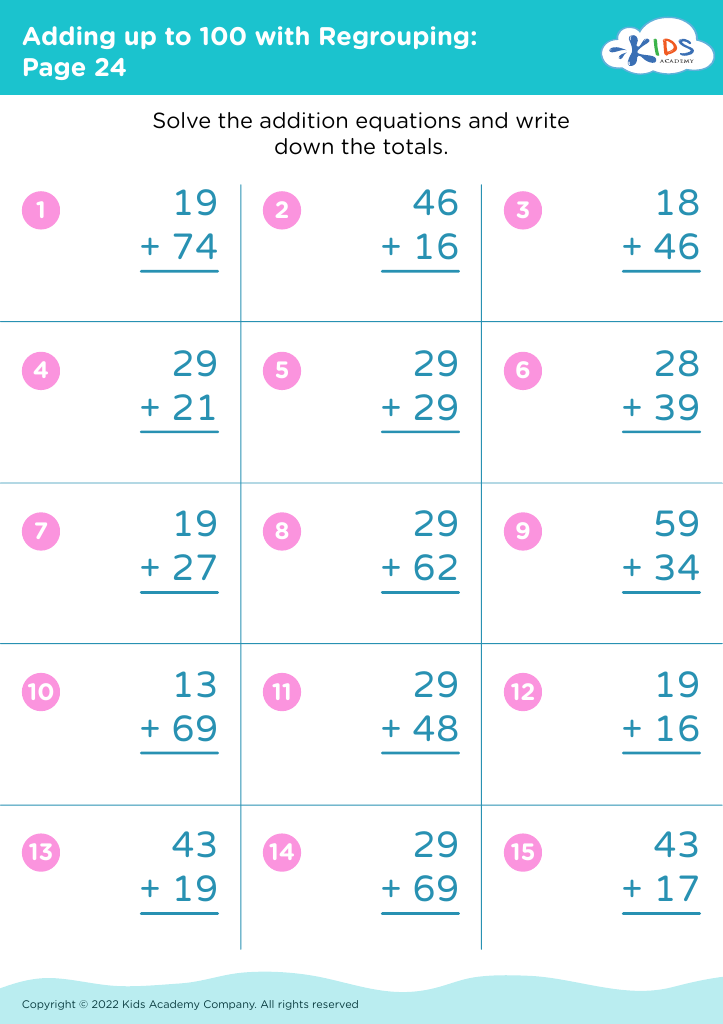
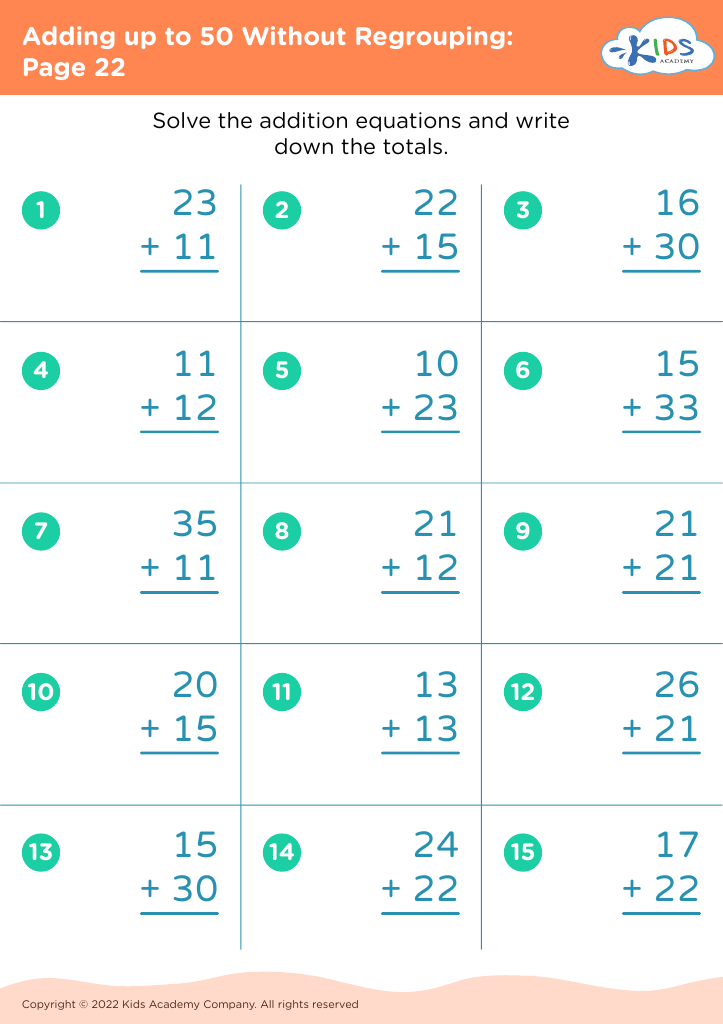
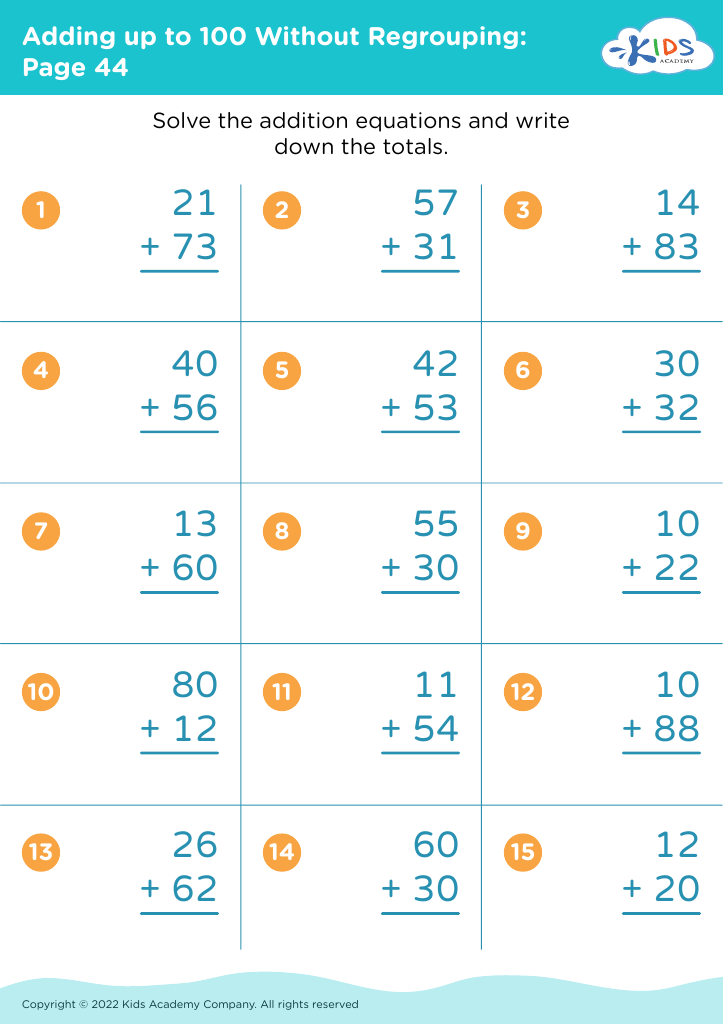








Identifying shapes is a fundamental skill in early mathematics that serves as the building block for advanced concepts. For children aged 8-9, understanding shapes goes beyond mere recognition; it enhances spatial awareness, critical thinking, and problem-solving abilities. Parents and teachers should care about this skill because it lays the groundwork for more complex mathematical operations, such as geometry and measurement, which are crucial in everyday life.
When children are able to identify and differentiate between various shapes, they cultivate an understanding of the world around them. This knowledge is not only useful in math but also in art, architecture, and science. Moreover, recognizing shapes encourages pattern recognition, which can help with more advanced math later on.
Additionally, learning about shapes in a fun and engaging way fosters a love for mathematics. It builds confidence and promotes positive attitudes toward the subject. Activities like shape scavenger hunts or geometry games can make learning enjoyable, turning a potentially intimidating subject into something exciting.
In summary, helping children at this age understand shapes supports their cognitive development, practical skills, and enthusiasm for learning, making it an essential focus for both parents and educators.








