Learn new vocabulary Math Worksheets for Ages 8-9
4 filtered results
-
From - To
Unlock the power of math language with our "Learn New Vocabulary Math Worksheets for Ages 8-9." Designed to enhance both math and language skills, these worksheets dive into essential mathematical terminology in a fun and engaging way. Your child will explore key concepts and terms, boosting their problem-solving abilities and math confidence. Perfect for classroom and at-home learning, our worksheets follow grade-level standards to ensure your child stays ahead. Experience the joy of learning as your child masters math vocabulary, building a robust foundation for future academic success with our expertly crafted resources.
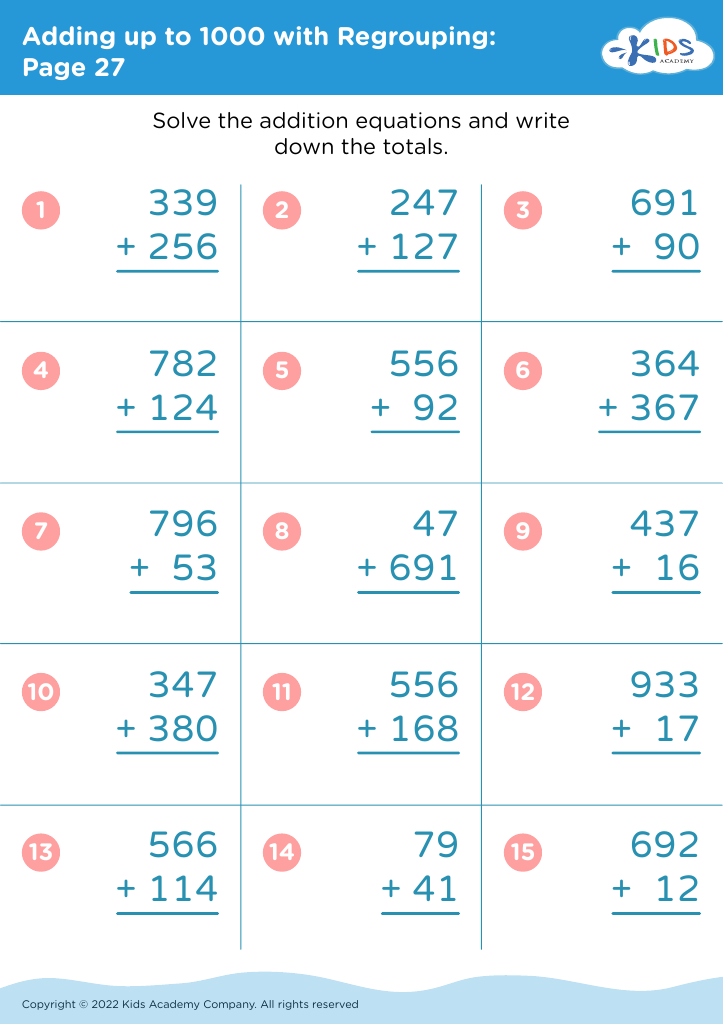
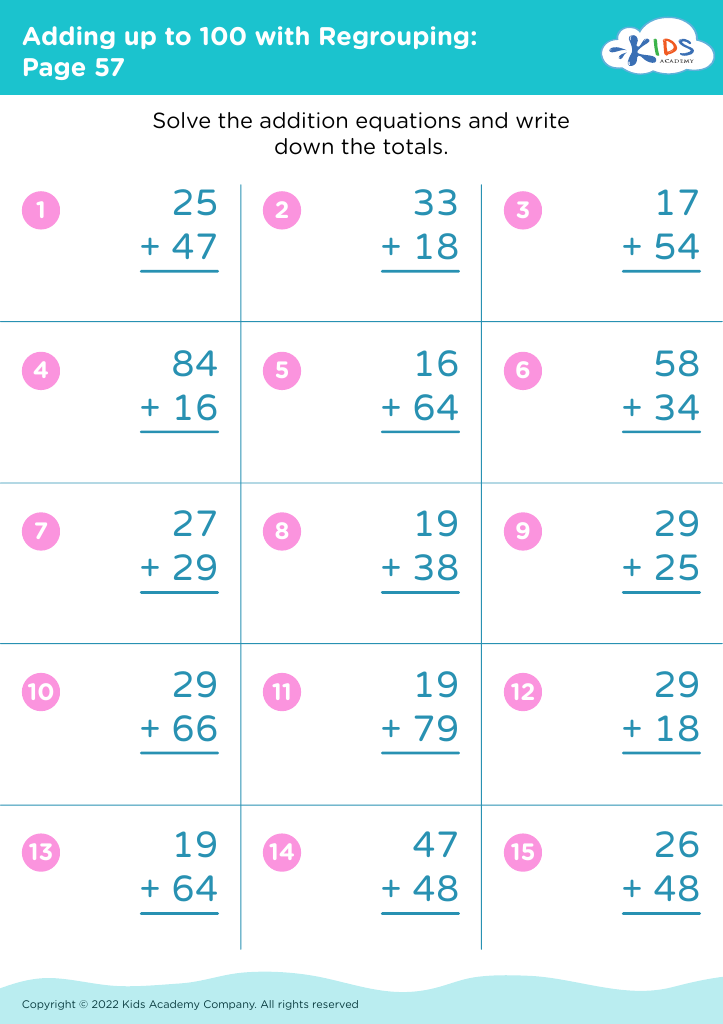
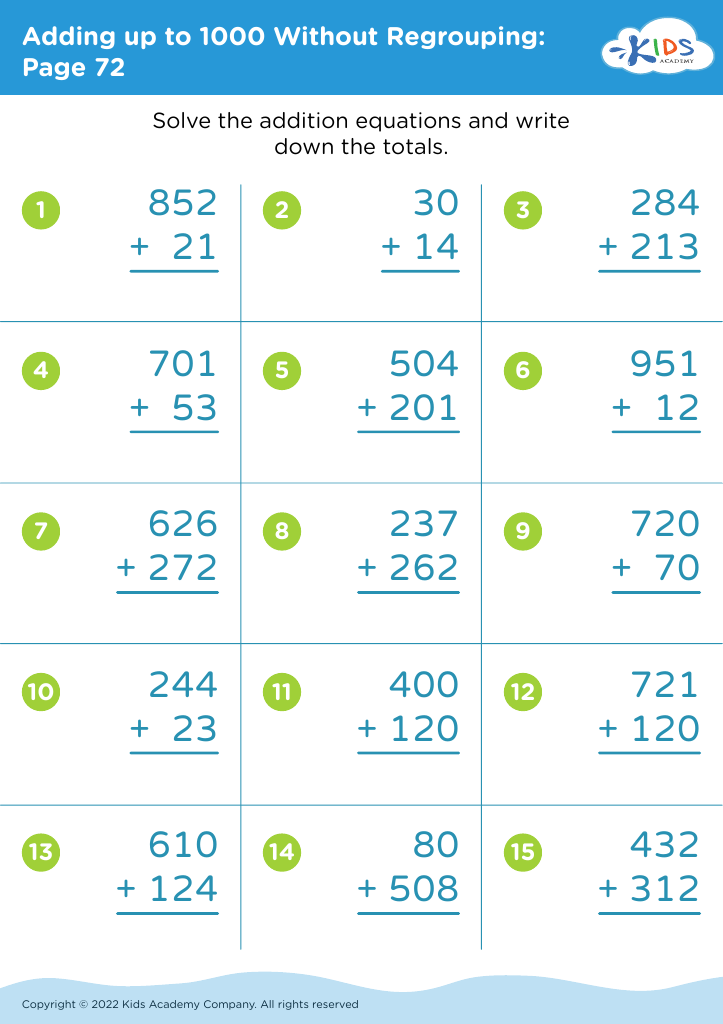
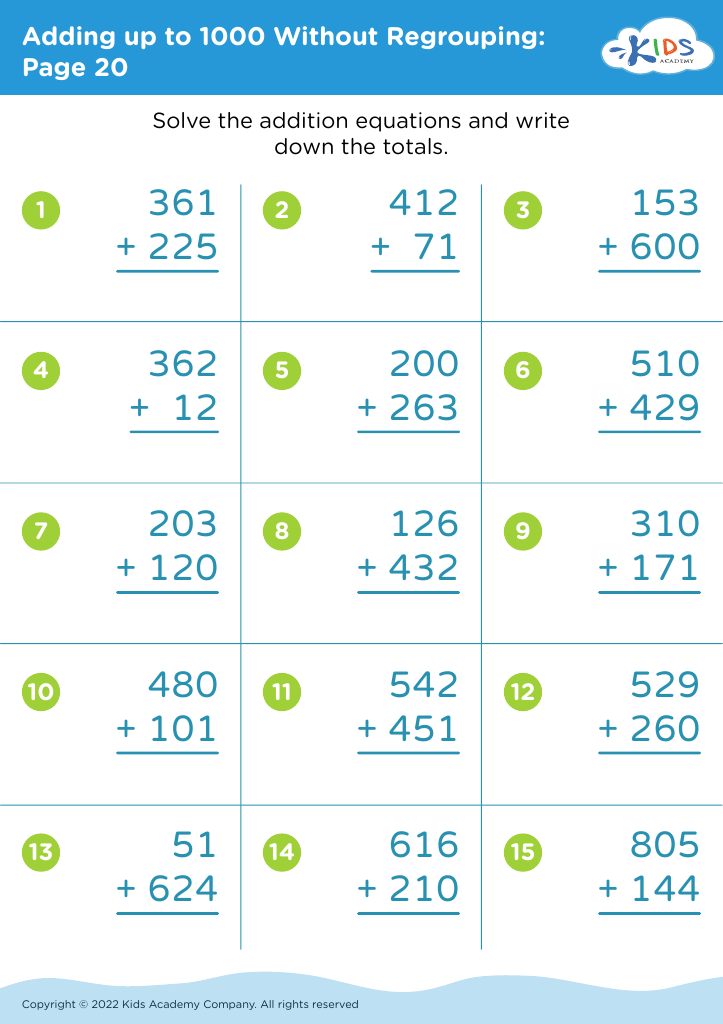






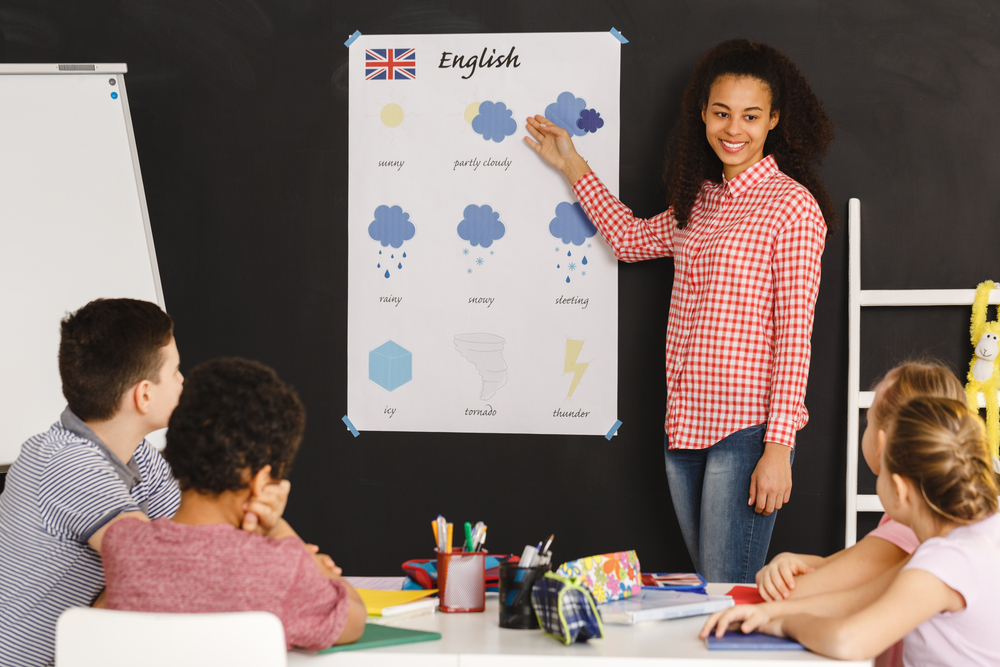

Parents and teachers should prioritize enhancing children’s math vocabulary for ages 8-9 because this stage is crucial for cognitive and academic development. At this age, a robust mathematical vocabulary lays the foundation for understanding more complex math concepts later on. Mastery of terms such as "addend," "difference," "product," and "quotient," allows children to easily grasp and solve arithmetic problems.
Furthermore, a strong vocabulary in math aids in effective communication of mathematical reasoning and ideas, which is essential for collaborative learning and higher-grade subjects. Children who are confident in their math vocabulary are also more likely to engage with the subject positively, building self-esteem and reducing math anxiety.
Incorporating math vocabulary into daily learning can make math less intimidating and more approachable. This practice strengthens linguistic skills, aiding overall academic performance across subjects. Parents and teachers can enhance math learning by integrating games, discussions, and real-life applications, making math both fun and relevant.
Ultimately, investing in math vocabulary is investing in a child’s future. It equips them with the tools necessary for academic success and fosters critical thinking, problem-solving, and a lifelong love for learning. Therefore, cultivating math vocabulary at the ages of 8-9 is a pivotal step in forming a solid educational foundation.








