Practice inference skills Math Worksheets for Ages 8-9
3 filtered results
-
From - To
Enhance your child's mathematical reasoning with our engaging inference skills math worksheets, designed specifically for ages 8-9. These printable worksheets provide a fun way to develop critical thinking and problem-solving abilities through intriguing word problems and real-life scenarios. As students practice making inferences and drawing conclusions based on given information, they sharpen essential skills necessary for mathematical success. Each worksheet encourages children to think creatively while building confidence in their abilities. Perfect for classroom use or at-home learning, these resources ensure that your child approaches math with curiosity and enthusiasm. Discover the joy of learning with our interactive worksheets today!
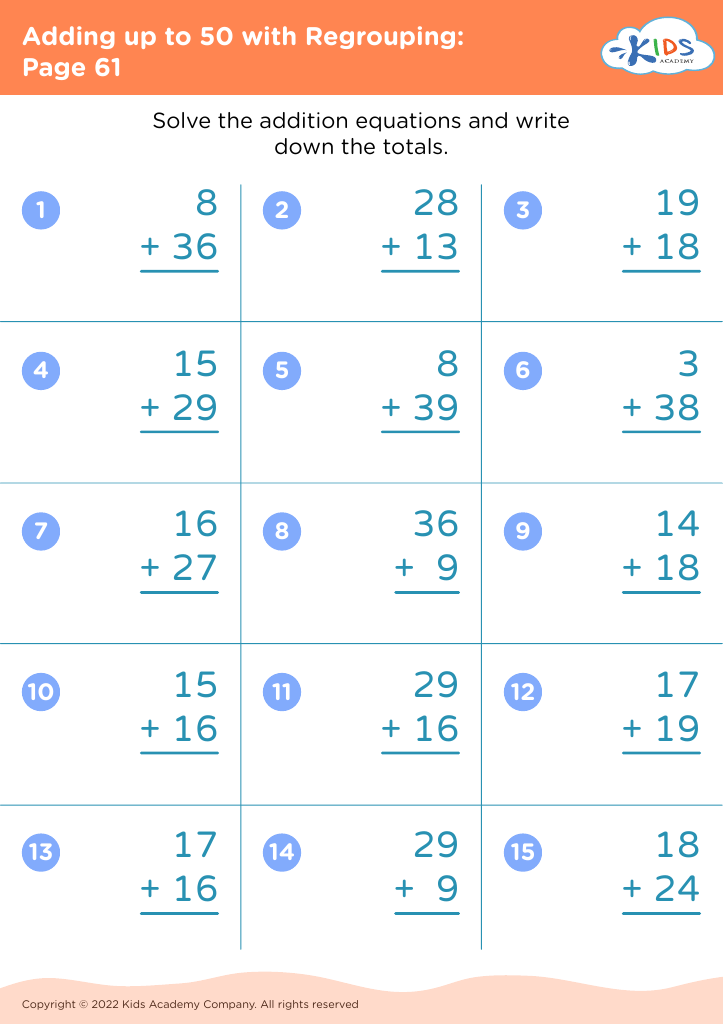
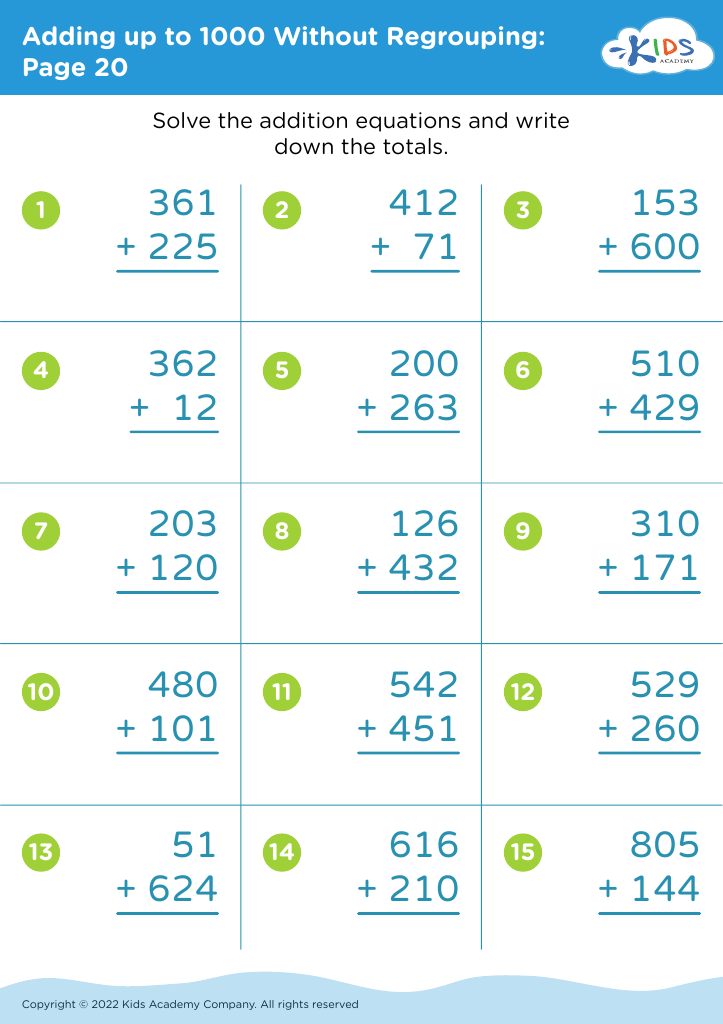
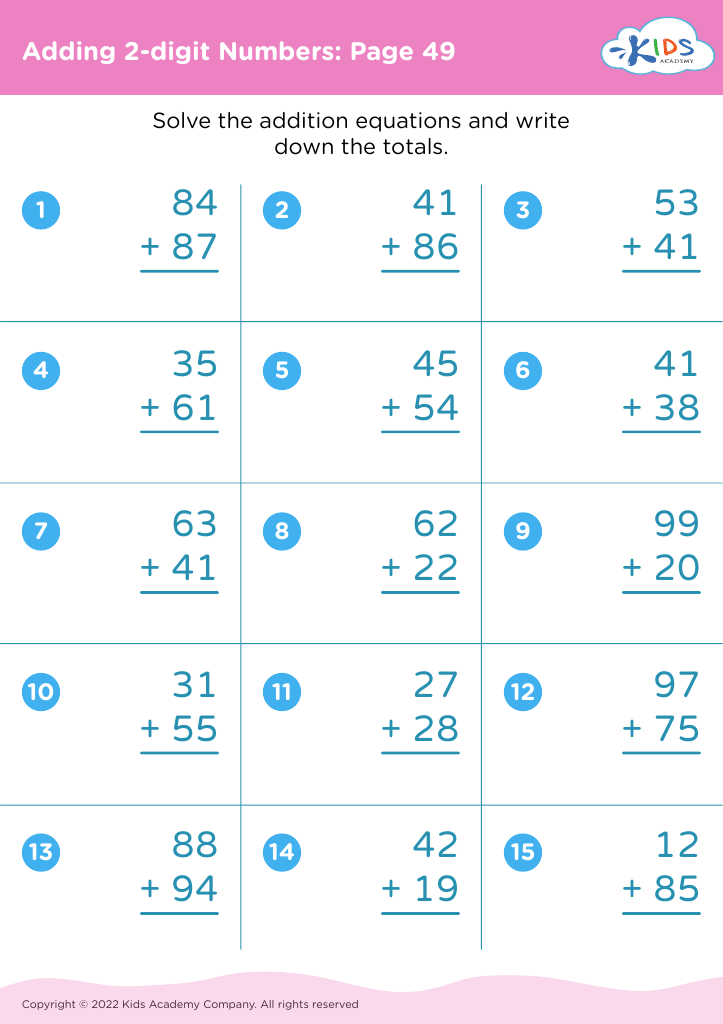







Practice inference skills in math for children aged 8-9 are crucial for several reasons. At this developmental stage, children transition from concrete math operations to more abstract thinking. Enhancing their ability to infer and analyze not only boosts their mathematical confidence but also cultivates critical thinking skills applicable in various real-life situations.
Firstly, inference skills enable students to interpret data, recognize patterns, and make predictions based on information rather than memorization. This helps deepen their understanding of math concepts, such as proportions, ratios, and geometry. Children learn to draw conclusions from visual data, fostering analytical abilities necessary for advanced mathematics.
Furthermore, inference skills improve problem-solving techniques, pushing students to think creatively and explore multiple strategies for finding solutions. Encouraging children to ask "Why?" and "How?" nurtures a curious mindset crucial for a lifelong love of learning.
In a broader context, strong inference skills are foundational for academic success across disciplines, enhancing reading comprehension and scientific reasoning. If parents and teachers prioritize developing these skills, they provide students with essential tools that will lead to greater academic achievement and adaptability in an ever-changing world. Thus, nurturing inference skills in math is an investment in a child’s holistic education.








