
Practice problem-solving Math Worksheets for Ages 8-9
4 filtered results
Difficulty Level
Grade
Age
-
From - To
Subject
Activity
Standards
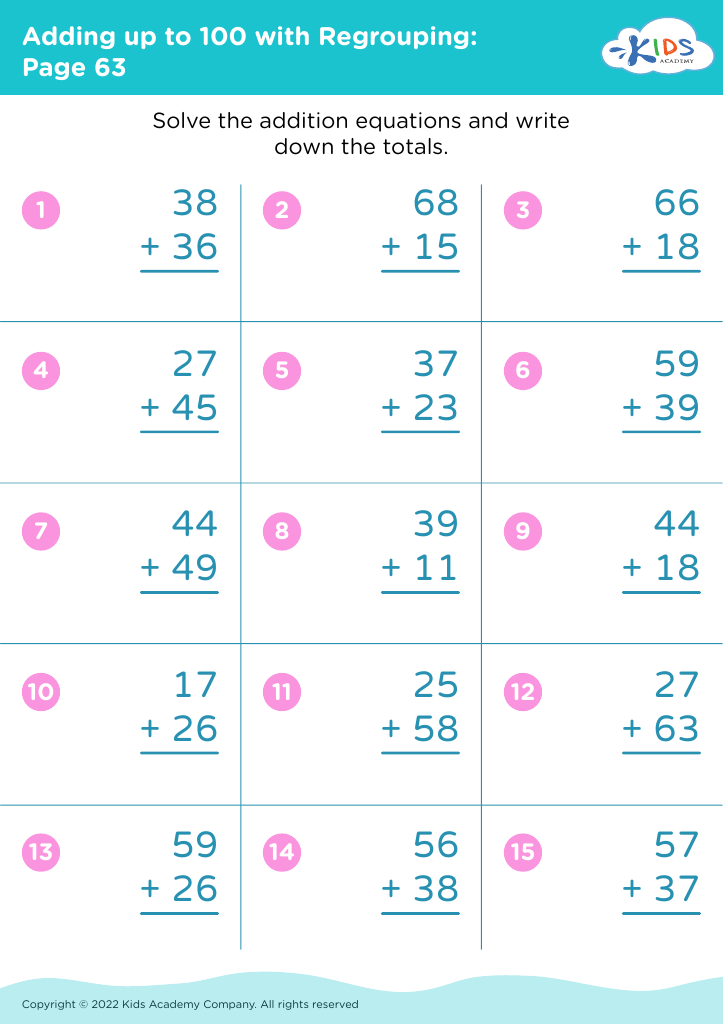
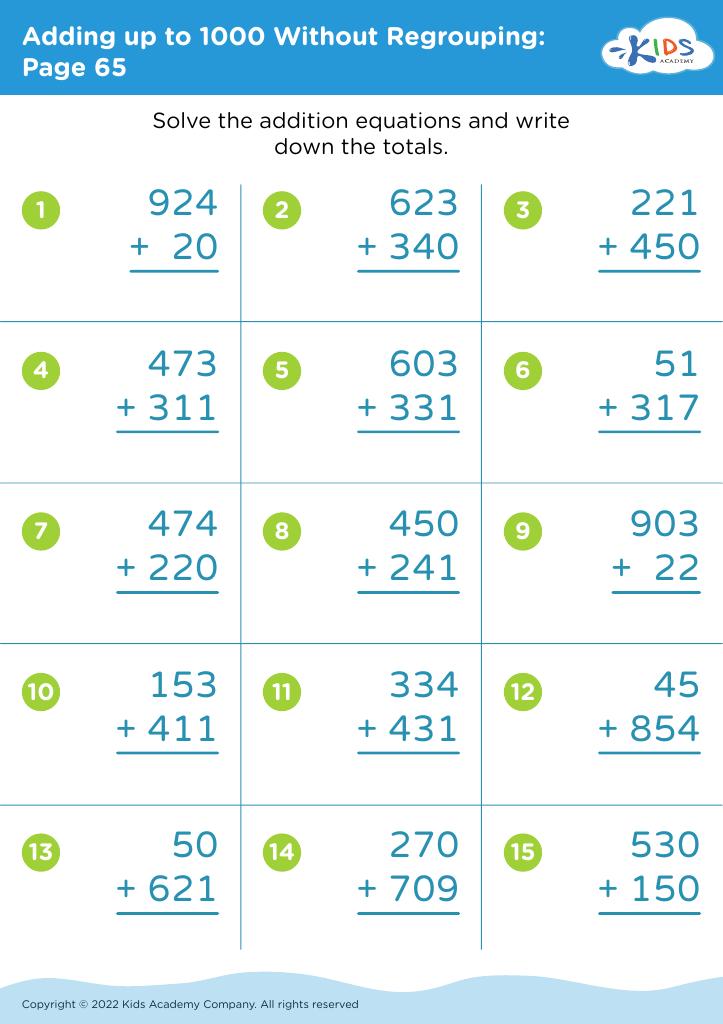
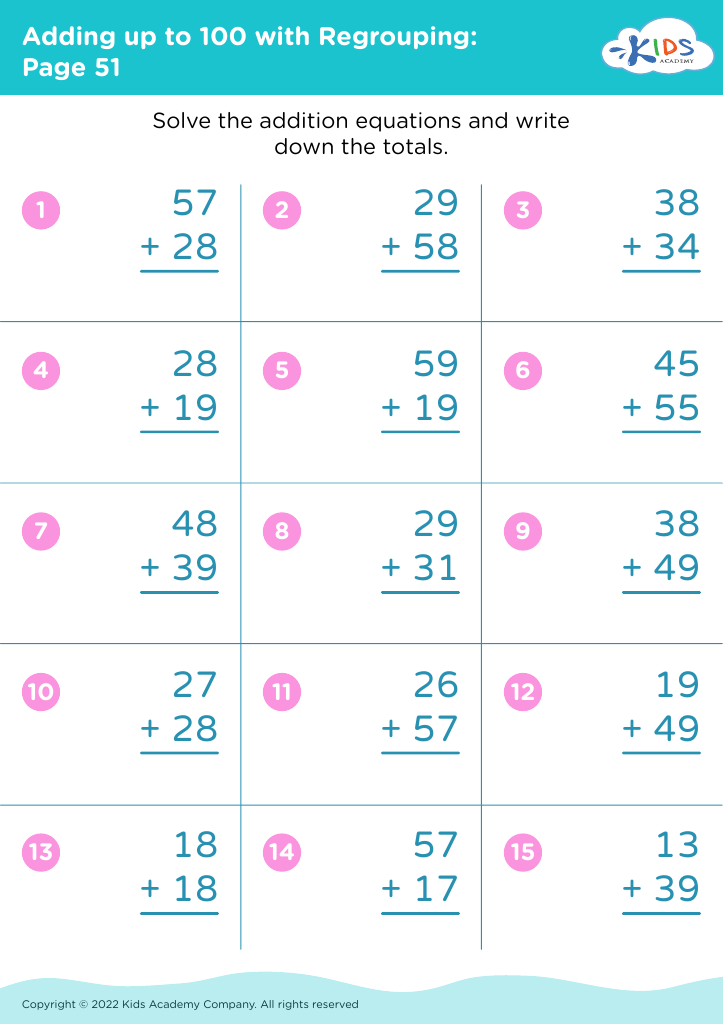
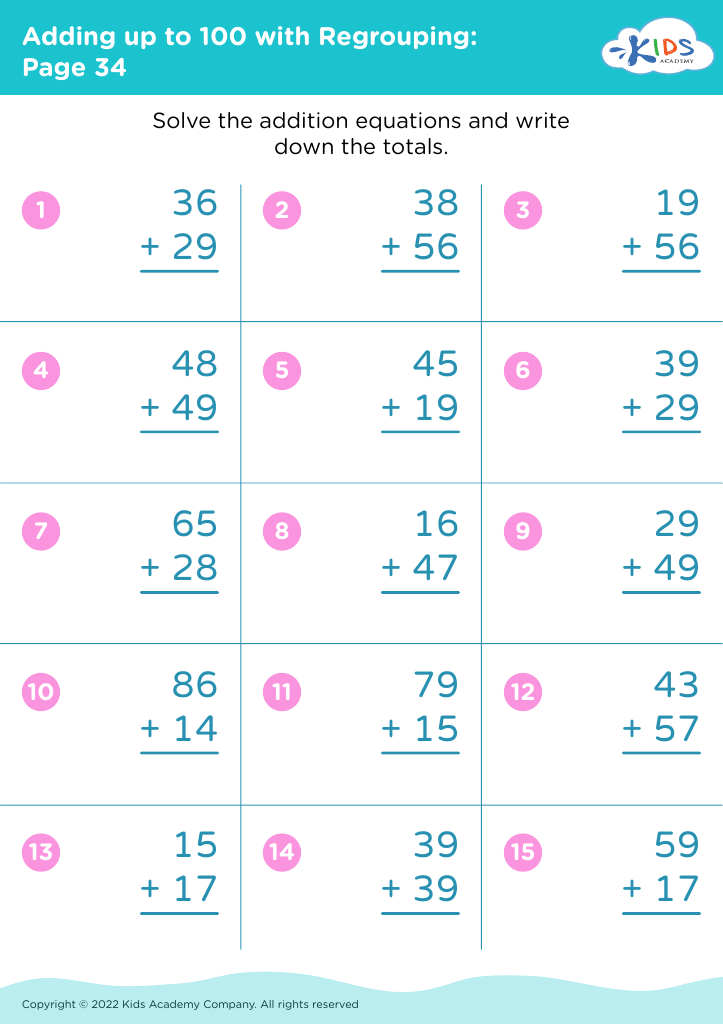
Boost your child's math skills with our "Practice Problem-Solving Math Worksheets" designed for ages 8-9. These engaging worksheets focus on enhancing critical thinking and mathematical reasoning through fun, real-life problem scenarios. Each worksheet encourages students to decode problems, formulate strategies, and arrive at solutions using addition, subtraction, multiplication, and division. With varying levels of difficulty, children can progress at their own pace, building confidence in their abilities. Perfect for classroom settings or at-home learning, our worksheets make practicing math enjoyable. Download now and help your child become a proficient problem solver while fostering a love for numbers!
Favorites
With answer key
Interactive
Join Kids Academy for Free
Who is primarily going to use this learning content?







Parents and teachers should prioritize practice problem-solving in math for children ages 8-9 because this skill is foundational for fostering critical thinking and cognitive development. At this stage, children begin to encounter more complex mathematical concepts, which help them build a robust understanding of numbers and operations. Engaging regularly in problem-solving activities assists students in identifying patterns, making connections, and developing logical reasoning.
Moreover, problem-solving in math equips kids with practicality. These skills extend beyond the classroom, encouraging children to approach real-world challenges with confidence. When students face math problems, they learn valuable strategies—like breaking down a problem into smaller, manageable parts—that can be applicable in various situations.
Additionally, encouraging problem-solving cultivates a growth mindset. By allowing children to tackle challenging tasks and learn from mistakes, parents and teachers help foster resilience and perseverance. This development not only influences academic performance but also shapes character, teaching students that effort and strategy can lead to success.
In summary, emphasizing problem-solving in math for young learners has profound implications for their intellectual, practical, and social-emotional skills. Investing in this aspect of education will yield significant, long-lasting benefits for both individuals and society.








