
Recognize patterns Math Worksheets for Ages 8-9
11 filtered results
Difficulty Level
Grade
Age
-
From - To
Subject
Activity
Standards
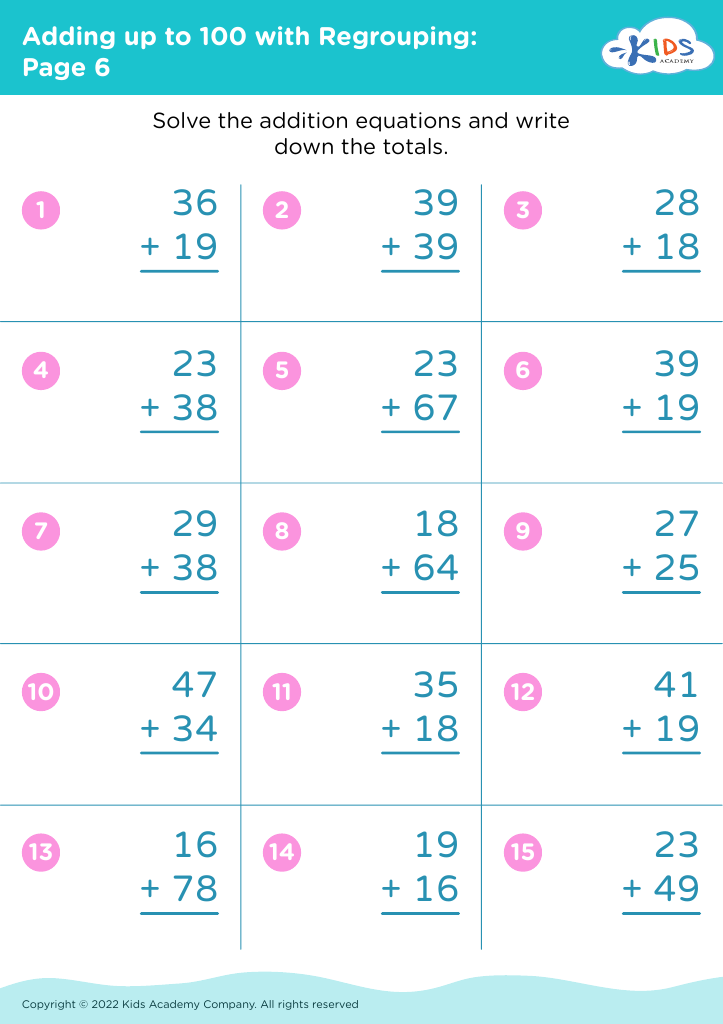
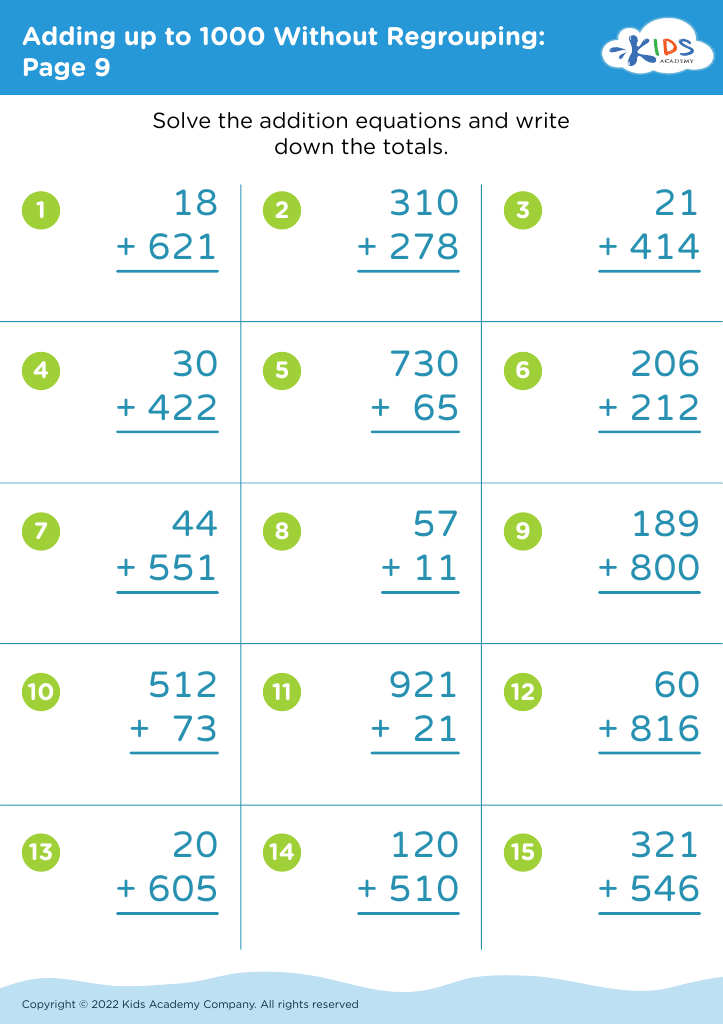
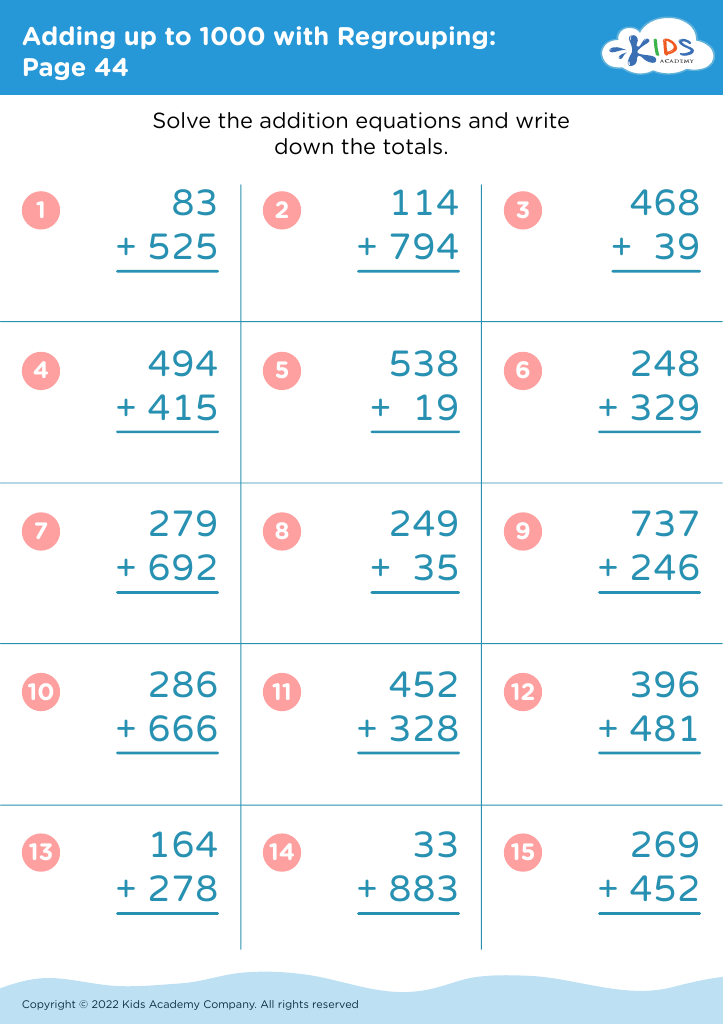
Discover our engaging "Recognize Patterns Math Worksheets" tailored for children aged 8-9! These worksheets are designed to enhance critical thinking and problem-solving skills, while fostering a love for mathematics. Featuring a variety of activities, your child will explore sequences, shapes, and numerical patterns through fun and interactive exercises. Perfect for classroom use or at home, our worksheets help reinforce essential math concepts, making learning enjoyable. Each worksheet adapts to different learning styles and paces, ensuring your child confidently masters recognizing patterns. Unlock your child's potential with these comprehensive resources, preparing them for future mathematical challenges and academic success!
Favorites
With answer key
Interactive
Join Kids Academy for Free
Who is primarily going to use this learning content?







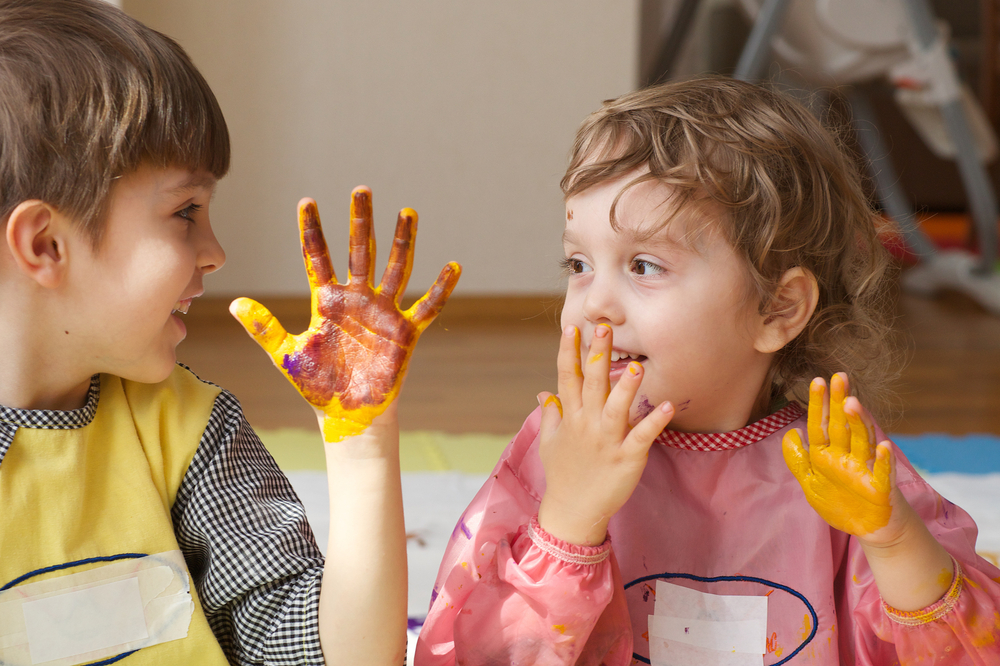
Recognizing patterns in math is a foundational skill crucial for children aged 8-9, as it lays the groundwork for more advanced mathematical concepts and problem-solving abilities. At this age, students begin to encounter more complex ideas such as algebra and geometry, and understanding patterns helps them make sense of these subjects. By learning to identify and create patterns, children not only improve their analytical skills but also develop critical thinking and logic.
Parents and teachers should care about teaching this skill because it promotes cognitive development and enhances mathematical fluency. Recognizing patterns cultivates a sense of order and predictability in what might initially seem like abstract concepts. It also encourages children to explore relationships, make predictions, and discover regularities, which are applicable in various areas beyond math, such as science and everyday life.
Additionally, engaging with patterns fosters a love for mathematics. When children see patterns in numbers or shapes, they become more curious and eager to learn. This enthusiasm can lead to greater persistence in tackling challenging material and ultimately boosts their confidence in their math abilities. In sum, focusing on recognizing patterns enriches students’ educational experience and primes them for future academic success.








