Color recognition Reading Fiction Worksheets for Ages 8-9
4 filtered results
-
From - To
Enhance your child's reading journey with our Color Recognition Reading Fiction Worksheets designed specifically for ages 8-9. These engaging, age-appropriate activities help young learners improve their color identification skills while delving into fun fictional stories. Each worksheet promotes literacy development through vivid illustrations and thought-provoking questions, encouraging critical thinking and enhancing comprehension. Perfect for homeschooling, classroom use, or extra practice, these worksheets create an enjoyable way for children to connect colors with their reading material. Nurture your child's creativity and cognitive growth, making learning a colorful adventure. Explore these resources to spark a love for reading and artistic expression!
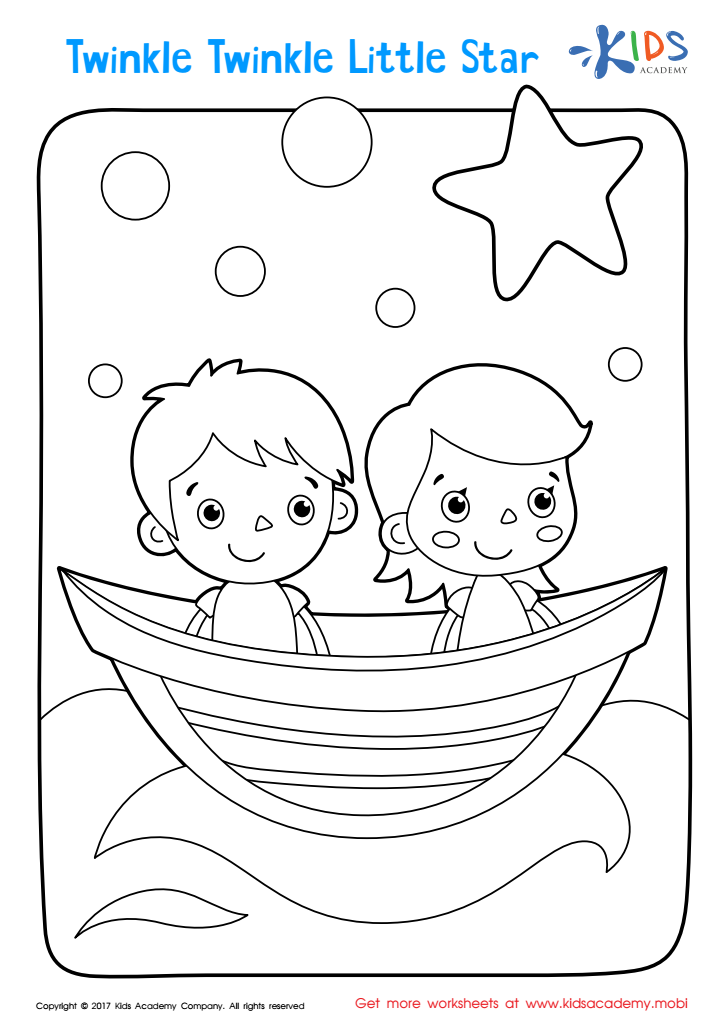
Twinkle Twinkle Little Star Coloring Page
 Assign to My Students
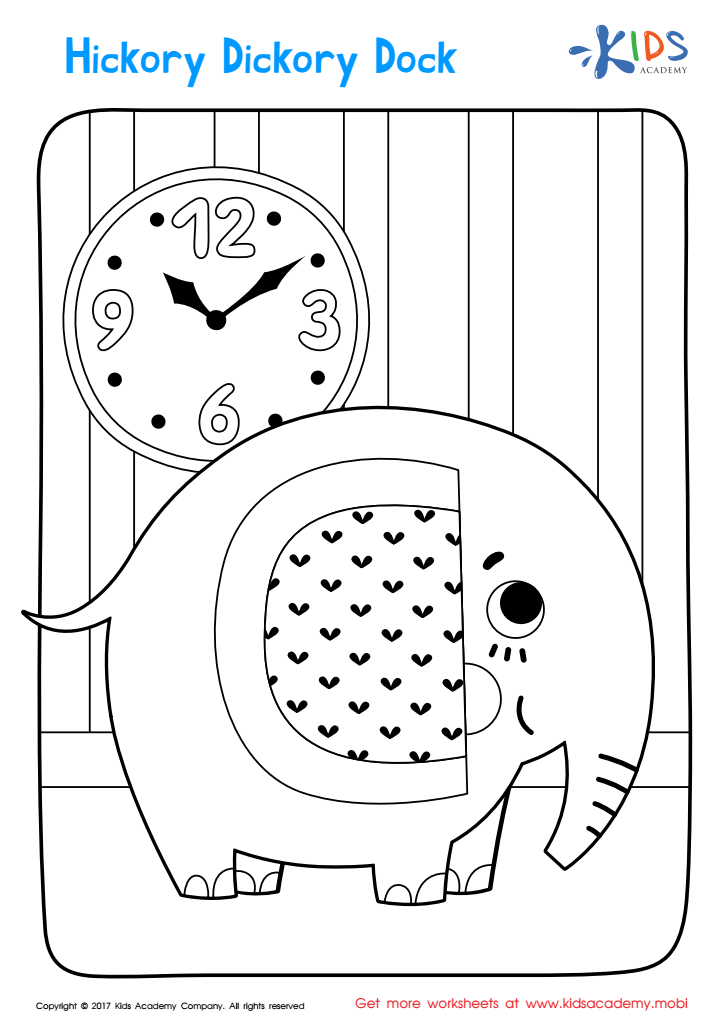
Hickory Dickory Dock Coloring Page
Assign to My Students
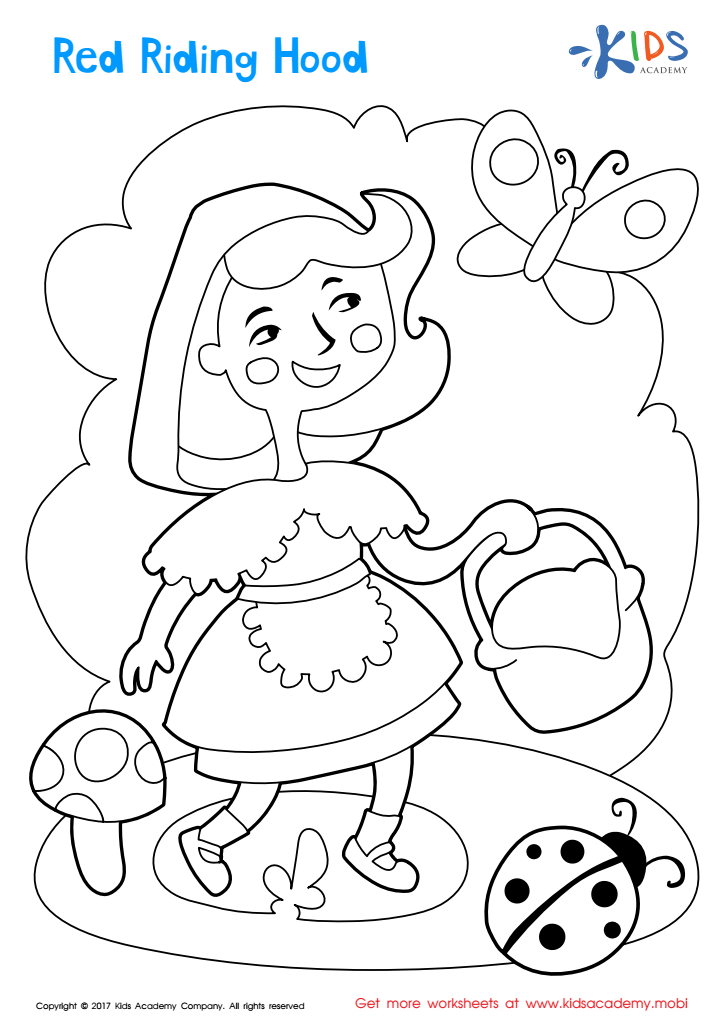
Red Riding Hood Coloring Page
Assign to My Students
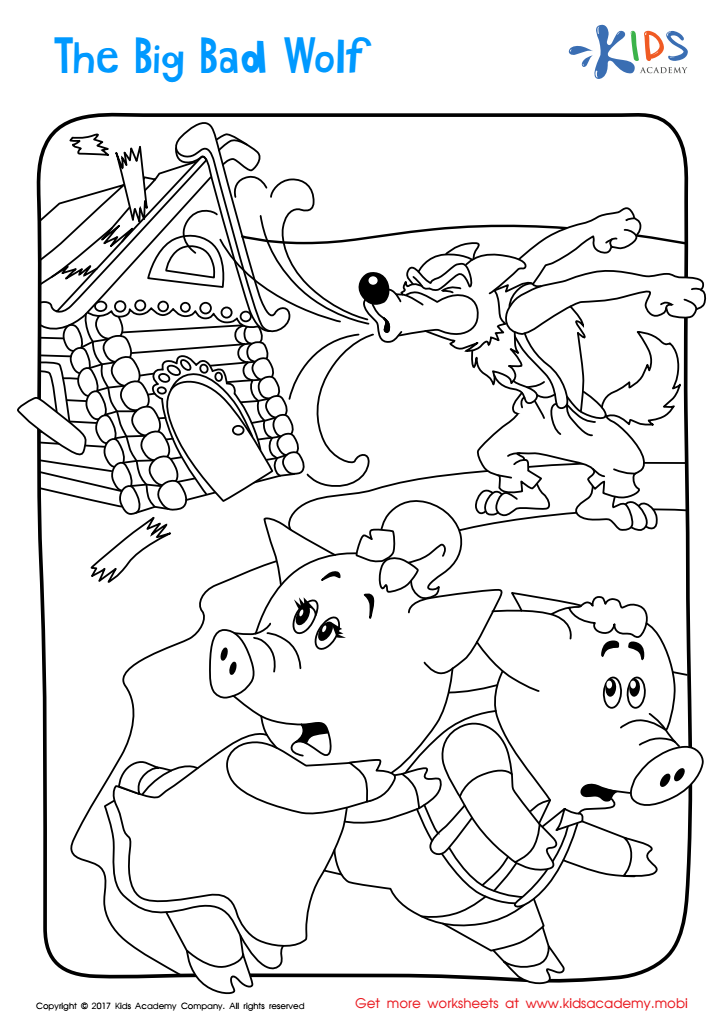
Big Bad Wolf Printable Coloring Page
Assign to My Students








Color recognition is a crucial aspect of child development, especially for ages 8-9, as it intertwines with cognitive skills and creativity. Parents and teachers should care about fostering this skill because it supports literacy development, enhances visual learning, and encourages engagement in reading. When children can identify and associate colors with stories or illustrations in fiction, it deepens their understanding and promotes imaginative play.
For instance, describing characters or settings using colors cultivates descriptive language and enriches students' vocabulary. Furthermore, color recognition aids in comprehension; children can link emotions or themes in the story—like happiness with bright colors and sadness with darker tones—strengthening their analytical skills.
Additionally, this early engagement with colors in literature goes beyond just reading; it fosters creativity and self-expression. Activities like coloring scenes or creating visual aids tied to a story reinforce the connection between color and meaning.
By integrating color recognition into classroom activities and home reading, parents and teachers play a vital role in cultivating a well-rounded educational experience, setting a solid foundation for complex skills in the future, like critical thinking and emotional intelligence. Ultimately, understanding and recognizing color in fiction enriches children's overall learning experiences.








