Filters

15 filtered results

Clear all filters
Favorites
With answer key
Interactive

15 filtered results

Difficulty Level

Grade


Boost your child's vocabulary with our engaging Vocabulary Enhancement Reading Fiction Worksheets, designed specifically for ages 8-9! These worksheets offer exciting stories that inspire young readers to explore new words in context. Each activity encourages comprehension, creativity, and critical thinking, making learning fun and interactive. Perfect for reinforcing language skills, these resources help children make connections between words and their meanings while fostering a love for reading. Easily printable, they are ideal for homeschooling or classroom use. Spark your child's imagination and enrich their vocabulary today with our thoughtfully crafted fiction worksheets! Explore the world of words and watch their language skills flourish!

Check out this FREE Trial Lesson on Reading Fiction for age 8-9!

English

Favorites
With answer key
Interactive
  • 8-9
  • Vocabulary enhancement
  • Reading Fiction
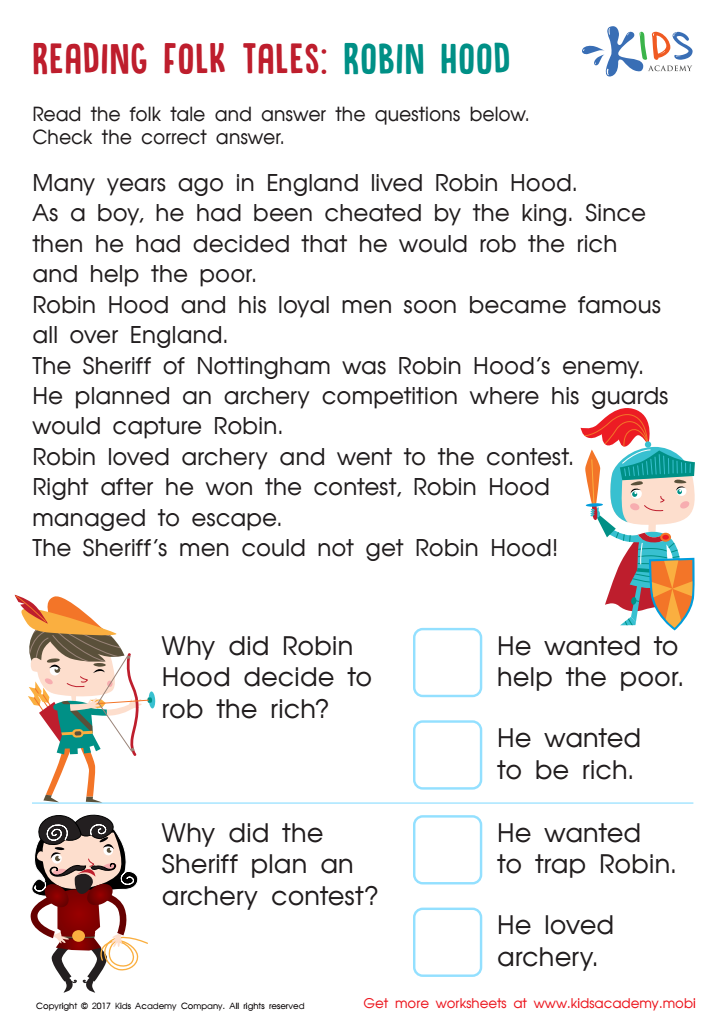
Robin Hood Folktale Worksheet

Robin Hood Folktale Worksheet

Have your child practice reading comprehension and inferencing with this Robin Hood folktale worksheet! Get them to read between the lines to find character motivation and answer important questions about the passage. It's a fun way to test their reading skills!
Robin Hood Folktale Worksheet
Worksheet
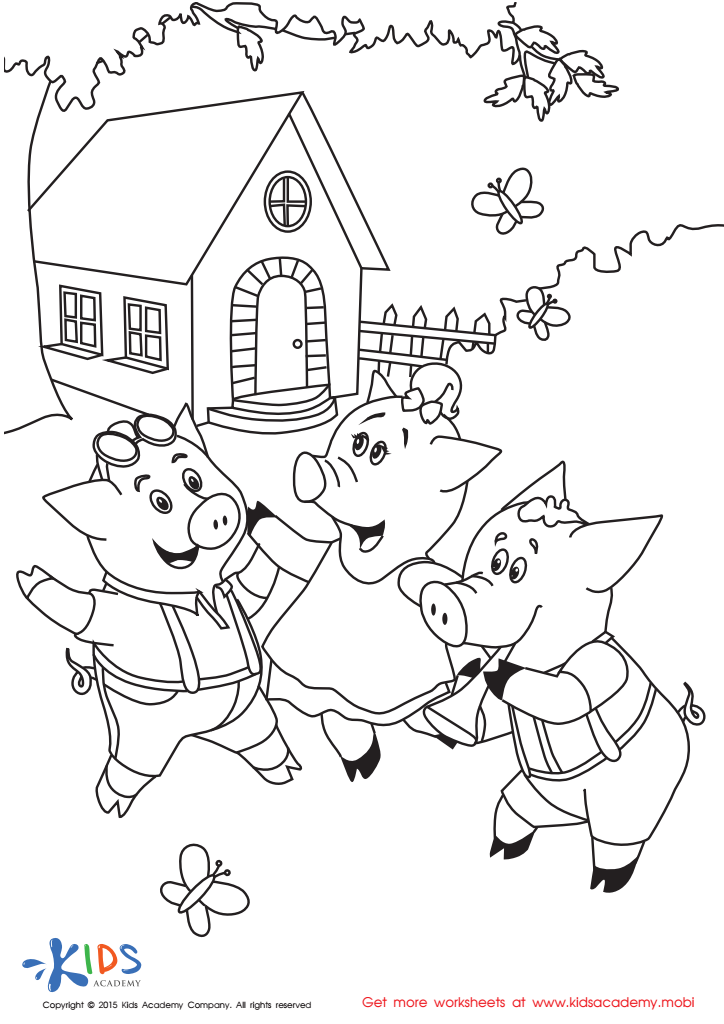
Folktales Printable PDF Worksheets: The 3 Little Pigs

Folktales Printable PDF Worksheet: The 3 Little Pigs

Then, help your child to color the scene with pink piglets, blue sky and green grass. Make the brick house bright and vivid. Enjoy!
Download (PDF)
Assign to My Students
Folktales Printable PDF Worksheet: The 3 Little Pigs
Worksheet
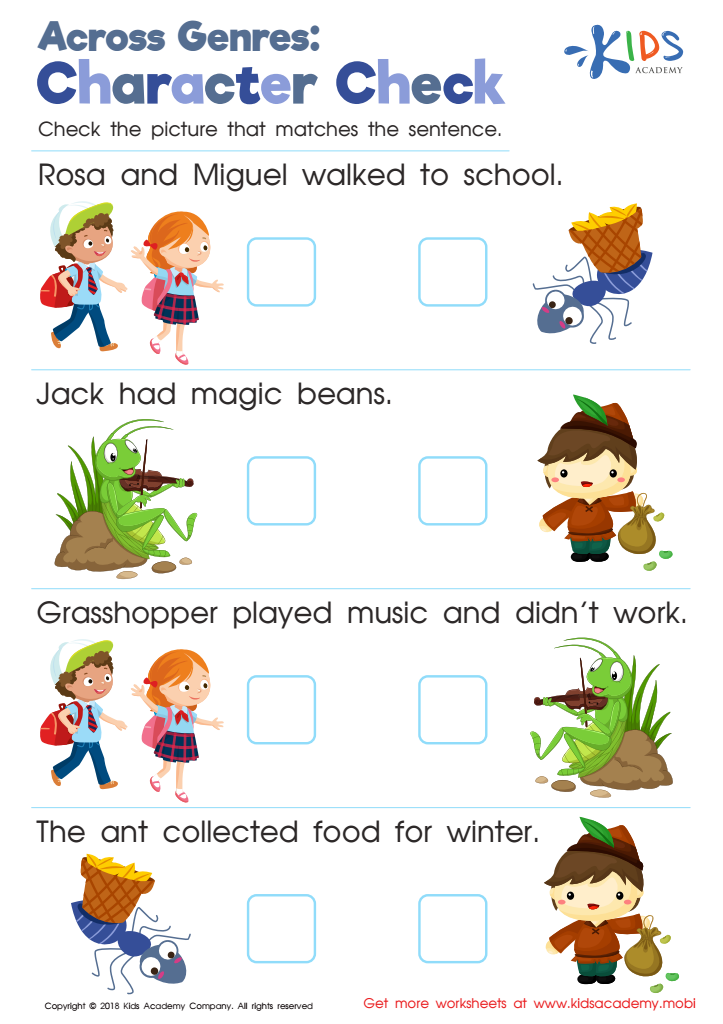
Across Genres: Character Check Worksheet

Across Genres: Character Check Worksheet

Read the sentences to your kids, then have them match the pictures to them. Ask them to look at the pictures and help them check which one goes with the sentence. The aim is to see how well they can do this exercise. (80 words)
Across Genres: Character Check Worksheet
Worksheet
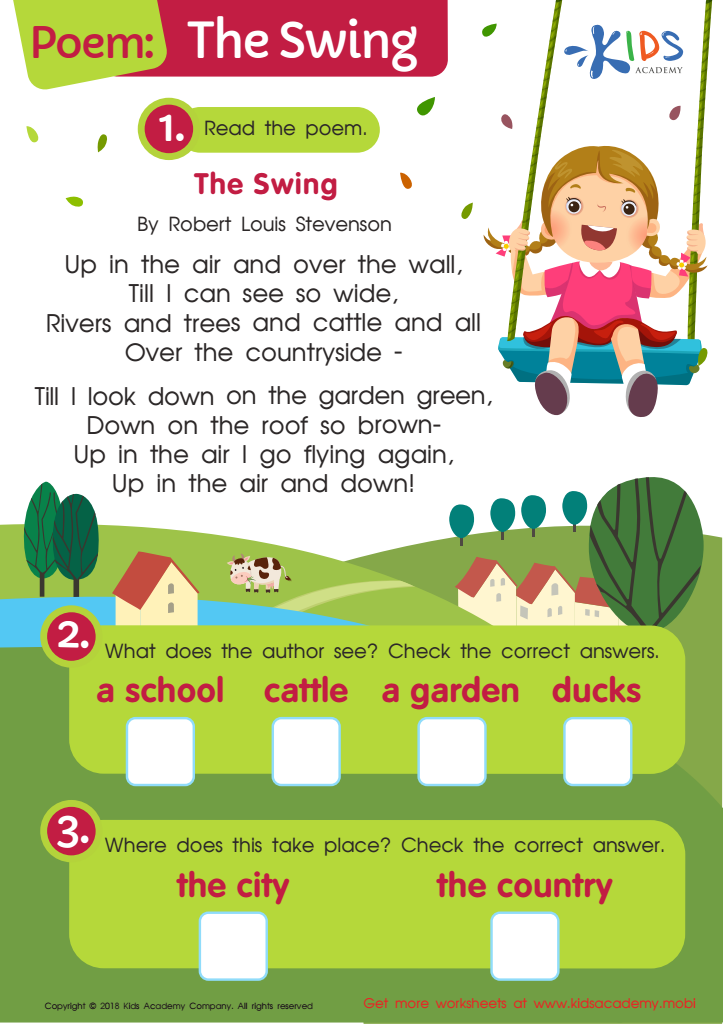
Poem: The Swing Worksheet

Poem: The Swing Worksheet

Encourage your child's love of writing by displaying their poems on the fridge or walls. This worksheet focuses on a swing, something your child enjoys, and contains questions to help your child think more deeply about the poem. Read it together, then answer the questions and watch as your child's creativity and writing skills blossom!
Poem: The Swing Worksheet
Worksheet
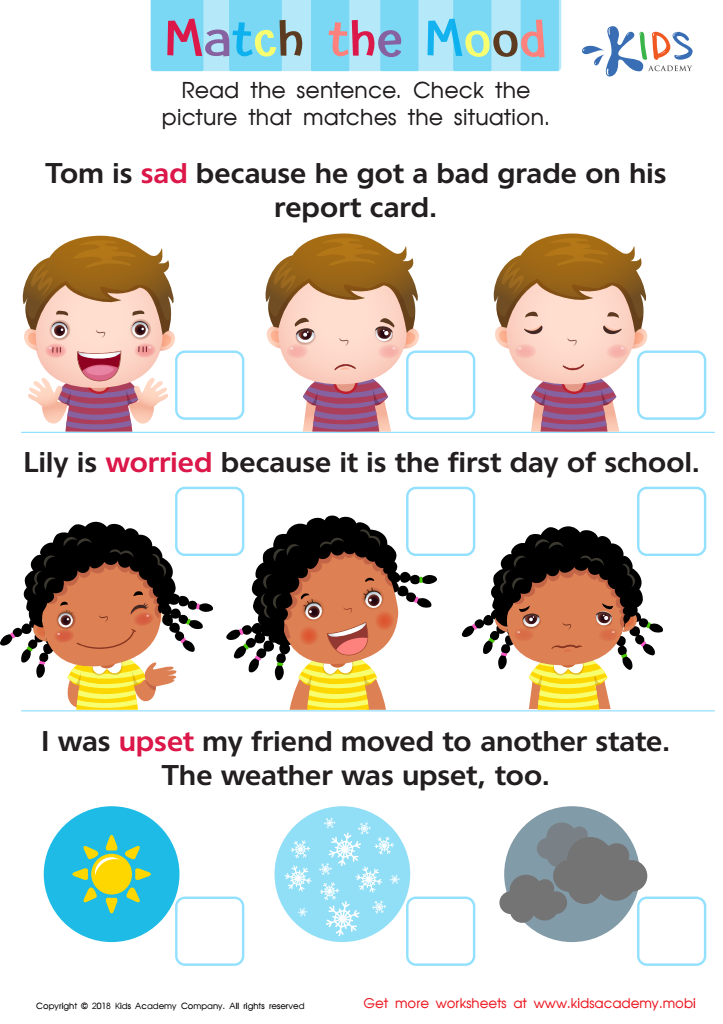
Match The Mood Worksheet

Match The Mood Worksheet

Ask your kid what kind of moods they usually experience; e.g. sad, happy, hurt or worried. Read aloud the sentences in the worksheet and help them match the situation to the picture. Max 80 words.
Match The Mood Worksheet
Worksheet
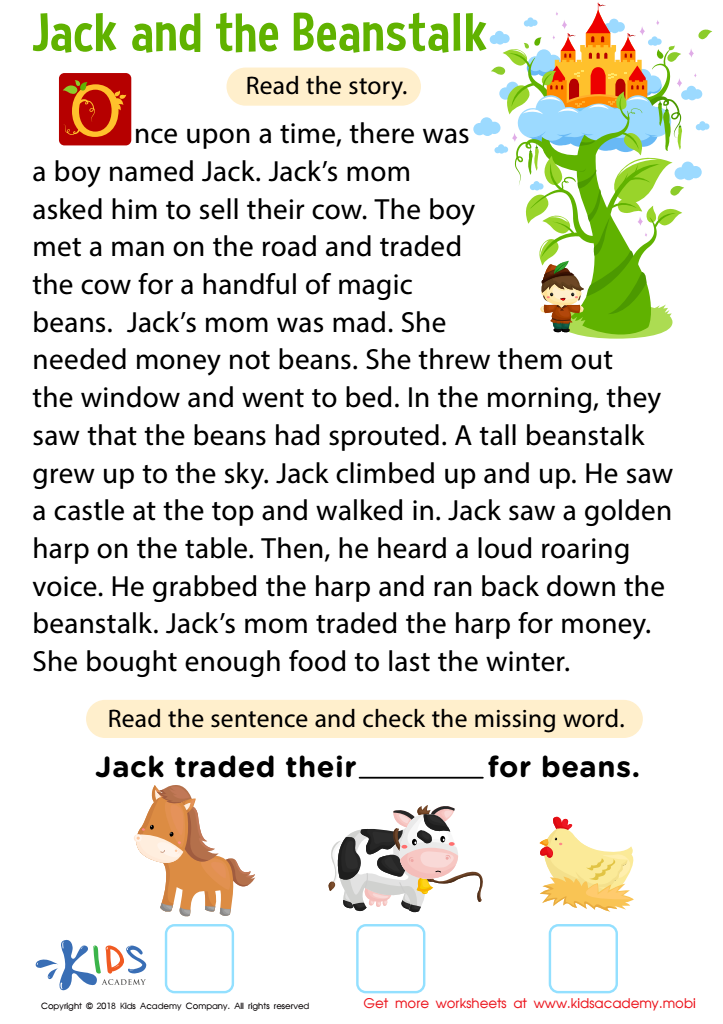
Jack and Beanstalk Worksheet

Jack and Beanstalk Worksheet

Story time can be a fun and educational experience for your kids. Read them the classic Jack and the Beanstalk - and even read it twice to help them pay attention. Afterwards, help them fill in the blank on the worksheet to expand their vocabulary and learn more from the story.
Jack and Beanstalk Worksheet
Worksheet
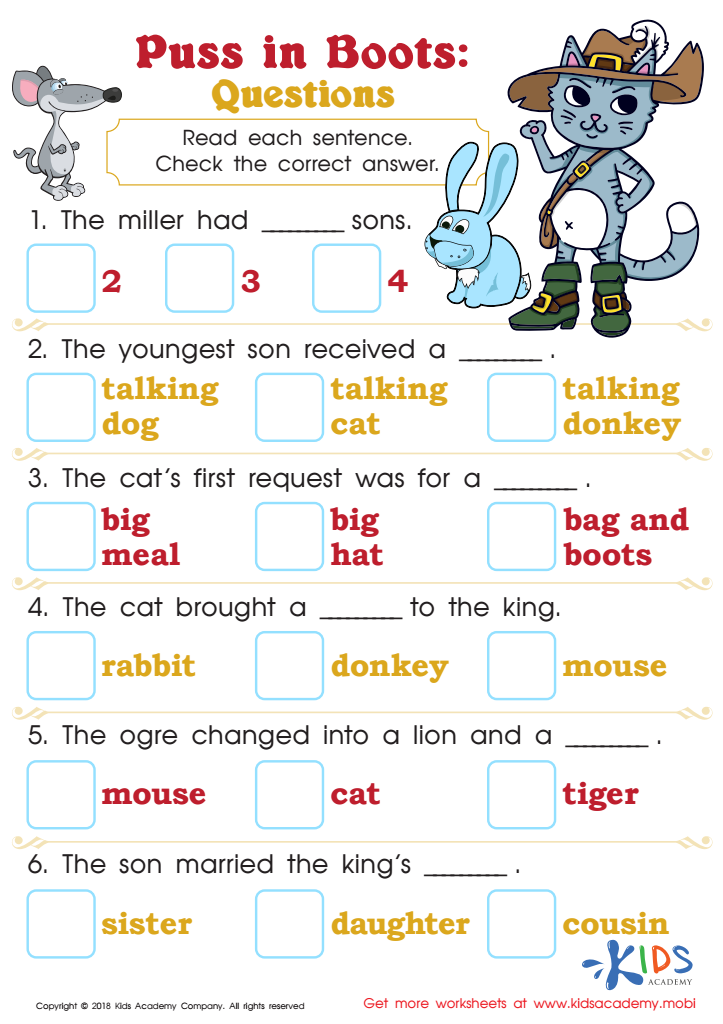
Puss in Boots: Questions Worksheet

Puss in Boots: Questions Worksheet

This worksheet contains questions to be checked with boxes for the correct answers. It also has pictures of animals; ask kids to identify them, noting the objects with them. Read the questions and have kids provide the answers. Help them check the boxes for the right answer.
Puss in Boots: Questions Worksheet
Worksheet
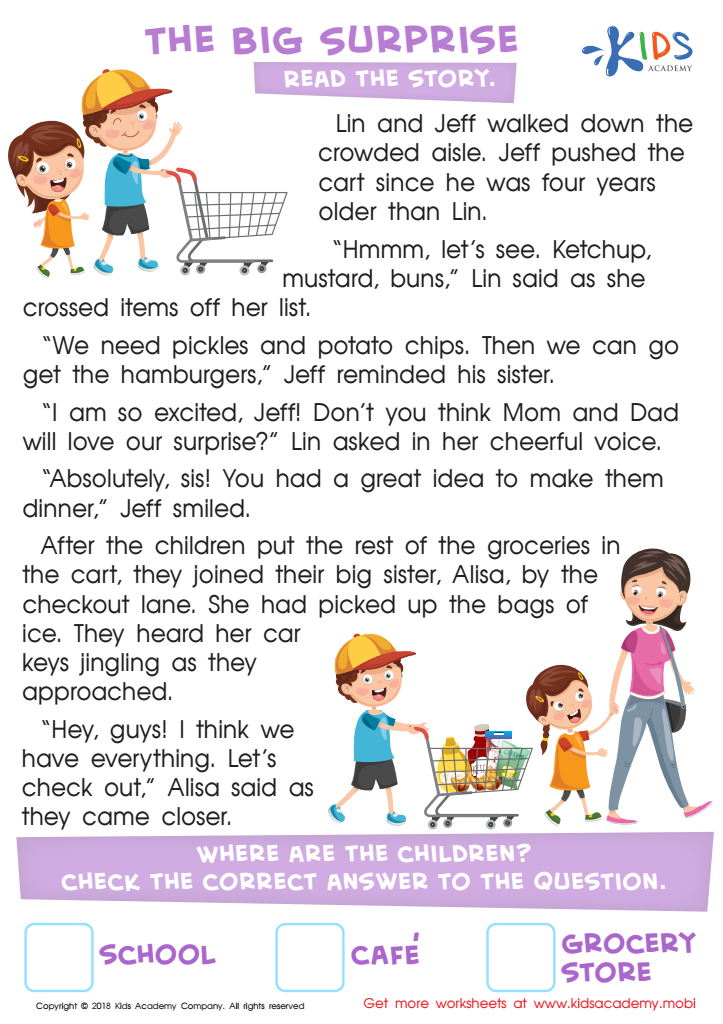
The Big Surprise Worksheet

The Big Surprise Worksheet

Read this story to your kids: Lin and Jeff are in the supermarket with their big sister Alisa. They're excited to buy groceries. Listen closely to the details and ask the questions at the end to check your understanding. Read it twice to ensure full comprehension.
The Big Surprise Worksheet
Worksheet
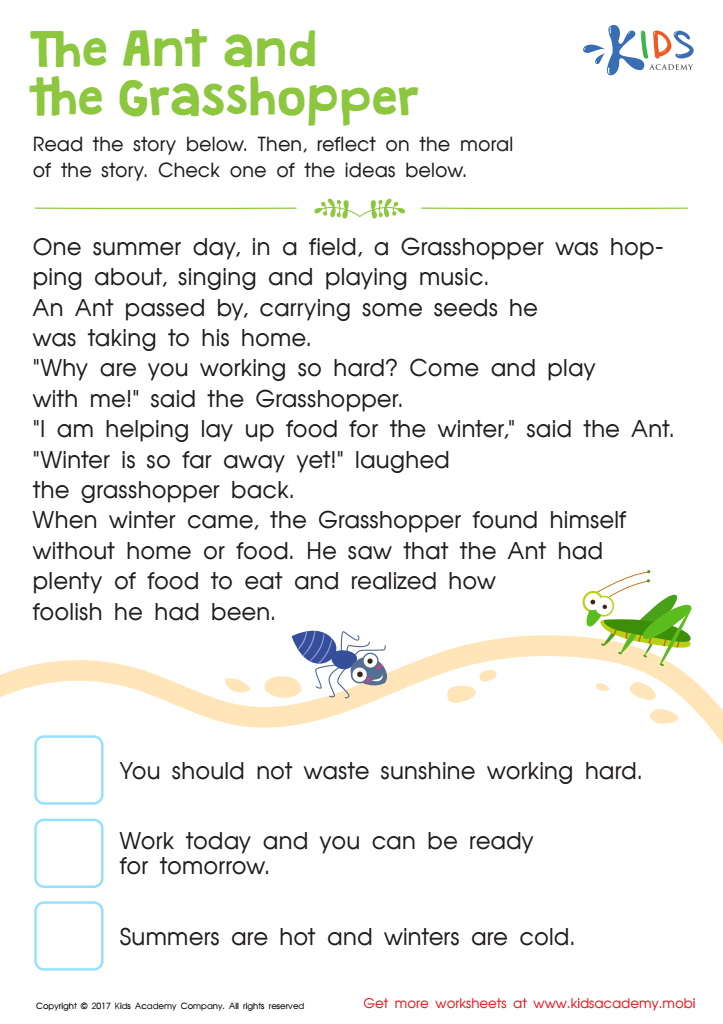
The Ant and the Grasshopper worksheet PDF

The Ant and The Grasshopper Printable
Aesop's fables have clear messages, which make them memorable and loved by children and adults. Use Kids Academy's ant and grasshopper worksheet to help your child reflect on stories and discover the life lesson.
The Ant and The Grasshopper Printable
Worksheet
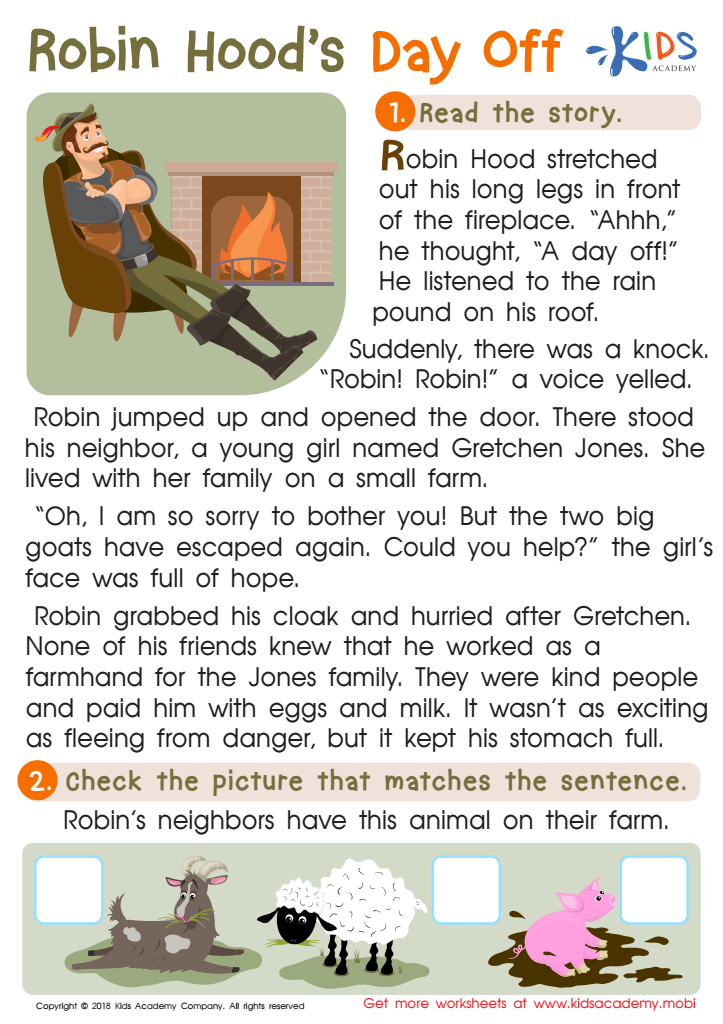
Robin Hood's Day Off Worksheet

Robin Hood's Day Off Worksheet

Encourage your child to express their personality by writing stories. Show them this worksheet's short story about Robin Hood and read it slowly and carefully. Read it again if needed and ask the question below the story. This will help your child use their knowledge to answer it.
Robin Hood's Day Off Worksheet
Worksheet
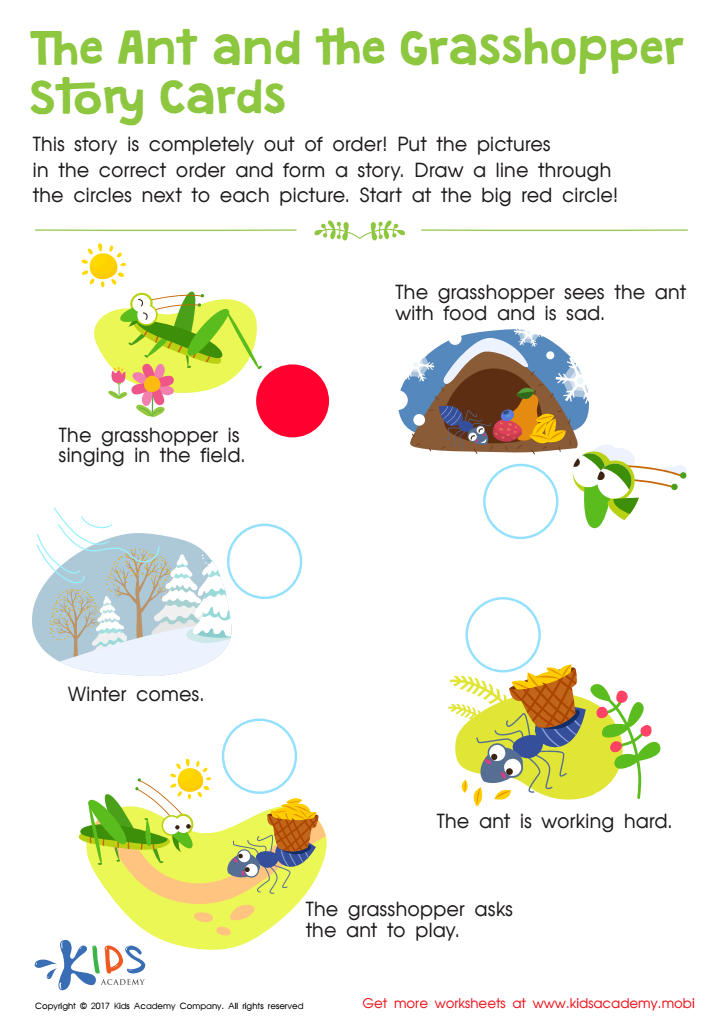
The Ant and the Grasshopper worksheet PDF

The Ant and The Grasshopper Worksheet
This worksheet uses the beloved childhood fable "The Ant and the Grasshopper" to teach your child about plot and order of events. Your child must read the events and put them in the right order. Once completed, review the story with your child to ensure its accuracy.
The Ant and The Grasshopper Worksheet
Worksheet
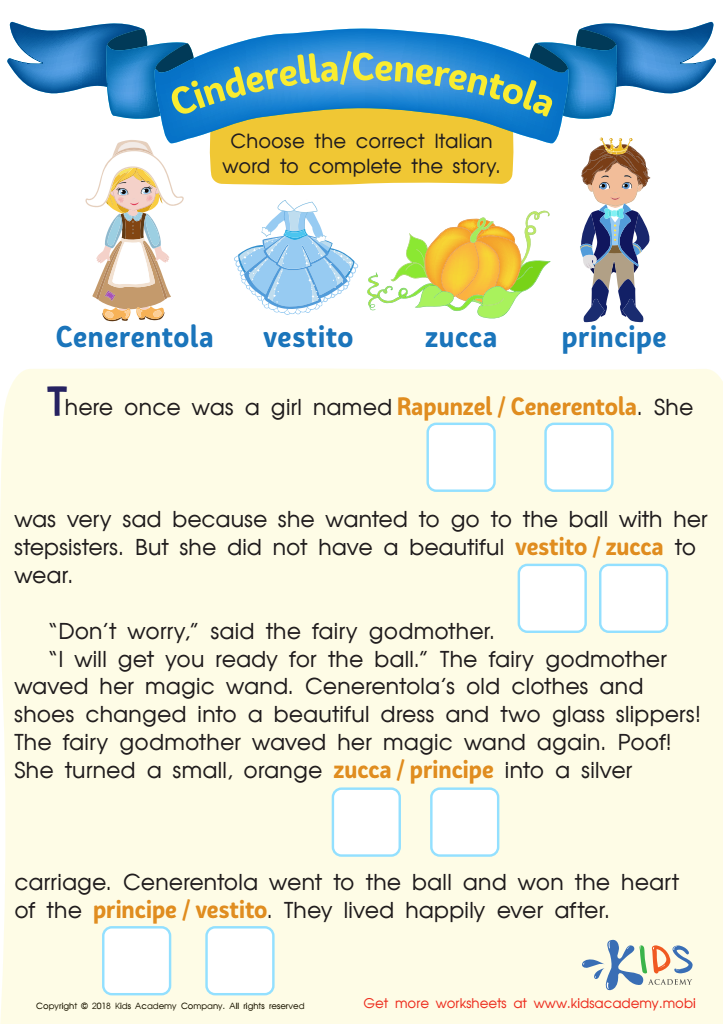
Cinderella / Cenerentola Worksheet

Cinderella / Cenerentola Worksheet

Children will love this fairytale about a princess trying to get to the royal ball. With colorful images and context clues, they'll learn Italian words without even realizing it. They'll fill in the correct boxes and help Cenerentola get to her happily-ever after. This free worksheet will delight and teach at once!
Cinderella / Cenerentola Worksheet
Worksheet
Poem: Cats and Dogs Worksheet

Poem: Cats and Dogs Worksheet

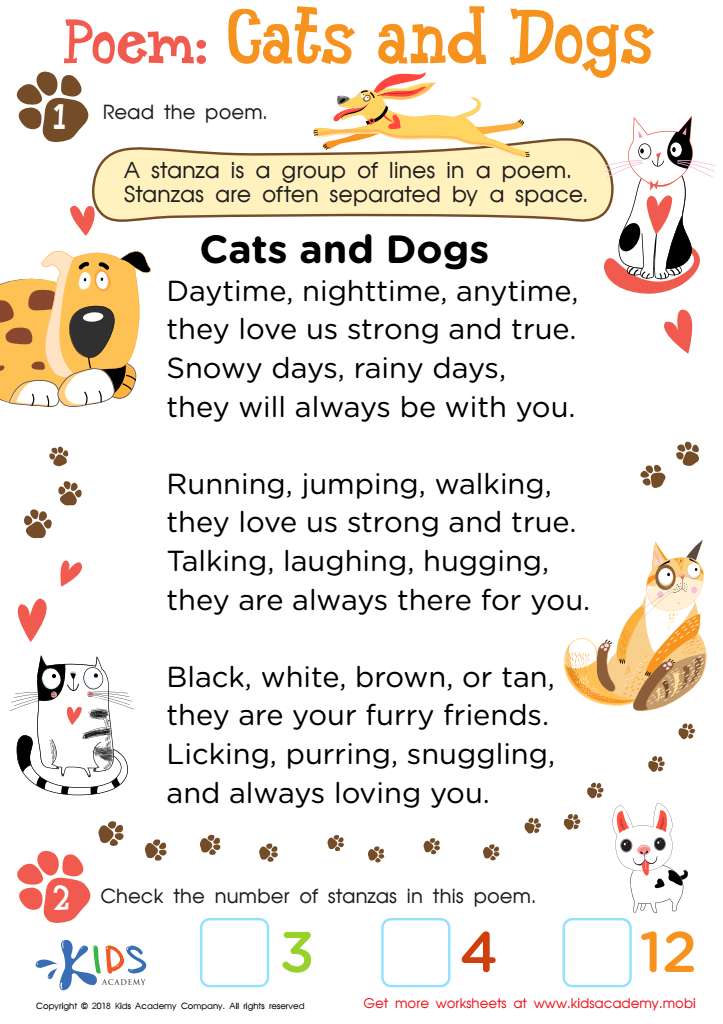
Read the poem to your child and point out where each stanza ends. Ask if they know what a stanza is (if not, explain it's a group of lines in a poem). Help them answer the question at the bottom of the printout. This simple, sweet poem about cats is easy for your child to relate to.
Poem: Cats and Dogs Worksheet
Worksheet
Setting of a Story Worksheet

Setting of a Story Worksheet

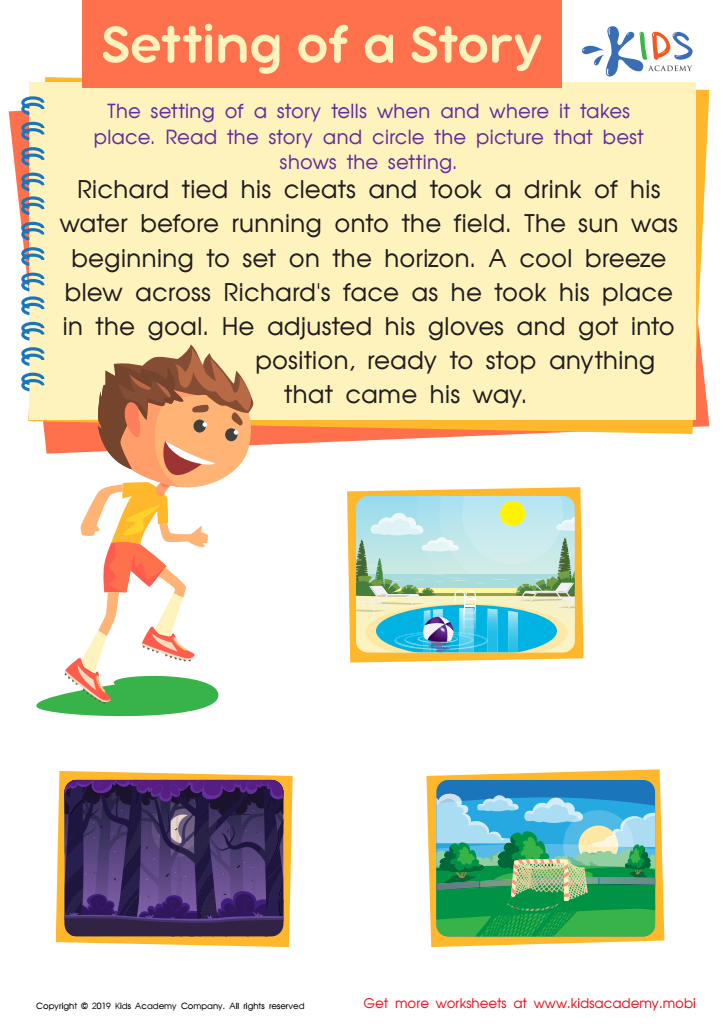
You need characters, theme, POV, plot and setting to tell a good story. Ask your kids to explain them and use this worksheet with a story to teach them about setting. Read the story with your kids, then have them circle the picture that best shows the setting.
Setting of a Story Worksheet
Worksheet
The Boy Who Cried Wolf Part 2 Worksheet


The Boy Who Cried Wolf Part 2 Worksheet

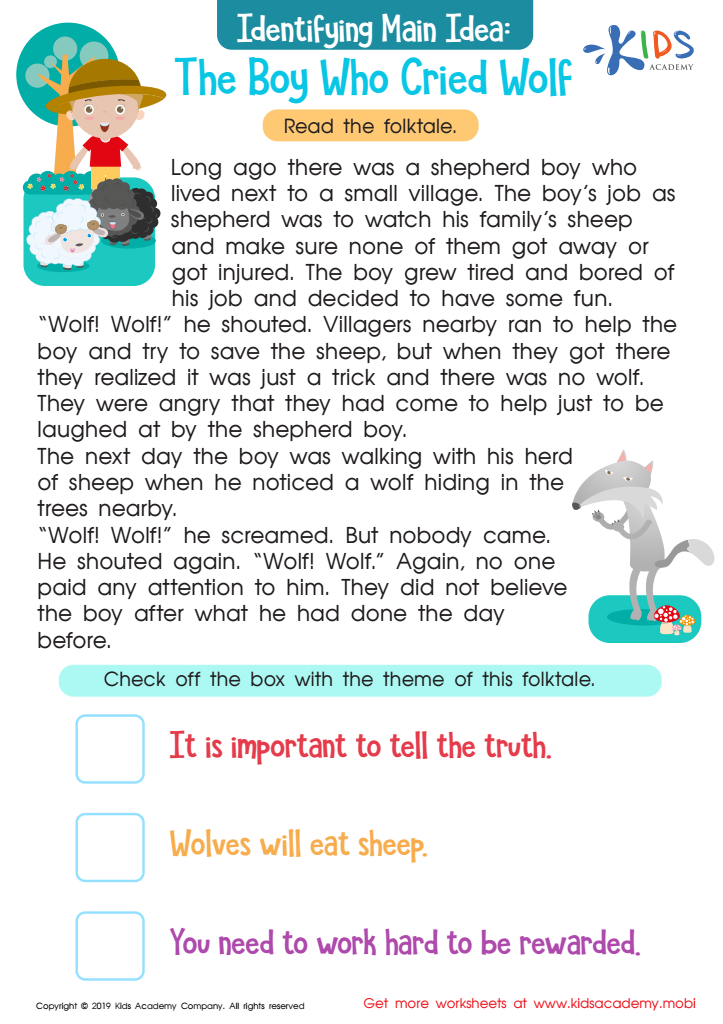
Kids love story time - no doubt they know their favorites! This worksheet tells a story with a theme or main idea. Read it carefully with your kids and ensure they understand every word. Then, help them answer the simple questions at the bottom of the page.
The Boy Who Cried Wolf Part 2 Worksheet
Worksheet


Vocabulary enhancement through reading fiction for ages 8-9 is crucial for several reasons. At this developmental stage, children are expanding their language skills and building a foundation for lifelong literacy. Engaging with fiction exposes them to new words and diverse contexts, which helps strengthen their understanding of language and expression.

Reading fiction also nurtures imagination and creativity, allowing children to explore different worlds and perspectives. This exposure helps them develop critical thinking and empathy as they relate to characters and scenarios beyond their experiences. Additionally, a rich vocabulary is directly linked to better comprehension skills, which are essential for academic success across subjects.

Parents and teachers play a vital role in fostering a love for reading. By providing access to an array of fiction books, they not only promote vocabulary growth but also create an environment where reading is seen as enjoyable and rewarding. Engaging in conversations about stories can further enhance understanding and retention of new words.

In summary, prioritizing vocabulary enhancement through fiction reading can lead to improved literacy skills, cognitive development, and emotional growth in children aged 8-9, setting them on a path for future academic achievement and personal growth.