Letter recognition ABC Letters Worksheets for 8-Year-Olds - Page 2
26 filtered results
-
From - To

Letter D Tracing Page






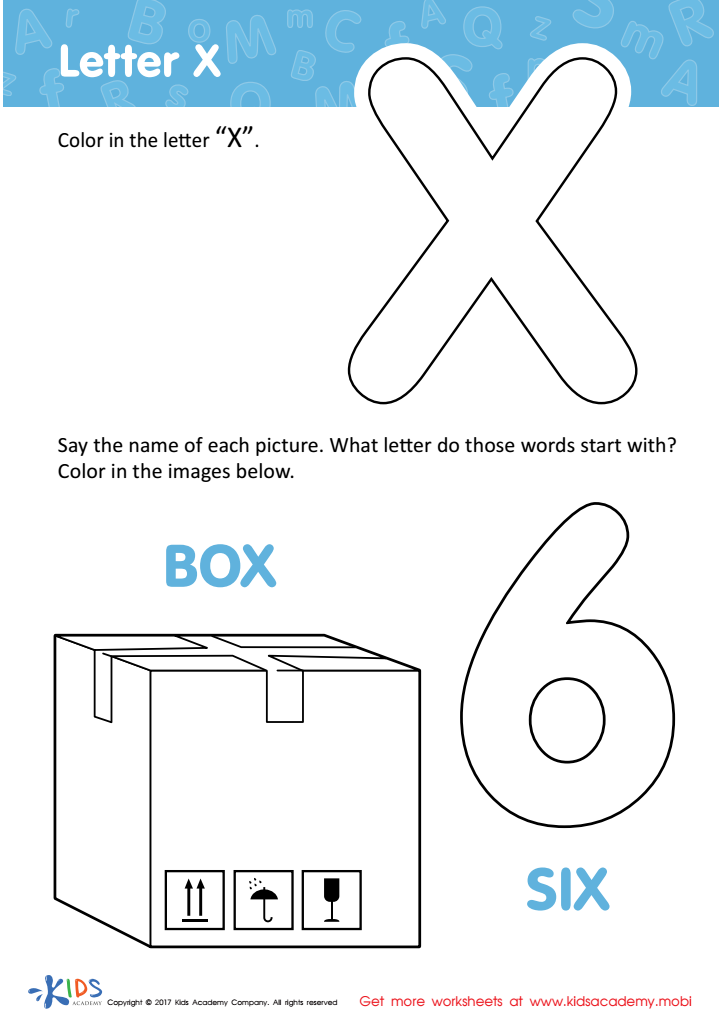
Letter X Coloring Sheet
 Assign to My Students








Letter recognition is a foundational skill crucial for academic success and cognitive development in young children. By the age of 8, children are typically in their early elementary school years, a critical time for honing literacy skills. Letter recognition, specifically ABC letters, is an essential precursor to reading and writing proficiency. Without a solid grasp of letter names and sounds, children may struggle with phonemic awareness, which is the ability to hear, identify, and manipulate sounds in words.
Teachers and parents have a vested interest in ensuring children develop strong letter recognition skills early on. It enhances their ability to decode words, which is crucial for reading fluency and comprehension. Competent reading skills are linked to greater academic achievement across subjects. Letter recognition also enables children to write more effectively, as understanding letter forms, sounds, and relationships form the basis for spelling and composition skills.
Moreover, strong letter recognition lays the groundwork for advanced language tasks like vocabulary development, sentence structure, and critical thinking. Early struggles with these basic skills can lead to long-term educational difficulties. Therefore, emphasizing the importance of learning ABC letters is an investment in a child's future academic success and overall cognitive development. Ensuring strong literacy skills by encouraging letter recognition sets the stage for lifelong learning and curiosity.







