Reading skills development Alphabet Worksheets for 8-Year-Olds
3 filtered results
-
From - To
Enhance your 8-year-old’s reading skills with our engaging Alphabet Worksheets! Designed to foster a strong foundation in literacy, these worksheets focus on recognizing letters, understanding phonetics, and building vocabulary. Each activity is tailored to capture kids' attention while promoting critical thinking and comprehension. From fun letter tracing to interactive word puzzles, our resources cater to different learning styles, ensuring an enjoyable educational experience. Encourage your child's love for reading with worksheets that not only align with their skill level but also make learning enjoyable. Visit us today to access a treasure trove of printable activities that support your child’s literacy journey!
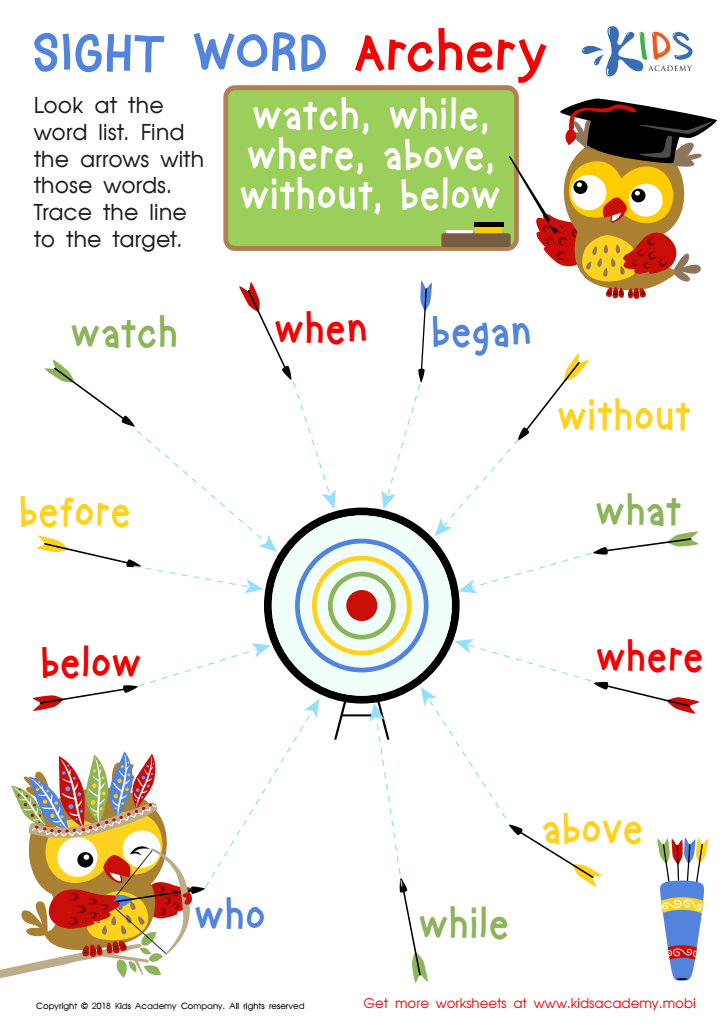
Sight Word Archery Worksheet
 Assign to My Students
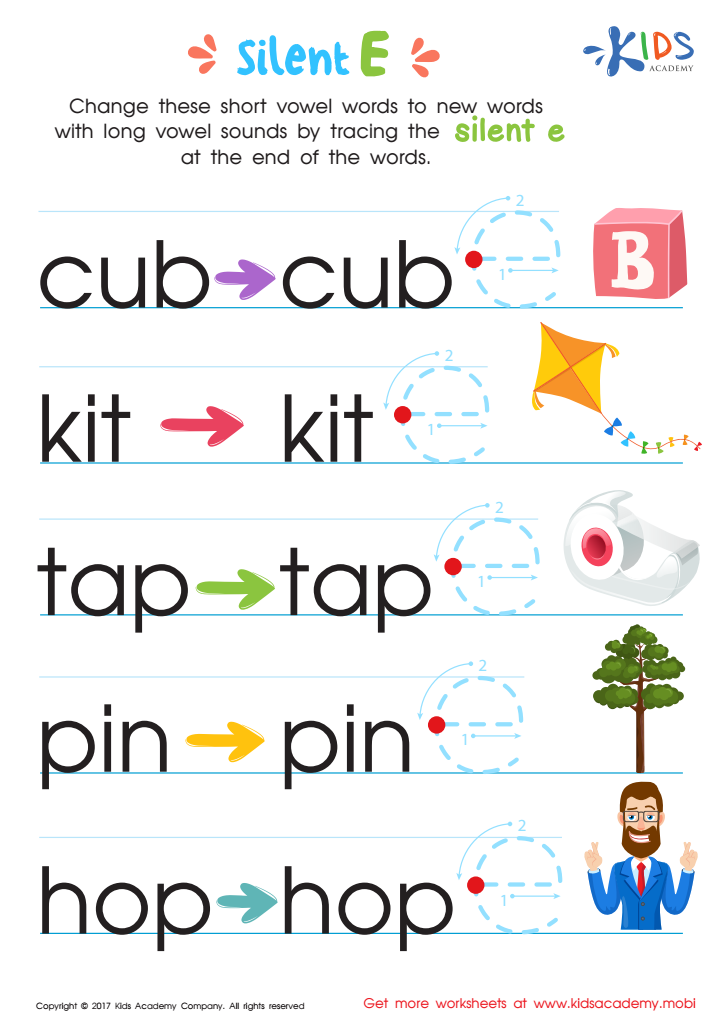
Silent E Words Worksheet
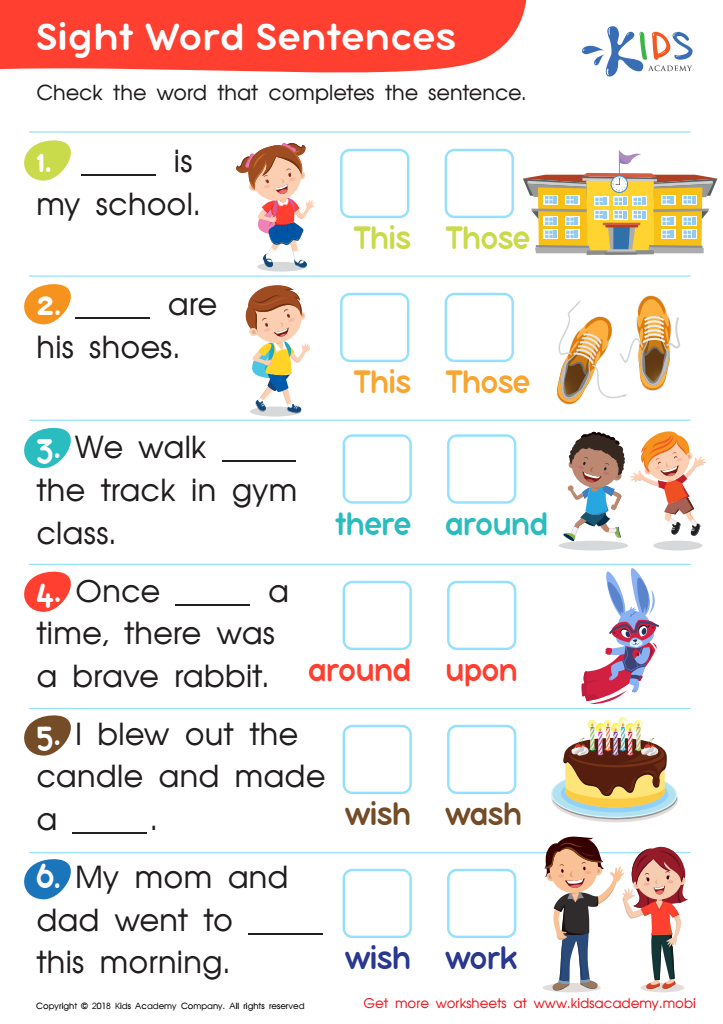
Sight Word Sentences Worksheet








Reading skills development, particularly with respect to the alphabet, is crucial for 8-year-olds as it lays the foundation for lifelong learning. At this age, children transition from learning to read to reading to learn. A solid understanding of the alphabet is paramount for decoding words, comprehending sentences, and eventually grasping more complex texts.
Parents and teachers play a pivotal role in nurturing these skills. By actively engaging children in alphabet-related activities, such as phonics games, reading aloud, or letter-themed storytelling, they stimulate curiosity and facilitate better retention of knowledge. Proficient reading skills foster improved vocabulary, critical thinking, and enhanced communication abilities, which are essential in both academic and social contexts.
Furthermore, children who struggle with reading may experience decreased self-esteem and frustration, which can hinder their overall academic performance. Early intervention can prevent these issues, guiding them towards success. Investing time and effort in the development of reading skills at this critical stage not only benefits individual children but also ensures they become confident, capable learners, equipped for future challenges. Ultimately, fostering a love for reading propels children toward continual growth and success in all facets of life.







