Letter recognition Letter Q Worksheets for 8-Year-Olds
3 filtered results
-
From - To
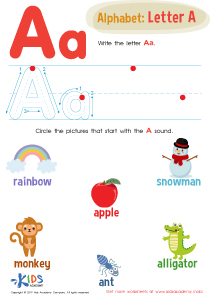
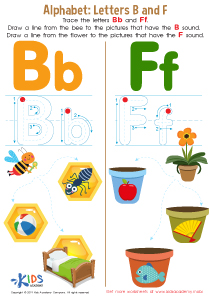
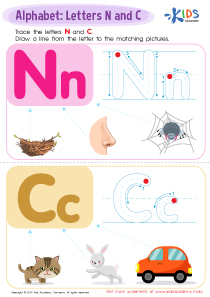
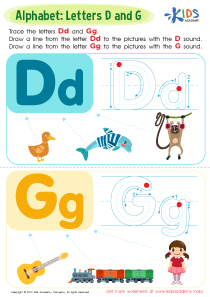
Discover our engaging Letter Q Worksheets designed for 8-year-olds, perfect for enhancing letter recognition skills! These interactive worksheets provide a fun and educational way for children to identify and learn the uppercase and lowercase forms of the letter Q. Through various activities, including tracing, coloring, and word association, children can reinforce their understanding of the letter Q and its sounds. Ideal for classroom or home use, our worksheets encourage creativity while supporting literacy development. Help your child gain confidence in their reading and writing abilities while exploring the wonderful world of the alphabet! Download and start learning today!
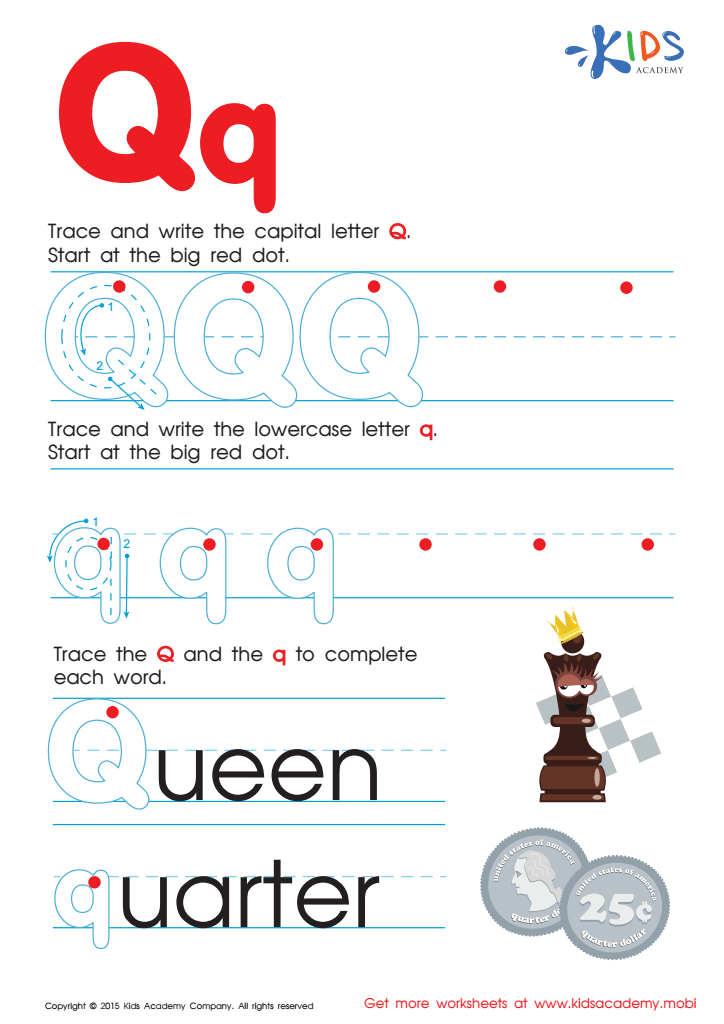
Letter Q Tracing Page
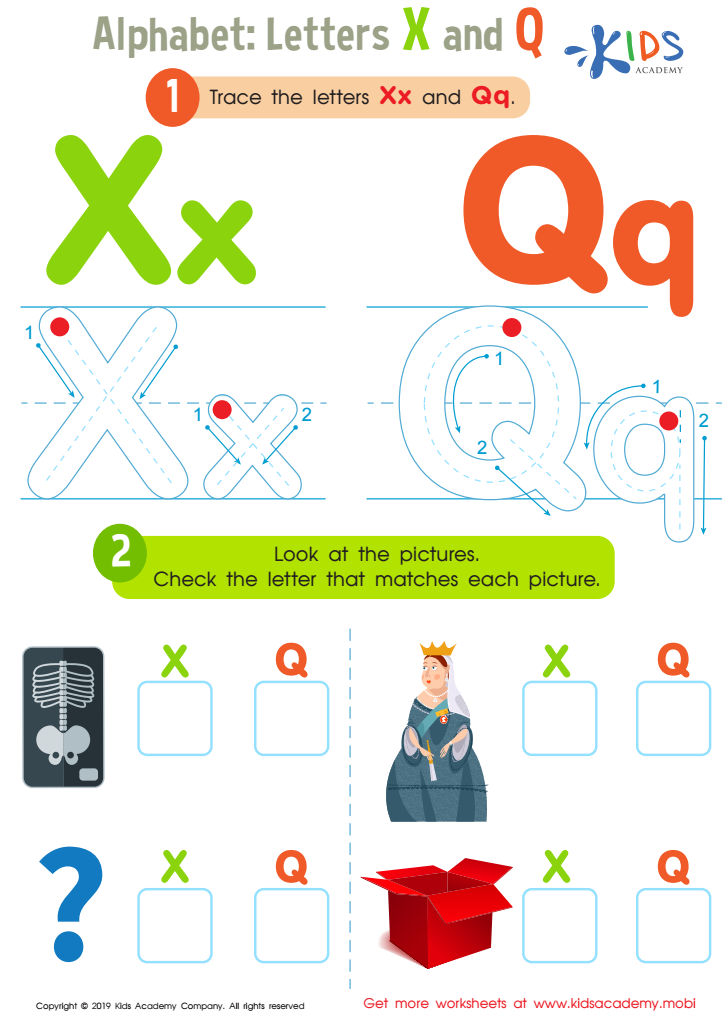
Letters X and Q Tracing Worksheet
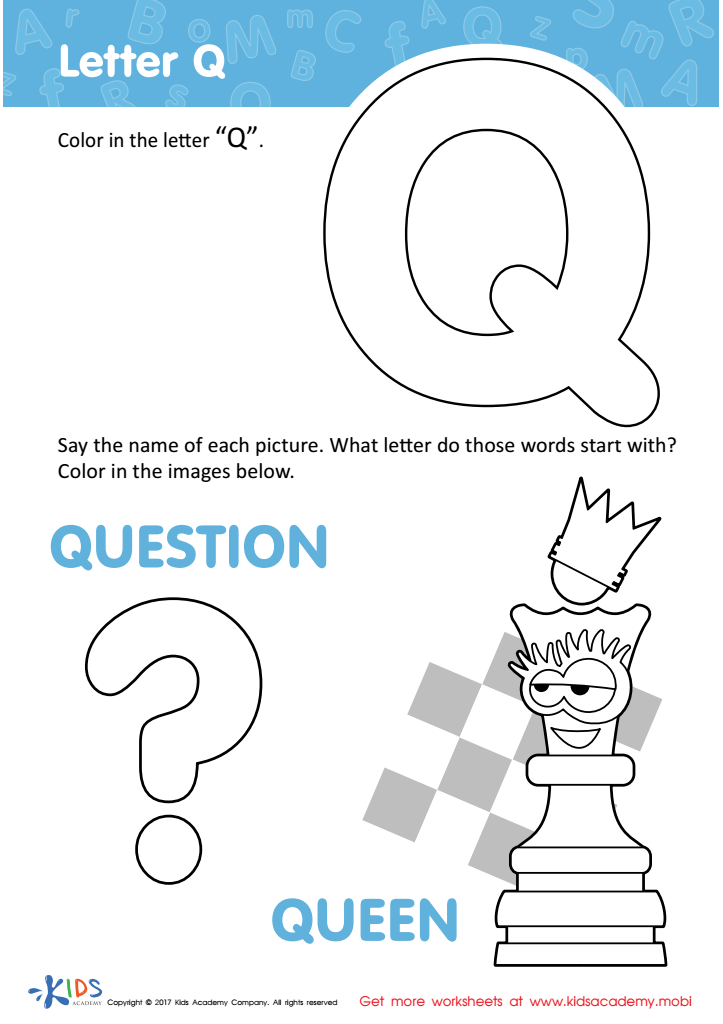
Letter Q Coloring Sheet
 Assign to My Students





Letter recognition, including the letter Q, plays a crucial role in children's literacy development, particularly for 8-year-olds who are transitioning into more advanced reading and writing skills. Understanding letter shapes, sounds, and forms is essential for fluency and comprehension. The letter Q is often less recognized than other letters due to its unique use in words and its dependence on the letter U to form common sounds, which can confuse children.
Fostering recognition of Q helps ease phonetic challenges students may face in reading. By associating Q with appropriate words like "queen," "quiet," and "quick," children build a broader vocabulary and enhance their spelling skills. Moreover, comprehension is improved as they learn to identify words more quickly, leading to increased confidence in their reading abilities.
Encouragement from parents and teachers in recognizing and using the letter Q can also support overall academic performance. Fun activities and exercises that include letter-based games can make learning enjoyable, sparking enthusiasm for literacy that can last a lifetime. Investing in this foundational element of reading lays the groundwork for success in all subjects that rely on effective communication skills in the years to come.