
Letter Tracing Practice Letter Recognition Worksheets for 8-Year-Olds
3 filtered results
Difficulty Level
Grade
Age
-
From - To
Subject
Activity
Standards
Enhance your child's literacy skills with our "Letter Tracing Practice Letter Recognition Worksheets for 8-Year-Olds". These expertly designed worksheets combine fun and learning, helping children master the art of letter recognition and tracing. Each sheet provides ample practice for both uppercase and lowercase letters, ensuring your child gains confidence in their writing abilities. Ideal for 8-year-olds, these worksheets progressively build fine motor skills and reinforce proper letter formation. Perfect as a supplementary learning tool for classrooms or at-home learning. Boost your child's educational journey with engaging and effective letter recognition exercises!
Favorites
With answer key
Interactive
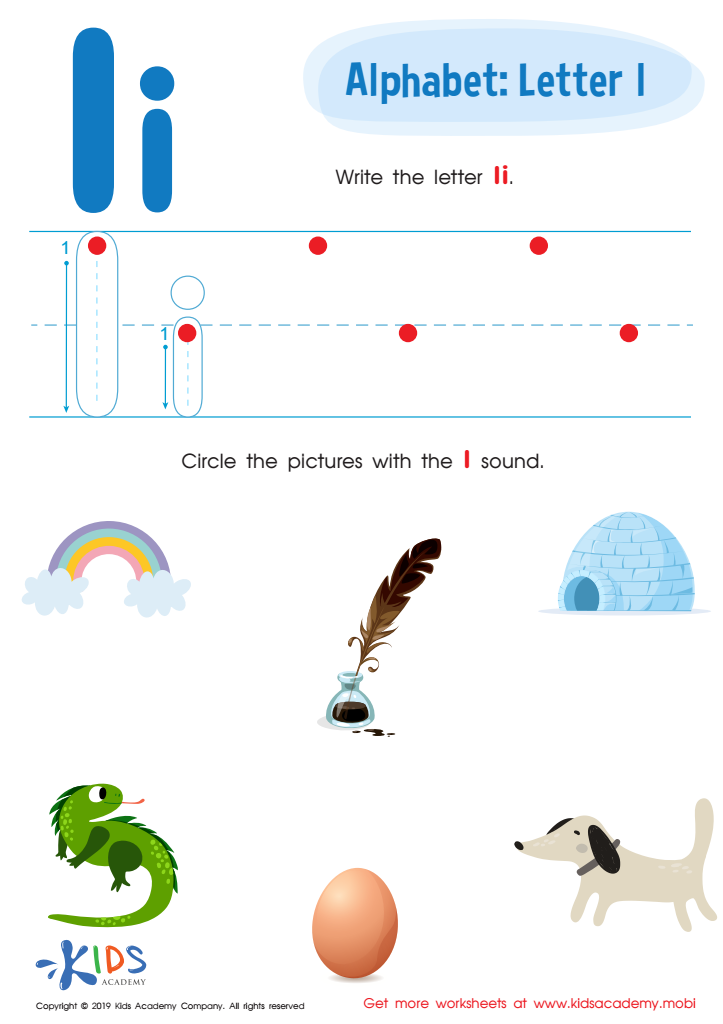
Letter I Tracing Worksheet
Kids can hone tracing, writing and identifying skills for the letter 'I' with this worksheet. Whether visual or reading/writing learners, every child can benefit from the tasks - tracing, writing and circling objects beginning with 'I'. This free sheet will soon get preschoolers confident with the 'I' letter!
Letter I Tracing Worksheet
Worksheet
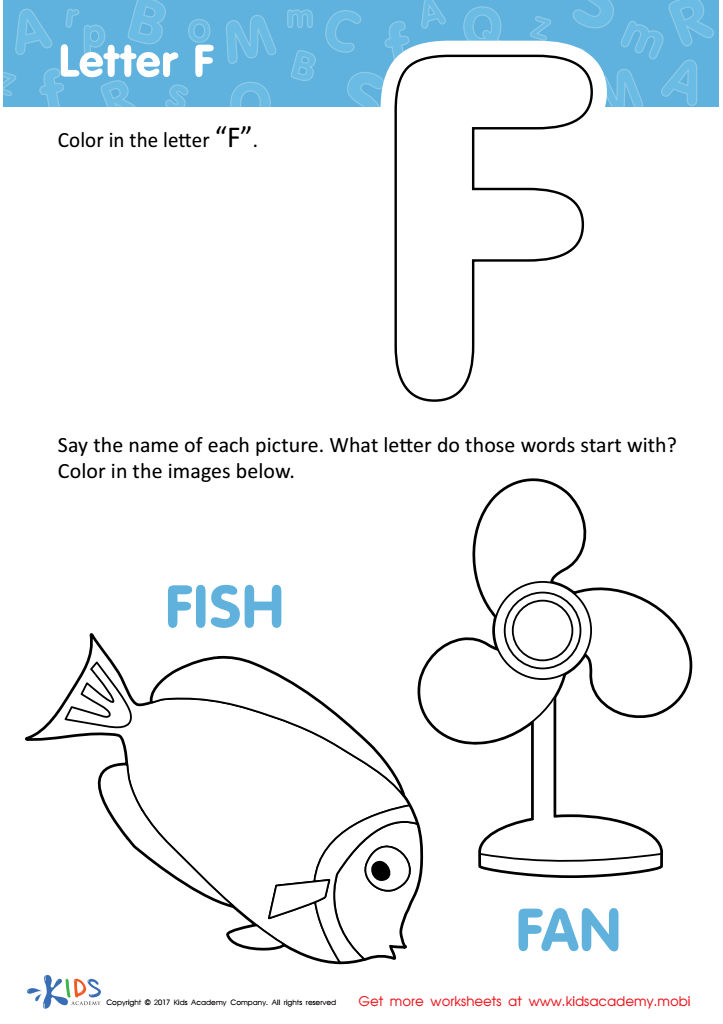
Letter F Coloring Sheet
Coloring pages help kids learn to recognize letters and sounds. Our "F" page has kids color a fish and a fan. It's a great way to introduce them to the letter "F" using words they already know.
Download (PDF)
 Assign to My Students
Assign to My Students
Letter F Coloring Sheet
Worksheet
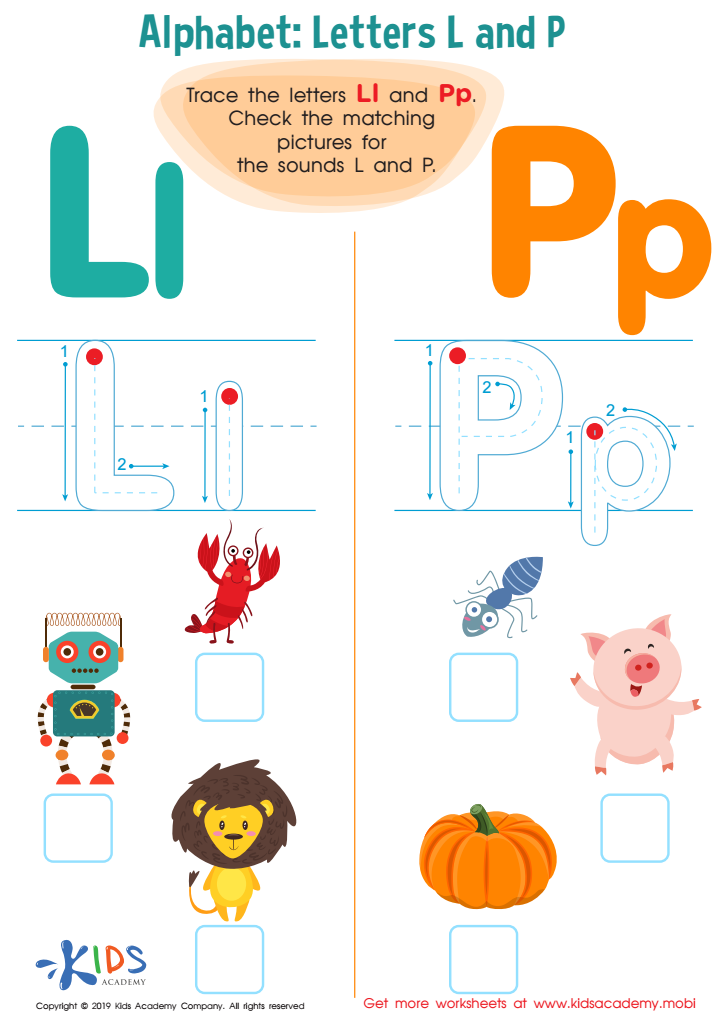
Letter L and P Tracing Worksheet
This traceable worksheet can motivate your students to learn and practice core skills. They'll trace the letters 'L' and 'P' and identify the pictures next to them. With this exercise, they'll unlock their learning abilities and excel in the subject!
Letter L and P Tracing Worksheet
Worksheet
Join Kids Academy for Free
Who is primarily going to use this learning content?








Parents and teachers should prioritize letter tracing and recognition for 8-year-olds because these foundational skills are vital for literacy development. At this age, children transition from elementary letter learning to more advanced reading and writing capabilities. Ensuring they firmly grasp letter shapes and sounds prevents future academic struggles.
Letter tracing enhances fine motor skills, which are crucial for legible handwriting. These activities promote muscle memory, so students can write fluidly and confidently. Practicing letters regularly also aids in visual and cognitive recognition, helping children distinguish between similar letters and remember their correct forms.
Moreover, letter recognition is crucial for reading. Identifying letters effortlessly allows children to focus on decoding words, improving reading speed and comprehension. When students can quickly recognize and write letters, their ability to compose coherent sentences and express their ideas is greatly enhanced. Such skills are integral to all areas of learning, fostering academic success and boosting self-confidence.
Teachers and parents can support letter tracing practice by creating engaging activities and games, making learning enjoyable. Recognizing its importance ensures children develop a strong literacy foundation, setting them up for lifelong learning and communication success.







