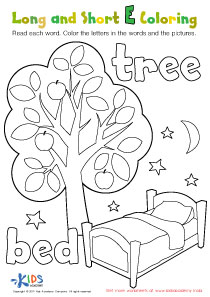
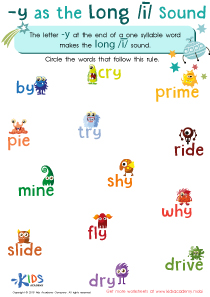
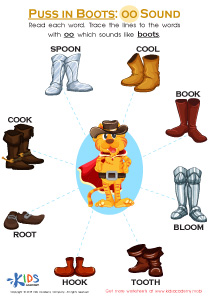
Vocabulary expansion Two Vowels Together Worksheets for 8-Year-Olds
3 filtered results
-
From - To
Boost your 8-year-old's vocabulary with our "Two Vowels Together Worksheets"! Perfectly designed for young learners, these engaging worksheets help kids master vowel combinations through fun and interactive activities. Children will practice recognizing and pronouncing pairs like "ai" in "rain" or "ea" in "fear," enhancing their reading fluency and comprehension. Tailored to expand vocabulary while honing spelling skills, these printable sheets make learning enjoyable and effective. Ideal for home or classroom use, our worksheets support children in building a solid foundation for literacy success. Explore today and watch your child's confidence soar!
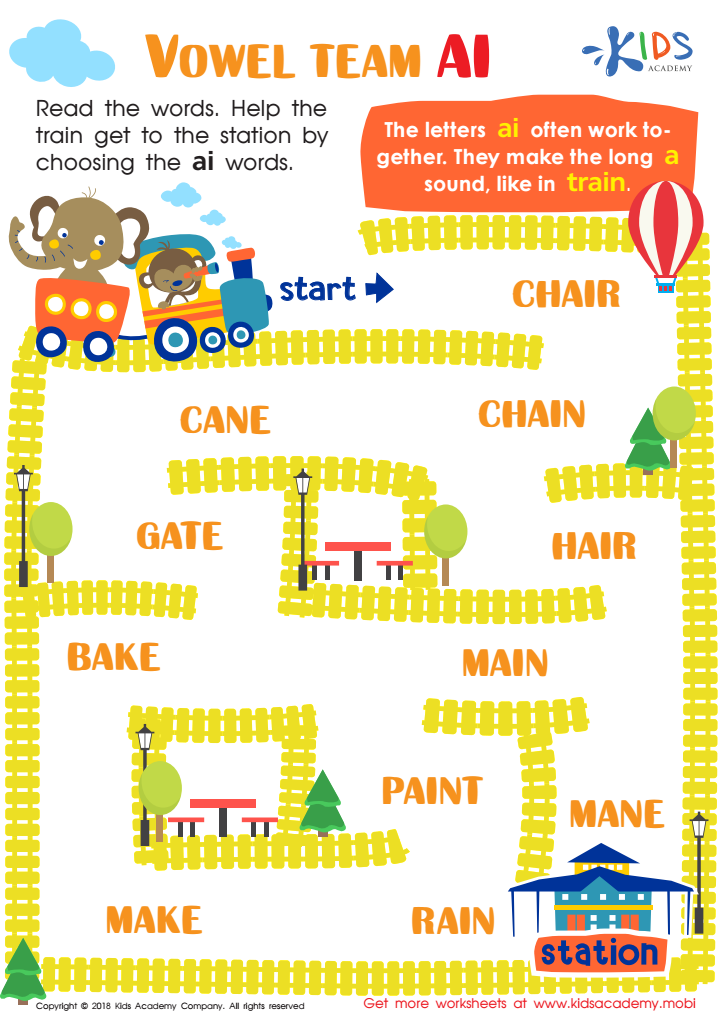
Vowel team ai Worksheet
 Assign to My Students
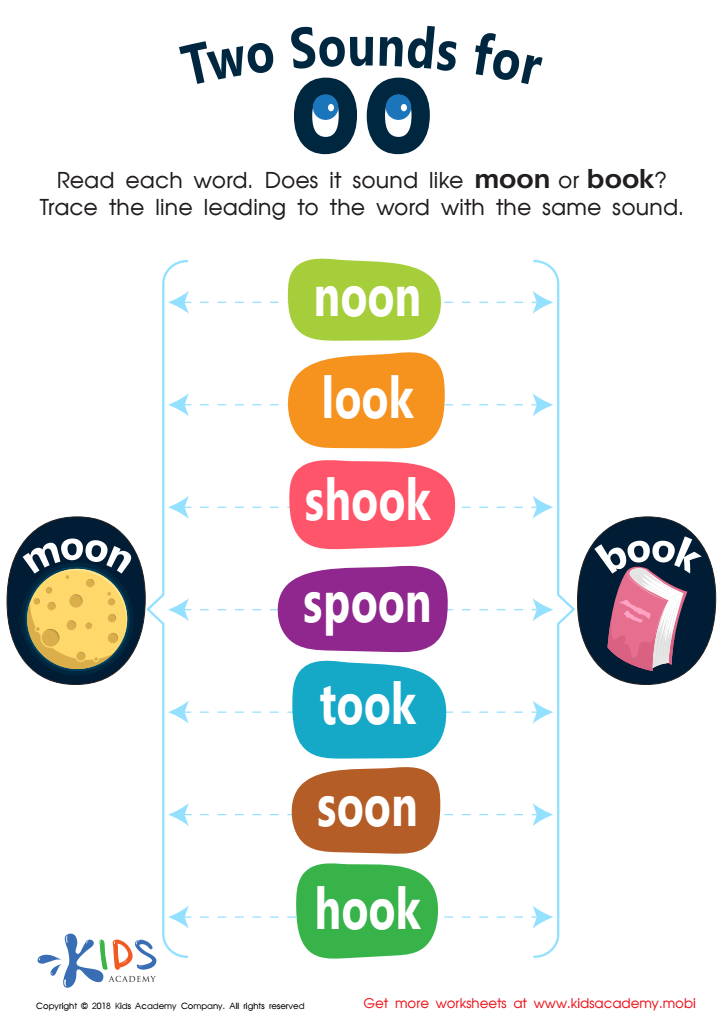
Two Sounds for OO Worksheet
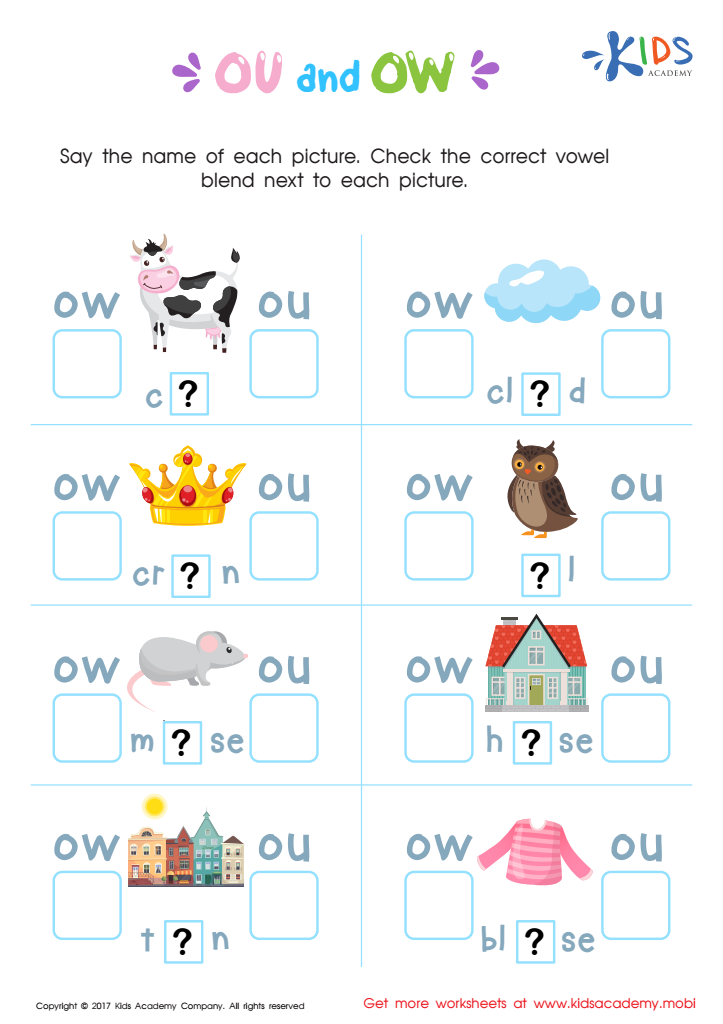
OU and OW Words Worksheet


Vocabulary expansion is a crucial aspect of early childhood education, particularly when it comes to concepts like two vowels together. For 8-year-olds, mastering these combinations, often termed vowel digraphs (such as “ea” in “bread” or “oa” in “boat”), is vital for several reasons.
Firstly, recognizing and understanding these patterns boosts a child's reading fluency. Words with vowel digraphs appear frequently in texts aimed at this age group, and knowing how to decode them allows for smoother, more confident reading. Secondly, comprehension is greatly enhanced; when children spend less cognitive energy on decoding words, they can instead focus on grasping the meaning and content of the story or information. Furthermore, spelling skills are notably strengthened. Lots of English words adhere to specific vowel patterns, and being familiar with these can significantly reduce spelling mistakes.
Additionally, encountering a broad array of correctly used words enriches a child’s spoken and written vocabulary, promoting clearer and more expressive communication. Lastly, succeeding in these early academic tasks can foster a lifelong love of reading and learning, setting a positive foundation for future academic and personal achievements. Encouraging attention to vowel digraphs can therefore play a crucial role in a child’s overall literacy development.