Letter tracing skills English for Beginners Worksheets for 8-Year-Olds
3 filtered results
-
From - To
Discover our engaging "Letter Tracing Skills English for Beginners Worksheets" designed specifically for 8-year-olds. These interactive worksheets provide a fun learning experience, helping young learners master the foundational skills of letter recognition and tracing. Each worksheet features colorful illustrations and tracing activities that promote letter formation, enhance fine motor skills, and build confidence in writing. Ideal for beginners or ESL students, these worksheets make learning enjoyable and accessible. Perfect for classroom use or home learning, our resources are crafted to support children on their path to literacy. Start tracing today and watch your child's writing skills flourish!
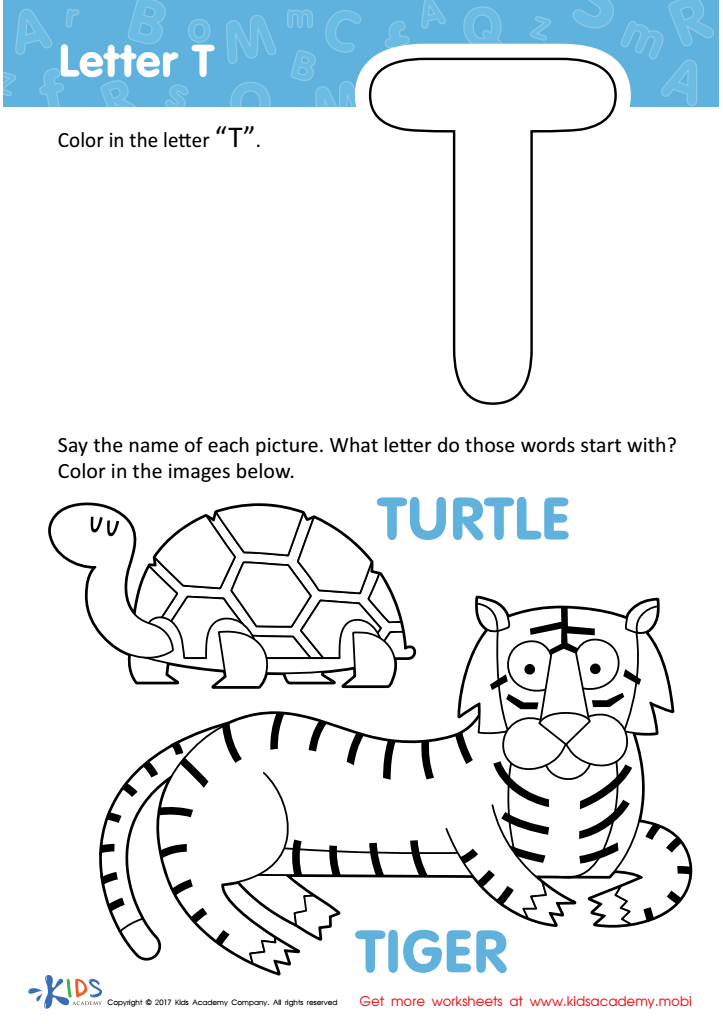
Letter T Coloring Sheet
 Assign to My Students
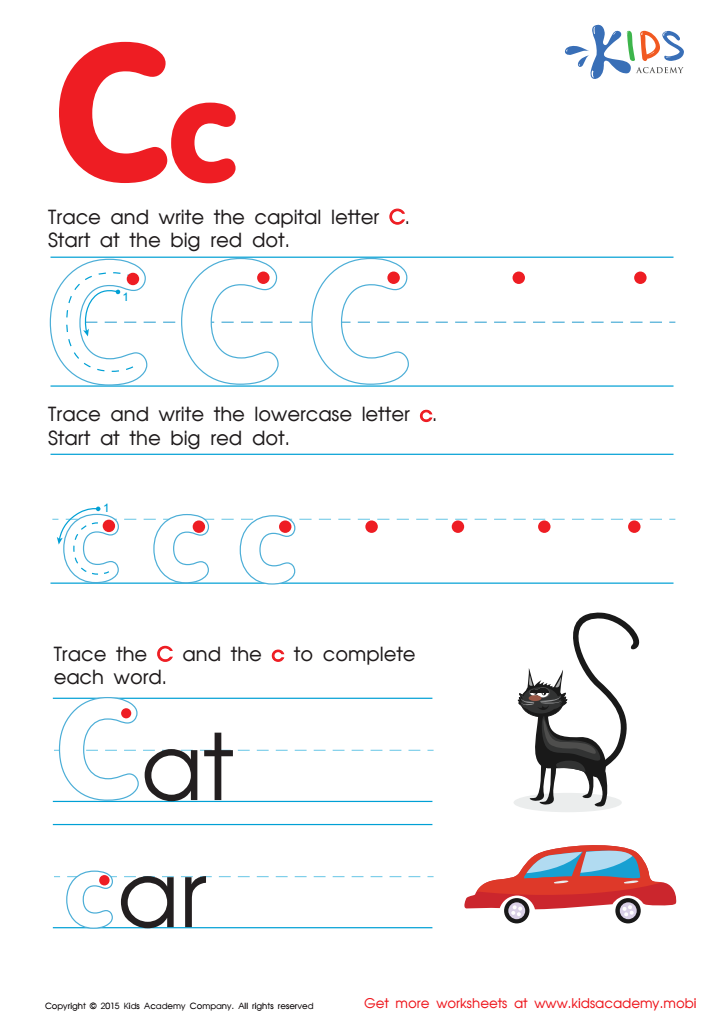
Letter C Tracing Page
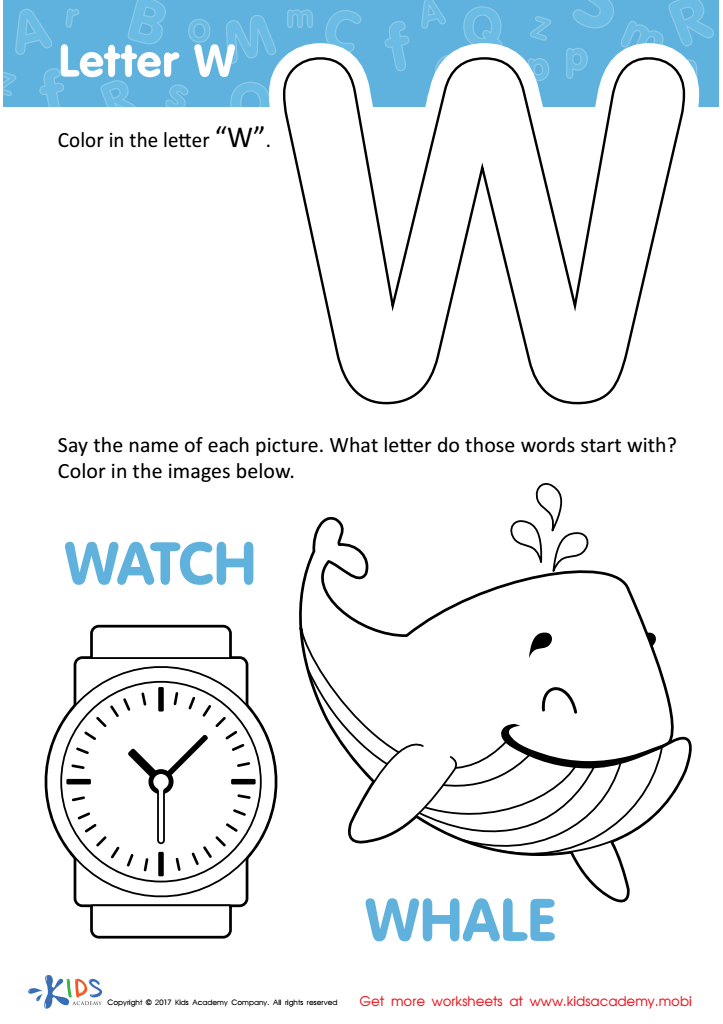
Letter W Coloring Sheet
Assign to My Students





Letter tracing skills are crucial for 8-year-olds, as they lay a strong foundation for writing and literacy. At this age, children are developing fine motor skills, and tracing letters helps improve hand coordination, making it easier for them to control writing instruments. This skill not only boosts their confidence when forming letters but also encourages neatness in their handwriting.
Additionally, tracing letters reinforces letter recognition, assisting children in identifying and differentiating between various letters. This is essential for reading and spelling, both of which are integral to their academic success. As learners begin to structure sentences and paragraphs, the ability to write legibly becomes increasingly important.
Moreover, developing tracing skills encourages focus and concentration. Through this activity, children learn patience and the importance of practice, which are valuable life skills beyond writing. Parents and teachers can further enhance this learning experience through creative exercises involving tracing letters in different formats, making writing more enjoyable.
In summary, prioritizing letter tracing skills for 8-year-olds fosters not only their physical writing abilities but also their cognitive and emotional development, paving the way for successful literacy skills in the future.