
Alphabet sequencing Worksheets for 8-Year-Olds
3 filtered results
Difficulty Level
Grade
Age
-
From - To
Subject
Activity
Standards
Introduce your 8-year-old to the captivating world of letters with our Alphabet Sequencing Worksheets! Designed to enhance literacy skills, these worksheets challenge kids to arrange letters in the correct order, boosting their alphabet knowledge, spelling, and logical thinking. Engaging activities and fun imagery make learning enjoyable, ensuring that children stay interested and motivated. Ideal for both classroom and home use, our resources provide educational support tailored to your child's developmental level. Unleash the joy of learning and help your child master the ABCs with ease! Visit Kids Academy for your printable worksheet needs.
Favorites
With answer key
Interactive
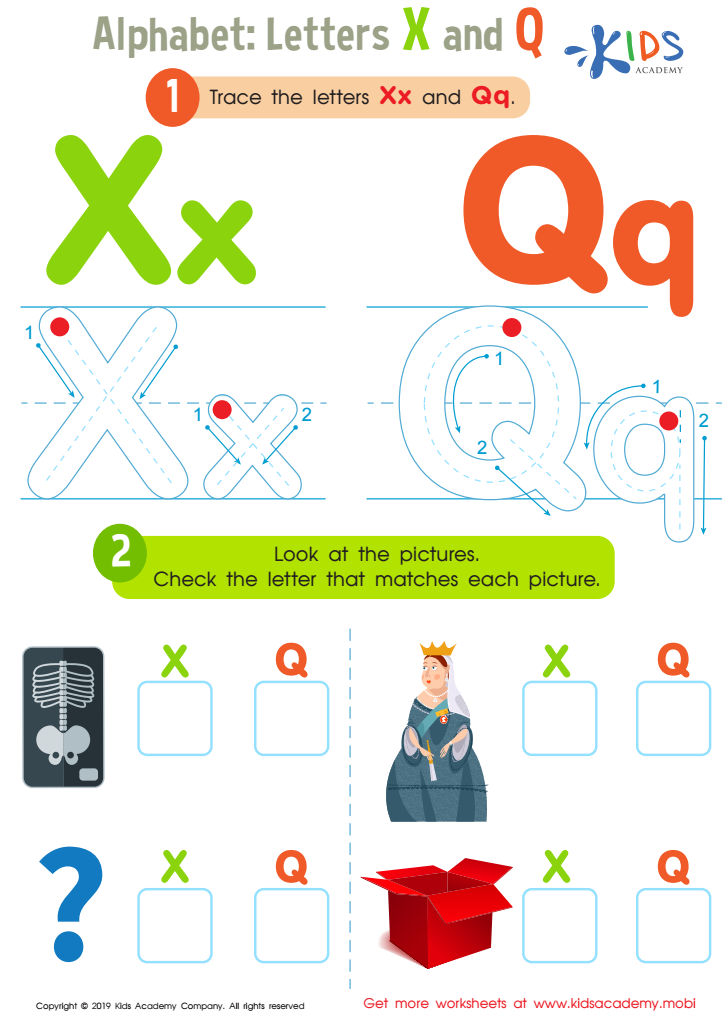
Letters X and Q Tracing Worksheet
Do you want your students to improve writing and letter recognition? This worksheet is a great place to start! Kids can trace the letters «X» and «Q» and identify pictures that match each letter. With a little encouragement, they'll do a great job!
 Assign to My Students
Letters X and Q Tracing Worksheet
Worksheet
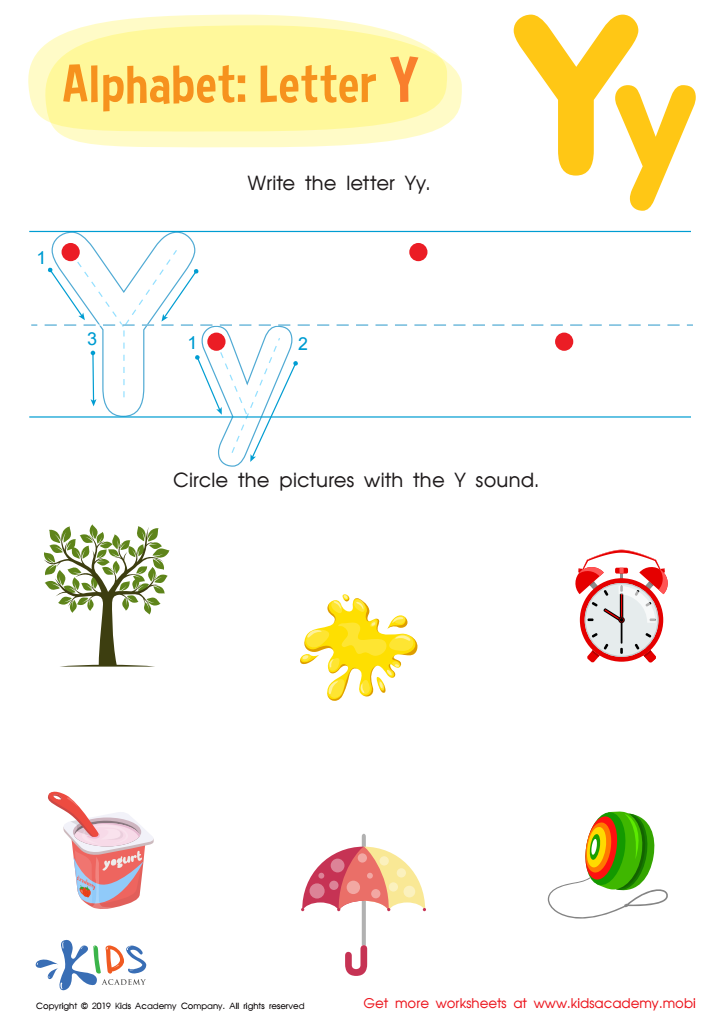
Letter Y Tracing Worksheet
Does your child need help with learning the final letters of the alphabet? This PDF worksheet is perfect then! Kids can practice tracing the letter «Y» and circle pictures that start with the same sound. Options include «yellow» and «yogurt». It's a great way of honing their letter-learning skills.
Letter Y Tracing Worksheet
Worksheet
Join Kids Academy for Free
Who is primarily going to use this learning content?


.jpg)



Alphabet sequencing is a foundational literacy skill that plays a critical role in a child's development, and it is especially relevant for 8-year-olds. At this age, children are transitioning from learning to read to reading to learn. Understanding alphabetical order enhances their ability to find, organize, and use information efficiently, which is essential for academic success and daily life skills.
Firstly, alphabetical sequencing strengthens cognitive abilities. It involves recognizing patterns, categorizing, and improving memory skills. These cognitive exercises foster critical thinking and problem-solving capabilities, which are necessary for more complex literacy tasks.
Secondly, alphabetical order is crucial for language development. It aids in mastering spellings, expanding vocabulary, and honing phonemic awareness. Such skills are fundamental for fluent reading and effective writing. Children who are proficient in these areas are likely to perform better in all subjects, not just language arts.
Additionally, practical applications of alphabetical skills, such as using dictionaries, encyclopedias, and libraries, empower children to be independent learners. They can locate information quickly and effectively, boosting their confidence and fostering a love for learning.
In summary, parents and teachers should care about alphabet sequencing as it lays the groundwork for lifelong literacy and learning skills, contributing materially to a child’s academic and personal growth.








