Unlock your child's potential with our "Analytical Thinking Worksheets for 8-Year-Olds." Designed to challenge young minds, these engaging worksheets help improve critical thinking, problem-solving, and logical reasoning skills. Each activity is crafted to stimulate curiosity and cognitive development through fun puzzles, logic games, and brain-teasing exercises. Perfect for both classroom use and home learning, our printable worksheets empower children to think independently and understand complex concepts. Start them on the path to academic success and a bright future by enhancing their analytical abilities today! Visit Kids Academy for more details.

Check out this FREE "Analytical thinking" Trial Lesson for age 8!

Ancient Artifacts and Fossils

Favorites
With answer key
Interactive
  • 8
  • Analytical thinking
Robin Hood Folktale Worksheet

Robin Hood Folktale Worksheet

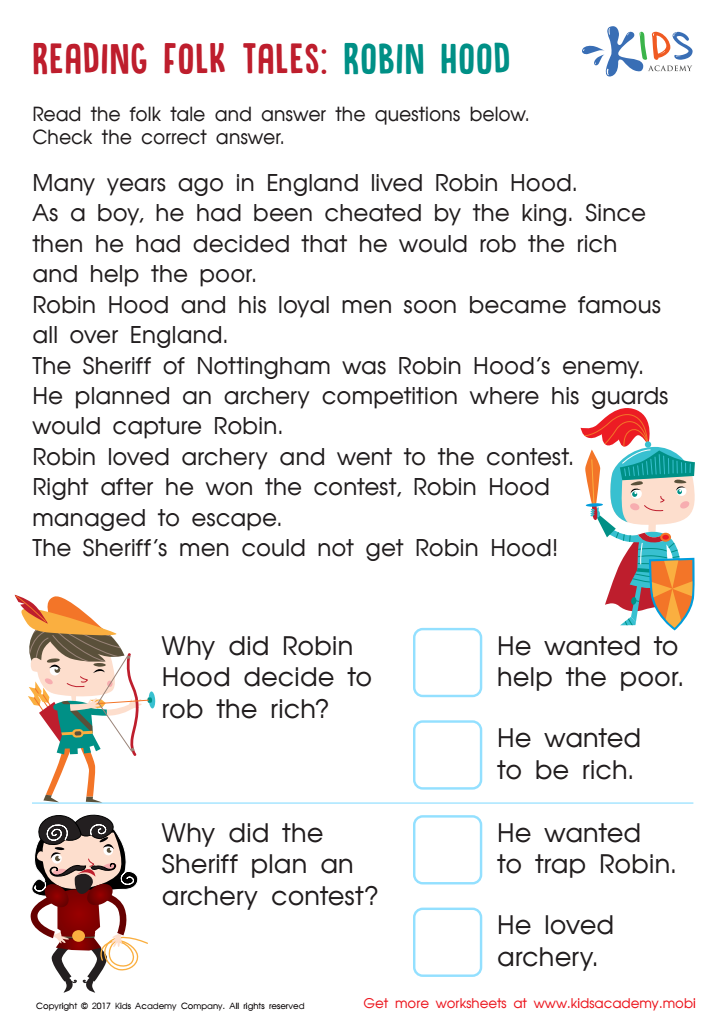
Have your child practice reading comprehension and inferencing with this Robin Hood folktale worksheet! Get them to read between the lines to find character motivation and answer important questions about the passage. It's a fun way to test their reading skills!
Robin Hood Folktale Worksheet
Worksheet
Jamestown Worksheet
Jamestown Worksheet

Jamestown Worksheet

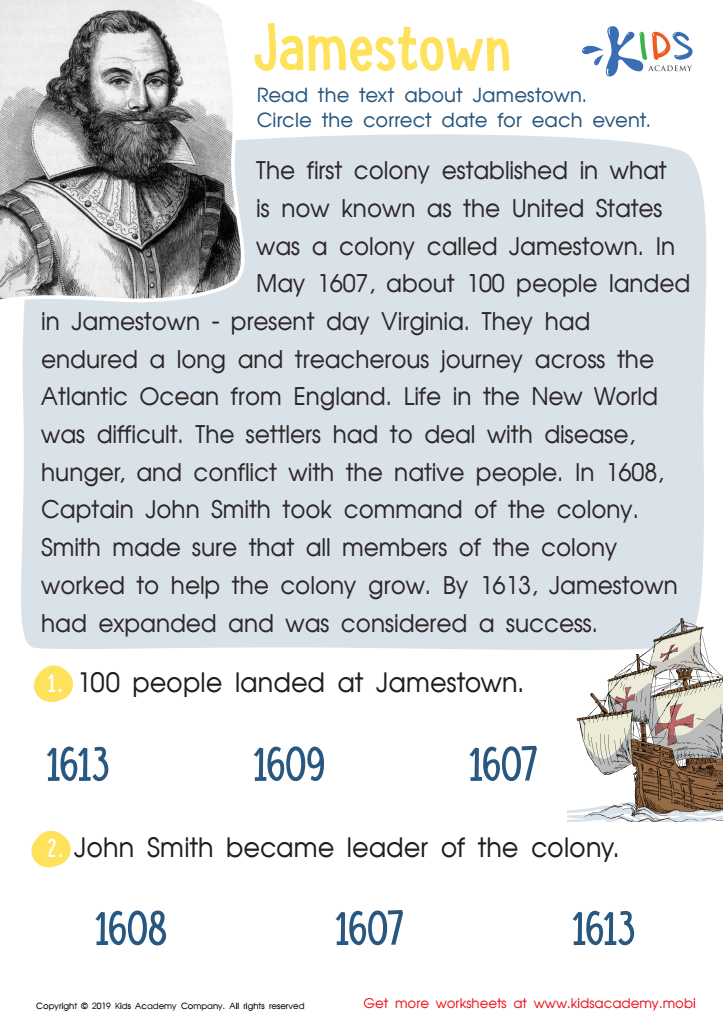
Help your kids build vocabulary by reading simple texts and stories to them. This exercise helps them practice reading and grammar, and increases their knowledge of a topic. In this worksheet, kids learn about Jamestown: read text aloud and help them circle the correct date for each event.
Jamestown Worksheet
Worksheet
Ancient Artifacts Worksheet

Ancient Artifacts Worksheet

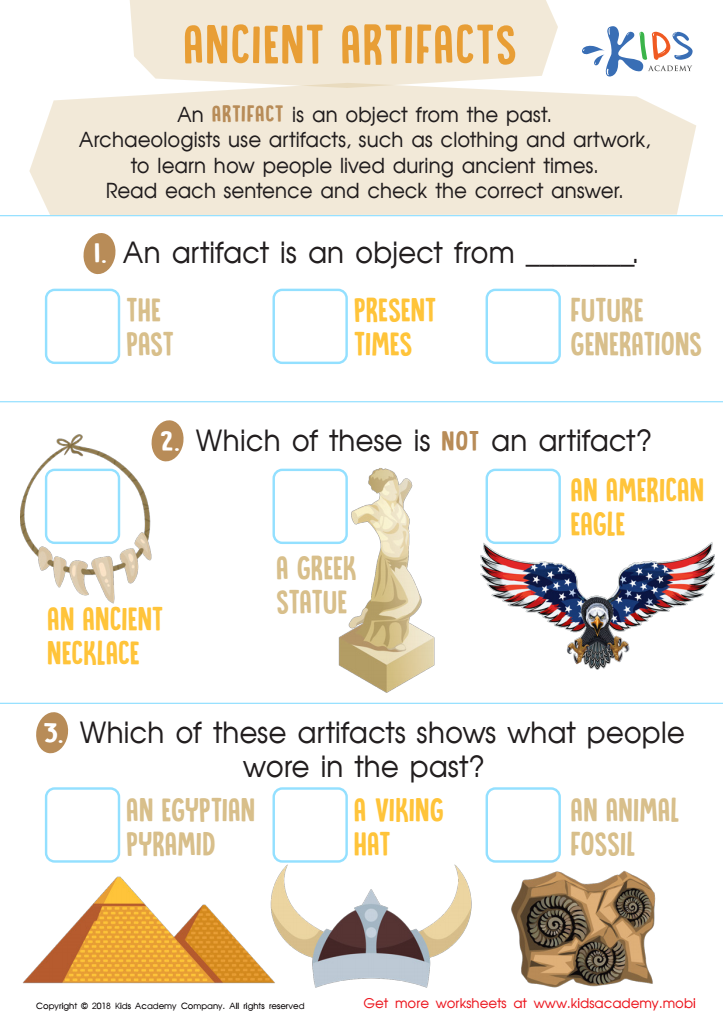
This free worksheet helps kids understand ancient artifacts, from statues to necklaces to fossils. They'll read comprehension questions and select answers from multiple choice options, with pictures to help them grasp the concept. It's a great way for children to learn about artifacts and what they may look like.
Ancient Artifacts Worksheet
Worksheet
Maya, Inca and Aztecs Worksheet

Maya, Inca and Aztecs Worksheet

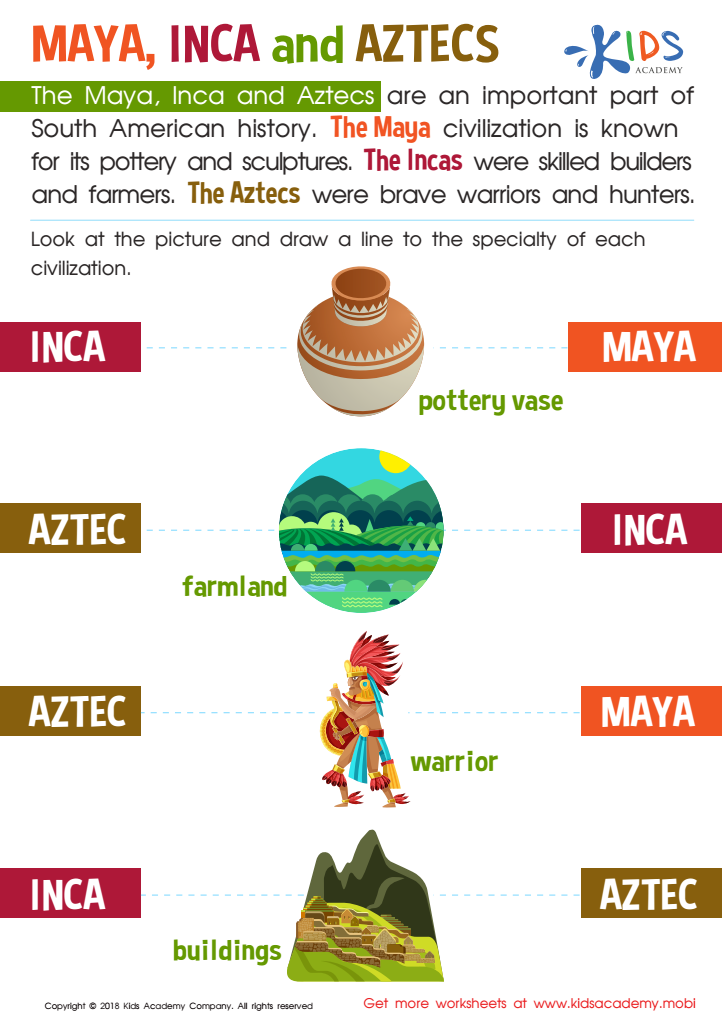
This worksheet introduces your child to the thrilling histories of the Mayan, Incan and Aztec cultures, teaching them about their warriors, sculptors and farmers. With traceable lines and colorful imagery, they'll connect each culture with its correct associated picture - great for cementing concepts!
Maya, Inca and Aztecs Worksheet
Worksheet
Cause and effect worksheets for 2nd grade

Indentifying Cause and Effect Worksheet
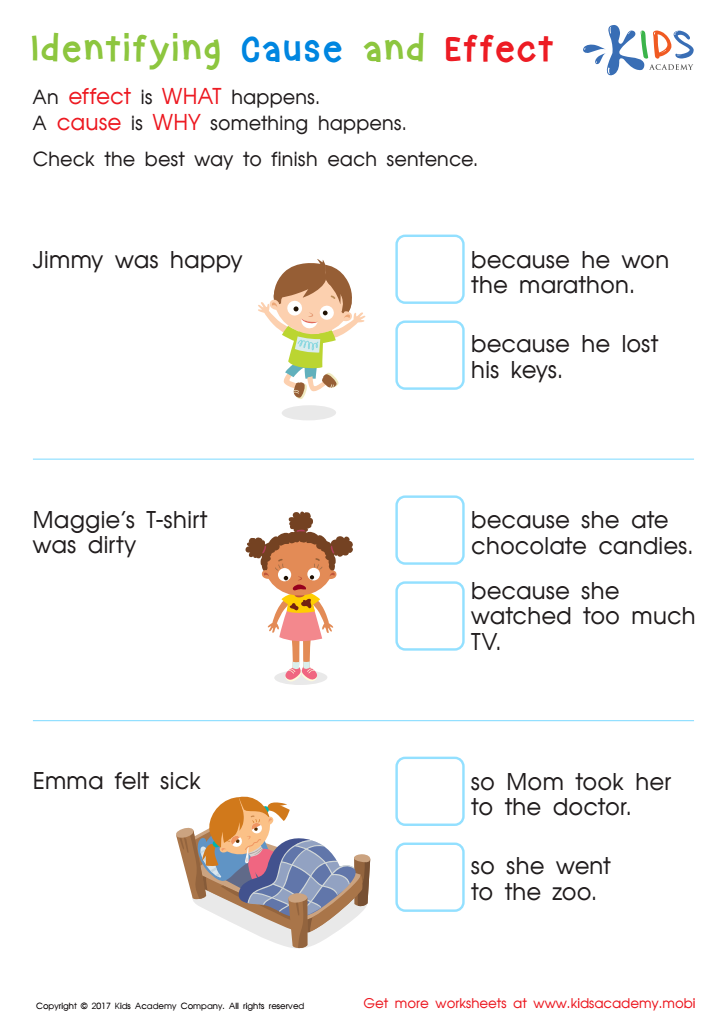
2nd grade cause & effect worksheets give your child practice making connections between events and their results. Fun activities help develop reading and critical thinking skills.
Indentifying Cause and Effect Worksheet
Worksheet
Visit an Aquarium Worksheet

Visit an Aquarium Worksheet

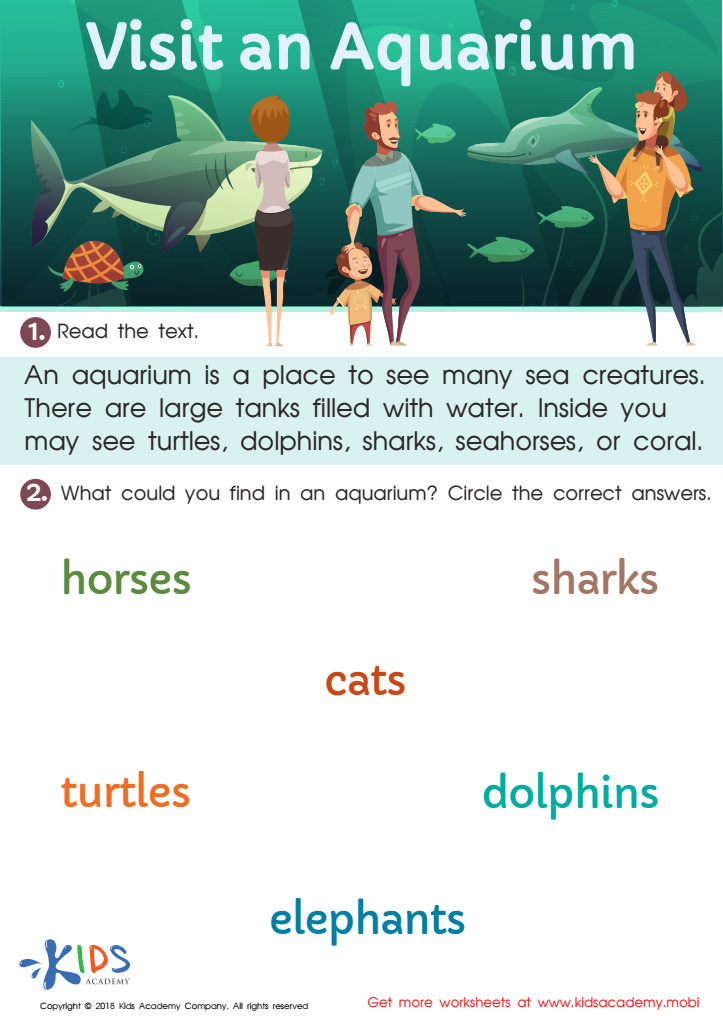
Have your kids ever been to an aquarium? It's a great place to see a variety of sea creatures, like turtles, dolphins, sharks and fish. If they're fascinated by sea life, this worksheet is perfect! Help them circle the aquarium animals among the words in the picture.
Visit an Aquarium Worksheet
Worksheet
First American flag worksheet

First American Flag Worksheet
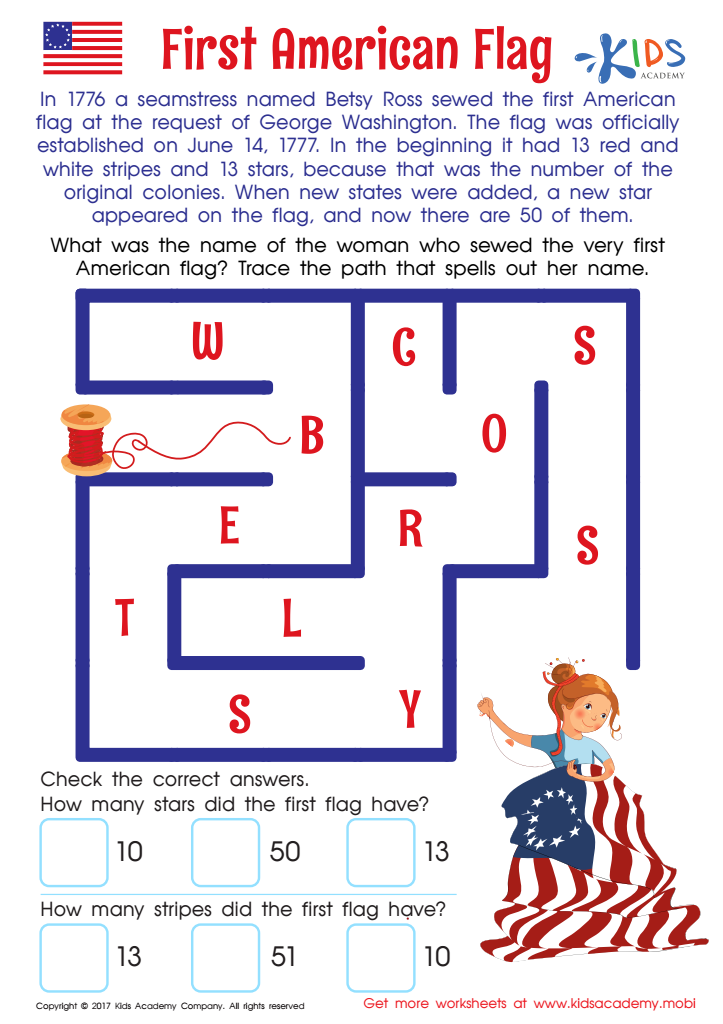
Betsy Ross sewed the first American flag at the request of George Washington. This worksheet helps kids learn about this milestone in U.S. history, plus the design and origins of the flag.
First American Flag Worksheet
Worksheet
Cause and Effect Worksheet

Cause and Effect Worksheet

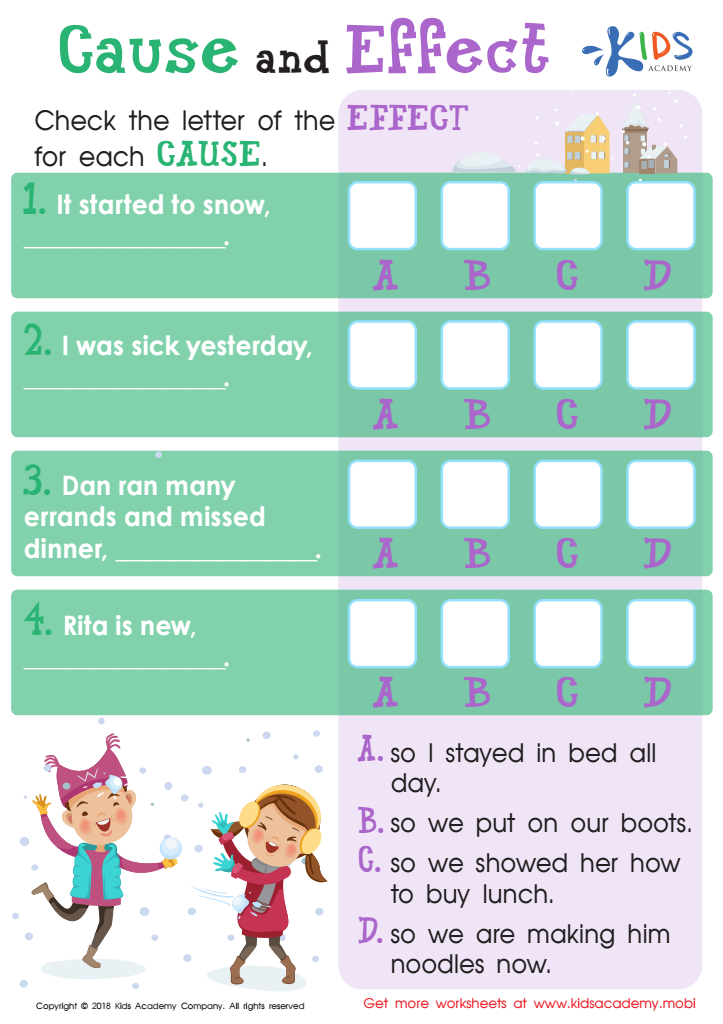
Help your kids understand the cause-effect relationship of sentences by having them complete this worksheet. There are four incomplete sentences at the top and four options at the bottom. Have them select the appropriate letter for the effect of each cause. This will be the first step to their future of composing grammatically correct and meaningful sentences.
Cause and Effect Worksheet
Worksheet
Matching Worksheet for Toddlers

Logic Game Sorting Worksheet

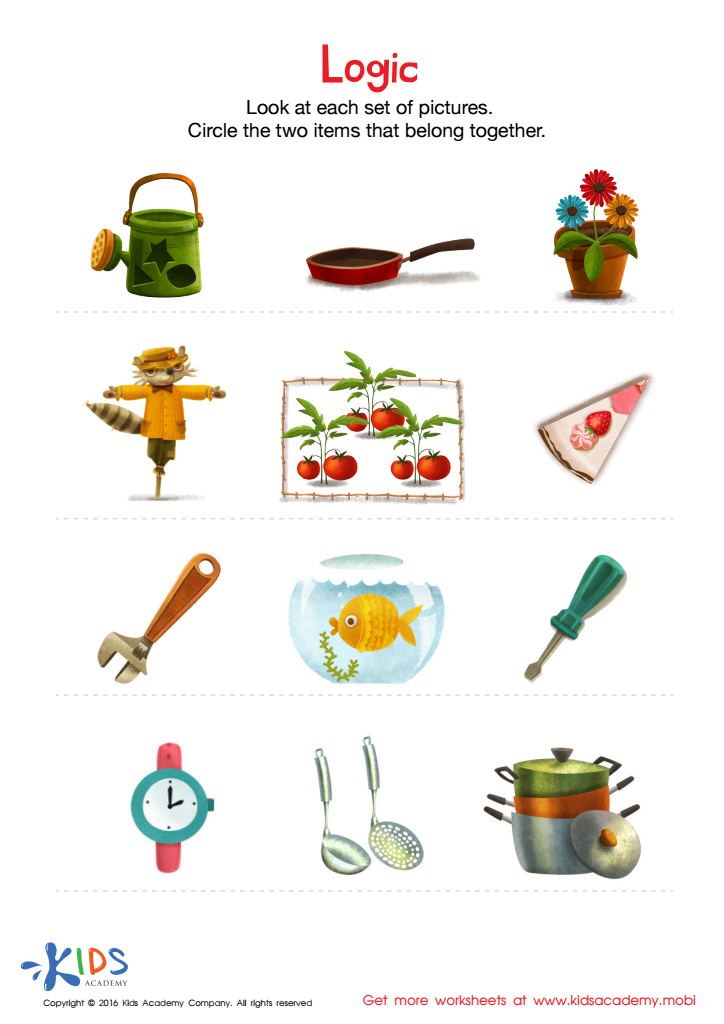
Start your child's logic and reasoning development early with this fun matching worksheet! Through cute images and simple conversations, your little one can learn problem-solving, categorization, and matching skills. Plus, it's a great way for children to explore how items are used in real life. Try it and watch them boost skills with ease and fun!
Logic Game Sorting Worksheet
Worksheet
Telling time printable worksheet: After School

After School Time Printable

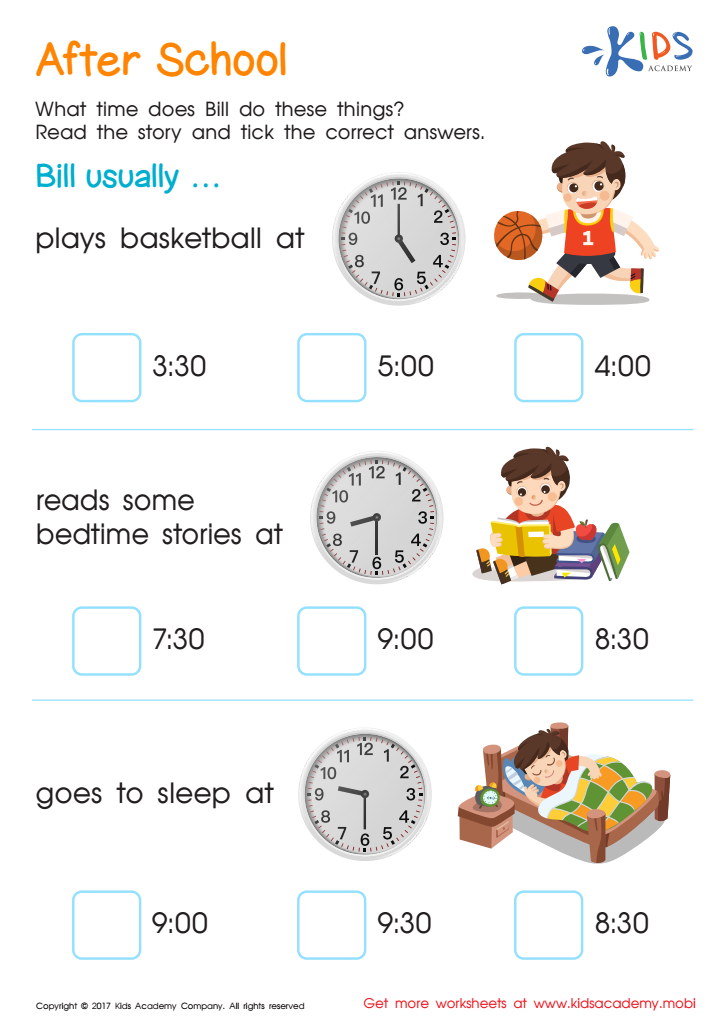
Meet Bill, a fun character who does the same things as all of us! This time-telling printable worksheet, 'After School', is an enjoyable way for your child to get familiar with Bill. It's a quick and cute activity to help understand the clocks and learn more about this new friend.
After School Time Printable
Worksheet
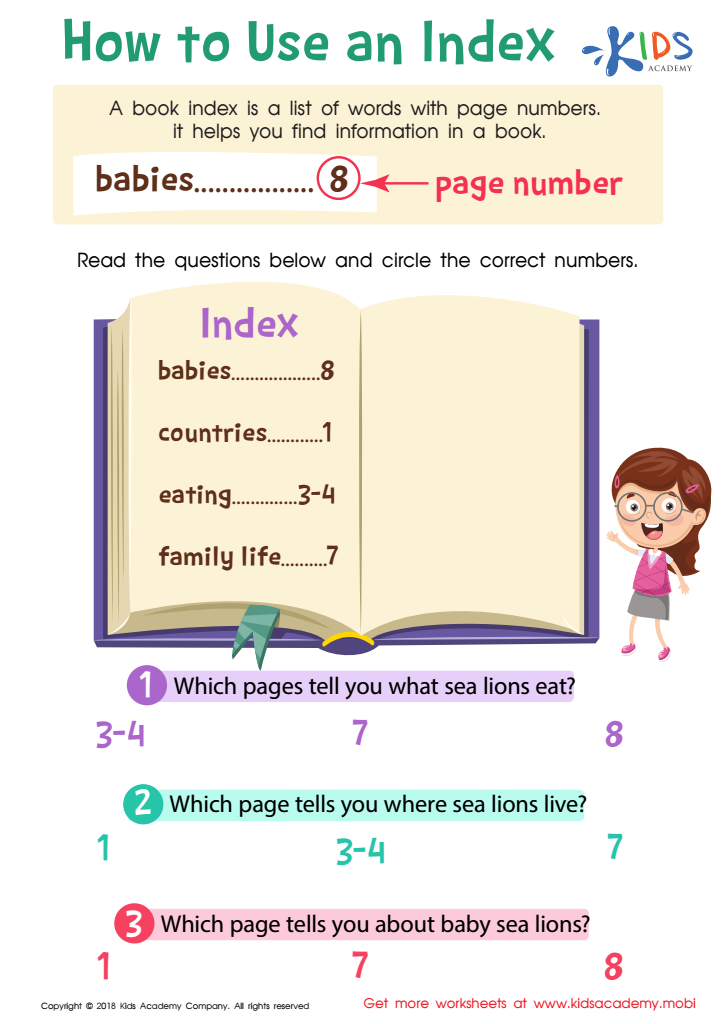
How Use Index Worksheet

How Use Index Worksheet

Hand your kids a book, point out the index and explain that it's a list of words with page numbers. Ask them to look at the index in the worksheet and circle the correct number to the questions. Every book must have an index to help readers find chapters or information they need.
How Use Index Worksheet
Worksheet
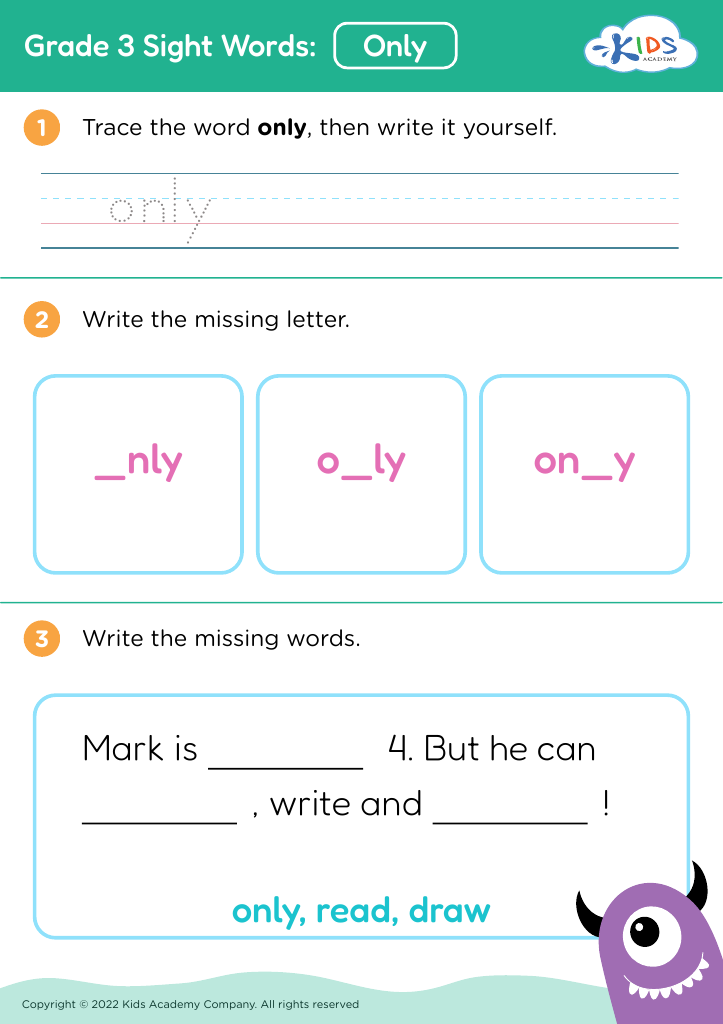
Grade 3 Sight Words: Only

Grade 3 Sight Words: Only

Grade 3 Sight Words: Only
Worksheet


Parents and teachers should highly value analytical thinking for 8-year-olds as it lays a crucial foundation for lifelong learning and problem-solving. At this developmental stage, children are beginning to grasp more complex concepts, making it the perfect time to cultivate analytical skills. Analytical thinking involves the ability to break down information, think critically, and make reasoned decisions—skills that are essential in both academic and everyday contexts.

By fostering analytical thinking, children can enhance their understanding in subjects like math, science, and reading. For instance, grasping the why behind a math problem or inferring the underlying themes in a story develops deeper comprehension rather than rote memorization. These skills help children not only absorb information but also question and manipulate it, promoting deeper understanding and retention.

Moreover, analytical thinking enhances problem-solving abilities. An 8-year-old who can assess situations critically and consider multiple solutions is better prepared to navigate challenges both in school and in personal life. These skills also encourage independence and confidence, as the child realizes they have the tools to understand and impact their world.

In sum, investing in analytical thinking at an early age equips children with essential cognitive tools, setting them up for future success across diverse areas of life.