Associative learning Worksheets for 8-Year-Olds
3 filtered results
-
From - To
Unlock your child's potential with our Associative Learning Worksheets for 8-Year-Olds! Designed to promote efficient learning, these worksheets help children make connections between ideas, boosting comprehension and retention. Each activity offers engaging and interactive exercises that enhance cognitive skills, stimulate curiosity, and make learning enjoyable. By integrating subjects like math and language arts, kids can see the interconnectedness of concepts while building a solid foundation for future learning. Perfect for both school and home use, our printables provide the tools your child needs to excel and succeed. Foster active learning and watch your child thrive!
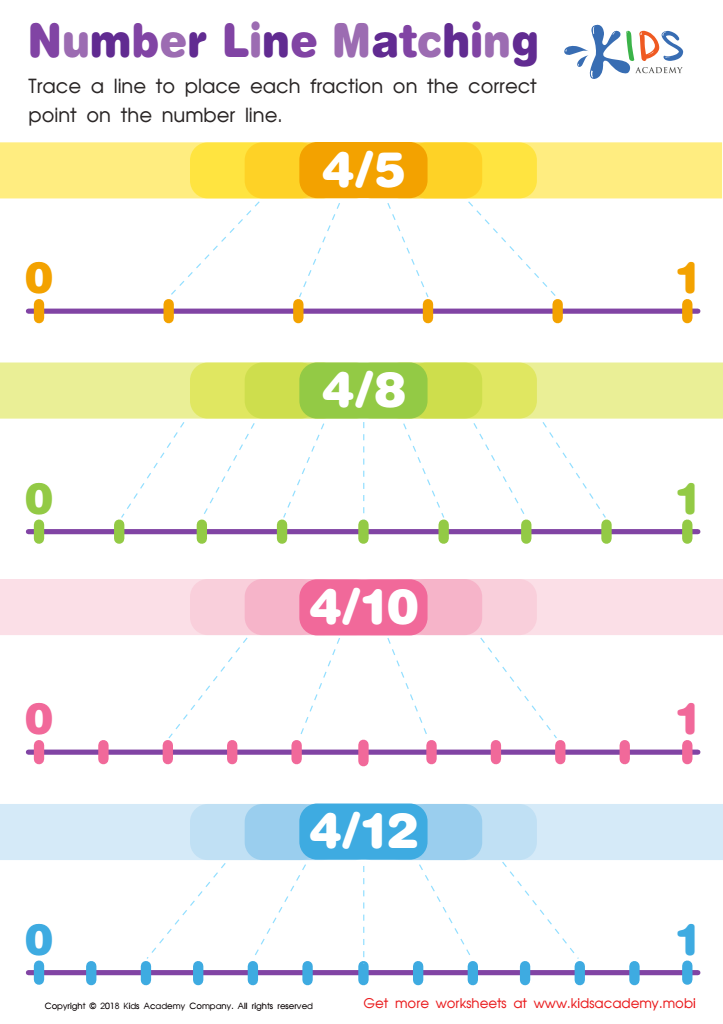
Number Line Matching Worksheet
 Assign to My Students
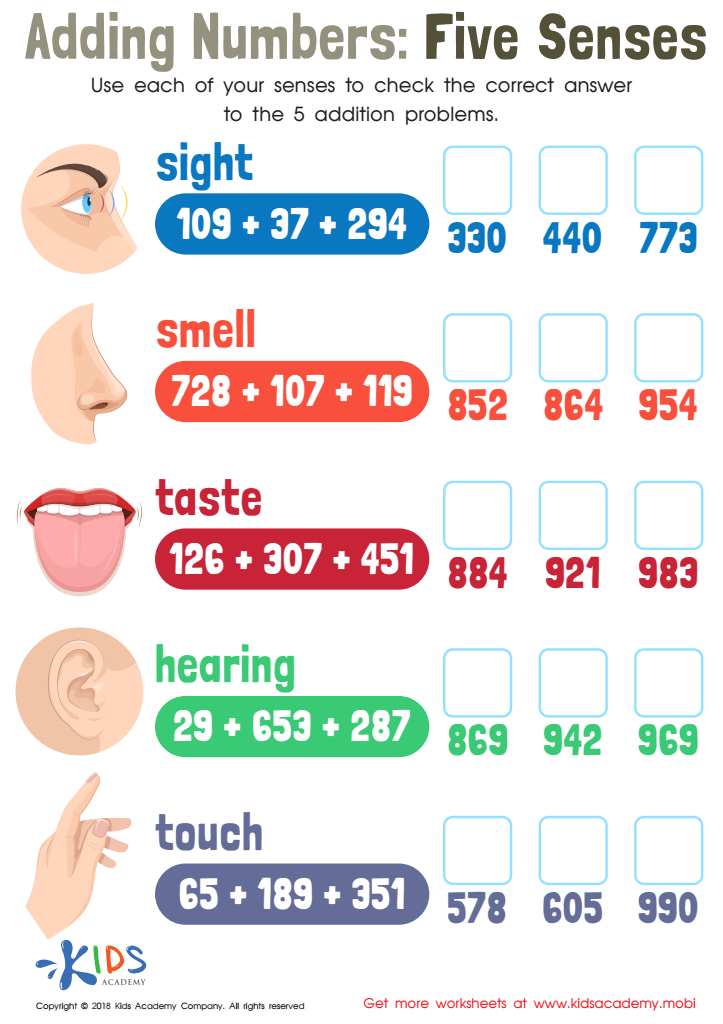
Adding Numbers: Five Senses Worksheet
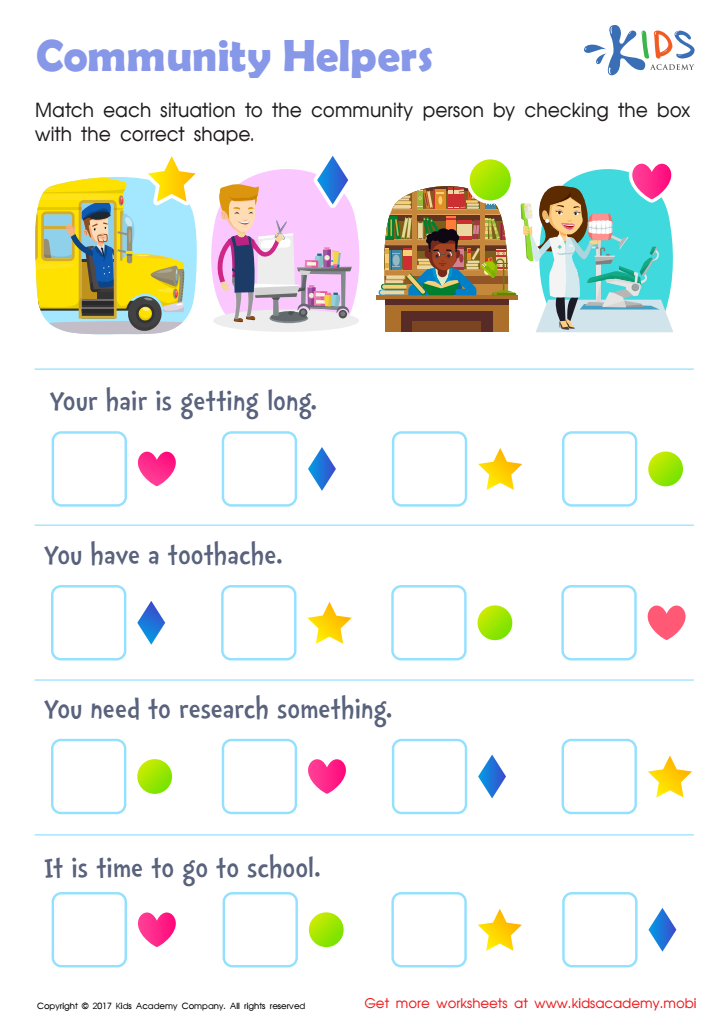








Associative learning is crucial for the cognitive and emotional development of 8-year-olds because it helps them understand and navigate the world around them. Through associative learning, children make connections between events, actions, and outcomes. This form of learning underpins critical thinking, problem-solving, and decision-making abilities, which are essential skills both in and out of the classroom.
When children engage in associative learning, they learn to link different ideas together, which enhances their capacity to understand complex concepts. For instance, associating words with images can improve vocabulary acquisition, while linking hands-on activities with scientific principles makes learning more engaging and memorable. In a social context, associative learning helps children understand the consequences of their actions, fostering better behavior and social interactions.
Moreover, associative learning supports emotional regulation. By understanding how certain actions lead to specific reactions, children can predict and control their emotional responses, contributing to emotional intelligence. This heightened emotional awareness can result in fewer behavioral issues and better peer relationships.
Therefore, parents and teachers should nurture associative learning by providing diverse, multi-sensory experiences and opportunities for children to explore connections. Encouraging activities like storytelling, games, experiments, and group discussions can make learning both effective and enjoyable, laying a strong foundation for future educational success and personal growth.








