Develop analytical thinking Worksheets for 8-Year-Olds
5 filtered results
-
From - To
Discover our engaging and interactive analytical thinking worksheets designed specifically for 8-year-olds! These thoughtfully crafted activities aim to enhance critical thinking skills through fun challenges and stimulating puzzles. Children will learn to analyze information, recognize patterns, and draw conclusions while enjoying captivating exercises that promote problem-solving abilities. With topics ranging from logical reasoning to categorization and comparison, our worksheets help nurture young minds to think deeply and confidently. Perfect for home or educational settings, these resources support the development of essential cognitive skills that foster academic success and lifelong learning. Spark your child’s analytical prowess today with our printable worksheets!
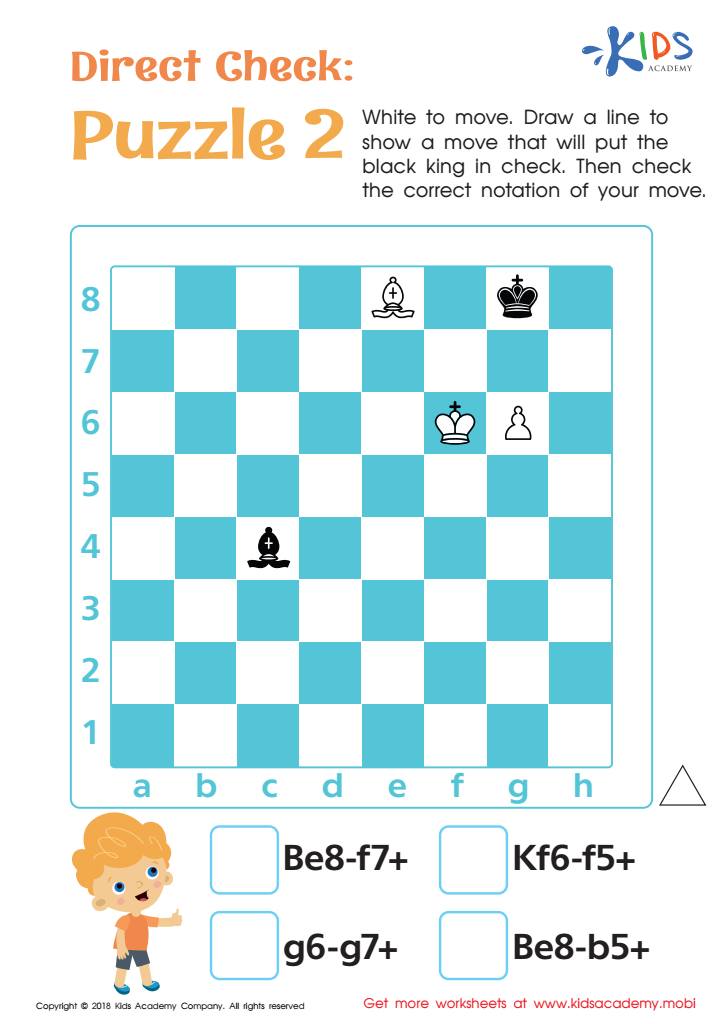
Direct Check: Puzzle 2 Worksheet
 Assign to My Students
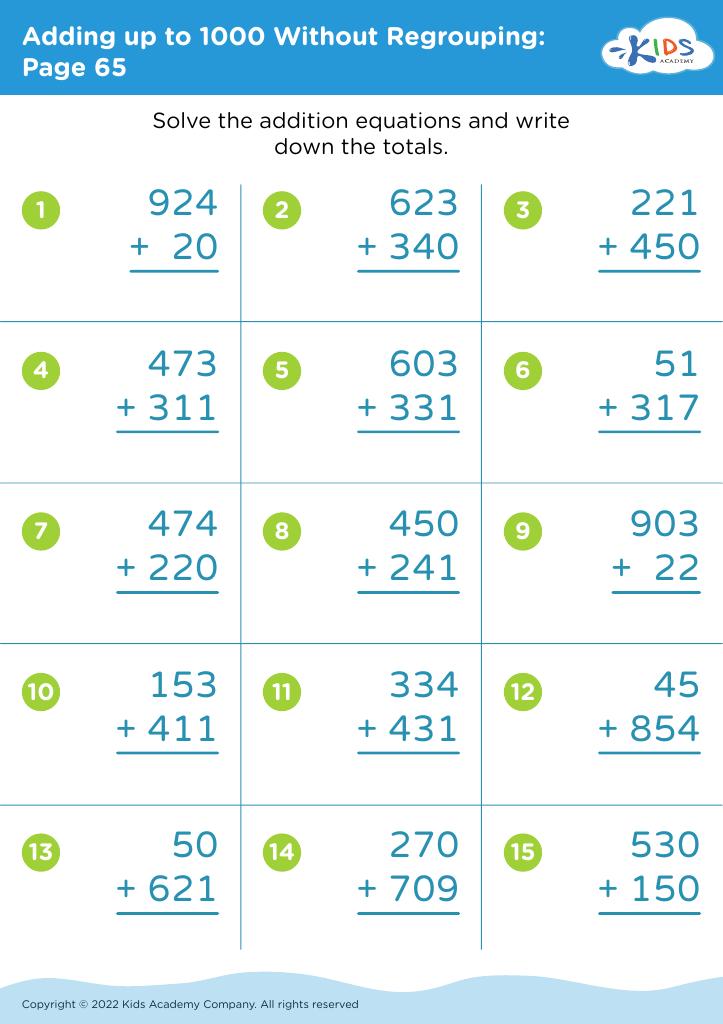
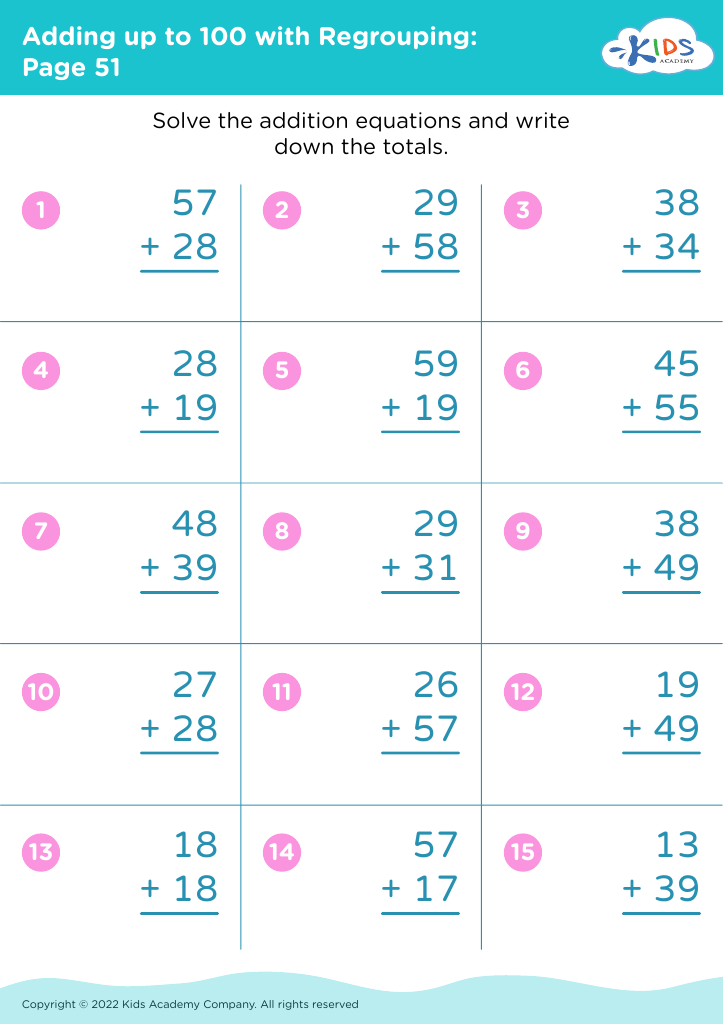
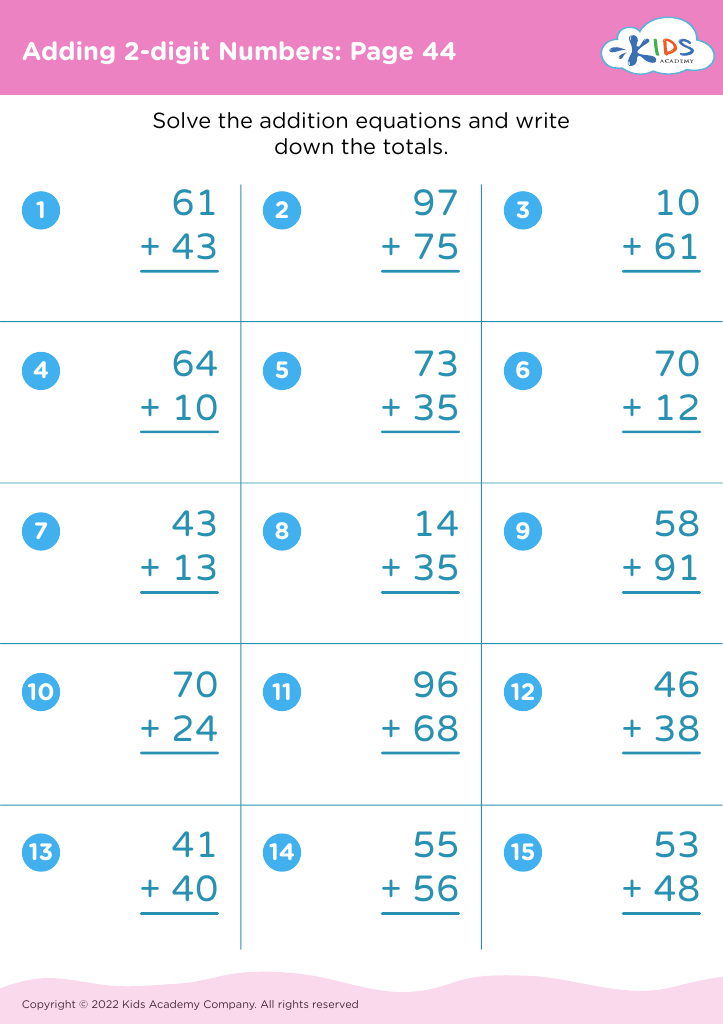








Developing analytical thinking skills in 8-year-olds is crucial for several reasons. First, it empowers children to evaluate information critically, enhancing their ability to differentiate between fact and opinion. In a world flooded with information, fostering analytical thinking helps them make informed decisions and solve problems with confidence.
Moreover, these skills lay the groundwork for future academic success. Analytical thinking is foundational in subjects like math and science, where children are required to assess data, create hypotheses, and draw conclusions. Encouraging this way of thinking promotes a growth mindset, encouraging kids to embrace challenges and learn from mistakes.
From a social perspective, strong analytical skills enhance communication and collaboration. As they learn to articulate their thoughts and listen to diverse perspectives, children become more empathetic and constructive in their interactions with peers.
Finally, nurturing analytical thinking can spark a lifelong love of learning. By exploring and questioning their environment, children develop curiosity and creativity that extends beyond the classroom.
In summary, encouraging analytical thinking in 8-year-olds equips them with the necessary tools for informed decision-making, academic achievement, social interaction, and lifelong learning, making it an essential focus for parents and teachers alike.








