Enhancing research skills Worksheets for 8-Year-Olds
4 filtered results
-
From - To
Enhancing research skills worksheets for 8-year-olds are designed to ignite curiosity and develop critical thinking abilities in young learners. These interactive worksheets encourage children to explore topics deeply, gather information, and draw conclusions through engaging exercises. With fun activities tailored to this age group, kids will enjoy honing their researching techniques while building essential skills for future academic success. Our worksheets incorporate a range of topics, making learning enjoyable and stimulating. Foster a love for learning by accessing our carefully crafted resources, ensuring your child becomes a confident and capable researcher. Empower their educational journey with these essential tools today!
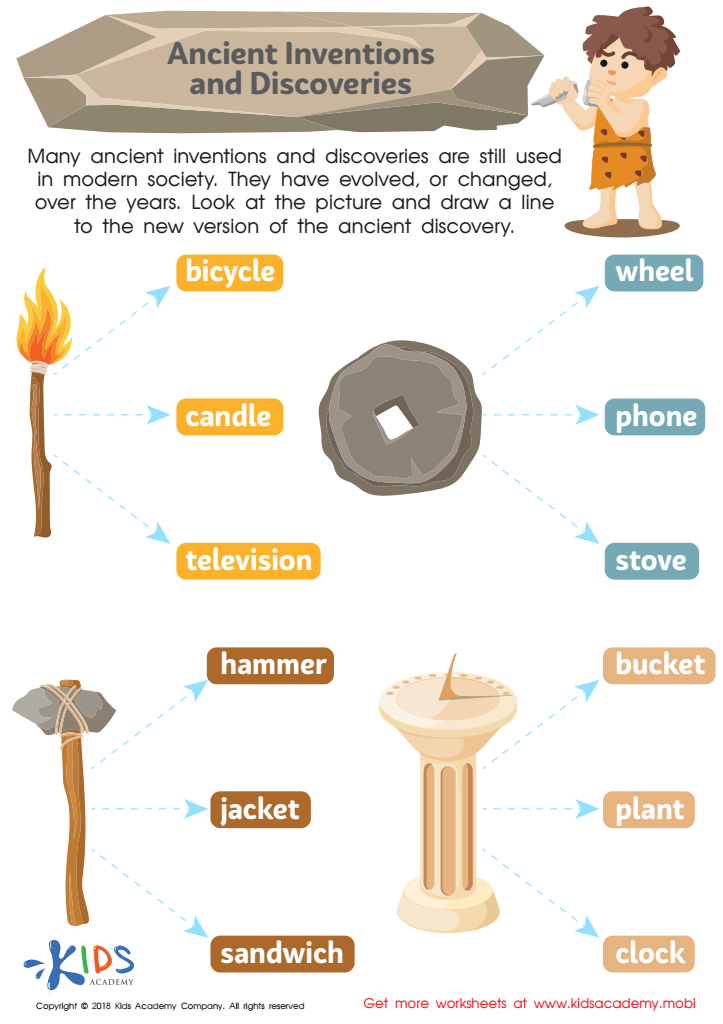
Ancient Inventions and Discoveries Worksheet
 Assign to My Students
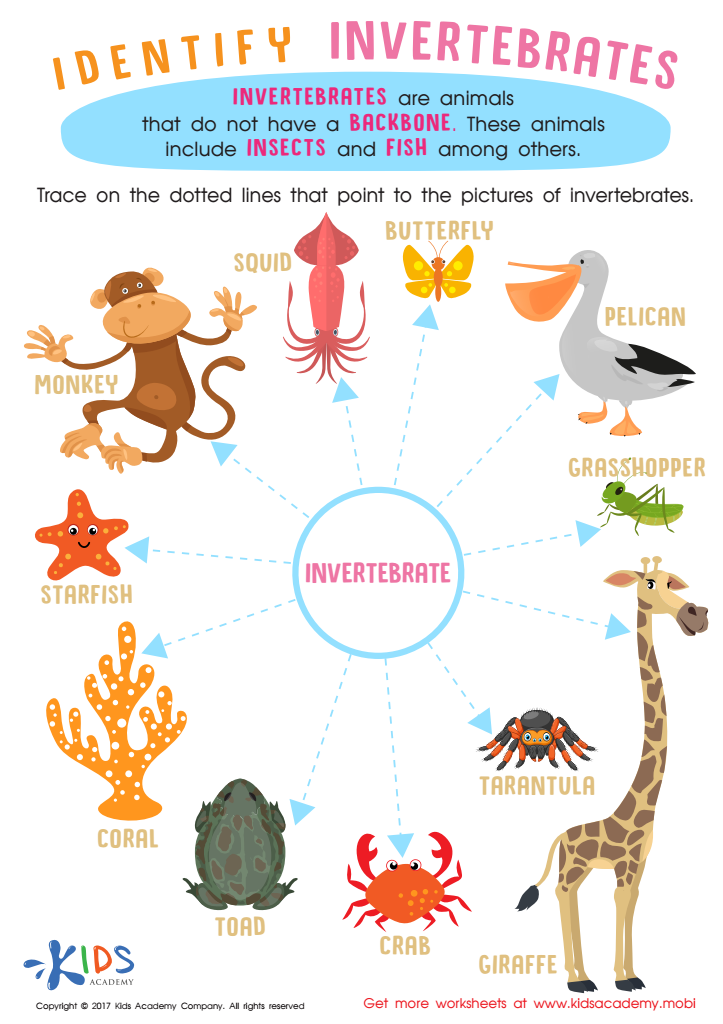
Invertebrates Worksheet for Grade 3
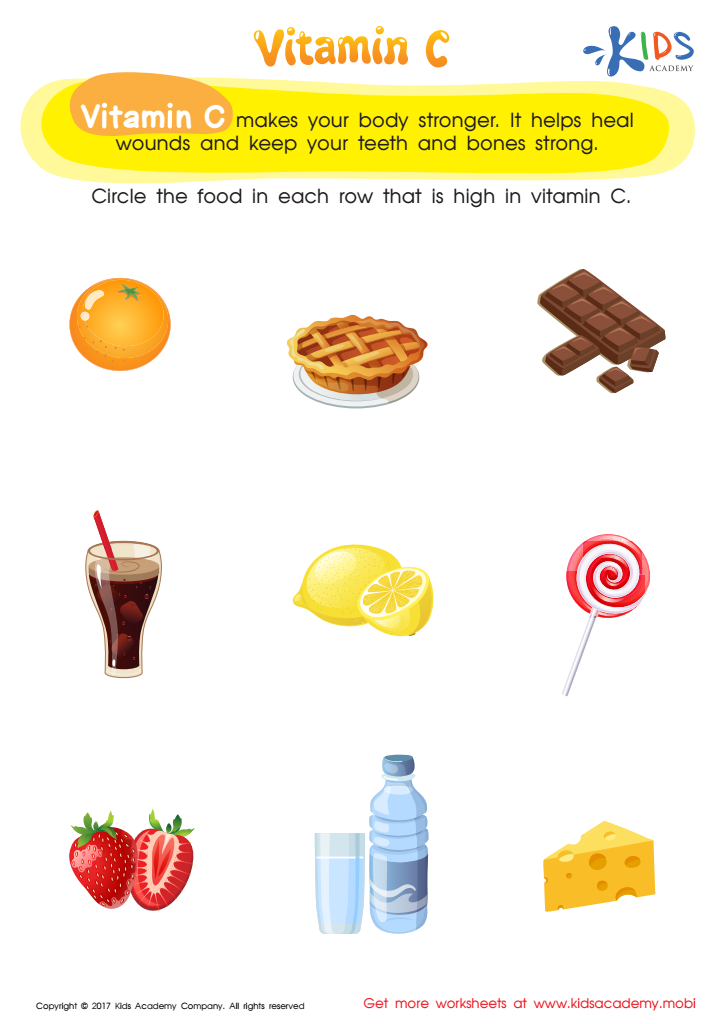
Vitamin C Worksheet
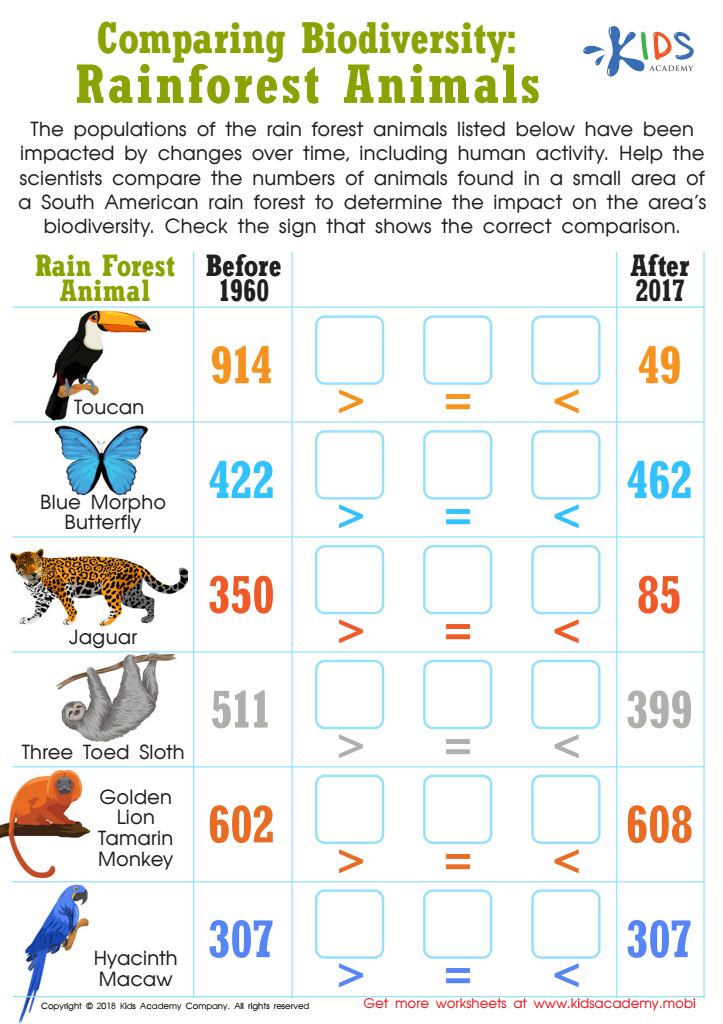
Comparing Biodiversity: Rainforest Animals Worksheet


%20(1).jpg)




Enhancing research skills in 8-year-olds is crucial for their academic and personal development. At this age, children are naturally curious and eager to explore the world around them. By fostering research skills, parents and teachers can help them cultivate critical thinking, problem-solving abilities, and self-directed learning. These skills empower children to seek answers independently, which builds confidence and resilience, enabling them to tackle complex questions and challenges as they progress in their education.
Moreover, effective research skills teach children how to evaluate sources, distinguish between facts and opinions, and understand the importance of credible information. In today's digital age, this is particularly important, as children are often inundated with vast amounts of information online. Guide them in navigating this landscape responsibly encourages safe browsing habits and minimizes the risk of misinformation.
Additionally, research initiatives support cooperative learning and collaboration, facilitating communication and interpersonal skills—essential traits for future success. By working on research projects, children learn to share ideas, receive feedback, and appreciate multiple perspectives. In essence, nurturing research skills at a young age lays a strong foundation for lifelong learning, critical engagement in society, and the fulfillment of each child's intellectual potential. Parents and teachers play a pivotal role in shaping these essential competencies.








