Fraction conversion Worksheets for 8-Year-Olds
4 filtered results
-
From - To
Introduce your 8-year-olds to the world of fractions with our engaging Fraction Conversion Worksheets! Designed specifically for young learners, these fun and interactive activities aim to simplify the concept of converting fractions. Your child will gain confidence as they practice converting mixed numbers, improper fractions, and like fractions through colorful illustrations and relatable examples. Our worksheets encourage critical thinking and help reinforce essential math skills that align with grade-level learning standards. With step-by-step guidance, kids can master fraction conversions while enjoying their educational journey. Get ready to spark a love for math with our thoughtfully crafted resources!



.jpg)
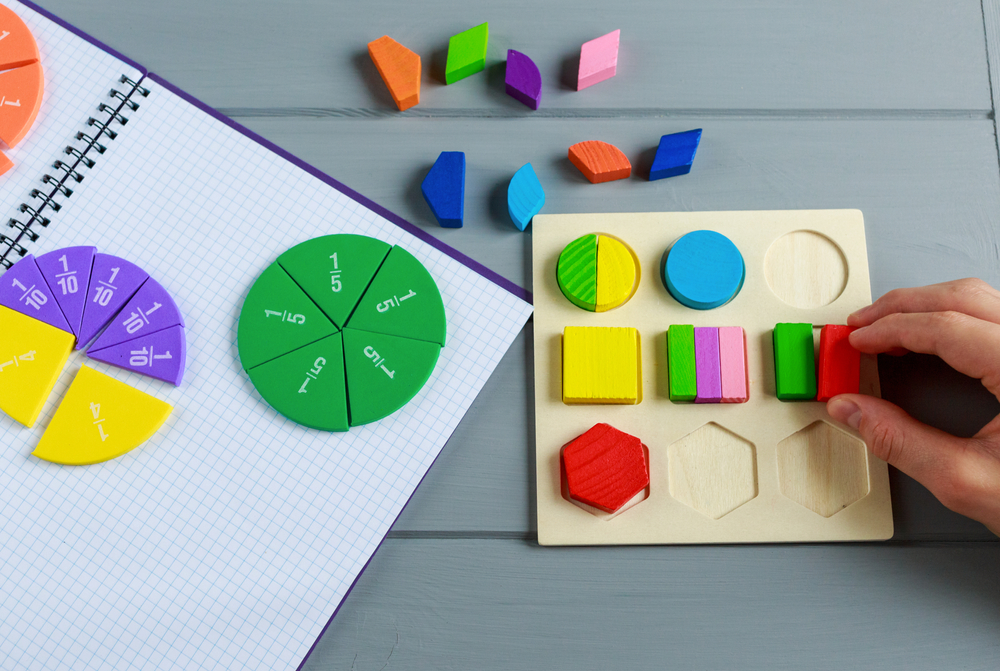


Understanding fraction conversion is crucial for 8-year-olds as it lays the foundation for their mathematical development. At this age, children are beginning to grasp foundational concepts in math, and fractions are an essential part of this. When parents and teachers emphasize the importance of fraction conversion, they help children develop critical thinking and problem-solving skills that extend beyond arithmetic.
Mastering fraction conversion enables students to see the connections between different representations of numbers. It encourages them to think critically about how fractions relate to each other, enhancing their numeracy skills. For instance, converting ( \frac{1}{2} ) to ( 0.5 ) or ( 50\% ) supports their understanding of ratios, percentages, and decimals, all of which are vital in real-life situations, from cooking to budgeting.
Moreover, the confidence gained from mastering fractions sets the stage for tackling more complex math concepts in later grades. Parents and teachers who engage in fraction practice can foster a love for math, making it less intimidating and more accessible. Ultimately, a solid grasp of fractions not only benefits academic performance but also equips children with lifelong skills essential for navigating everyday life.








