Handwriting practice Worksheets for 8-Year-Olds - Page 3
52 filtered results
-
From - To
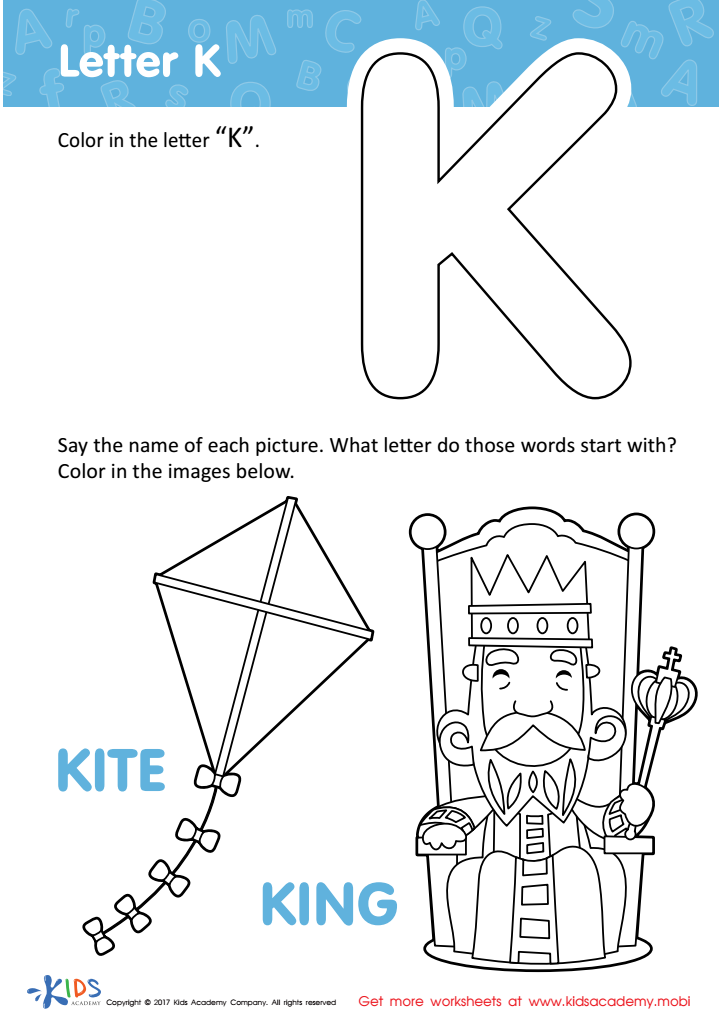
Letter K Coloring Sheet
 Assign to My Students
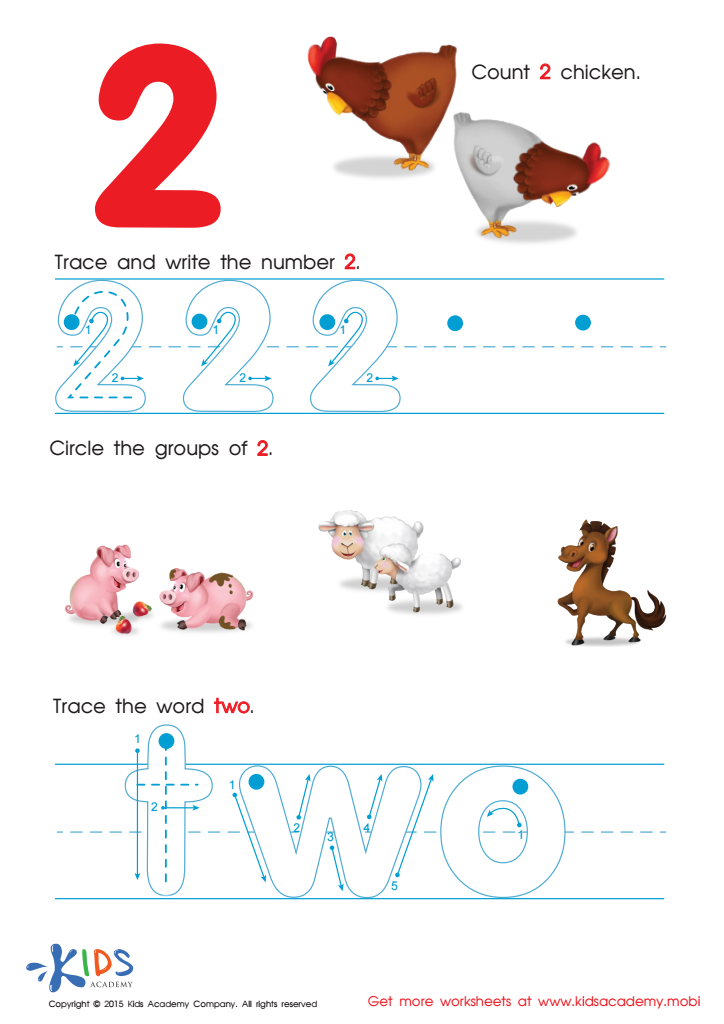
Learn to Write the Number 2 Worksheet

Letter N Coloring Sheet
Assign to My Students




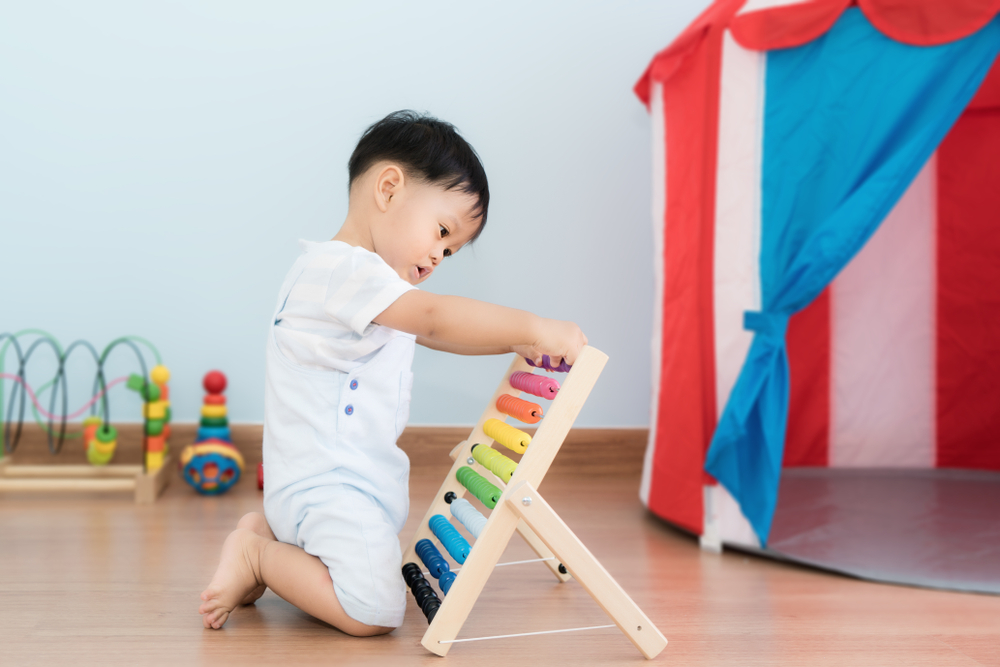


Handwriting practice for 8-year-olds is essential for several reasons, and both parents and teachers have a vested interest in fostering this skill. At this age, children are honing their fine motor skills, which are crucial for almost all other forms of academic and everyday functioning. Handwriting practice helps to refine these motor skills, improving hand-eye coordination and dexterity, which are beneficial not just for writing but in other areas like dressing or playing musical instruments.
Moreover, developing good handwriting habits early can boost a child’s confidence and self-esteem. When children can comfortably write legibly, they feel more competent and are likely to participate more fully in classroom activities and written assignments. This, in turn, can enhance their overall academic performance.
Cognitively, the act of writing by hand stimulates brain activity in a way that typing does not, which can improve understanding, memory retention, and the ability to generate ideas. This is particularly important during these formative years when foundational literacy skills are being built.
Additionally, well-developed handwriting assists in fostering better organizational skills. Children who can write clearly are able to leave valuable notes to themselves, make lists, and structure their tasks effectively, which aids in time management and personal discipline.
In summary, mindful handwriting practice nurtures crucial developmental aspects—motor skills, cognitive functions, self-esteem, and organizational planning—indispensable for a child's growth.








