Improve handwriting skills Worksheets for 8-Year-Olds
3 filtered results
-
From - To
Enhance your 8-year-old's handwriting skills with our engaging and fun worksheets designed specifically for young learners. Our collection focuses on developing fine motor skills, letter formation, and proper spacing through a variety of interactive exercises. By practicing with these worksheets, children will gain confidence in their writing abilities and improve their overall legibility. Each worksheet is tailored to keep kids engaged, making the learning process enjoyable. Parents and teachers can utilize these resources to support handwriting development at home or in the classroom. Discover creative ways to boost your child's writing skills with our easy-to-use printable worksheets today!
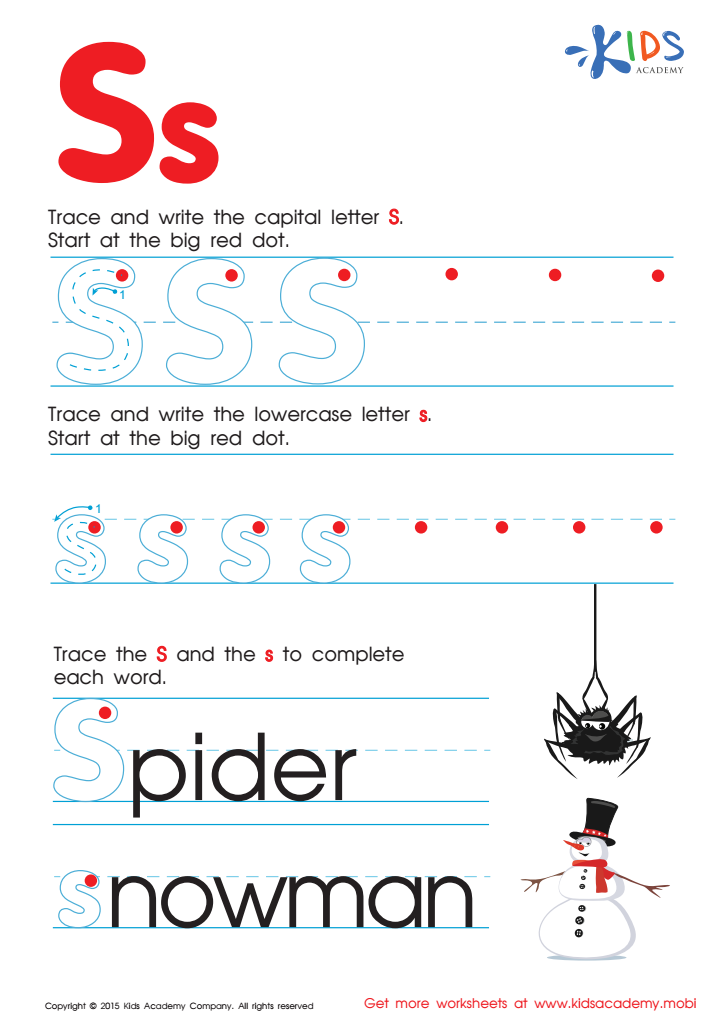
Letter S Tracing Page
 Assign to My Students
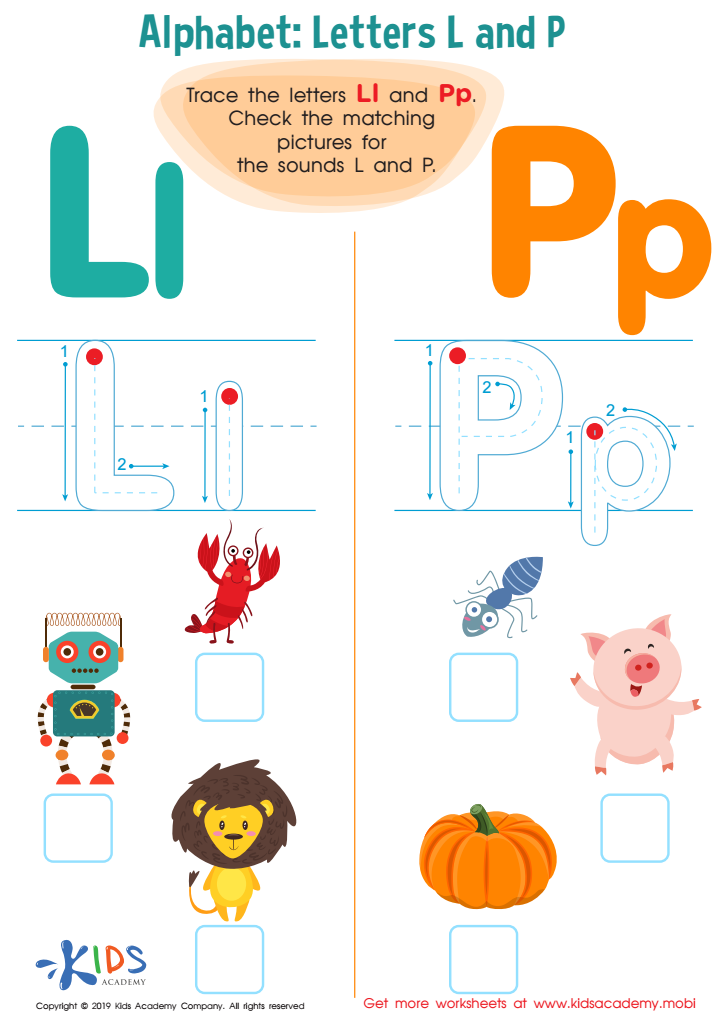
Letter L and P Tracing Worksheet
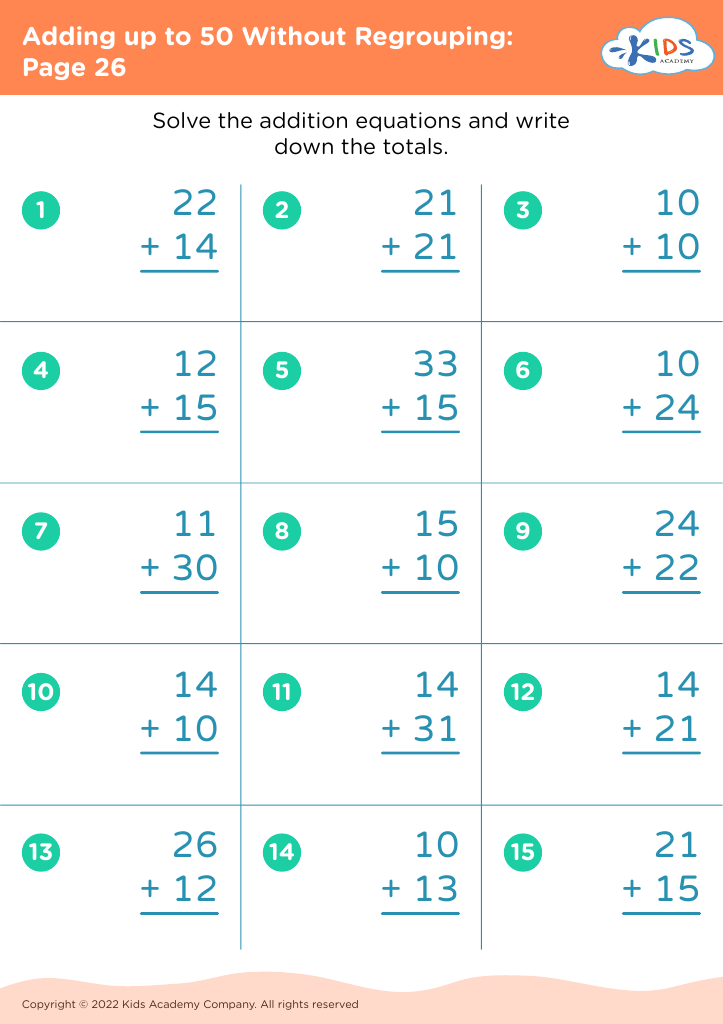






.jpg)

Improving handwriting skills in 8-year-olds is crucial for several reasons. First and foremost, clear handwriting is essential for effective communication. As children begin to express their thoughts and ideas more extensively in writing, legible handwriting ensures that their messages are understood by teachers and peers. Moreover, handwriting is closely linked to cognitive development; practicing fine motor skills through writing enhances hand-eye coordination and helps in the overall development of their brain.
Secondly, strong handwriting skills foster confidence in children. When students take pride in their writing ability, they are more likely to actively participate in class discussions and assignments. This confidence can lead to improved academic performance as students feel empowered to share their ideas without the fear of illegible or sloppy work.
Finally, as technology becomes more prevalent, the importance of handwriting shouldn’t be underestimated. Many assessments still require students to write by hand, and having proficient handwriting ensures that time isn’t wasted on struggling to form letters. For these reasons, both parents and teachers should prioritize the development of effective handwriting skills in young learners, as it lays the foundation for academic confidence and success in the future.








